 |
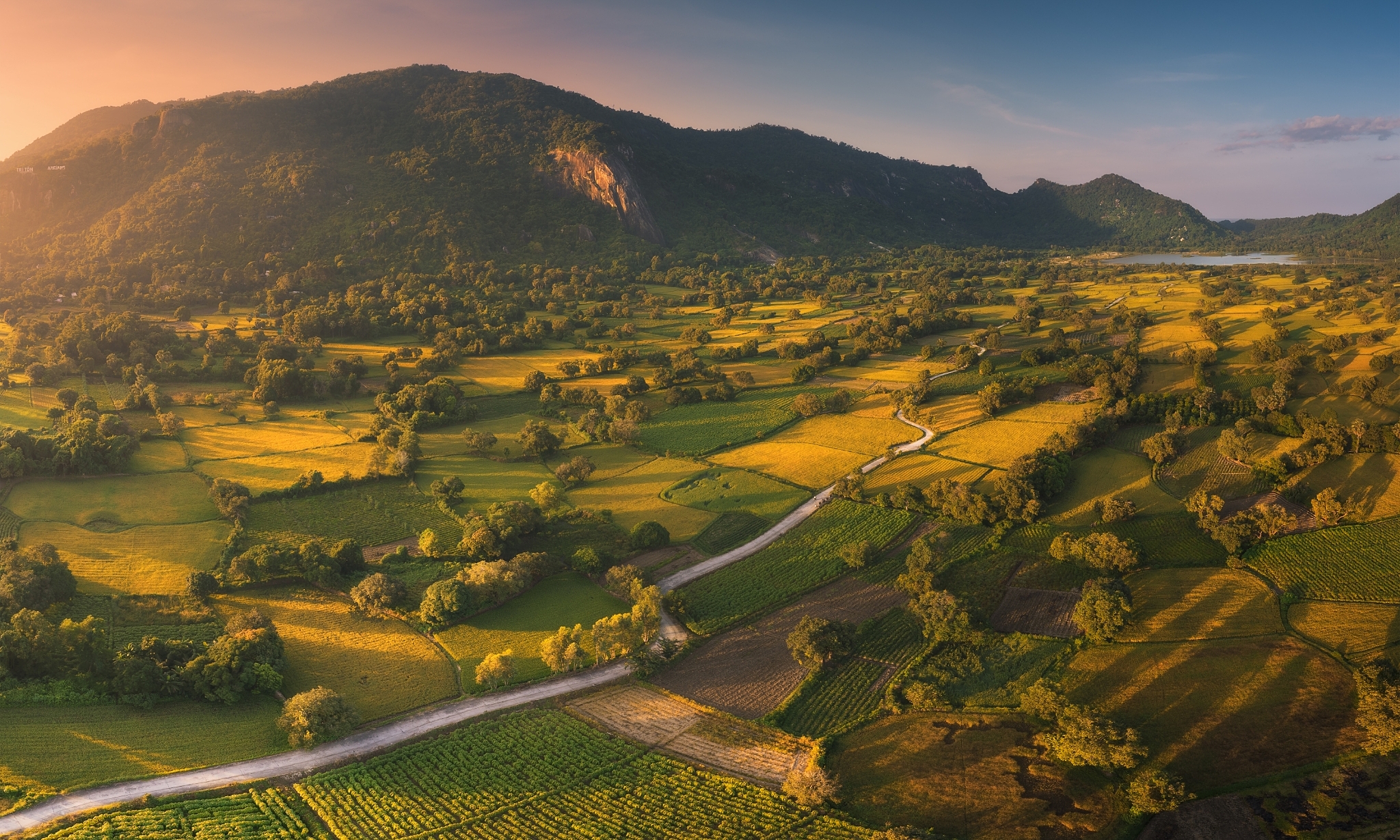
Ta Pa, located in Tri Ton commune, An Giang province, is part of the Bay Nui region, characterized by its semi-mountainous topography. Distinct from the flat fields of the Mekong Delta, this area is a low-lying basin nestled between Ta Pa and Co To mountains. This unique geological structure creates a valley-like landscape, offering a rare sight of fields amidst mountains in the Southern region.
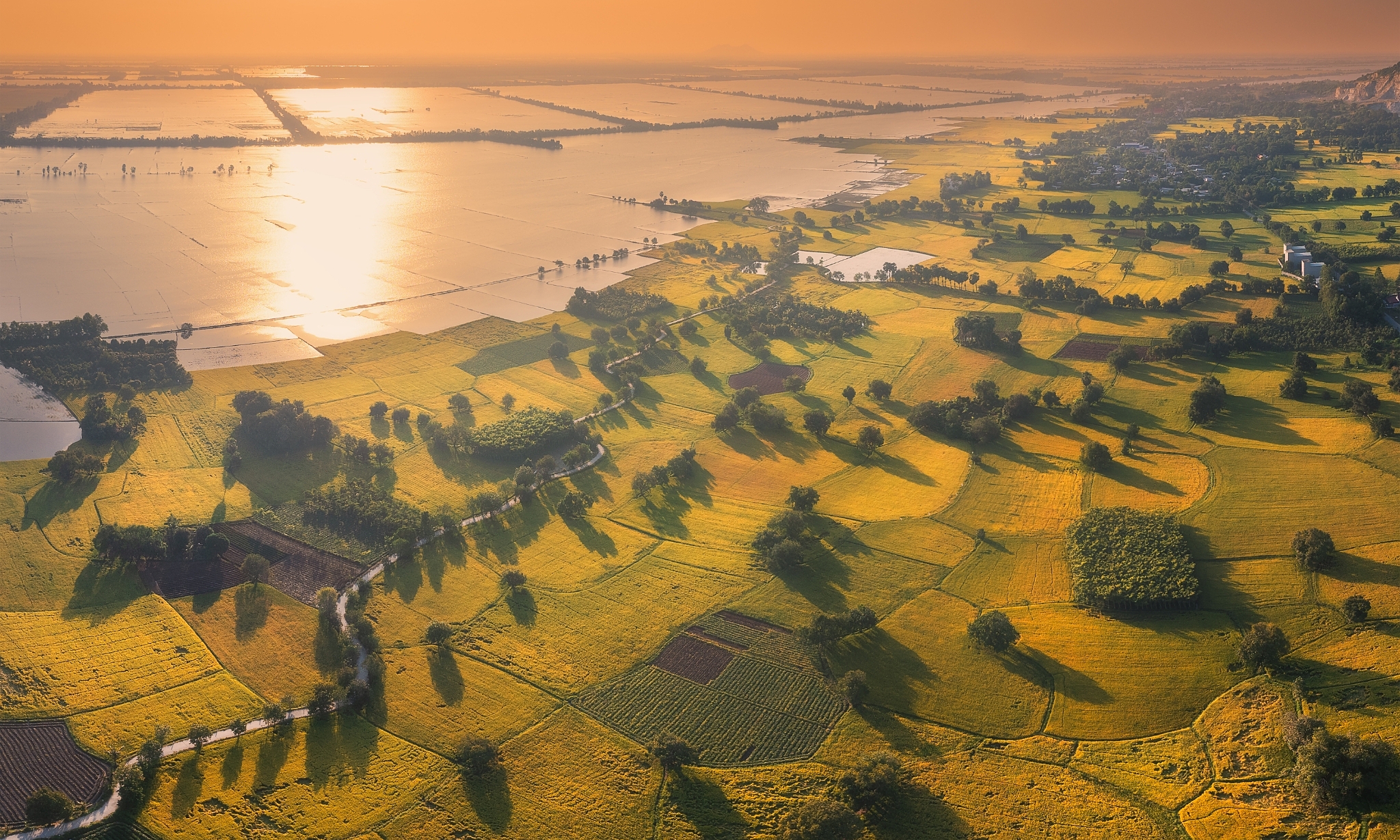 |
Photographer Cao Ky Nhan, from TP HCM, visited An Giang in late November to capture the ripe rice season in Ta Pa. He noted that this year's autumn-winter rice crop ripened earlier than usual, in mid-November instead of early December. This was Nhan's 4th visit to Ta Pa to document the golden season. "The scenery changes each year, and the light always creates different surprises; no two visits are ever the same," Nhan said.
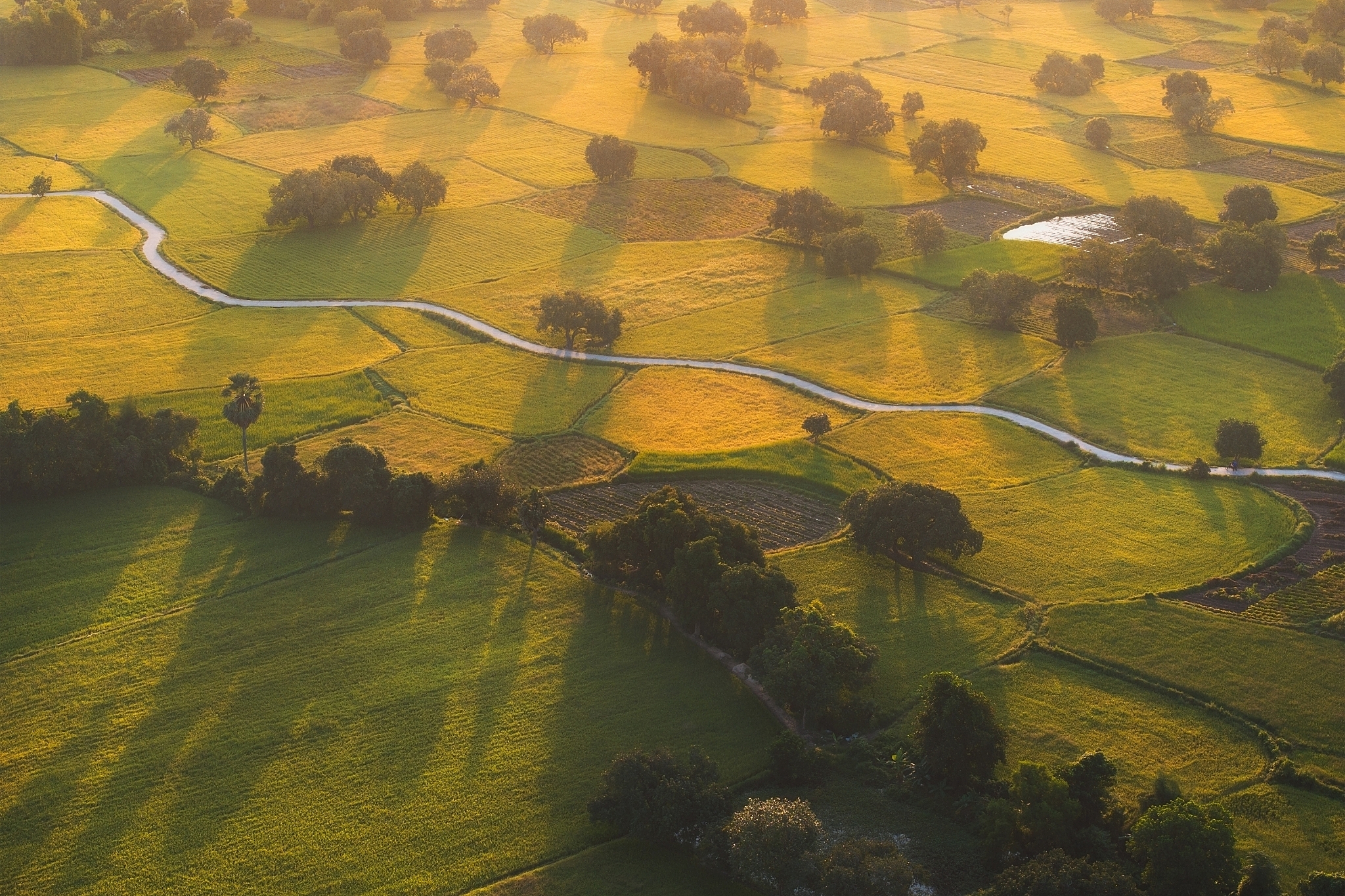 |
Situated in a transitional geographical zone, Ta Pa's landscape is a mix of rice fields, tram trees, sugar palm rows, ponds, lakes, and rocky mountains. The area's appearance shifts seasonally, from floodwaters bringing alluvial deposits to fields of golden ripe rice, and eventually to brown fields after harvest.
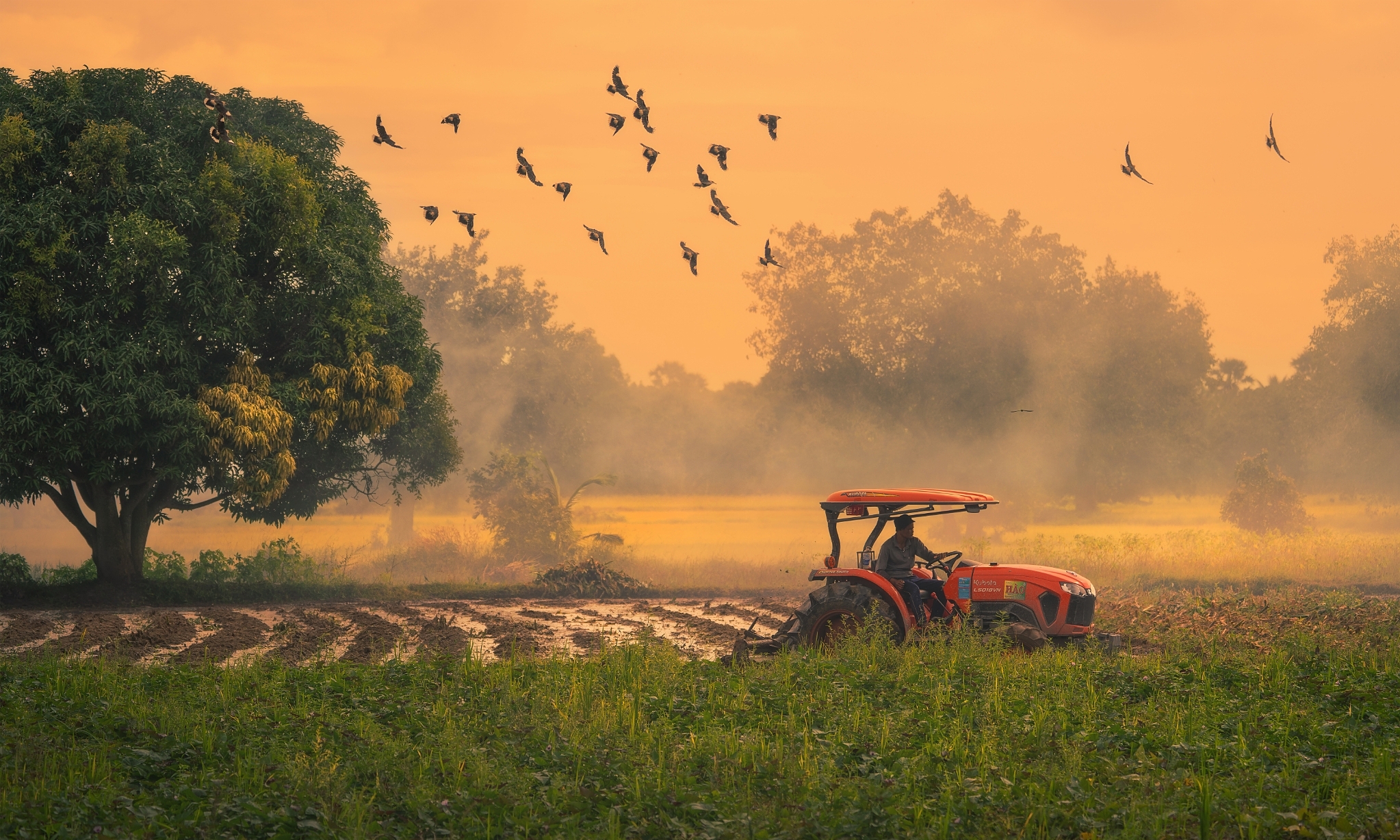 |
According to Nhan, the early ripening led households to expedite harvesting using a "van cong" system, a traditional reciprocal labor exchange where neighbors help each other when rice ripens simultaneously. By late November, many fields had been harvested.
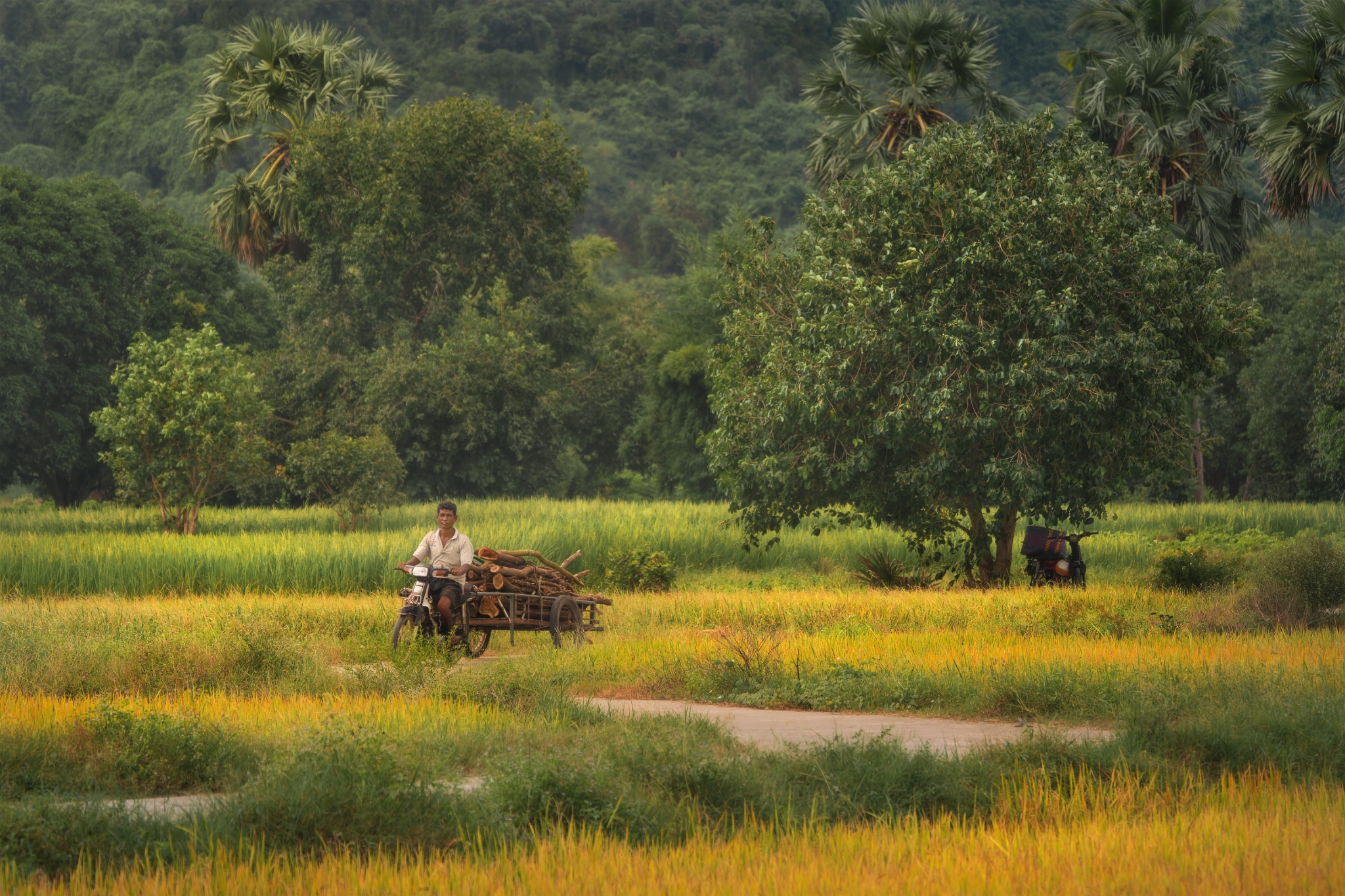 |
The road into the area between Ta Pa and Co To mountains is accessible but features numerous steep, narrow sections. Nhan suggests the ideal time for photography is 5h-6h30, when the early sun illuminates the fields and residents begin their work. In the afternoon, visitors should arrive from 16h to experience the sunset.
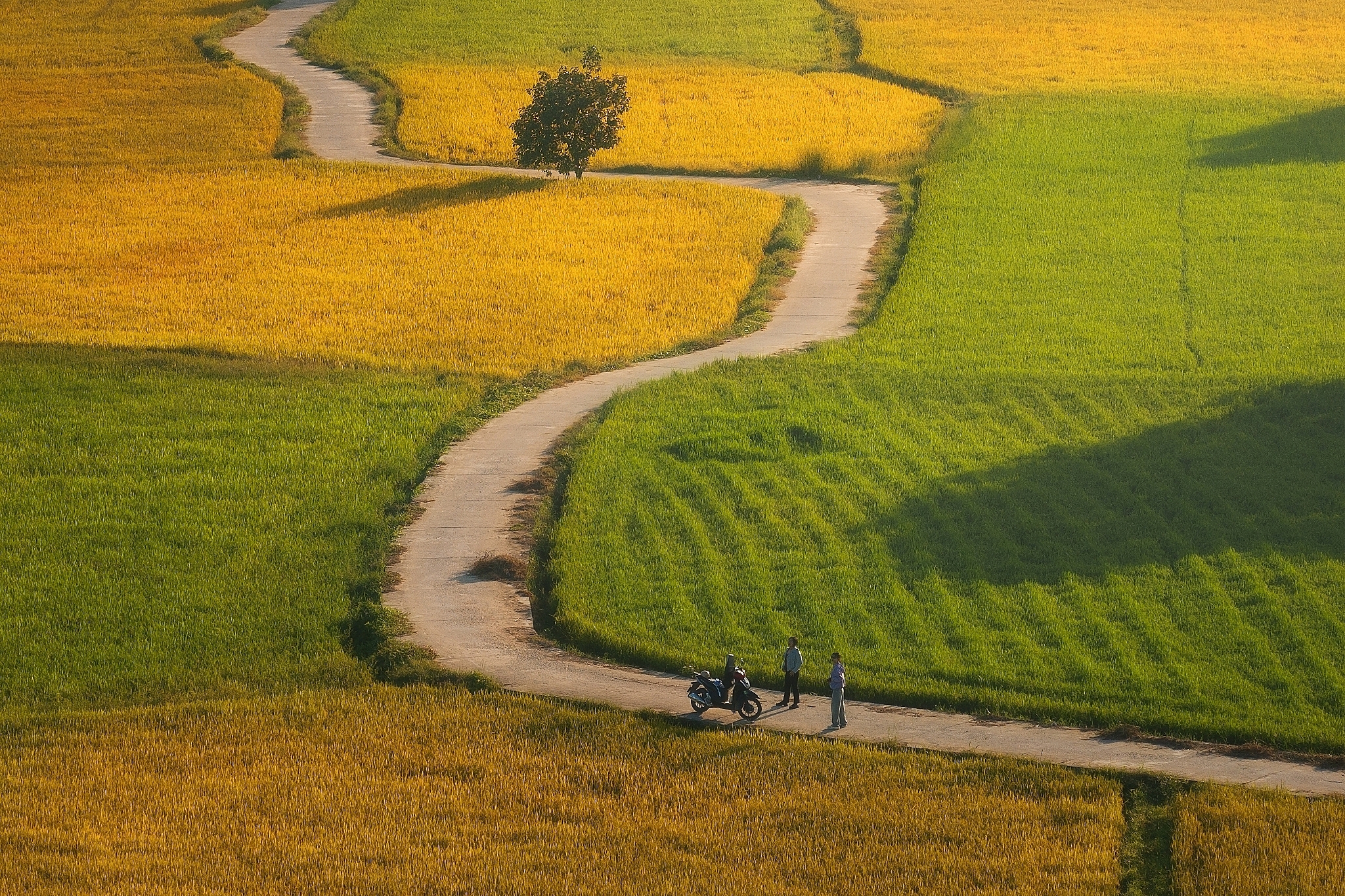 |
Nhan, who has photographed rice seasons in Mu Cang Chai (Lao Cai), Phong Nam (Cao Bang), and Tay Hoa (Dak Lak), believes each location holds a unique beauty. He described Ta Pa's golden season as possessing a "poetic quality," distinct from the grandeur of the Northern mountainous regions.
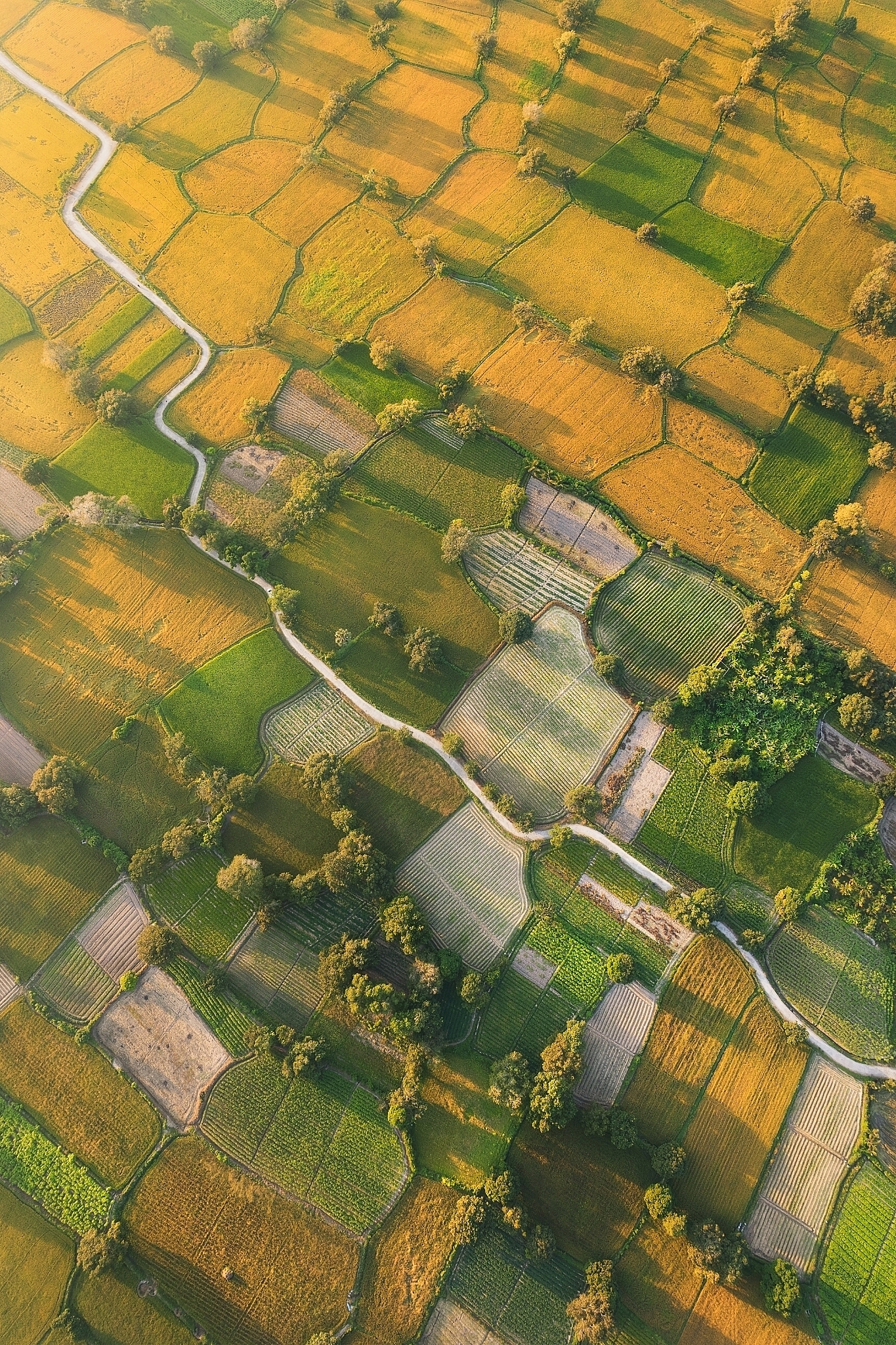 |
Nhan particularly cherishes the moment the early sun illuminates the entire field, making it glow golden "as if coated in honey." This transformative light also "awakens" early morning photographers, allowing them to directly witness the landscape's shift.
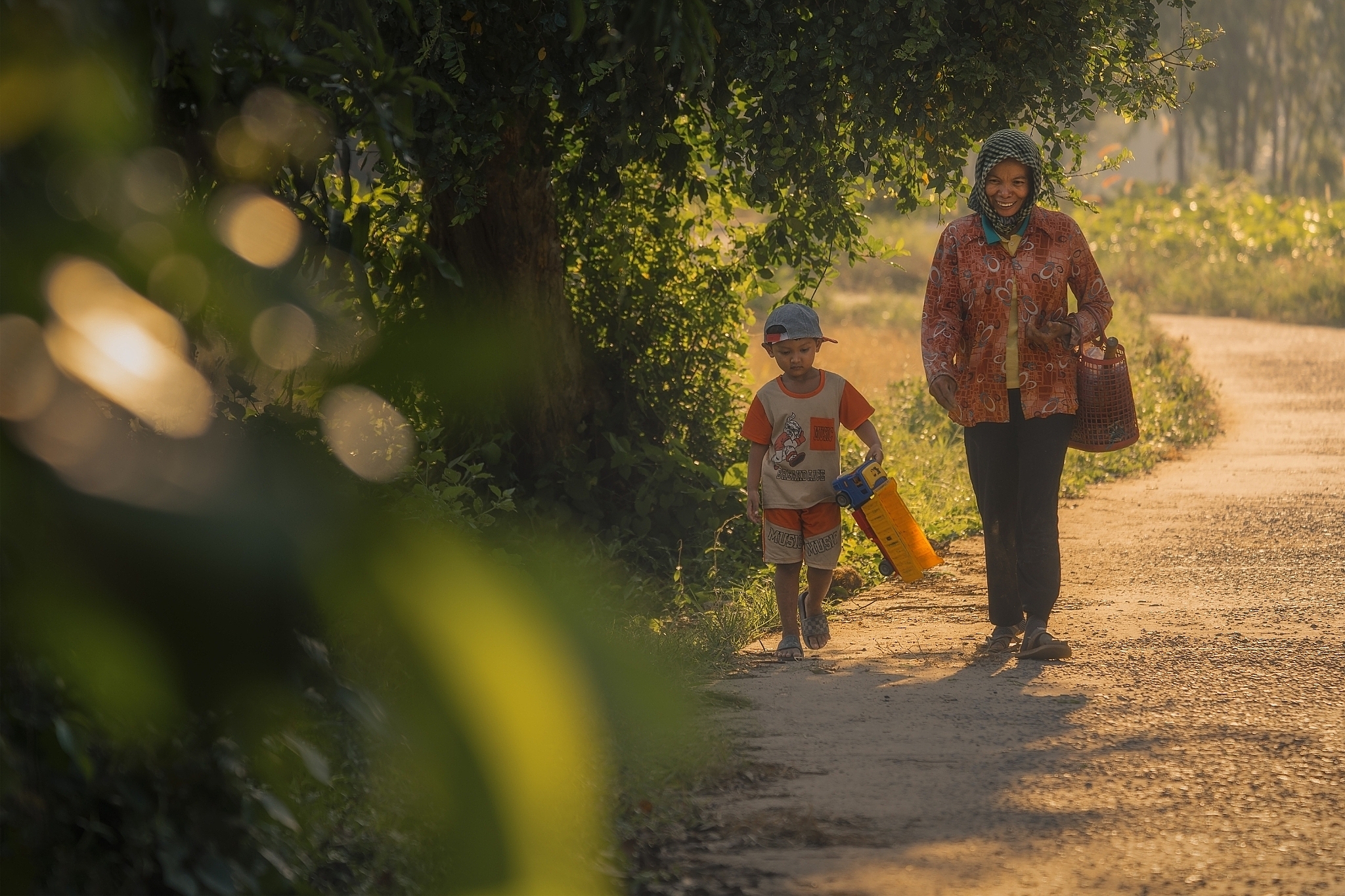 |
Ta Pa has long been home to the Khmer people of the Southern region, and their culture is deeply ingrained in the daily life, cultivation practices, and landscape. This is evident in the sugar palm rows, linked to traditional sugar production; the clusters of distinct tram trees in higher areas; and the ancient Khmer pagodas scattered throughout the region.
 |
Sugar palms and tram trees contribute significantly to the fields' unique character, closely connected to the lives of the Ta Pa Khmer people. During the flood season, visitors can also explore the Tinh Bien sugar palm rows. Nhan noted that the coincidence of ripe rice and the onset of floods, as observed this year, is rare.
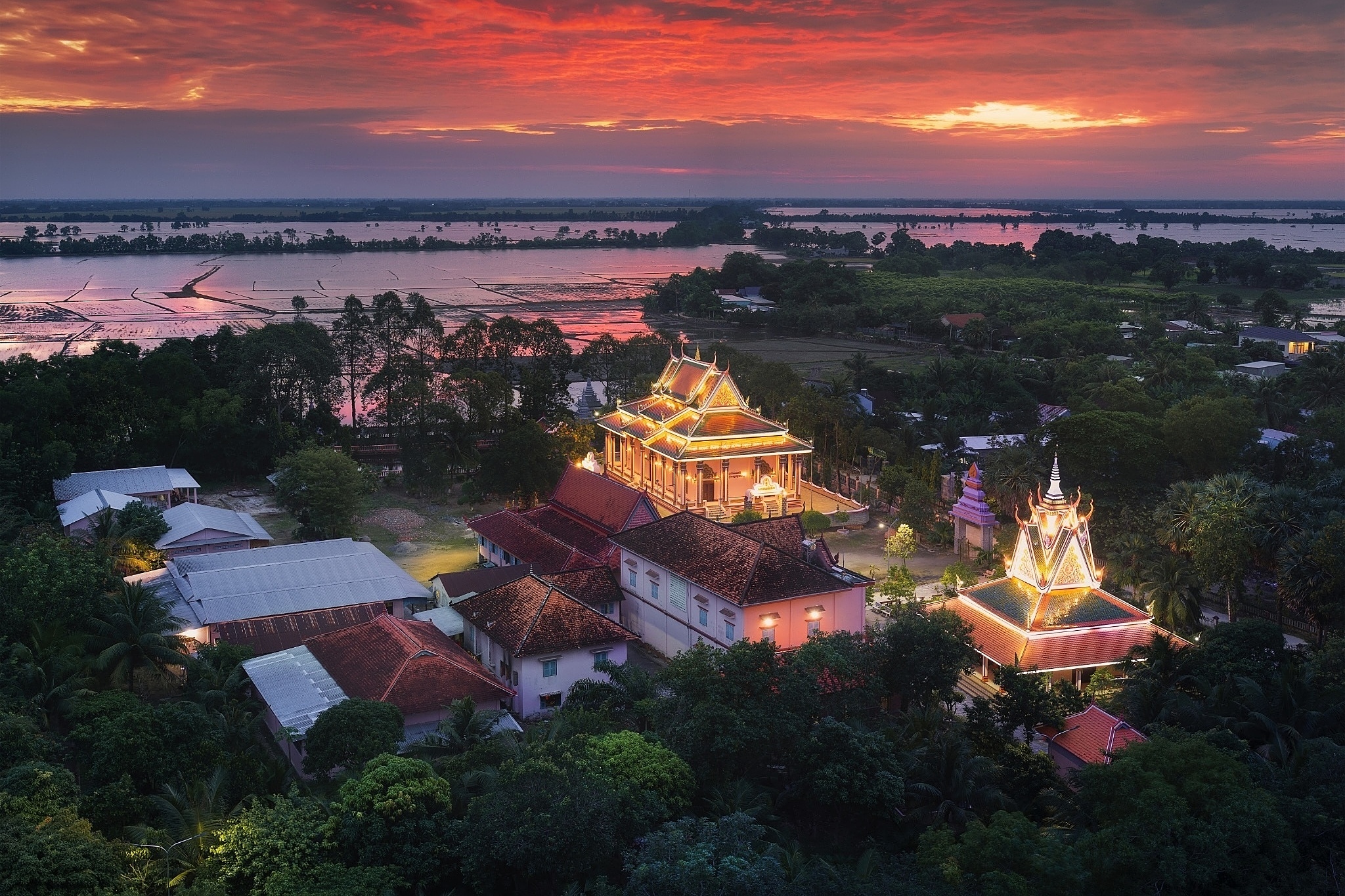 |
Visitors can further explore local culture through the Khmer pagodas surrounding Ta Pa. Soai So pagoda (pictured), an ancient structure nestled against the mountain, showcases Southern Theravada Buddhist architecture. It serves as a spiritual center for the local community and a familiar attraction in the Bay Nui region.
By Mai Phuong
Photos by Cao Ky Nhan