


 |
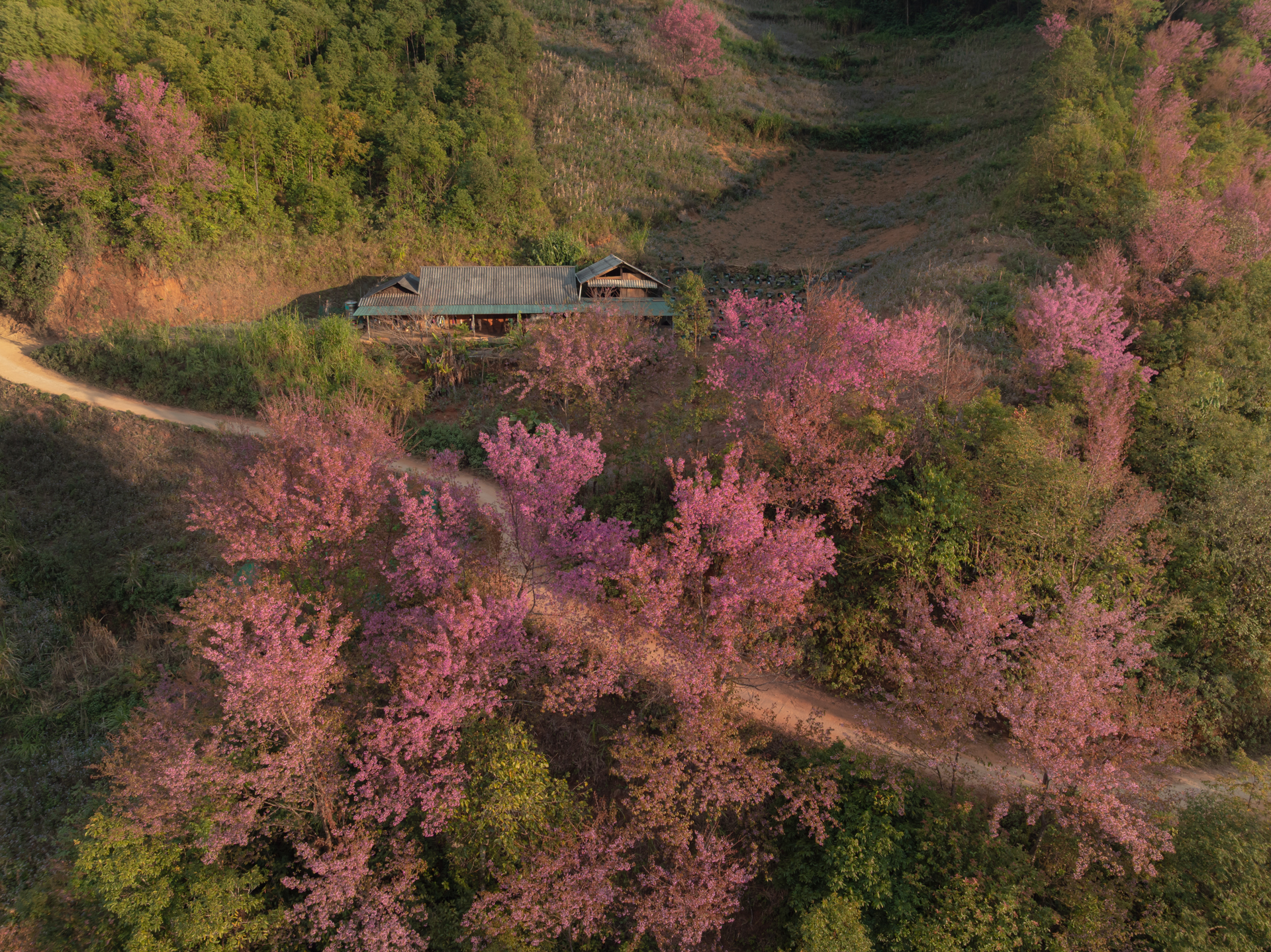
From mid-December, to day flowers bloom profusely, spreading across the mountain slopes, from the central area of Mu Cang Chai to distant villages.
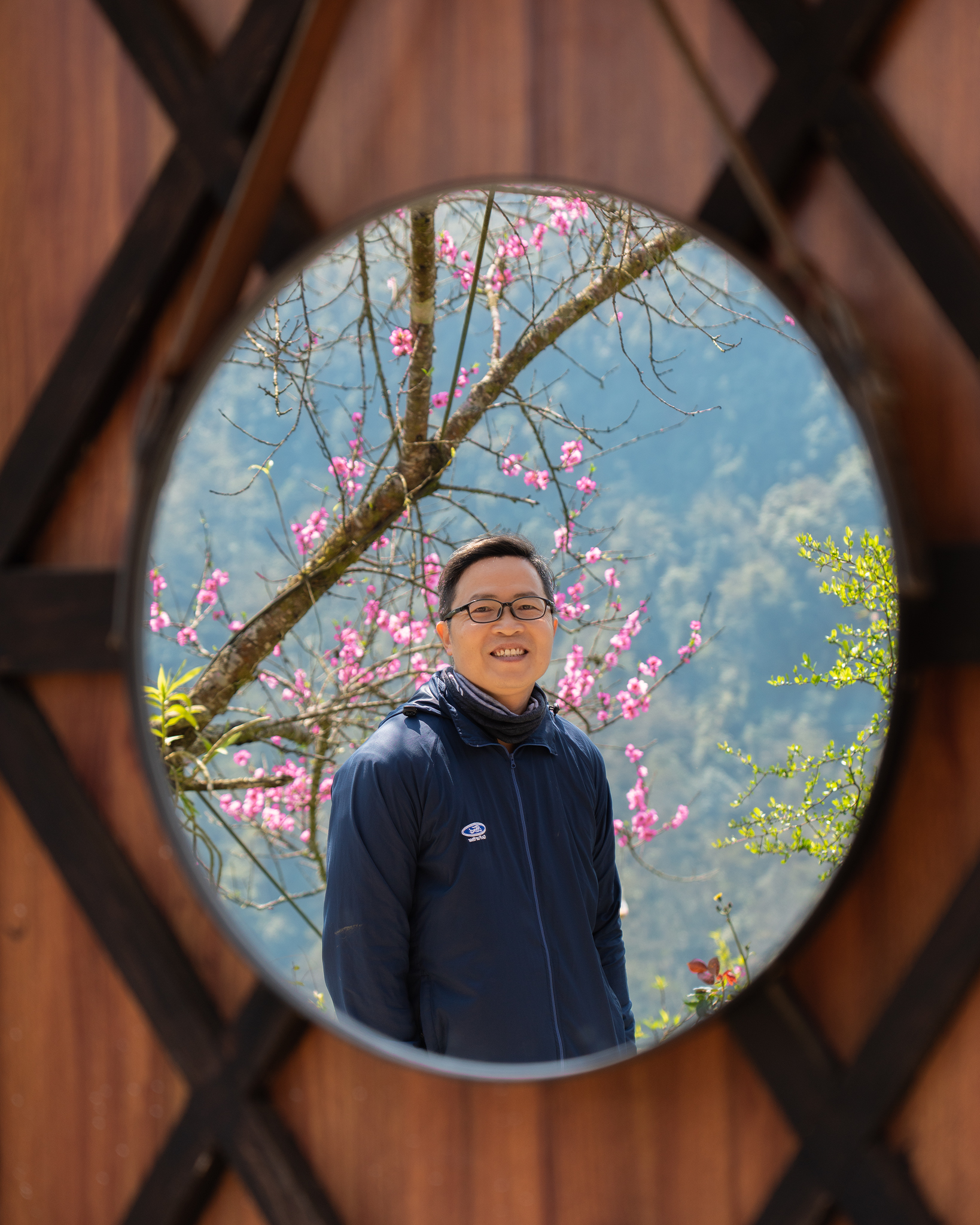 |
Photographer Vinh DAV from Hanoi visited Mu Cang Chai in late 2025, capturing a series of photos on 27/12 and 28/12. Vinh noted that at that time, the flowers in Trong Tong village (La Pan Tan) were at their peak bloom, with the Hang Gang area currently showcasing its best. According to him, the flowers, once fully open, typically last for one week to 10 days.
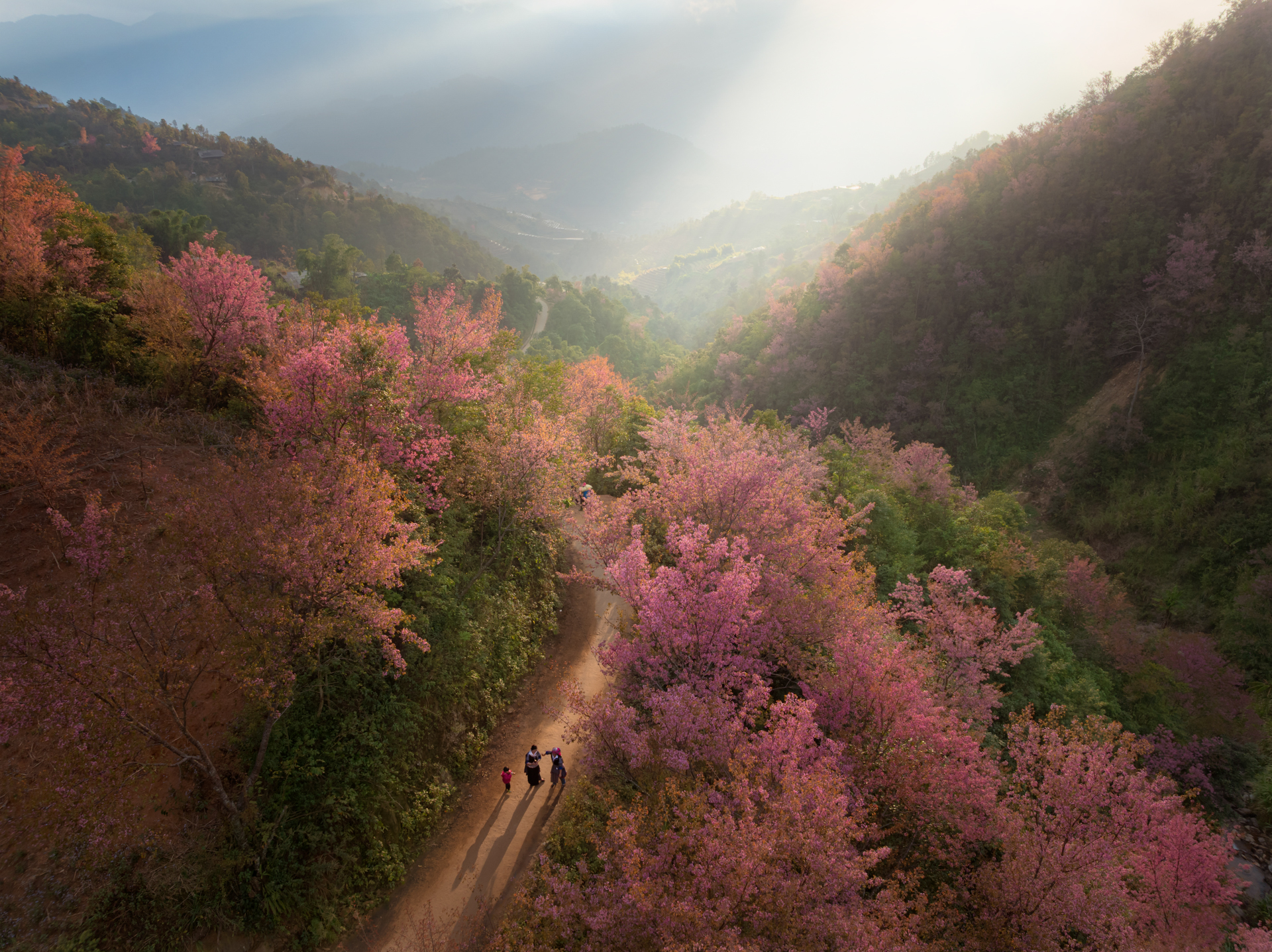 |
During his two days in Mu Cang Chai, Vinh encountered cloudy skies, which subdued the flowers' pink hue. He patiently "waited for clouds, waited for sun" for hours to find the perfect moment to shoot. "It's like a reward for those who are patient enough," Vinh said, referring to one of his favorite photos.
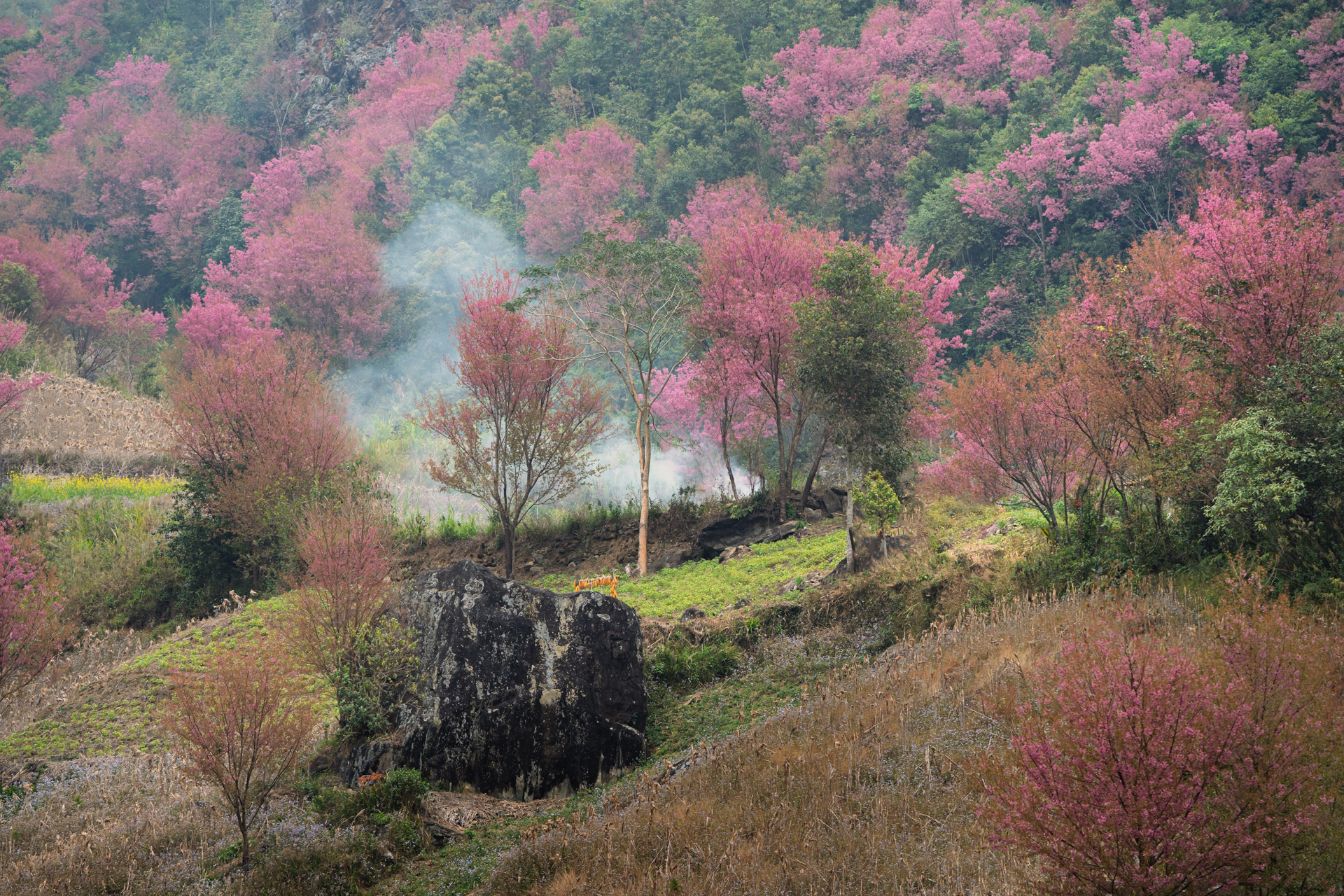 |
To day is a woody plant species, abundant in several communes such as Mu Cang Chai (including Kim Noi, Mo De, and Che Cu Nha, according to old administrative units) and Pung Luong commune (Nam Khat, La Pan Tan, De Xu Phinh, and old Pung Luong). These flowers thrive at altitudes above 1,000 m. The H'Mong people in Mu Cang Chai affectionately call them "pang to day" (forest peach blossoms), a characteristic flower of the Northwest mountainous region each spring.
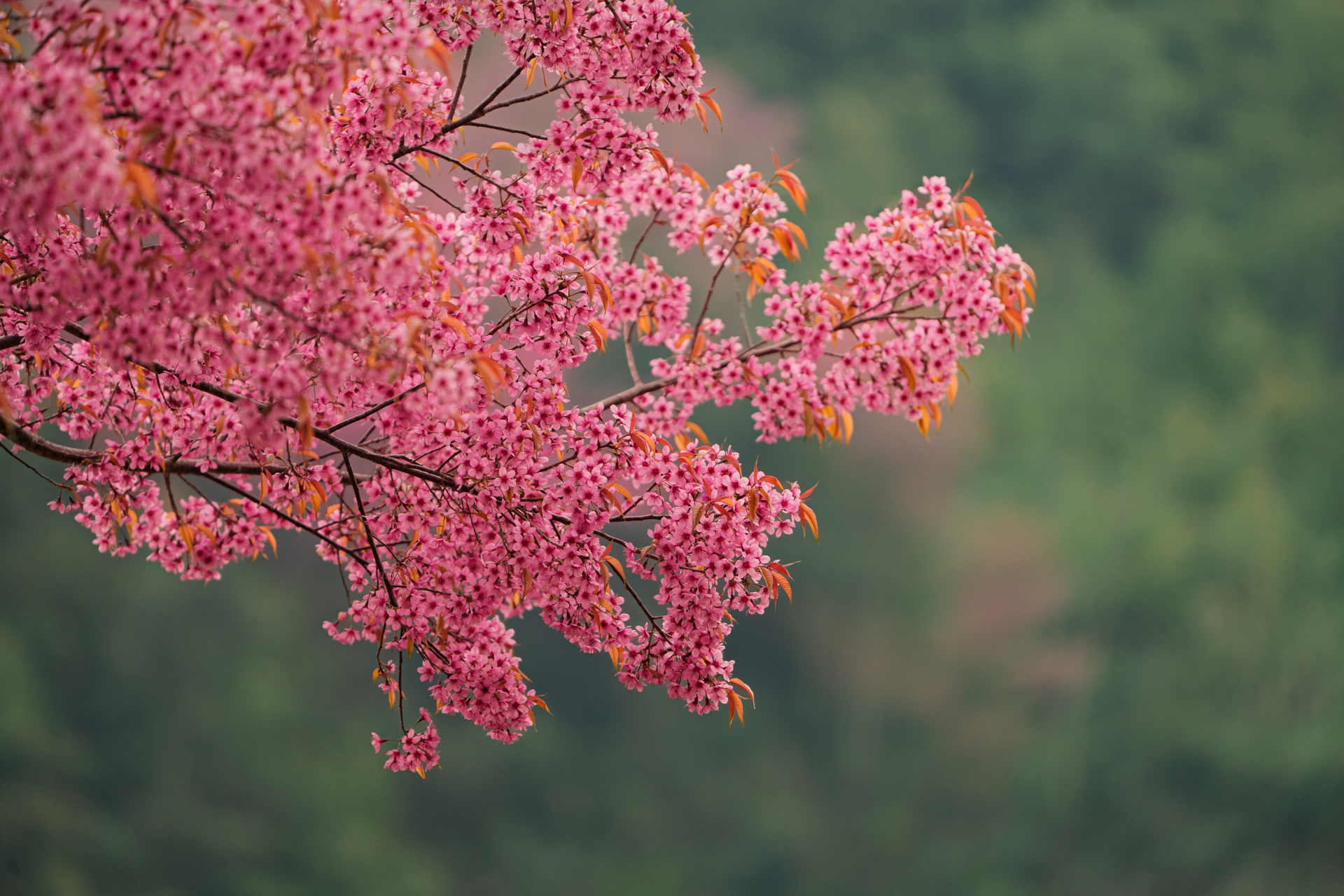 |
To day flowers have 5 petals, which are slender and longer than garden peach blossoms. The flowers are considered a sign of the upcoming Tet holiday for the H'Mong people, usually about one month before Lunar New Year.
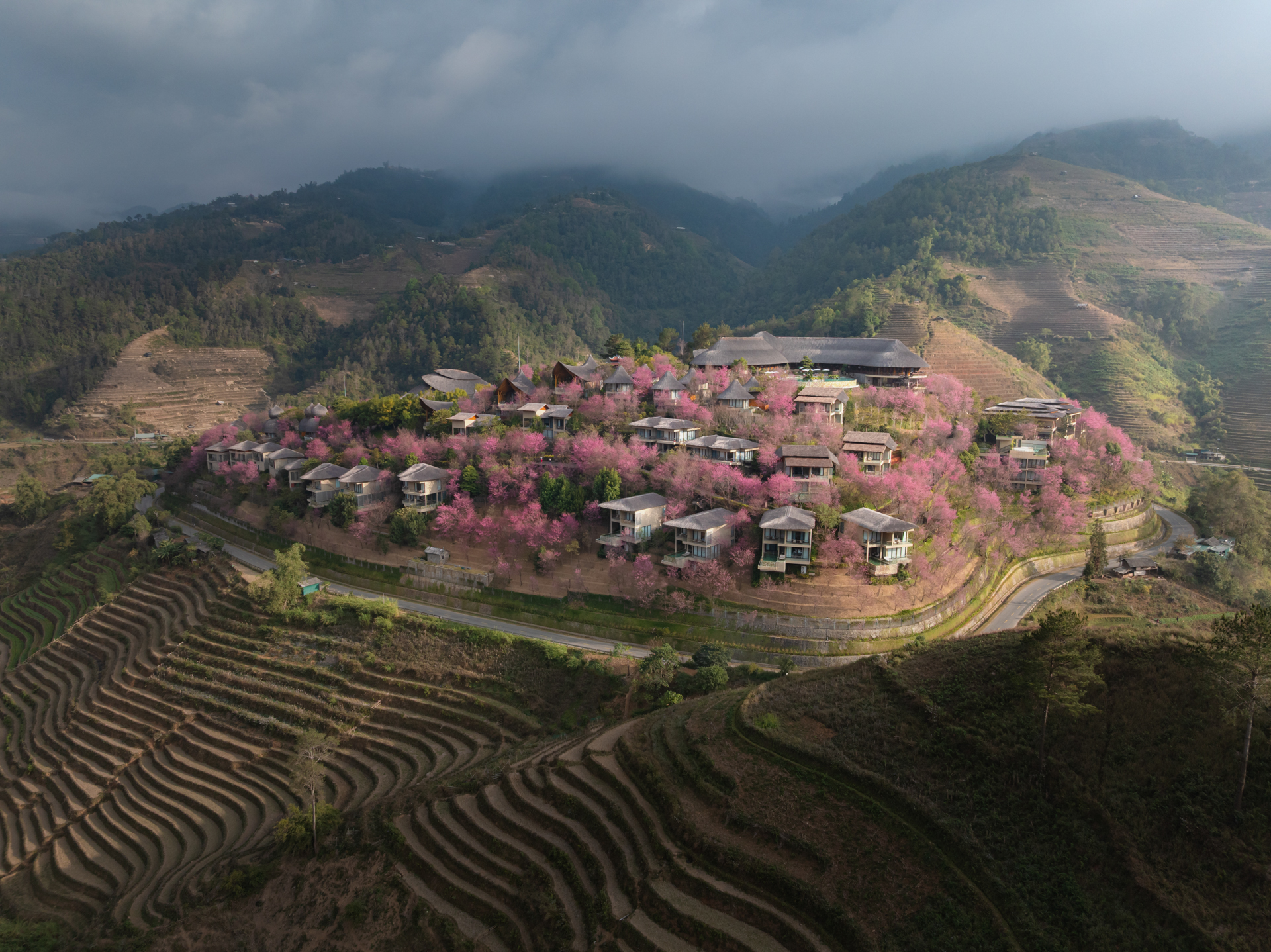 |
To day flowers bloom profusely within the grounds of a resort in Mu Cang Chai. Visitors to Mu Cang Chai have the opportunity to experience the three most beautiful seasonal landscapes of the year: to day flower season (January-February), rice transplanting season (April-May), and ripe rice season (September-October).
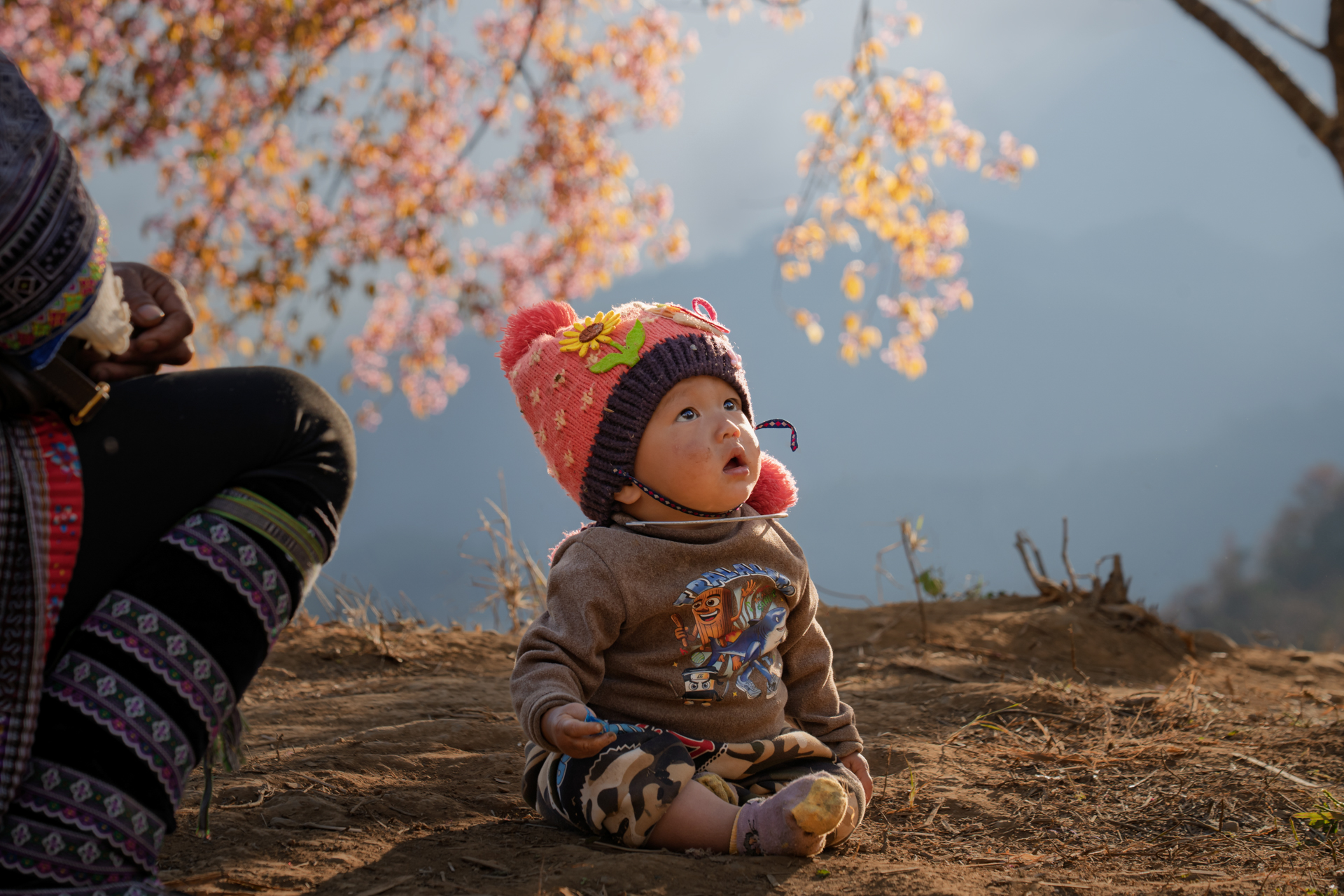 |
A H'Mong ethnic child sits in the yard of a house in Trong Tong village, beneath to day flower trees. Trong Tong village has a pristine landscape with many flower trees growing naturally amidst the hills. The village offers homestays and tourism services for visitors.
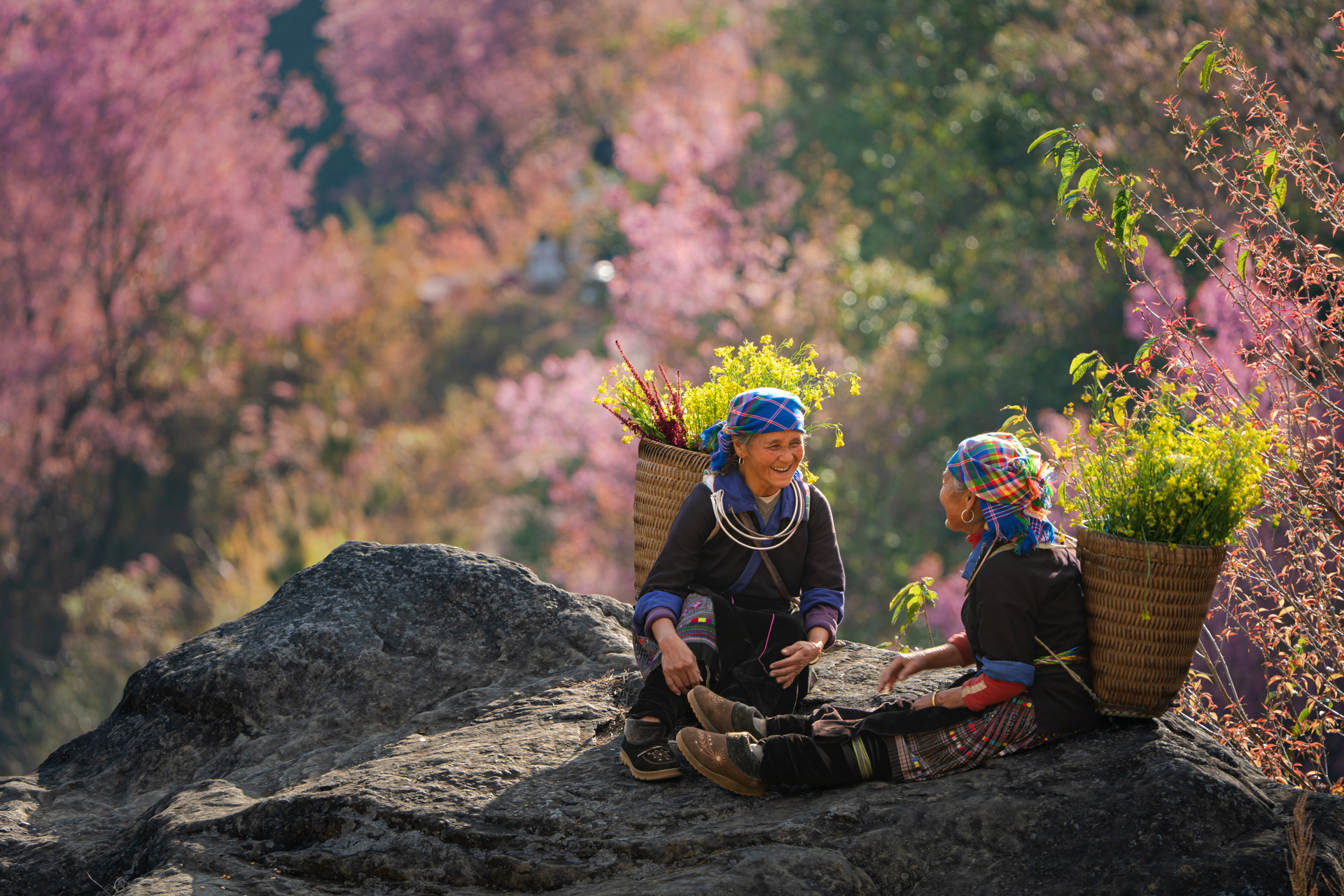 |
In addition to to day flowers, yellow mustard flowers are also blooming profusely in Mu Cang Chai. Temperatures here range from 10 to 20 degrees Celsius depending on the time of day, with sunny weather and not yet in the deep cold phase of winter.
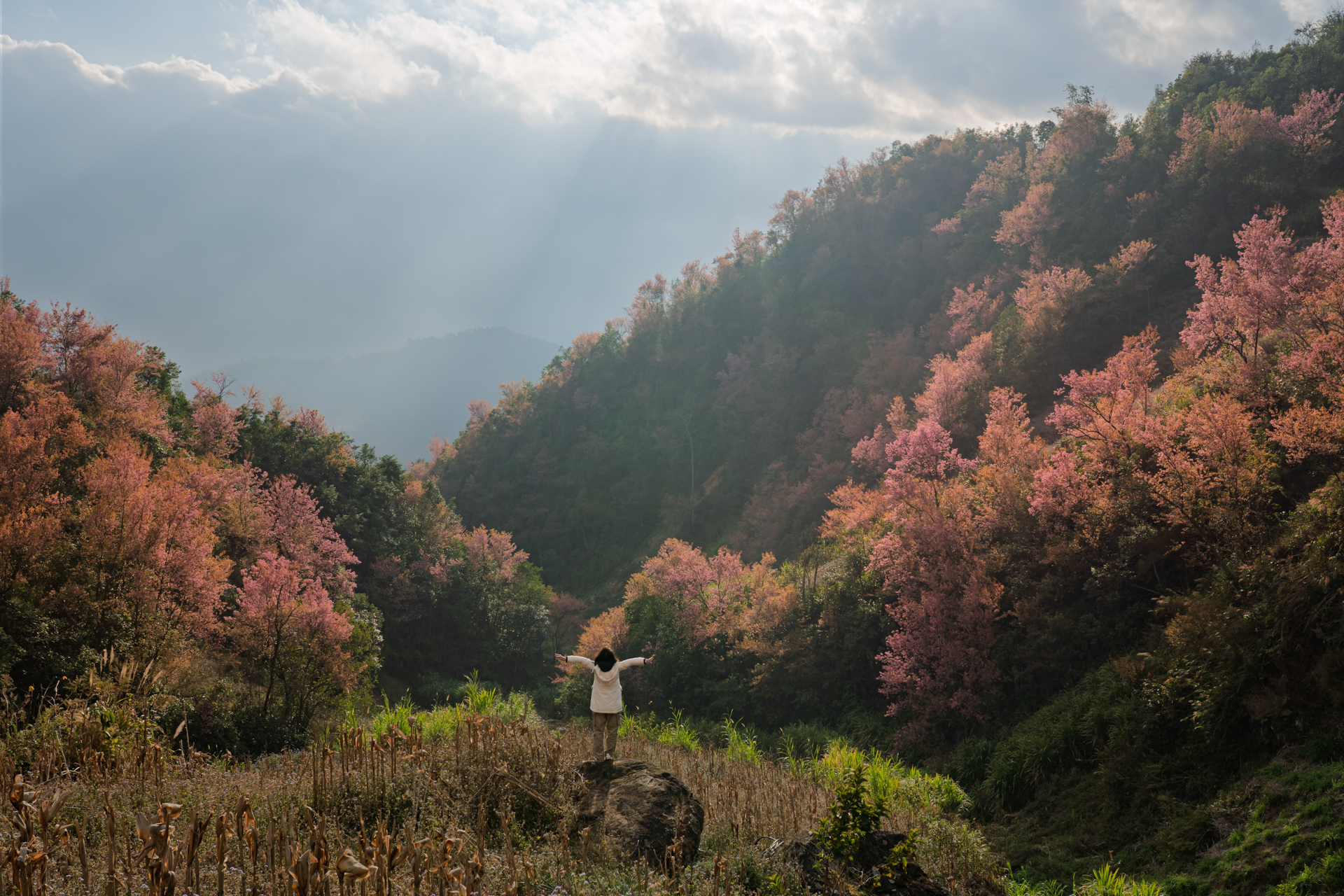 |
Visitors should take photos in the morning or afternoon for optimal lighting. According to Thu Uyen, a local tourism professional, colder weather enhances the flowers' deep pink hue. "The most beautiful bloom period is about 10 days from when they first open," Uyen said. The flowers are expected to bloom in various areas until late January.
January is typically the peak tourist season for Mu Cang Chai. Visitors can rent motorbikes from homestays or hire local motorbike taxi drivers. The roads feature many steep sections, requiring experienced drivers for safety. For a two to three-day itinerary, visitors can combine their trip with a visit to Tu Le valley or Tram Tau for hot springs.
By Linh Huong
Photos by Vinh Dav


