


 |
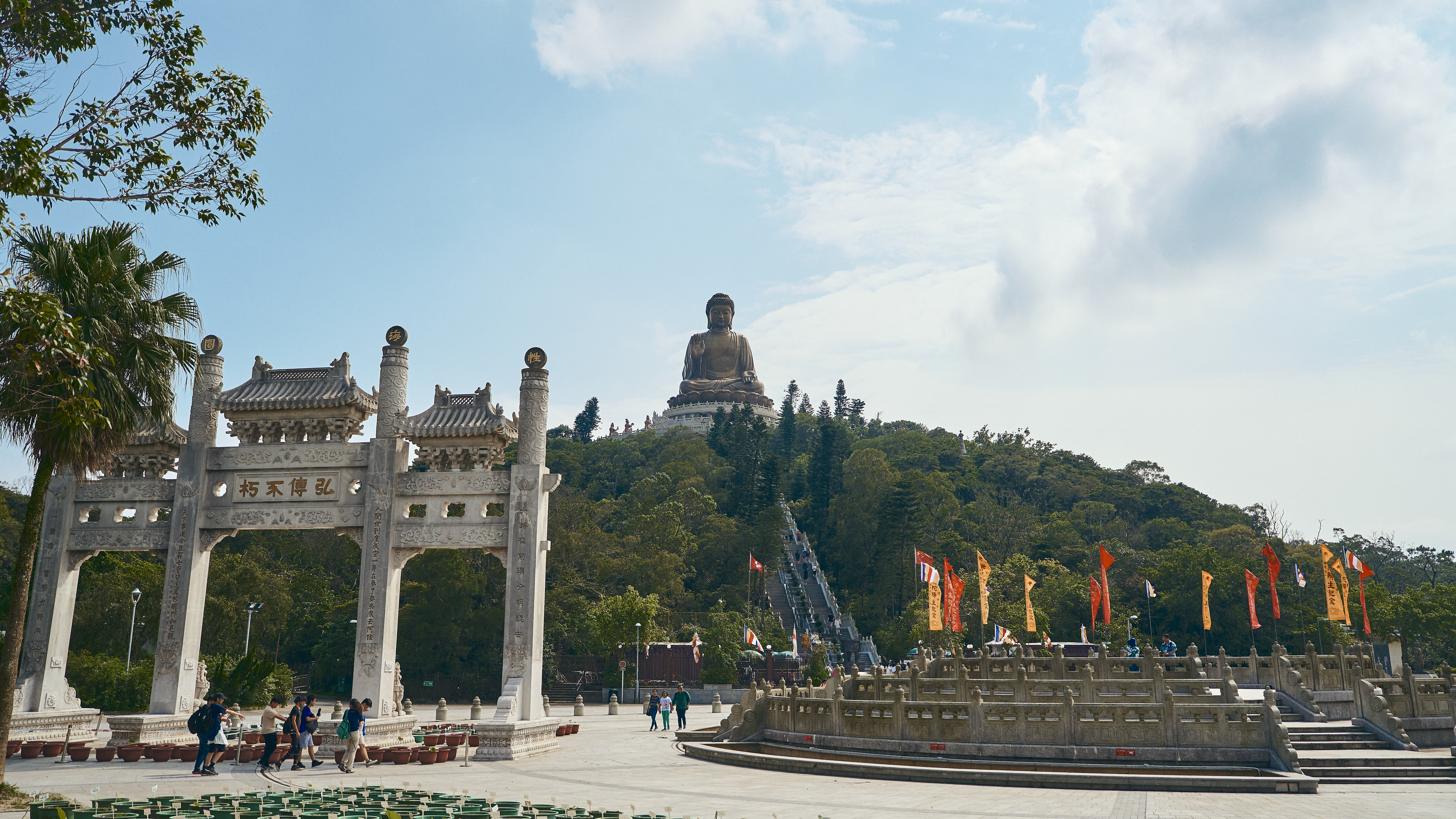
Lantau Island, located west of Hong Kong, is the special administrative region's largest island, covering 147 km2. It serves as an international transport gateway, home to Hong Kong International Airport and major expressways. Visitors can reach Lantau by MTR Tung Chung train, bus, taxi, or by driving from central Hong Kong.
The island offers numerous attractions, drawing both local and international visitors and pilgrims. Below are five destinations suitable for early-year tours and worship:
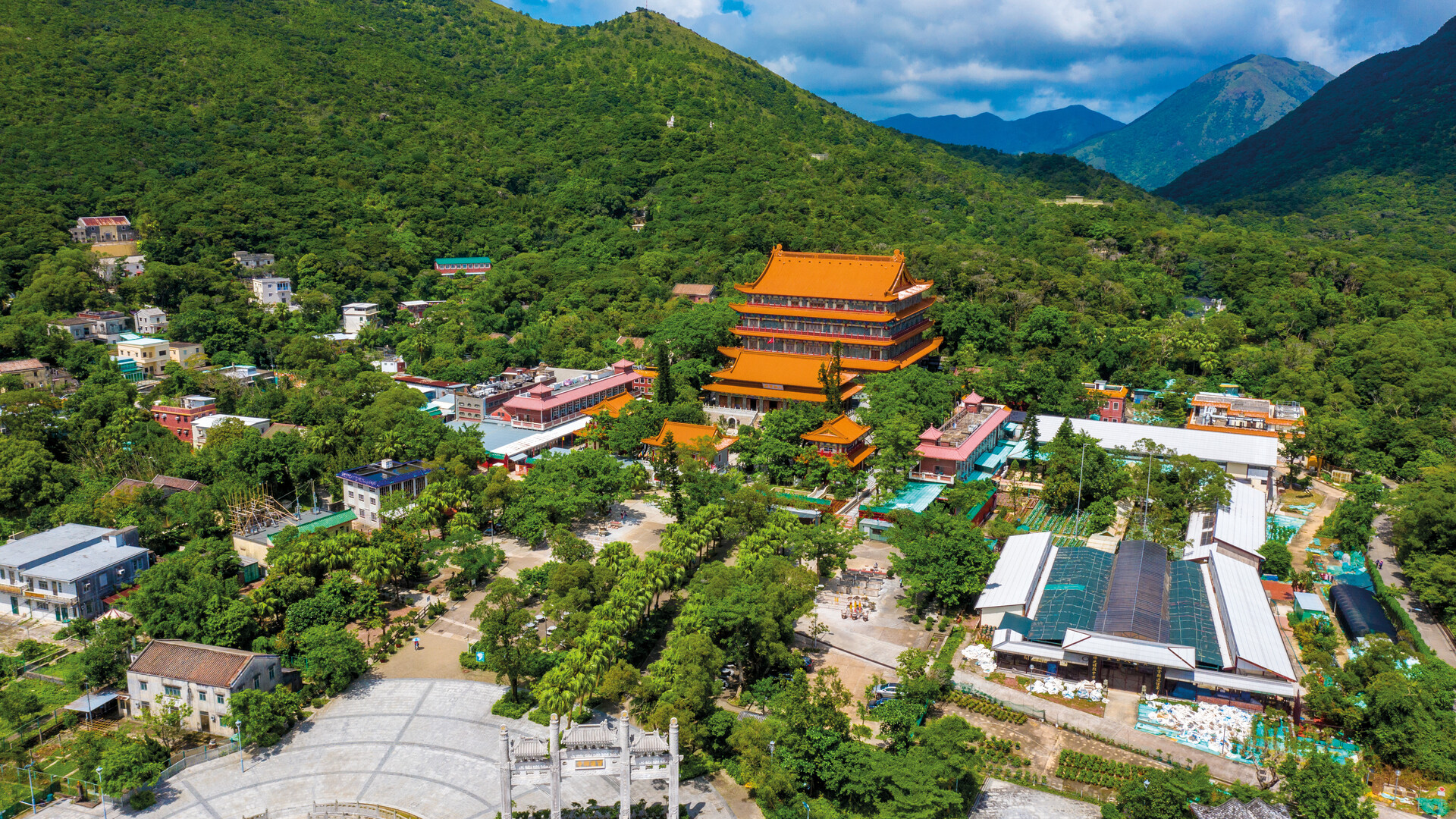 |
Po Lin Monastery: Situated on the Ngong Ping plateau, this 120-year-old spiritual site was established in 1906. It began as a small hermitage founded by three monks from Jiangsu for secluded practice. The name "Buu Lien," meaning "precious lotus," was officially adopted in 1924.
Over its 120-year history, the monastery has undergone numerous renovations, notably in 1970 and 2014, when the Hall of Ten Thousand Buddhas was inaugurated. Following several expansions, the current complex spans thousands of square meters, housing approximately 10,000 Buddha statues and many precious wooden artifacts. This has established Po Lin as one of Hong Kong's largest Buddhist centers, often referred to as the "Buddhist World of the South."
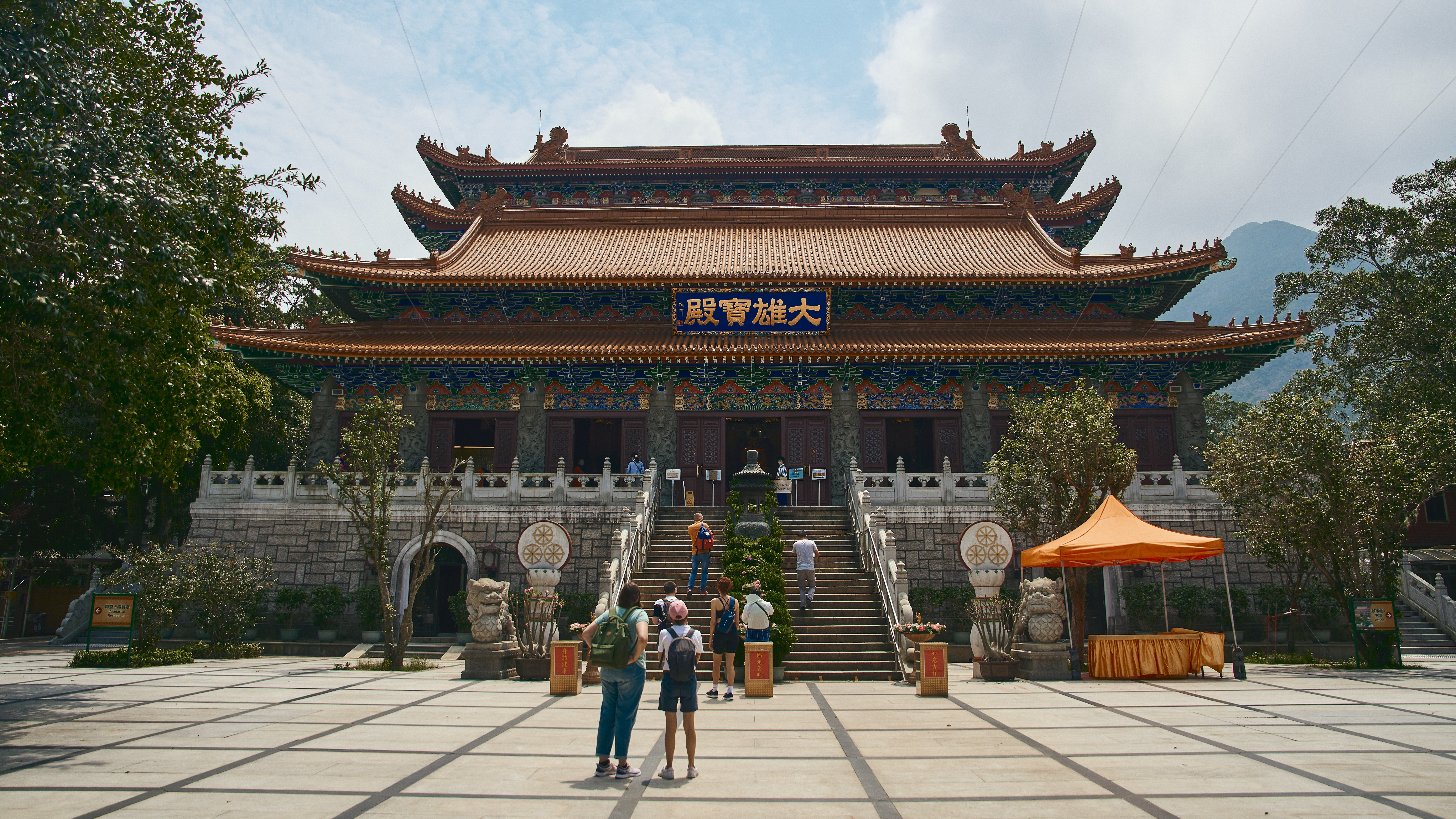 |
The monastery's architecture features a distinct Chinese imperial style, characterized by curved tiled roofs, wooden columns carved with dragons and phoenixes, and a symmetrical layout between the main hall and auxiliary areas. Its landscape design reflects an East Asian garden aesthetic, incorporating bonsai and native Lantau Island plants.
Each year, the monastery welcomes 1,5 to 2 million visitors who come to offer incense, register loved ones for peace, and hang red ribbons on the "Wishing Tree." The monastery grounds also serve many renowned vegetarian dishes.
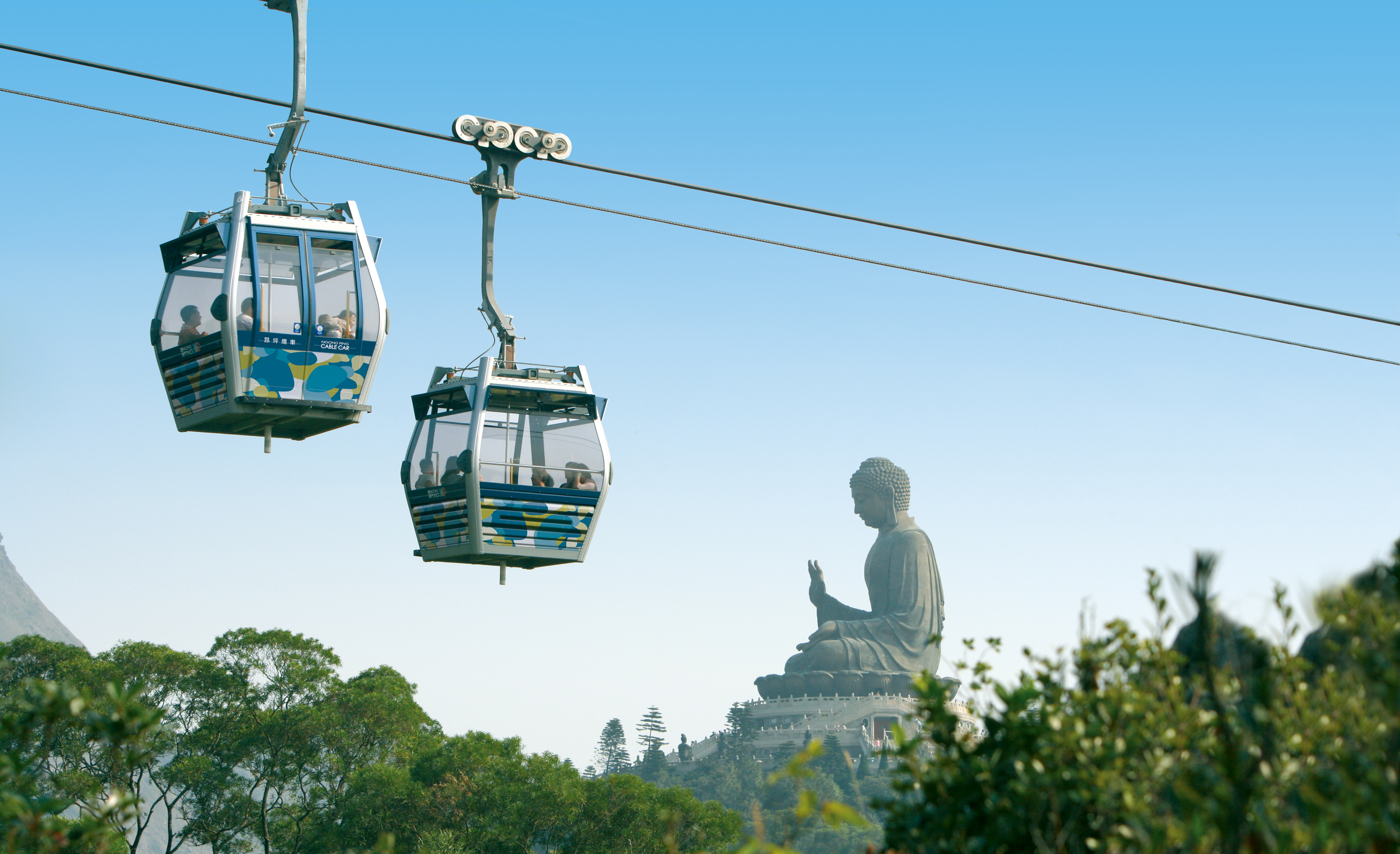 |
Tian Tan Buddha: A few hundred meters from the monastery stands the Big Buddha, Tian Tan, inaugurated in 1993. Standing 34 m tall (including its base) and weighing over 250 tons, it was cast from 202 separate bronze pieces, making it one of the world's largest outdoor bronze seated Buddha statues.
The statue's construction on Muk Yue Peak required high-precision engineering to assemble the large bronze sections amidst the challenging stormy conditions characteristic of Hong Kong's coastal region.
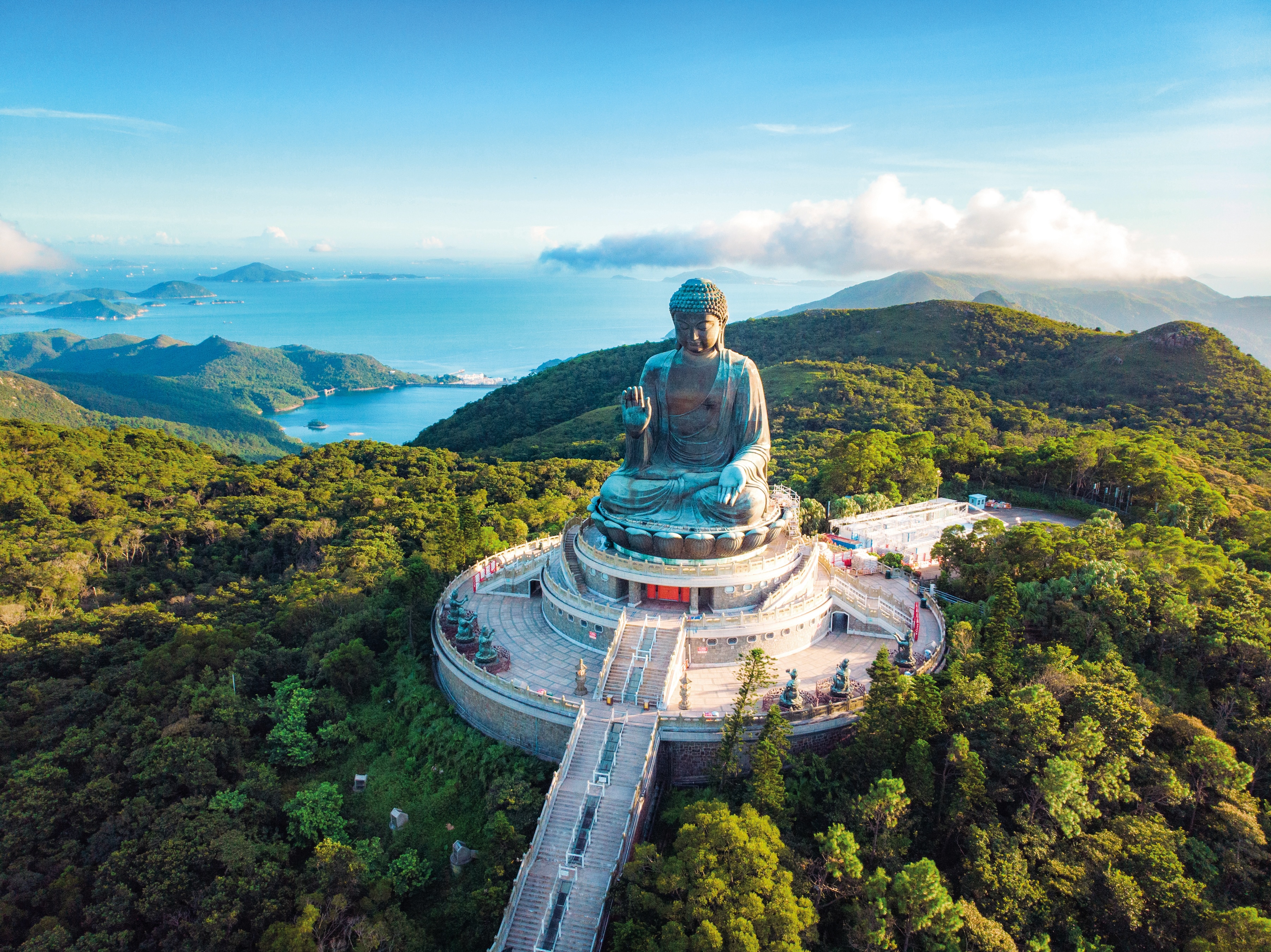 |
Visitors must ascend 268 steps to reach the lotus platform, where they can enjoy panoramic views of Lantau Island and the South China Sea. For locals, the Big Buddha is both a religious landmark and a cultural symbol deeply associated with modern Hong Kong.
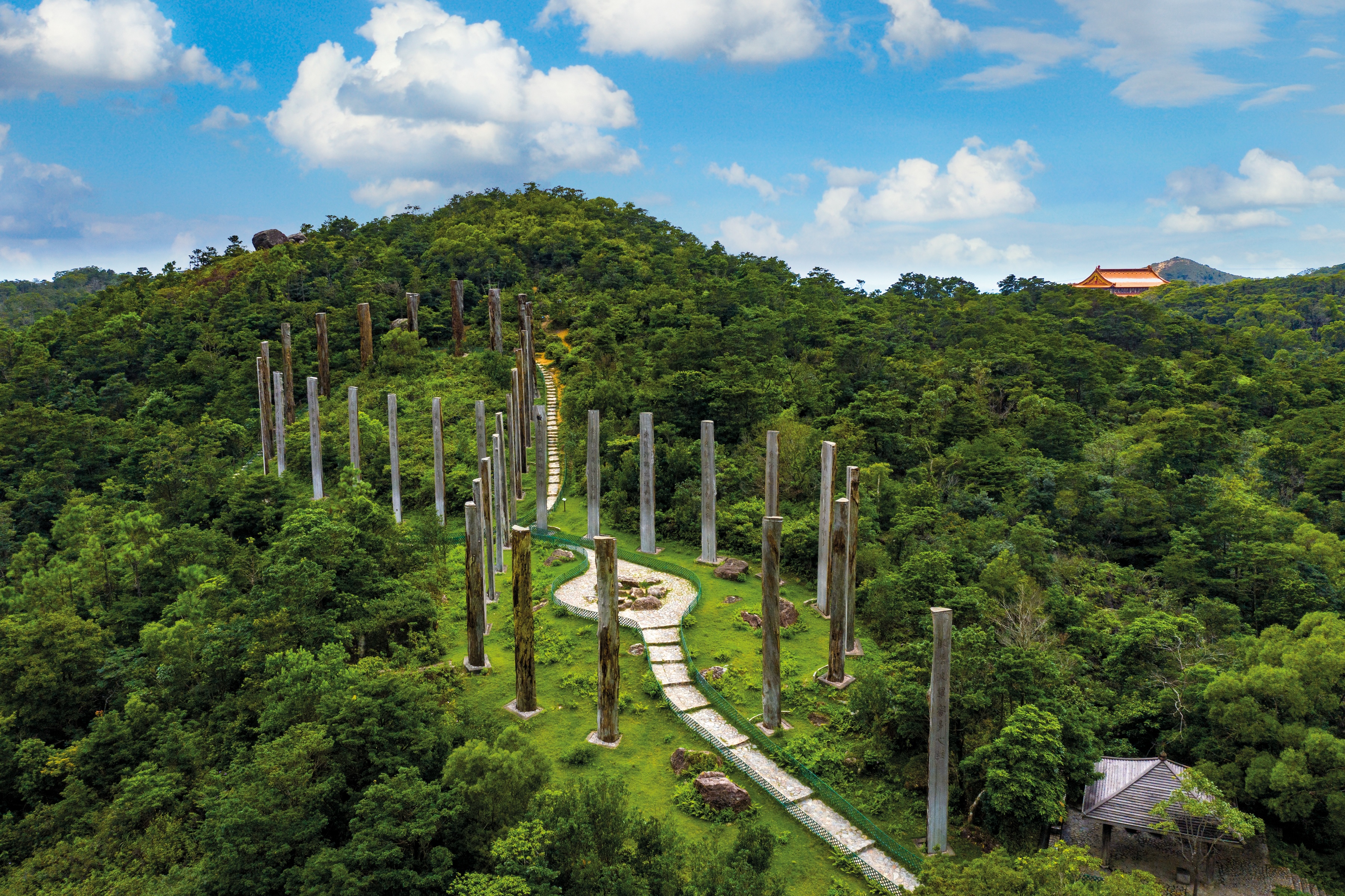 |
Wisdom Path: Located not far from Po Lin Monastery, the Wisdom Path is often included in visitor itineraries. Inaugurated in 2005, it features 38 wooden steles, 8 to 10 m tall, arranged in an infinity symbol on the Lantau hillside.
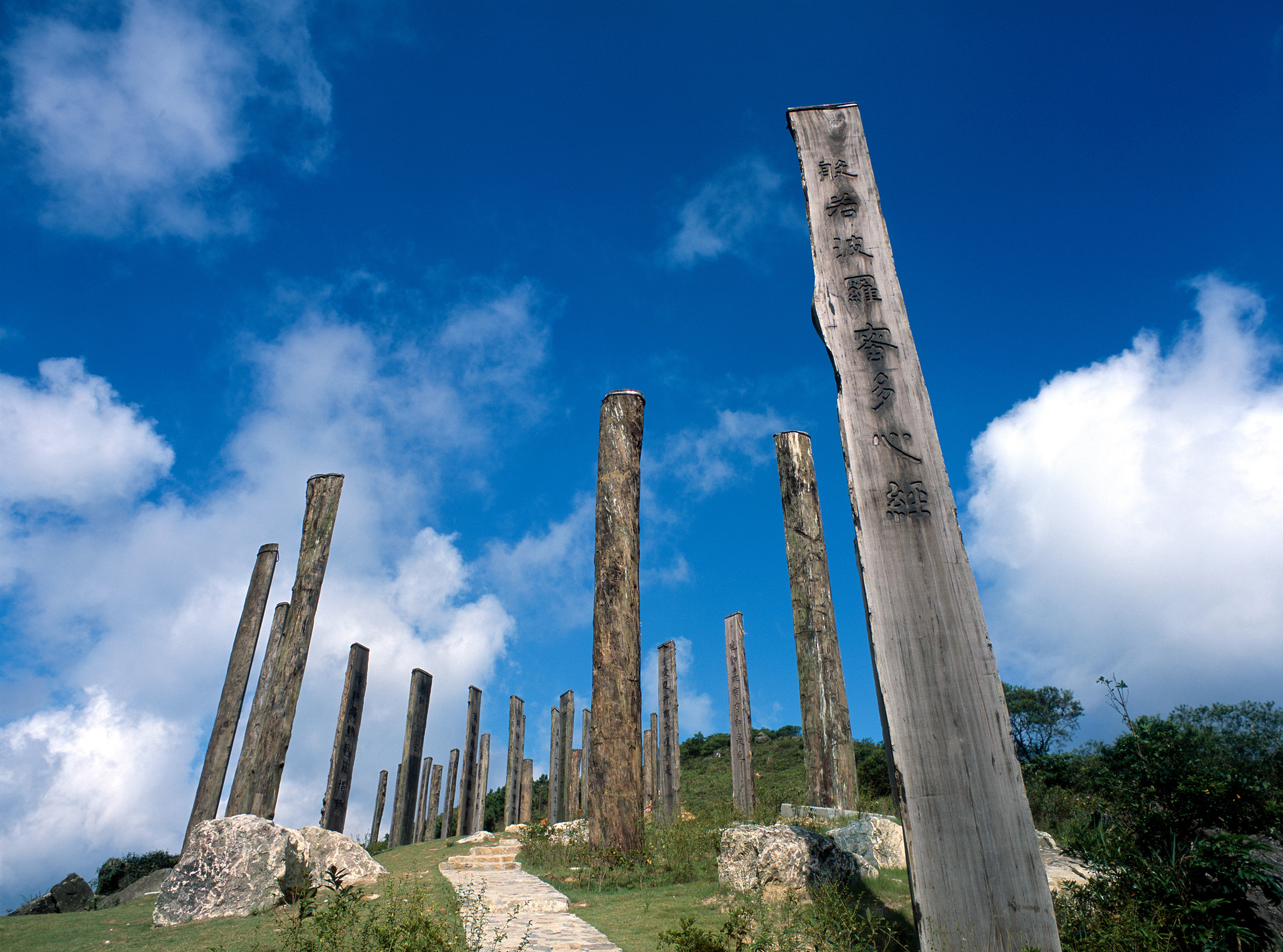 |
Each stele is carved with a section of the Heart Sutra in Chinese calligraphy by scholar Jao Tsung-I, one of Hong Kong's leading sinologists. The original text, devoid of punctuation, embodies Buddhist philosophies on wisdom, impermanence, and liberation from attachment.
The Wisdom Path's environment remains largely pristine, with no fences or auxiliary structures, offering only a walking trail through grass, trees, and mountain breezes. Visitors often stroll slowly, reading the sutra verses and listening to the wind and the monastery bells.
 |
Ngong Ping 360 cable car: After visiting the previous attractions, travelers can take the Ngong Ping 360 cable car to reach Ngong Ping Village. Constructed in 2004 and inaugurated in 2006 with an investment of approximately one billion HKD, the 5,7 km cable line connects the Tung Chung new town in northwest Lantau Island to Ngong Ping Village. It offers panoramic views of Chek Lap Kok Airport, the Lantau Sea, and the lush green mountains.
 |
For enhanced views and a thrilling experience, visitors can choose the "Crystal Cabin," which features a transparent glass bottom, offering full panoramic natural vistas from over 500 m.
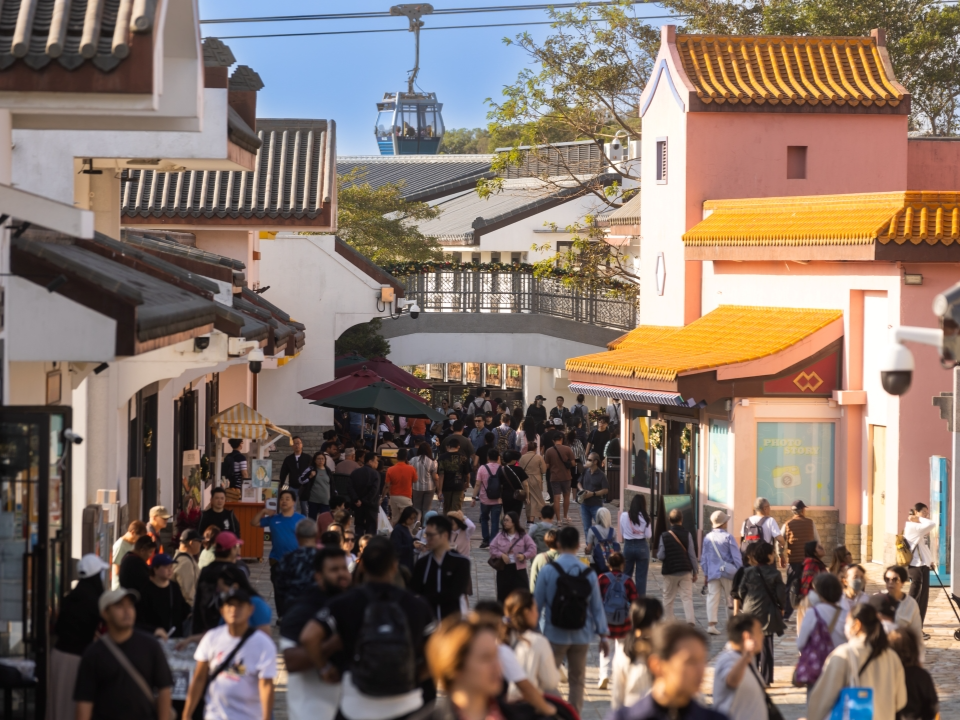 |
Ngong Ping Village: The cable car's terminus is Ngong Ping Village, a cultural hub that recreates ancient architecture, complete with eateries, souvenir shops, and performance areas. Visitors can sample popular Hong Kong street foods familiar from films, such as: egg tarts, "stocking" milk tea, curry fish balls, or stinky tofu, alongside traditional wonton noodle and dim sum restaurants.
Visitors can also rent traditional costumes or Hanfu for photos at the archways, watch the "Walking with Buddha" show, which introduces the life of Buddha, or purchase souvenirs like: mini Buddha statues, calligraphy paper fans, and cable car keychains.
By Thy An
Photos by Hong Kong Tourism Board


