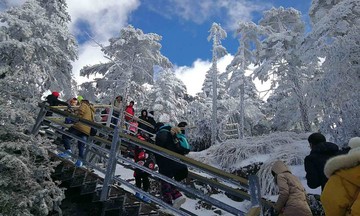
The phenomenon of passengers gathering too early at the boarding gate, even before their group is called, or hastily standing up to occupy the middle aisle as soon as the plane touches the runway, is often referred to as "Aisle Lice" by international travel and aviation forums.
This behavior is not simply impatience; it is a complex psychological response to shifts in the global aviation industry.
According to data from IdeaWorksCompany, an organization specializing in airline ancillary revenue research, global revenue from baggage fees has seen significant growth, estimated at around 33 billion USD annually. The increased collection of checked baggage fees by airlines has directly changed consumer behavior, encouraging passengers to optimize their carry-on luggage to save costs.
 |
Passengers queue to disembark a plane. Photo: iStock |
Overhead storage on planes is limited. Many passengers worry that if they do not board early, the bins will fill up, forcing them to gate check their luggage. This not only causes them to lose time waiting at the baggage carousel upon arrival but also increases the risk of lost items. This pressure transforms the boarding gate area into a competitive scramble for space, despite airlines having already organized passengers into groups.
From a travel psychology perspective, this rush often stems from anxiety about personal space. When passengers see a group start to stand up and queue, others develop a fear of missing out or being left behind. This leads to entire crowds jostling, even though waiting an additional 15-20 minutes does not make the flight depart any faster.
The haste of some passengers inadvertently obstructs the path of genuinely priority passengers, such as disabled individuals, the elderly, or business class travelers. At some international airports, airlines like American Airlines have piloted control technology at boarding gates. If a passenger scans their boarding pass before their group is called, the system emits an alert sound, and ground staff ask the passenger to return to the waiting area.
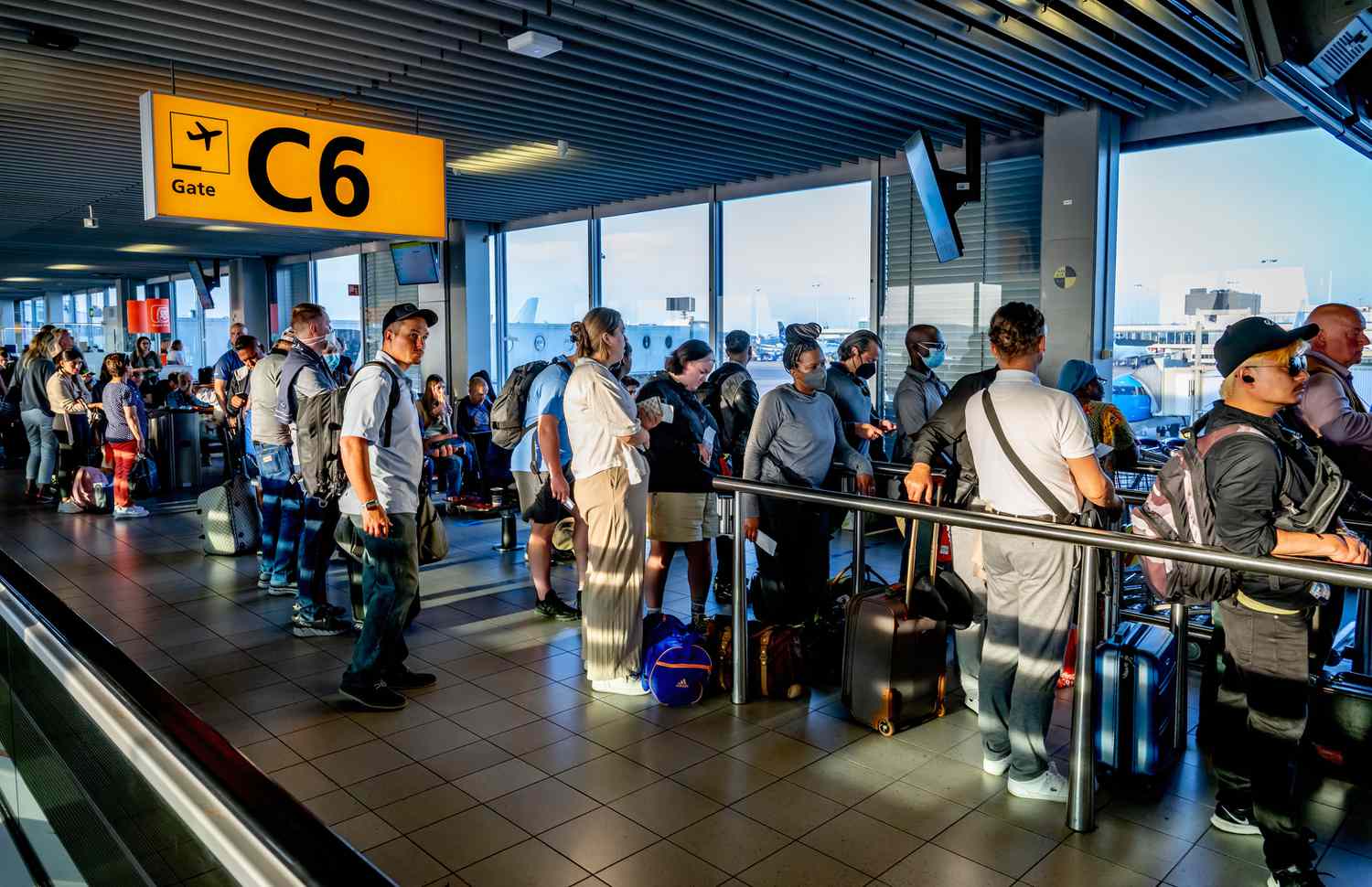 |
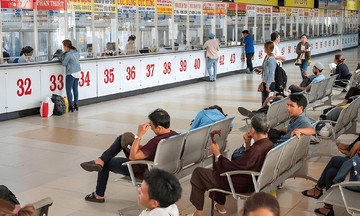
Passengers queue for check-in. Photo: Robin Utrecht / SOPA Images |
United Airlines and Delta also optimize overhead bin dimensions on new aircraft models to alleviate psychological pressure on passengers.
This hurried behavior does not end when the plane takes off. When the plane touches the runway, and before the seatbelt sign turns off, long lines of passengers stand up and occupy the middle aisle. According to aviation etiquette consultants, this action frequently results in bags bumping into the shoulders or heads of those seated in aisle seats.
Diane Gottsmn, an etiquette expert and founder of The Protocol School of Texas (US), argues that waiting in the aisle, hunched over for 10-15 minutes, does not help passengers exit the plane faster. Emergency exits open only after safety procedures are completed and the jet bridge is securely connected.
The desire to quickly escape the confined space after a long flight makes it difficult for many to maintain patience, creating unnecessary crowding just before the journey ends.
Aviation experts say that to address the issue of airport haste effectively, a concerted effort from both sides is needed. Airlines must optimize baggage management processes and establish more transparent information systems to alleviate psychological pressure on passengers. Conversely, each passenger needs to cultivate modern queuing etiquette and the necessary patience.
Mai Phuong (According to DW, NY Post)