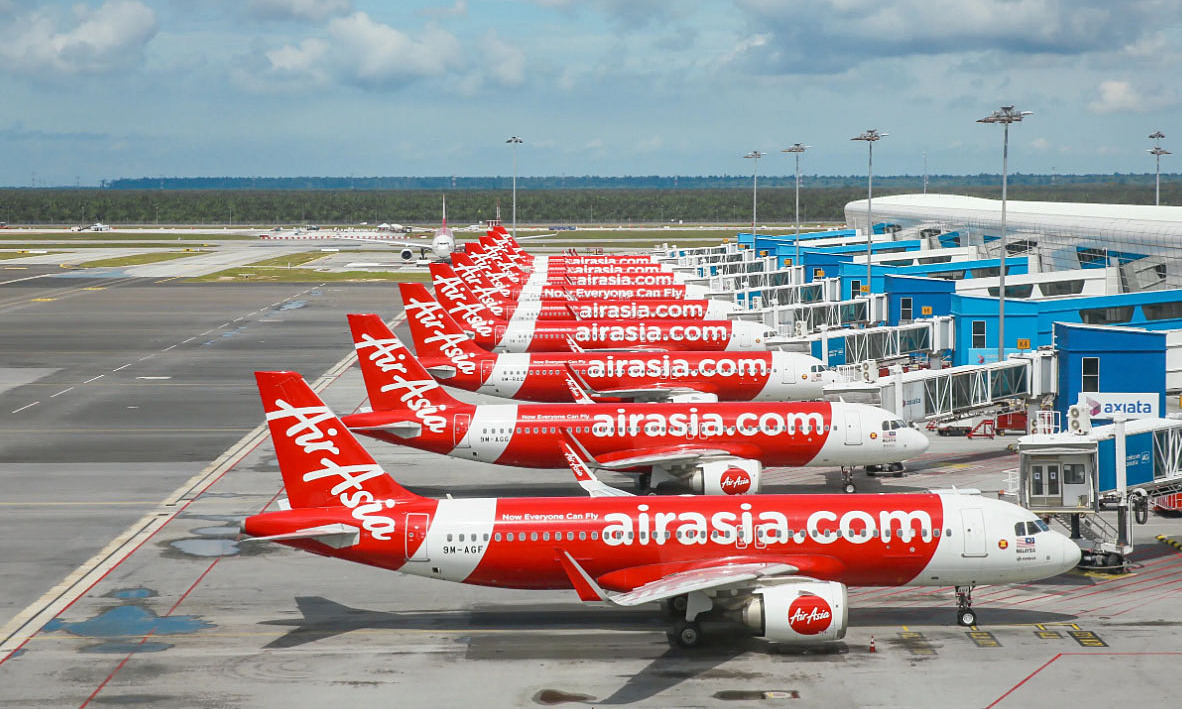
Beginning in February, nine major coffee chains in Thailand pledged to reduce the default sugar content by 50% in some of their beverages, including coffee and tea. This initiative is a preliminary step towards changing consumer behavior, although some customers expressed confusion about how to order drinks with their accustomed sweetness levels.
Thais consume an average of 21 teaspoons of sugar daily, more than three times the World Health Organization (WHO) recommended limit of six teaspoons per day. This high consumption significantly increases the risk of obesity, diabetes, and other health issues. Data from 2025 indicates that approximately 45% of Thais aged 15 years and above are obese, and 10% of the population suffers from diabetes.
A survey by the Department of Nutrition revealed that a 650 ml glass of iced coffee contains an average of nine teaspoons of sugar, while a 300 ml bubble tea can contain up to 12 teaspoons.
On Thaiger's Asean Now forum, a user named Jarvis previously complained about the excessive sugar in Thai food, receiving hundreds of supportive comments. Jarvis recounted how the situation became "more severe" in Pattaya, where sugar was sprinkled on French fries and sweetened condensed milk was added to egg dishes.
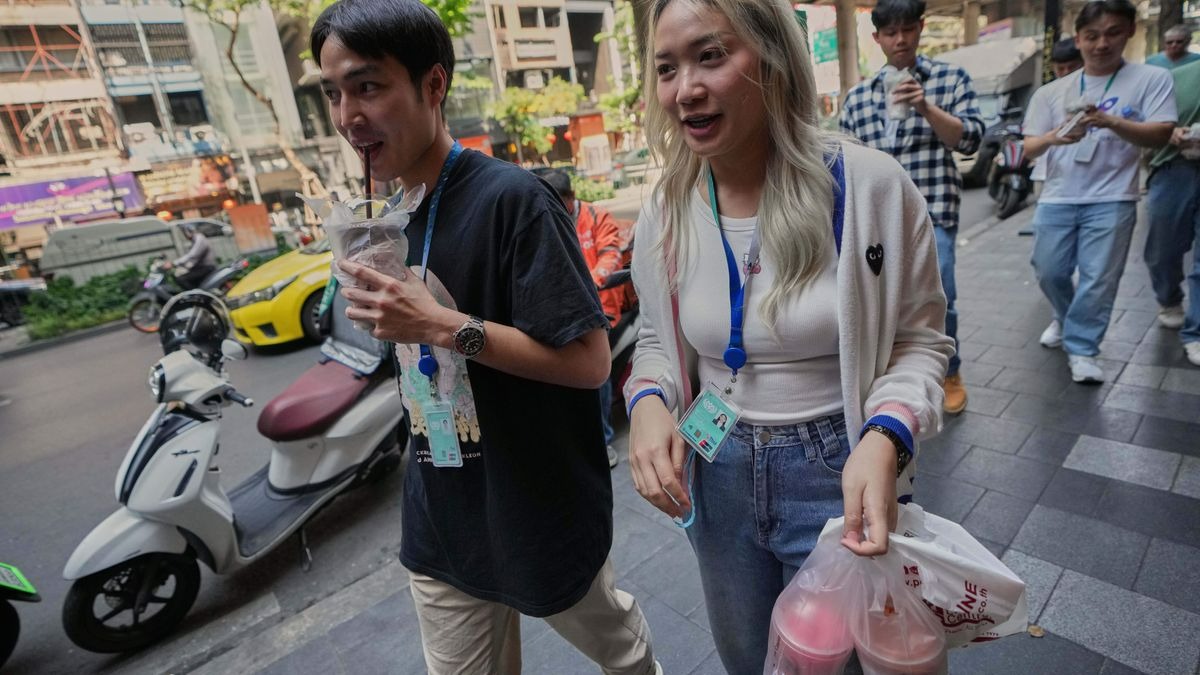 |
Thais drink bubble tea on the streets of Bangkok. *Wral* |
Thai cuisine is renowned for its harmonious balance of sour, spicy, salty, and sweet flavors, yet the sweet taste often dominates. Iced coffee is notably sweet, bubble tea is "overflowing" with sugar, and even pad Thai often has palm sugar added. Many savory dishes are also sweetened to enhance overall flavor balance.
According to WHO guidelines, free sugars (sugars added to food/drinks; sugars in honey, syrups, fruit juices, and concentrated fruit juices, excluding natural sugars in fresh fruit or milk) should constitute less than 10% of daily energy intake. Specific recommendations include: four teaspoons for young children, six teaspoons for adolescents and adults, and up to eight teaspoons for those engaged in heavy labor.
Before a nutrition campaign in 1932, which promoted increased protein and reduced rice consumption, the primary flavors in Thai cuisine were salty and spicy. At that time, sugar was an imported commodity because domestic production facilities could not meet local demand.
According to Sidney W. Mintz's book, *Sweetness and Power*, sugar is more than just food; it is intertwined with economic and social power. Initially a luxury in Europe, it later became a daily staple that helped shape the modern economy. In Thailand, sugar was seen as a significant opportunity to boost production and exports, particularly during the era of Prime Minister Sarit Thanarat.
The number of sugar factories increased from 21 facilities in 1948 to 42 facilities in 1959, leading to a severe surplus. The government at the time enacted the Sugar Industry Act in 1961 to subsidize the industry, though many argued this was an opportunistic move rather than a long-term solution.
When supply exceeded demand, the state encouraged increased sugar consumption among the populace and offered preferential prices to the food and beverage industries. This campaign intensified from the 1960s to the 1970s, aiming to drive up consumption to balance production output.
As a result, sugar was incorporated into most foods and beverages, leading Thais to gradually accustom themselves to sweet flavors from an early age and use sugar to balance sour and salty tastes in cooking. Despite a period of reduction due to health campaigns, over 60 years of continuous use have unconsciously made the Thai palate "addicted to sweetness." This issue was addressed temporarily, swept under the rug, leading to long-term consequences that affect current eating habits.
Other explanations were also discussed on Pantip, Thailand's largest online discussion forum. In the highly competitive culinary industry, creating a distinct impression or making customers "addicted" is crucial. Increasing sweetness can be a simple and quick way to stimulate appetite and satisfaction, as sweetness is linked to pleasure and simple palatability in the brain, encouraging customers to return for more.
Sugar is an inexpensive and readily available ingredient. Beyond its sweet taste, sugar also improves texture, preserves food, and creates appealing colors. Higher usage can be an economical and convenient choice for businesses, helping to control costs and maintain consistent quality.
Glucose from sugar is an essential energy source for blood cells and the brain. However, the body should obtain glucose from complex carbohydrates like rice, flour, and grains rather than refined sugar. Refined sugar is only beneficial when the body experiences prolonged food deprivation, a rare situation in modern life.
Sugar is not easily excreted but is absorbed and stored as glycogen in the kidneys. When blood sugar levels are high due to poor kidney processing, glucose spills into the urine; diabetes is the most common cause.
The sugar reduction initiative, which began in February, reflects growing concerns about a public health crisis in Thailand, where sugary drinks like iced coffee and bubble tea have become an integral part of many people's daily diets.
Hoai Anh (According to SCMP, Pantip, Wongnai)