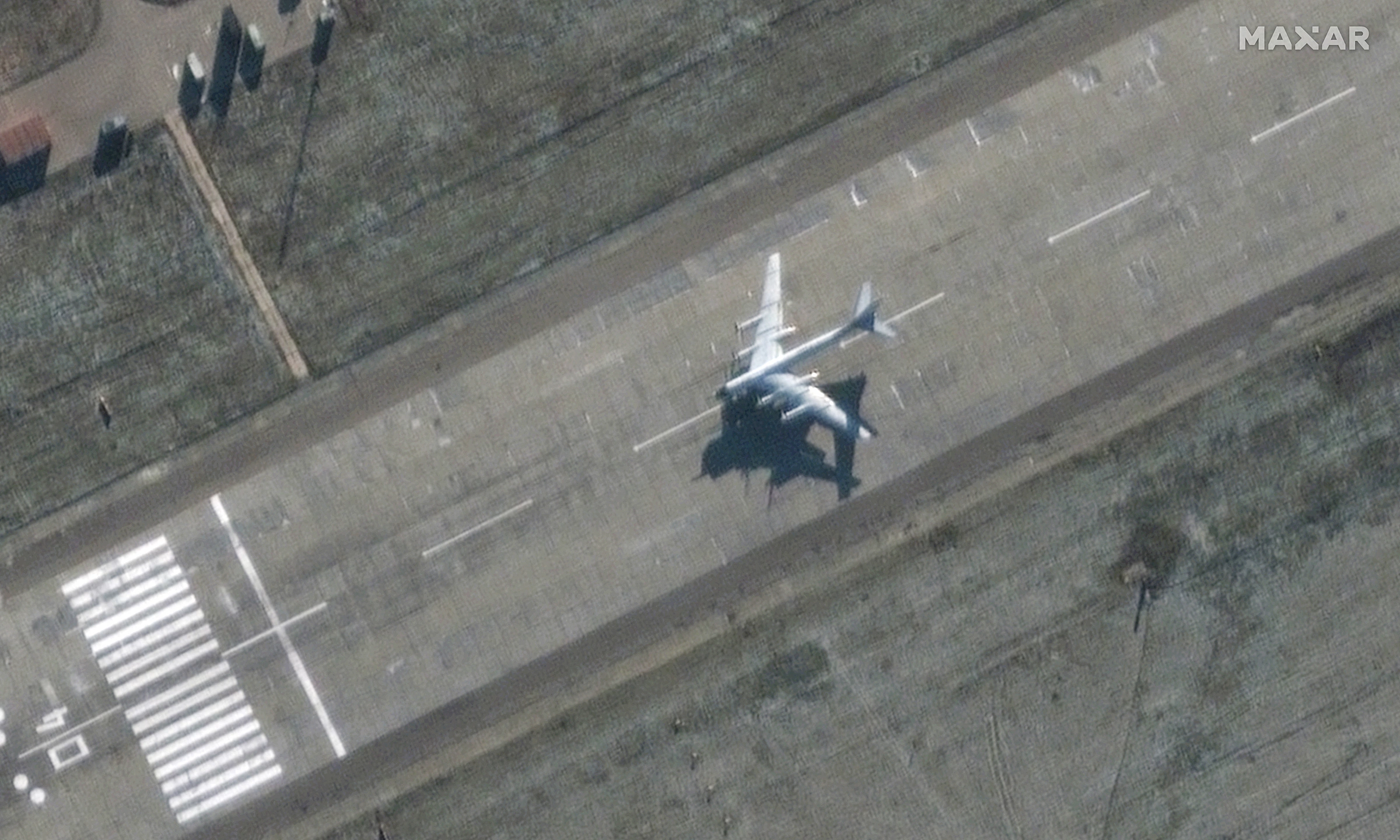
"Another power and desalination plant was targeted in a hostile attack, with a fire breaking out in one area of the facility," Kuwait's Ministry of Electricity, Water and Renewable Energy announced today.
In Kuwait, approximately 90% of its drinking water comes from desalination plants. Desalination removes salt from seawater, most commonly by forcing water through ultra-fine membranes in a reverse osmosis process.
Kuwaiti officials implemented "precautionary measures" to address the fire, including disconnecting some power generators. A Kuwaiti power and desalination plant was also attacked on 17/7, prompting the government to urge citizens to conserve electricity.
Iranian officials have not commented on the information.
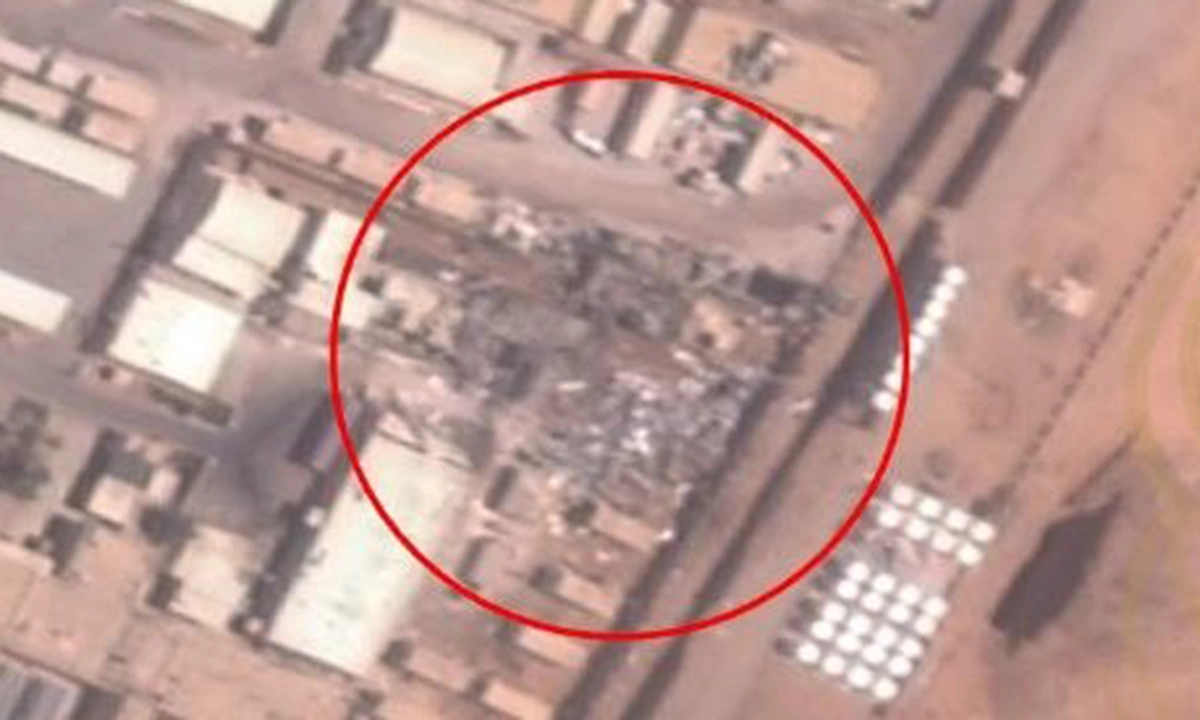
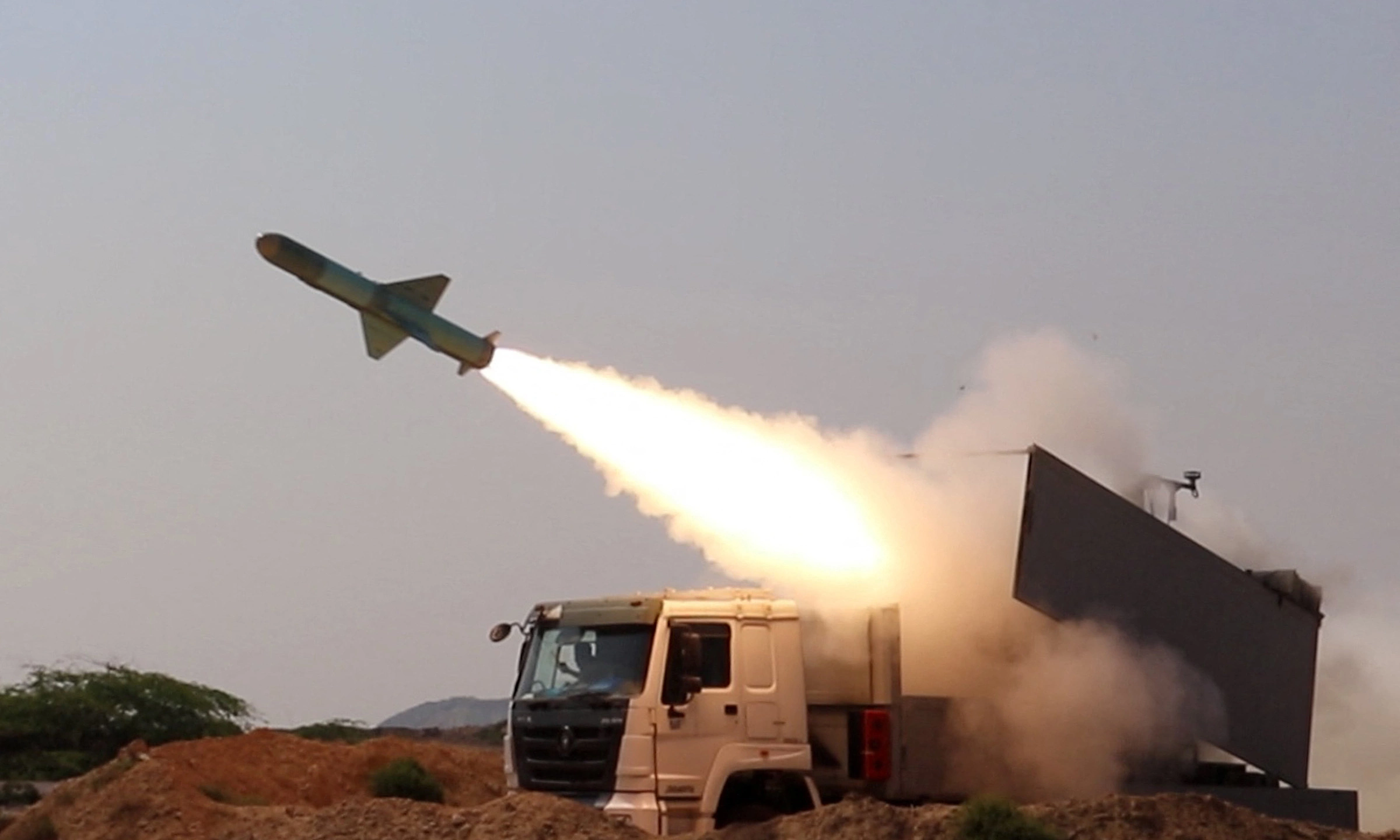
Iran's Islamic Revolutionary Guard Corps (IRGC) previously announced it deployed missiles and drones to attack "hangars, parking areas, and fuel tanks of the US military at Isa air base," along with several bridges in Bahrain and a US naval supply base in Al-Ahmadi, Kuwait.
The IRGC claimed it destroyed an enemy intelligence data center in Bahrain and a US communications center in Kuwait during the retaliatory strikes. Additionally, fuel tanks at the Al-Azraq base in Jordan were also targeted.
The Jordanian military announced it intercepted 10 Iranian missiles flying into its airspace and targeting its territory. "There were no damages or casualties in the attack," the Jordanian military stated.
US Central Command (CENTCOM), the agency responsible for US military operations in the Middle East, has not commented on Iran's information. CENTCOM stated that US forces attacked Iranian surveillance sites, military logistics infrastructure, underground weapons depots, and maritime operational capabilities for the seventh consecutive night.
These attacks occurred after Iran accused the US military of striking airports, railway stations, and several bridges in the country's south. Iran also warned it would escalate to a full-scale offensive in response if the US continued airstrikes for a few more days.
The Gulf region had experienced three weeks of calm after the US and Iran signed a memorandum in June. Tensions then escalated when the US, in coordination with Oman and the International Maritime Organization (IMO), established a new route south of the Hormuz Strait, encouraging cargo ships to choose a path entirely within Omani territorial waters.
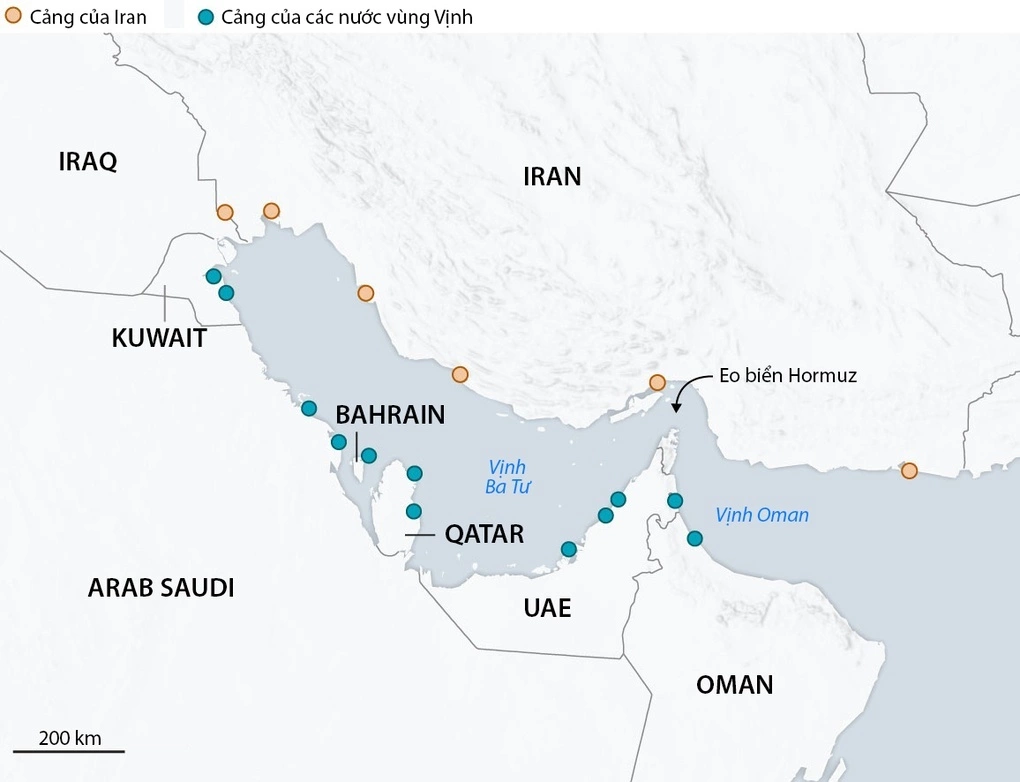 |
Location of the Hormuz Strait and Gulf countries. Graphic: WSJ |
Iran accused the US of "imposing its will" on the Omani government by attempting to route numerous vessels through the Hormuz Strait via an "illegal shipping lane" in the southern part of the area. Many cargo ships were attacked while transiting Hormuz, leading to tit-for-tat strikes between Iran and the US.
After fighting resumed, the US reimposed a blockade on Iran's seaports. In response, the IRGC threatened to cut off all energy exports from the Middle East.
Nguyen Tien (According to AFP, AP, Reuters, Tasnim)