"We know that one of the two suspects held a legal firearm license and had up to 6 guns, despite living right in a Sydney suburb... There is no reason for someone in that situation to need so many guns," Australian Prime Minister Anthony Albanese told reporters today, referring to Sajid Akram, a suspect in the Bondi beach shooting on 14/12.
Sajid, along with his 24-year-old son Naveed Akram, used rifles and hunting guns to shoot into a crowd of over 1,000 people gathered on the beach for the Jewish Hanukkah festival. Police at the scene, armed only with handguns, took a long time to neutralize the two suspects.
According to Prime Minister Albanese, Australians currently own over 4 million guns, even though the country enforces strict gun control laws.
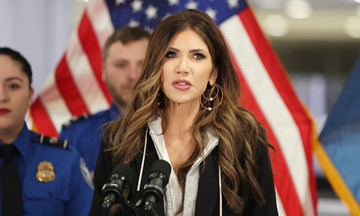
"If we want to reduce the number of firearms, a buy-back scheme is part of the solution," added Australian Federal Police Commissioner Krissy Barrett.
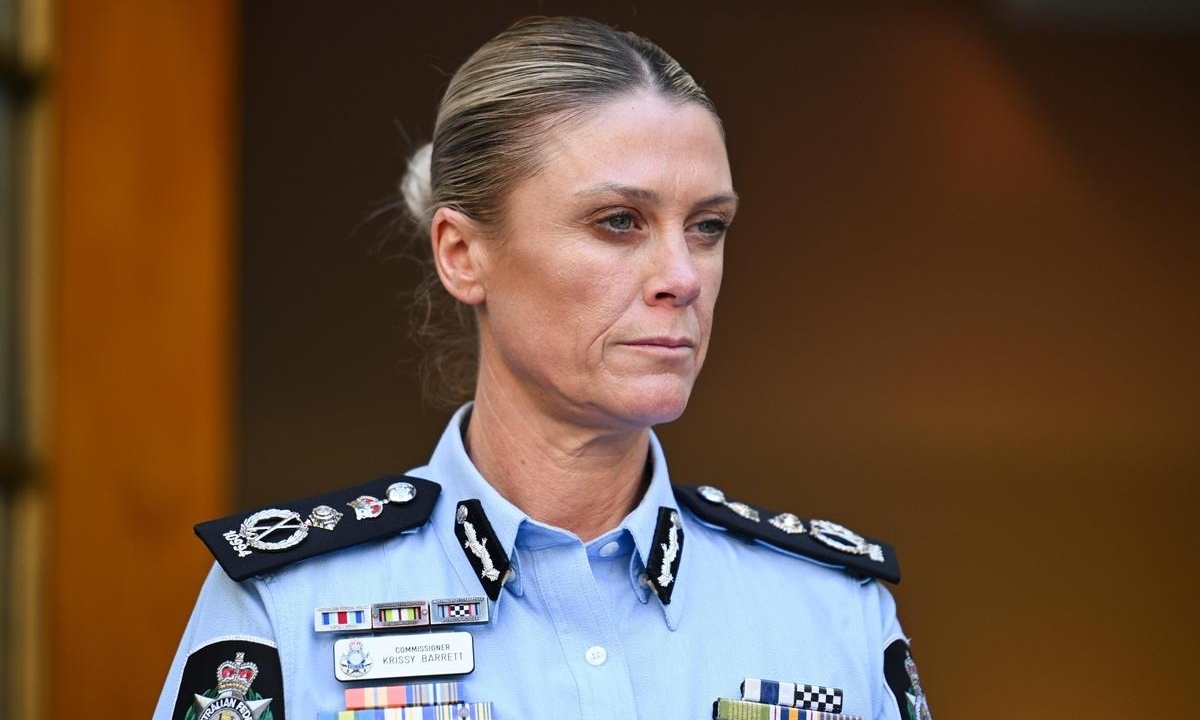 |
Australian Federal Police Commissioner Krissy Barrett. Photo: NewsWire
Under the plan, Australian authorities will buy back surplus, newly prohibited, and illegal firearms, with funding split 50-50 between the federal government and the states. The government estimates this effort could collect and destroy hundreds of thousands of guns.
The national cabinet has also agreed to impose limits on the number of guns an individual can own, restrict indefinite gun licenses and certain legal firearm types, and require applicants for gun ownership permits to hold Australian citizenship.
The government has agreed to accelerate the development of a national firearms database, and gun regulatory agencies will gain better access to criminal intelligence information.
The Bondi beach shooting in Sydney resulted in 15 deaths and dozens of injuries, making it the deadliest tragedy in Australia since the Port Arthur shooting in April 1996. Prime Minister Albanese stated that the suspect "deliberately targeted the Jewish community on the first day of Hanukkah".
By Vu Hoang (According to BBC, AFP, Reuters)