The Israel Defense Forces (IDF) announced on 16/5 that they had killed Izz al-Din al-Haddad, the leader of Hamas's armed wing, in an attack the previous day. The Israeli Air Force reportedly dropped a total of 13 bombs, targeting an apartment building in the Remal area of Gaza City, and a vehicle leaving the scene.
The strike occurred in a densely populated area, resulting in the deaths of 7 Palestinians, including women and children. 50 people were also injured in the incident.
Hamas later confirmed Haddad's death, acknowledging it as a "great loss" but stating that the Gaza armed group would continue its "long journey of resistance."
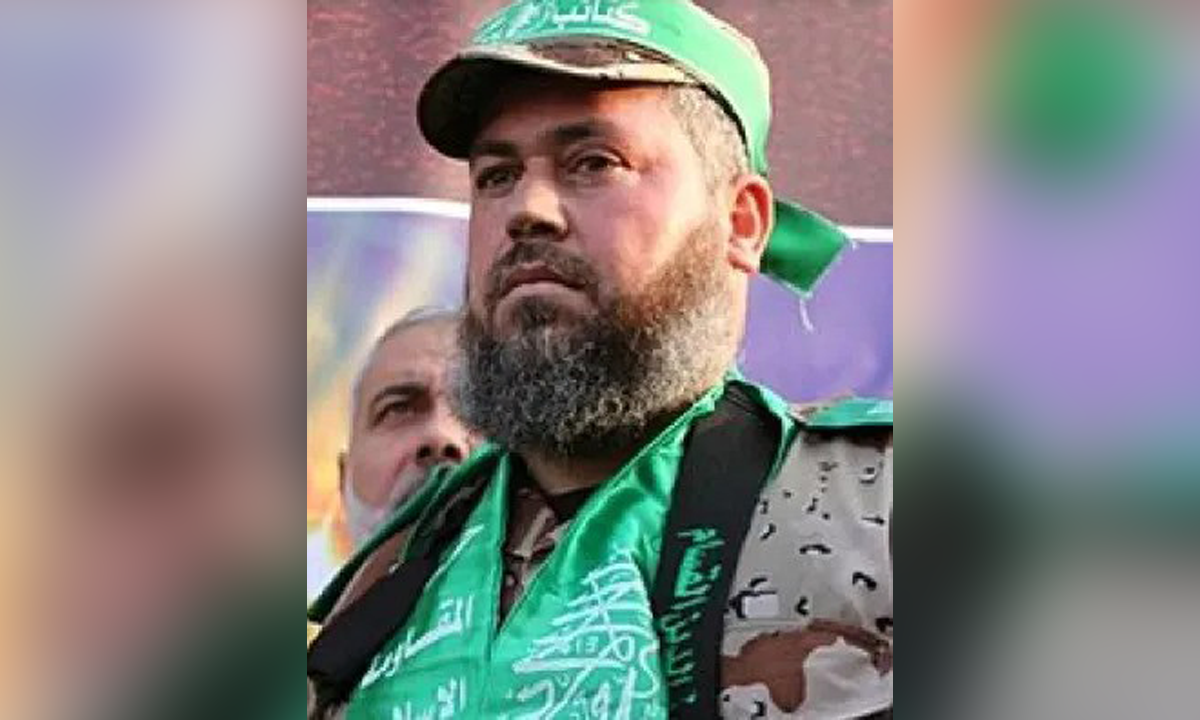 |
Izz al-Din al-Haddad, leader of Hamas's armed wing. Photo: IDF
Born in the early 1970s, Haddad joined Hamas immediately upon the group's formation in 1987. He rose from an infantryman to command the Gaza City Brigade, overseeing 6 battalions.
Haddad played a crucial role in establishing al-Majd, Hamas's internal security unit tasked with tracking down collaborators with Israeli intelligence. He earned the nickname "the ghost" for surviving multiple assassination attempts, including bombings of his home in 2009, 2012, 2021, and three other attempts during the current conflict.
Haddad left a significant strategic imprint on Hamas's 10/2023 attack on southern Israel. He directly oversaw the effort to breach the eastern barrier and commanded elite units that attacked the Re'im military base and the Fajja outpost.
Haddad reportedly handed local commanders a document detailing the attack plan and orders to capture Israeli soldiers, hours before the assault began.
Haddad's son, Suhaib, was killed in an Israeli airstrike in 1/2025, but Haddad survived and continued to manage the group's operations and oversee Israeli prisoners until a ceasefire agreement was reached.
Haddad took over as leader of the al-Qassam Brigades, Hamas's armed wing, in 5/2025, after his predecessor, Mohammed Sinwar, was killed in an Israeli airstrike. The IDF described Haddad as "one of the last senior commanders" of the al-Qassam Brigades who participated in the 10/2023 attack.
The scene inside the apartment where Haddad was hiding in Gaza City after the Israeli bombing. Video: CNN
According to Al Jazeera, Haddad became a key military official responsible for managing Hamas's war against Israel after previous al-Qassam Brigades commanders like Mohammed Deif, Marwan Issa, and Mohammed Sinwar were killed.
The Israeli military stated that Haddad had "worked to rebuild capabilities" for the al-Qassam Brigades before his death. IDF Commander Eyal Zamir called Haddad's killing a "significant operational achievement." He stated, "We will continue to pursue our enemies, attack, and hold all those involved in the 7/10/2023 massacre accountable."
Israeli military commentator Ron Ben-Yishai noted that Haddad's death does not mean Hamas will lose control of the Gaza Strip, but it severely damages the morale of the group's leadership, as well as its ability to lead and make decisions on crucial issues like disarmament.
Political analyst Saeed Ziad also believed that Haddad's killing was a "strong symbolic and moral blow" to the Palestinian people, but he assessed that the impact on Hamas's operational capabilities would be limited.
Ziad explained that the al-Qassam Brigades are not built on a hierarchical, sequential structure but on a parallel model. "Over the past two decades, Hamas has transformed into a decentralized guerrilla force. Units operate independently, are self-sufficient, and have their own logistics and combat doctrine," Ziad said.
Even without a commander, Hamas's brigades and battalions are not paralyzed because they know their missions well and have sufficient resources to carry out tasks independently.
Ziad pointed out that Haddad successfully utilized the ceasefire reached in 10/2025 to rebuild the group's infrastructure. "Over the past 200 days, he rebuilt the group's capabilities, including tunnel systems, weaponry, and combat formations, enabling them to once again possess self-defense capabilities," the analyst noted.
Israeli officials claim they are on the verge of dismantling Hamas's central command, with only two members of the group's military council, Mohammed Owda and Imad Aqel, surviving before the conflict erupted.
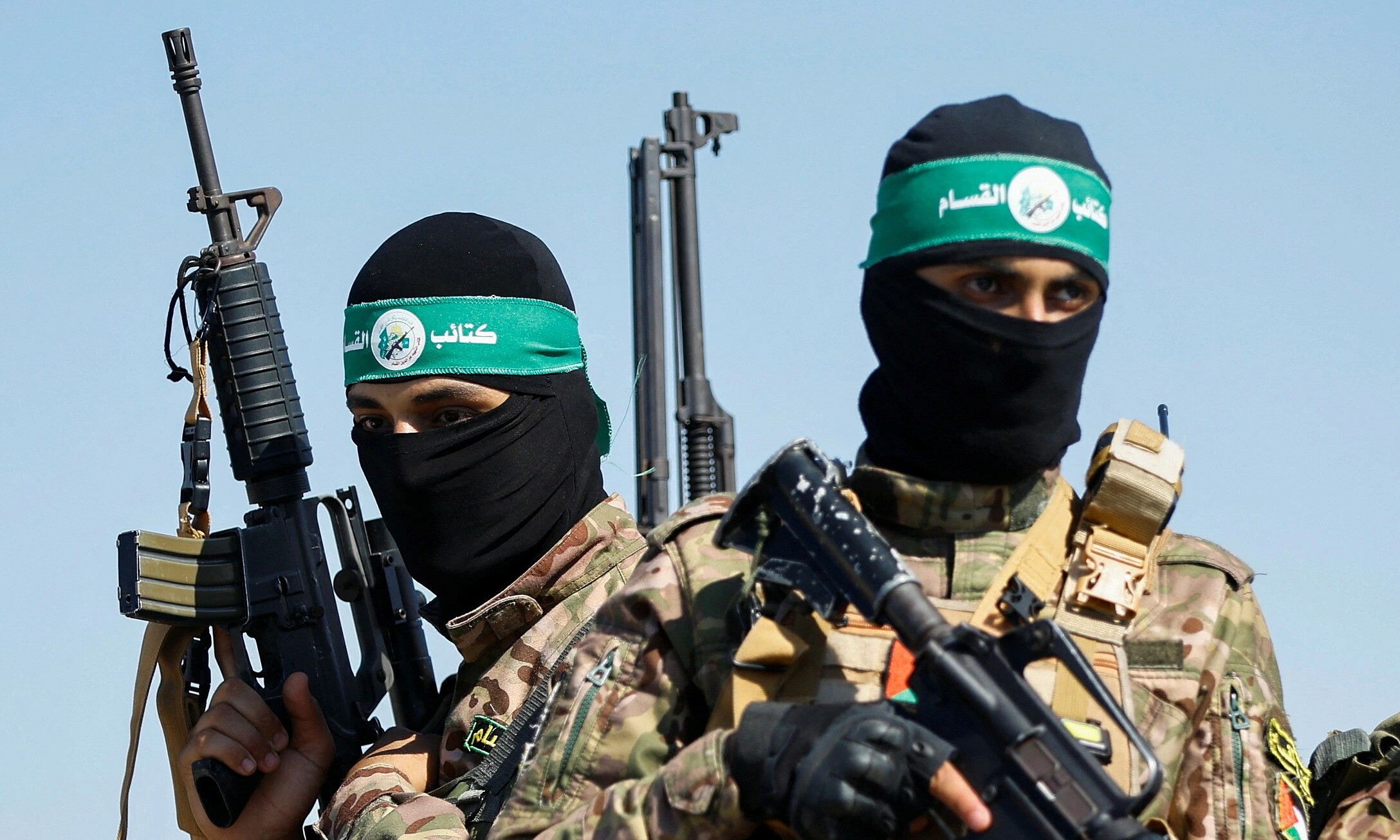 |
Hamas gunmen in the Gaza Strip in 7/2023. Photo: Reuters
Analysts believe the al-Qassam Brigades have ample personnel, with approximately 50,000 fighters before the conflict, and have established a robust succession process, allowing them to recover quickly after commanders are killed.
Saudi Arabia's Asharq Al-Awsat newspaper reported on 18/5 that Hamas intelligence leader Mohammed Odeh had been chosen to replace Haddad in managing operations in Gaza and commanding the al-Qassam Brigades.
Expert Ziad stated that the al-Qassam Brigades would only take a few days, not months, to reorganize its central command after Haddad's death. He added, "The armed group appoints three deputies for each incumbent commander, from general commander to platoon leader. The process of filling these positions is very rapid."