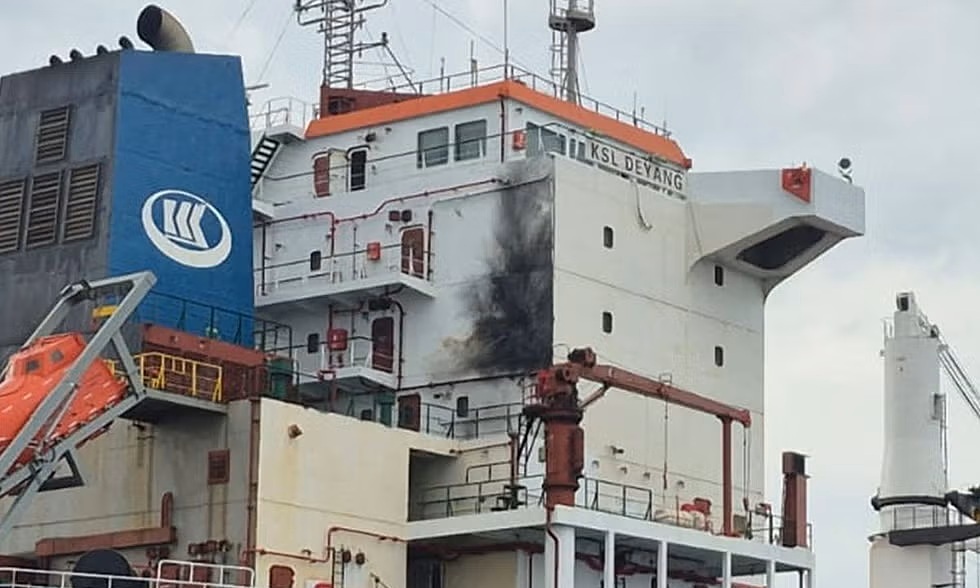
A fire broke out on the night of 17/5 in the generator area of the Barakah nuclear power plant, located in the Al Dhafra region of the United Arab Emirates (UAE). This incident followed an attack by unmanned aerial vehicles (UAVs), with the fire occurring near the plant's inner security perimeter.
On 19/5, the UAE Ministry of Defense reported that the country had experienced 6 drone attacks originating from Iraq within 48 hours. At least three of these drones targeted the Barakah plant. While UAE forces intercepted most of the incoming UAVs, one managed to get through. Iraq is known as a base for pro-Iran militia groups, which have previously claimed responsibility for numerous attacks on "enemy bases in Iraq and the region" during the US-Israel conflict with Iran.
During a United Nations Security Council meeting in New York on 19/5, UAE Ambassador to the United Nations Mohamed Abushahab confirmed that the attack did not result in any radioactive leakage.
"The Barakah nuclear power plant remains safe, stable, and operational, supplying up to 25% of the UAE's clean electricity. While there were no catastrophic consequences, this does not diminish the seriousness of the attack", he emphasized.
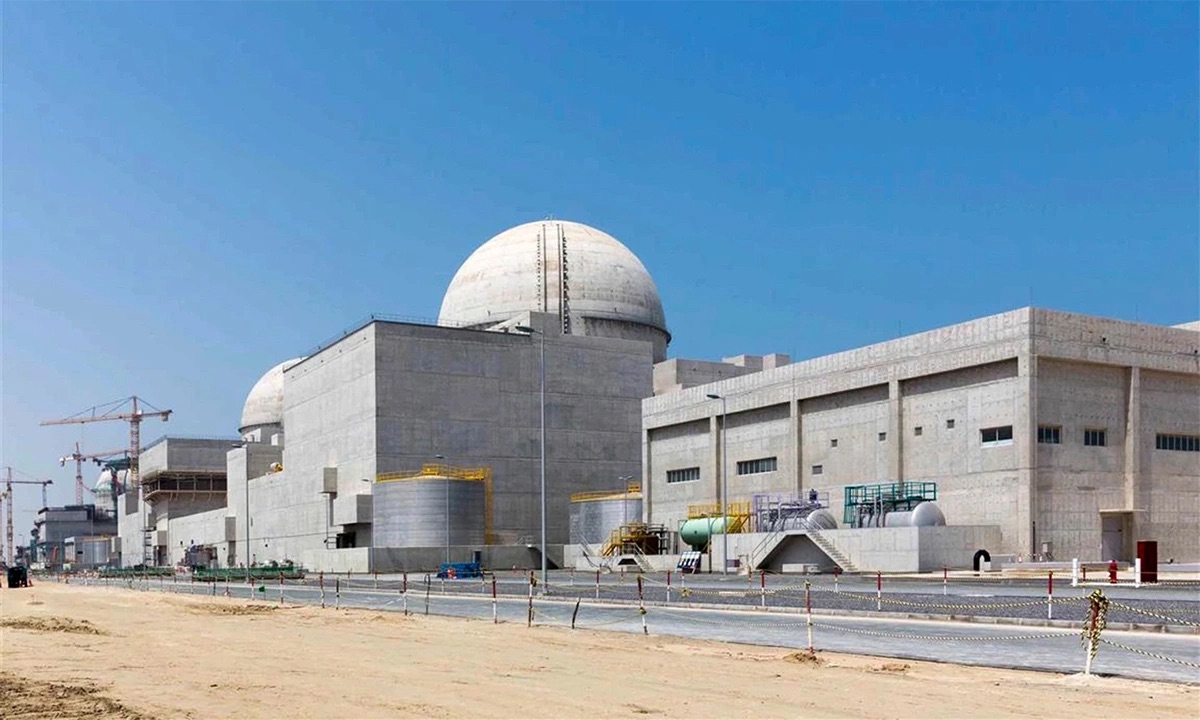 |
The Barakah nuclear power plant in the UAE during construction. Photo: *AP* |
Russian Ambassador to the United Nations Vassily Nebenzya declared that attacks targeting nuclear facilities used for peaceful purposes, regardless of the country, "are completely unacceptable." He stated that Moscow condemned the actions against the plant on UAE territory as they increase the risk of escalating regional tensions.
Nebenzya did not explicitly name those responsible but suggested the incident might not have occurred without the US-Israel military campaign against Iran. He also urged all parties to prevent similar dangerous incidents from reoccurring.
US Ambassador Mike Waltz sharply criticized the attack, accusing a regional country of using proxy forces to target the plant, implicitly referring to Iran and its allied militias. He described this as an "outrageous and unacceptable" act.
Chinese Ambassador to the UN Fu Cong expressed deep concern about the incident, emphasizing that the sovereignty, security, and territorial integrity of Gulf nations must be respected, and civilians and civilian facilities need protection.
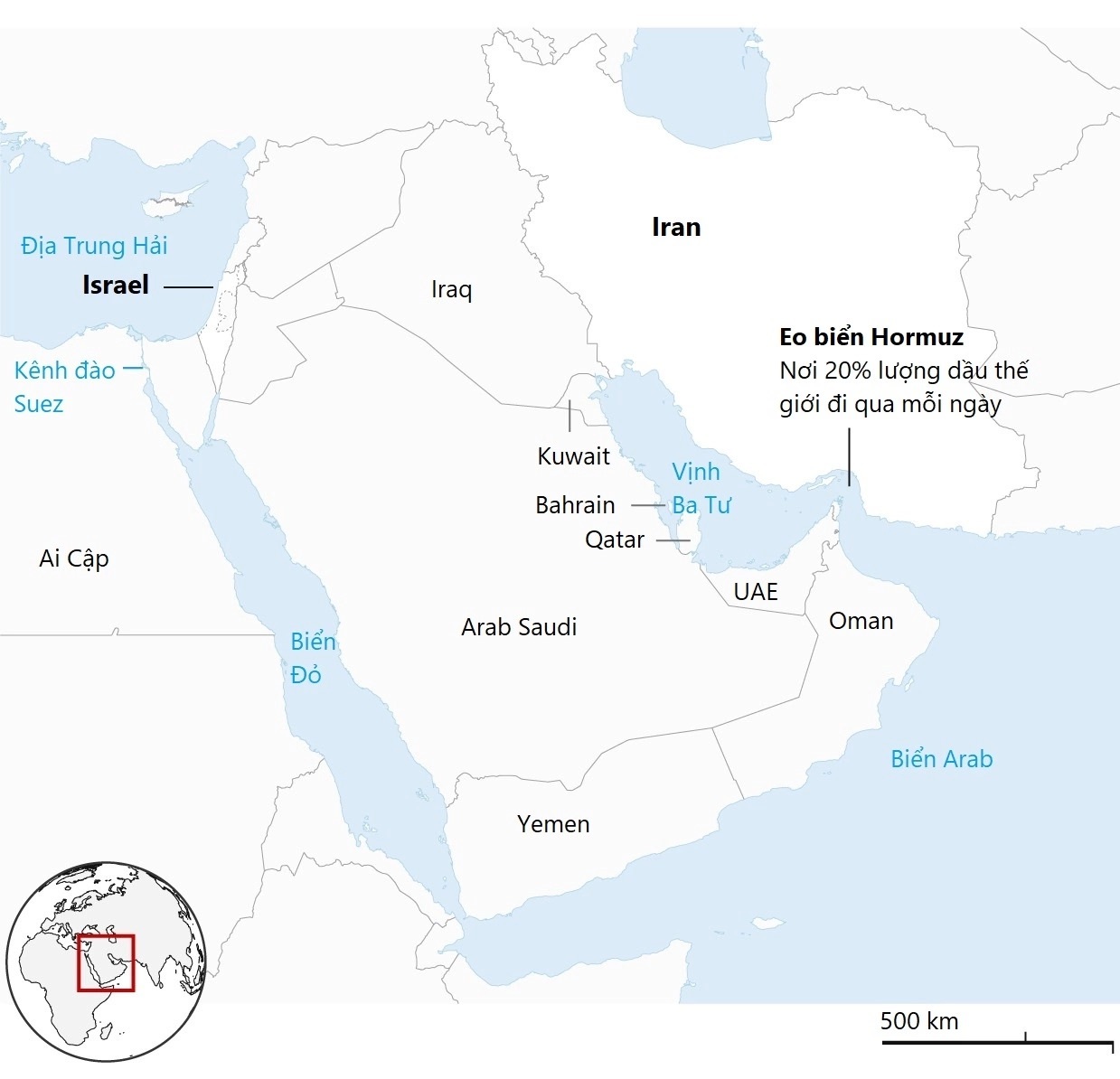 |
Location of Iran and the Strait of Hormuz. Graphics: *Guardian* |
International Atomic Energy Agency (IAEA) Director Rafael Grossi warned that the attack threatens the UAE's nuclear safety and causes significant concern in the Gulf region. According to him, if the Barakah plant were directly hit, the amount of radiation released into the environment could be substantial. If the plant's power supply system were disabled, the risk of a reactor core meltdown would increase.
Although the conflict involving Iran had de-escalated after a ceasefire in April, drone attacks originating from Iraqi territory against Gulf countries, including Saudi Arabia and Kuwait, have continued. Iraq has repeatedly asserted that its air defense system did not detect any aerial vehicles launched from its airspace.
Thanh Danh (According to AFP, Reuters, Gulf News)