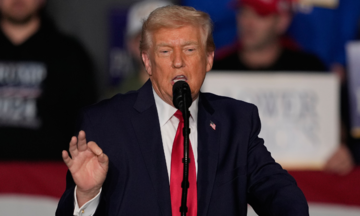
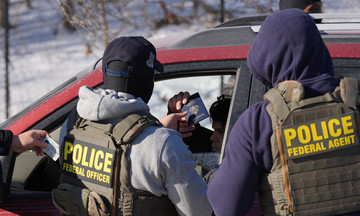
Globe and Mail, a leading Canadian newspaper, reported on 20/1 that two anonymous senior government officials indicated the Canadian Armed Forces are drawing up operational plans for a hypothetical scenario involving a military attack by its neighbor, the US. This development follows repeated public statements by former US President Donald Trump, who has openly threatened to annex Canada.
Specifically, Canadian military planners have outlined a hypothetical situation where US forces advance into Canadian territory from the south. They estimate that these forces could potentially overcome strategic land and sea positions within one week, or even as quickly as two days.
According to their assessment, Ottawa currently lacks sufficient troops and modern weapons to repel such an attack. Consequently, the Canadian military is considering an asymmetric warfare approach. This strategy would involve guerrilla groups and militias employing tactics such as ambushes, sabotage, unmanned aerial vehicle (UAV) operations, and attacks using improvised explosive devices. The objective of these tactics would be to inflict heavy casualties on US forces should they gain control of Canadian territory. One of the two sources revealed that this response scenario draws inspiration from tactics previously utilized by militants on the Afghanistan battlefield from 1979-1989. These are also the methods the Taliban employed during their 20-year war against the US and allied forces, including Canada. Out of 158 Canadian soldiers killed in Afghanistan between 2001 and 2014, many were victims of improvised explosive devices, also known as roadside bombs.
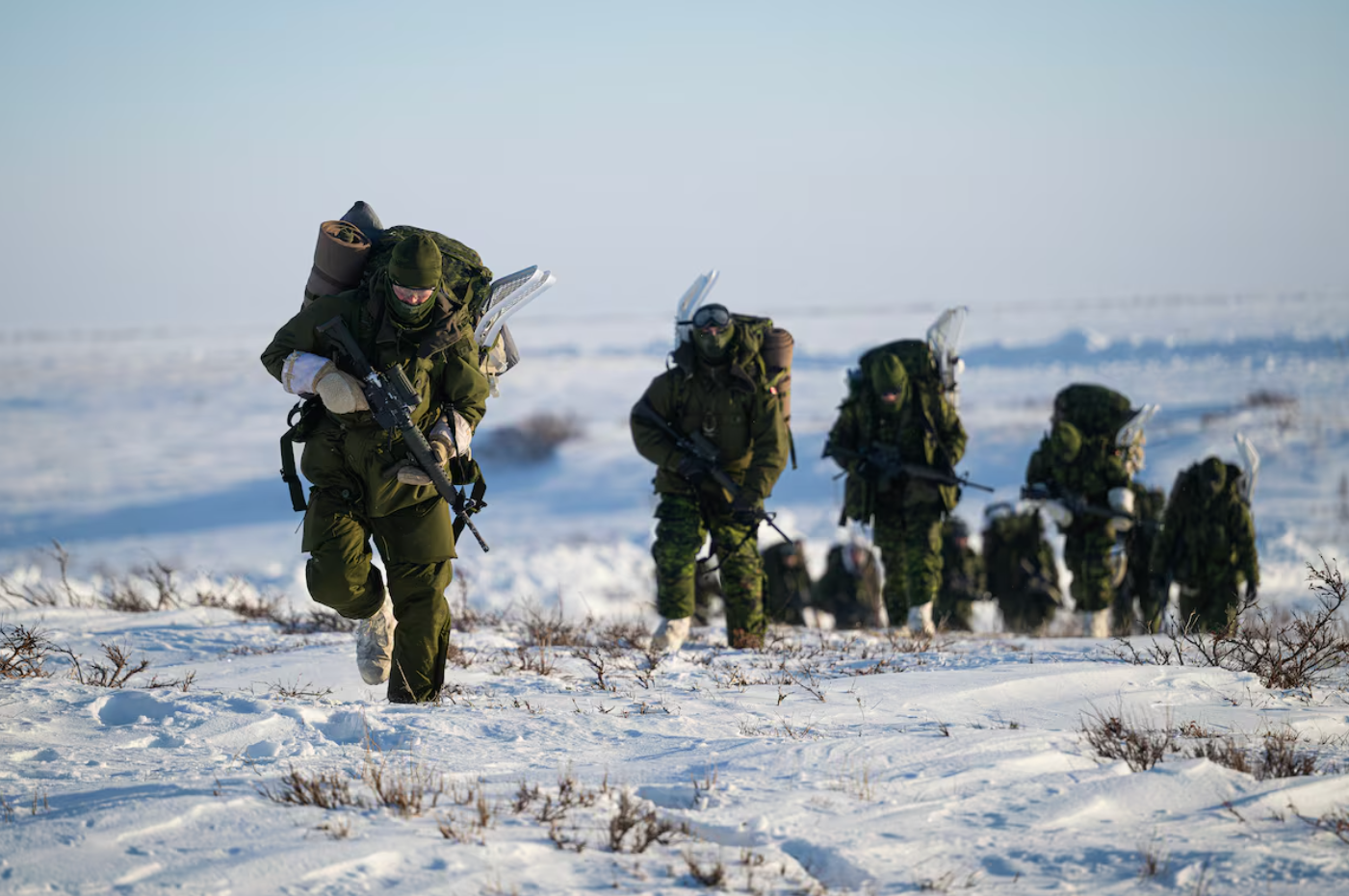 |
Canadian soldiers patrol the area around the NORAD satellite relay dome. Photo: G&M
Canadian military officials suggest that if the US intended to launch an attack, there would be clear indicators. These would include Washington terminating cooperation within the North American Aerospace Defense Command (NORAD) framework and issuing orders to control Canada by force. While the Canadian military has previously developed response scenarios for missile attacks from Russia or Trung Quoc, this marks the first instance of the country planning for the possibility of a US attack. Historically, in 1812, Canada, then a British colony, engaged in battle and repelled US forces attacking northward. However, the two nations subsequently became close allies, with Canada serving as a long-standing partner of the US in the North American defense system.
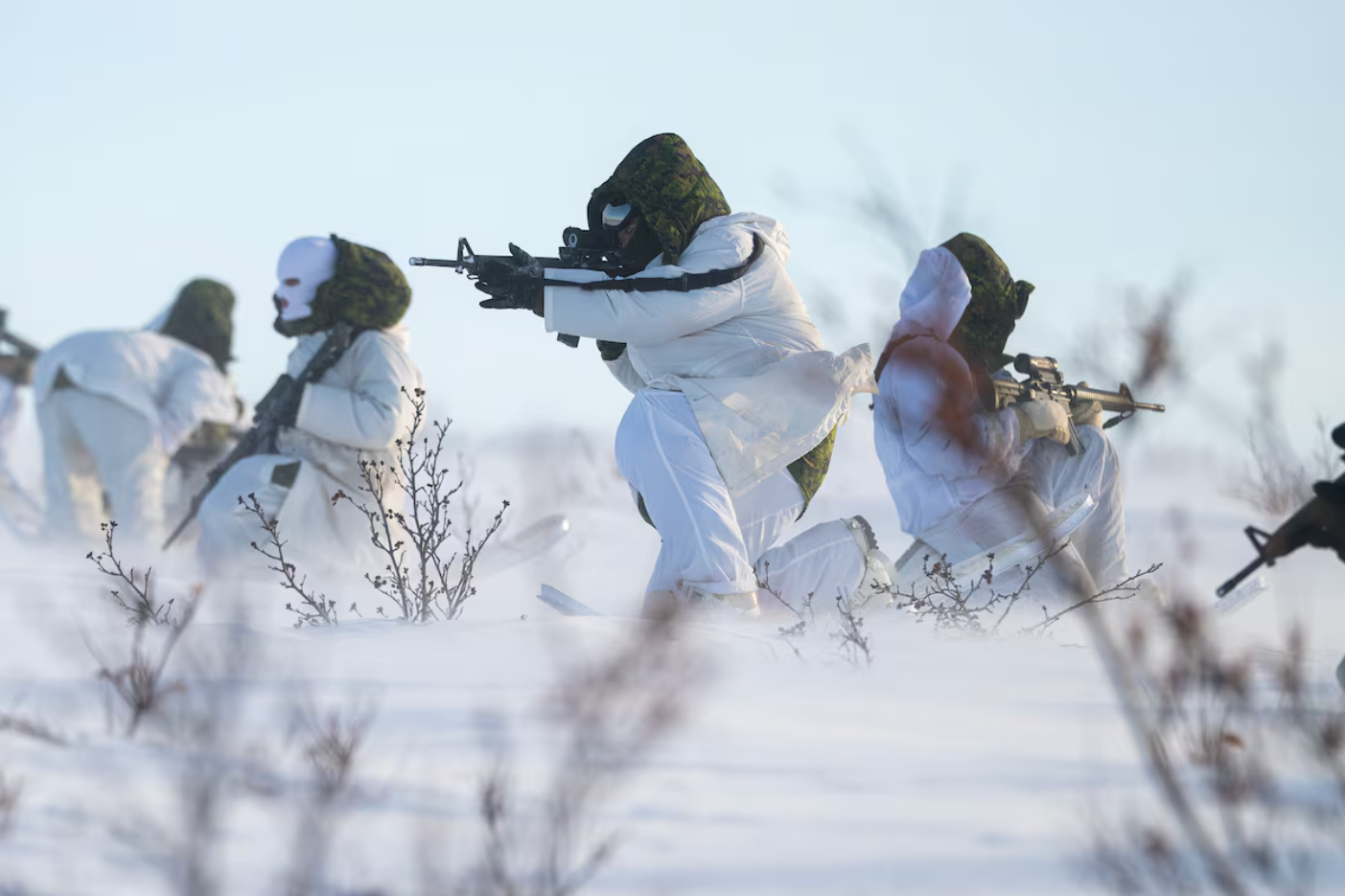 |
Canadian soldiers conduct winter warfare drills. Photo: G&M
The Canadian military has not yet commented on this information. However, the anonymous officials emphasized that this scenario is purely conceptual and theoretical, distinct from a specific operational plan. They also expressed skepticism that President Donald Trump would actually issue an order to attack, noting that military relations between the two countries remain positive. This information emerges amidst President Trump's repeated suggestions of annexing Canada as the 51st US state. Last weekend, NBC News reported that Trump has consistently voiced concerns about Canada's vulnerability to US adversaries in the Arctic.
Ottawa also sided with Greenland when Trump expressed his intention to control the island, even by force. Canadian officials are reportedly considering sending a small group of soldiers to Greenland to demonstrate support for Denmark, according to Globe and Mail.
Duc Trung (According to Globe and Mail, CBC, Toronto Star)