Despite initial excitement, many Canadian football fans are expressing disappointment over the high cost of tickets for the 2026 World Cup, hosted by Toronto and Vancouver alongside 14 other cities in Canada, the United States, and Mexico. This sentiment is echoed by host cities facing significantly increased organizational expenses. Lawrence Yee, a lifelong football enthusiast who grew up in Canada, exemplifies this frustration.
"When I heard the world's biggest football event was coming to Toronto, I couldn't believe it," he said. "It's a once-in-a-lifetime opportunity to live in a host city and cycle to the stadium. I thought I'd be the first in line for tickets." However, when the Canadian team faces Bosnia and Herzegovina in their opening match on 12/6, Yee will not be in the stands, nor will he attend any other group stage games. His initial enthusiasm, shared by hundreds of thousands across Canada, has been dampened by FIFA's new ticketing system, which has driven prices to what many consider "exorbitant" levels.
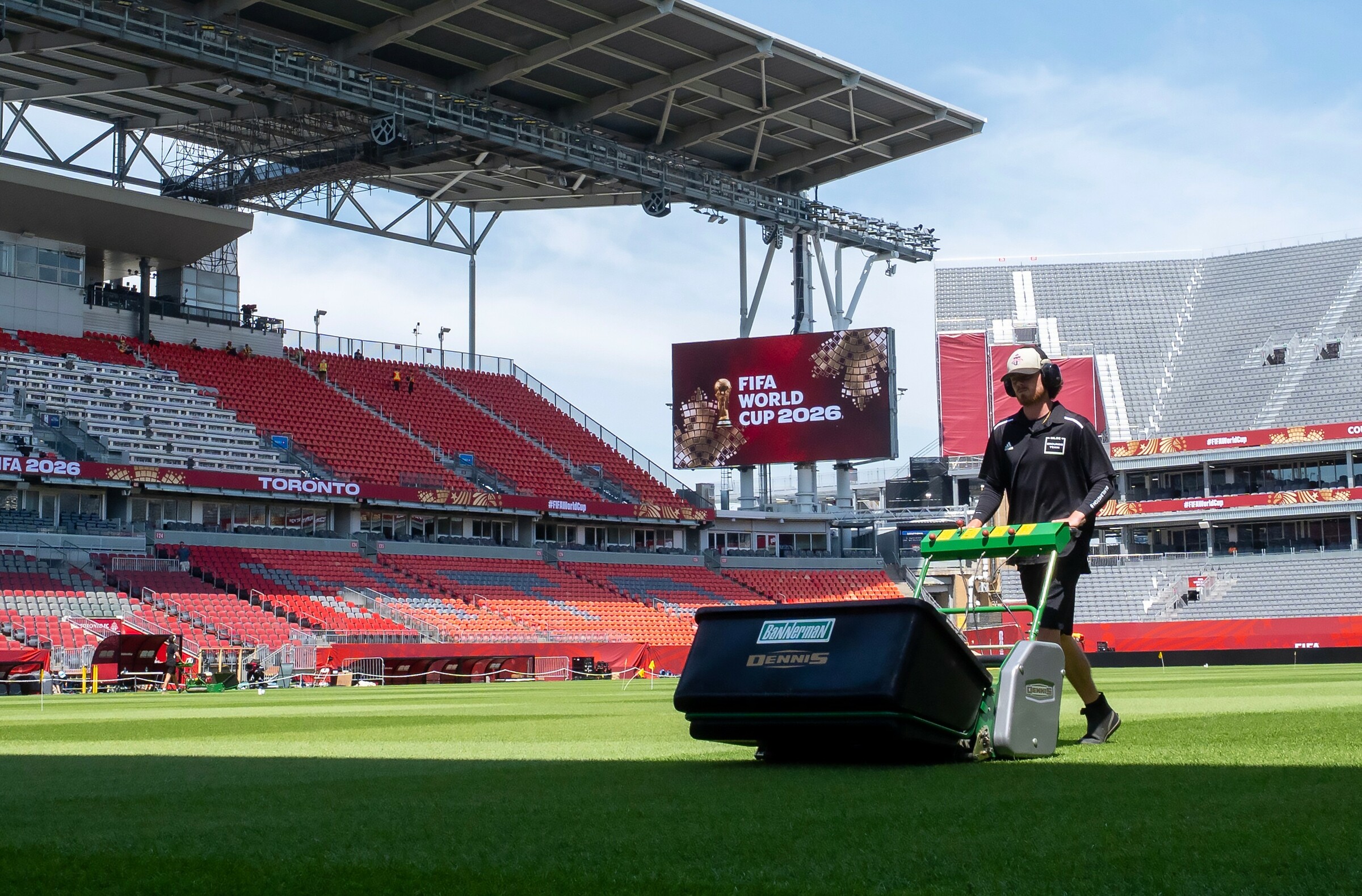 |
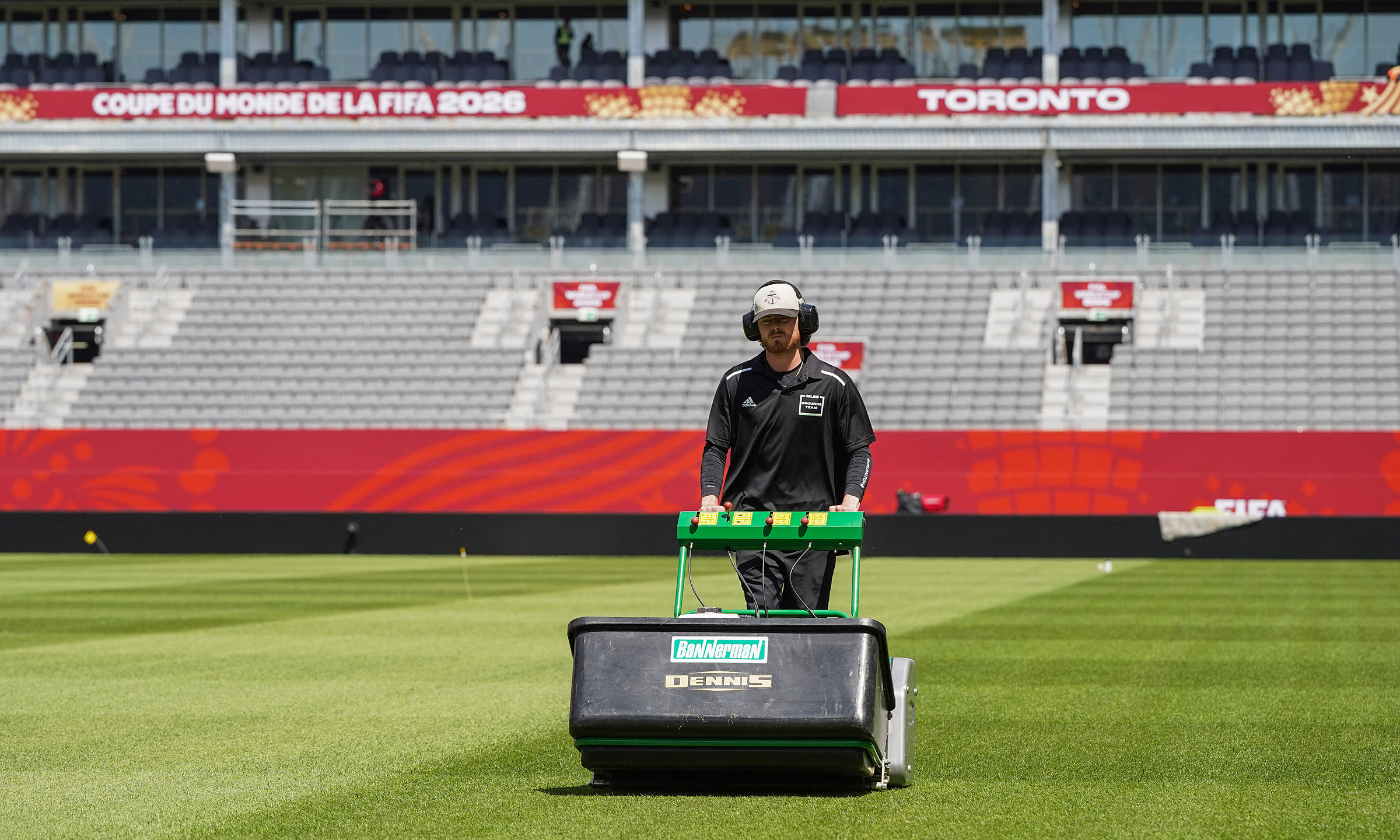
Groundskeepers maintain the pitch at a World Cup stadium in Toronto, Canada, on 4/6. Photo: AP
Hundreds of tickets remain unsold for all ten matches in Vancouver and Toronto. This contradicts FIFA's earlier statements about "massive demand." Hotel occupancy in both cities is currently around 80%, a typical rate for summer months. The high ticket prices are a major source of frustration for Canadian fans, with the cheapest ticket for the host team's opening match costing over 1.000 CAD (approximately 720 USD).
In 4/2026, FIFA President Gianni Infantino stated at an event in Vancouver that the organization had received 500 million ticket requests, 10 times the total demand for the previous two World Cups. "We have sold 100% of the tickets released to the market, which accounts for about 90% of the total global tickets to date," he affirmed. Unlike previous World Cups, where FIFA had policies to facilitate ticket purchases for host nation fans, this tournament employs a flexible pricing mechanism, allowing prices to fluctuate based on market demand.
FIFA defends its flexible pricing, stating it is a common sales policy in sports and entertainment, designed to optimize revenue, increase audience reach, and align ticket prices with the event's market value. President Infantino noted that various price points are available, including both premium and "affordable" options. However, Moshe Lander, a sports economist at Concordia University, suggests that maximizing profit does not necessarily mean selling every ticket. With the current pricing strategy, FIFA might generate more revenue by maintaining high prices, even if some seats remain empty. "FIFA controls the World Cup," Lander explained. "They have no competition, so they can act as they wish, unless fans truly turn away."
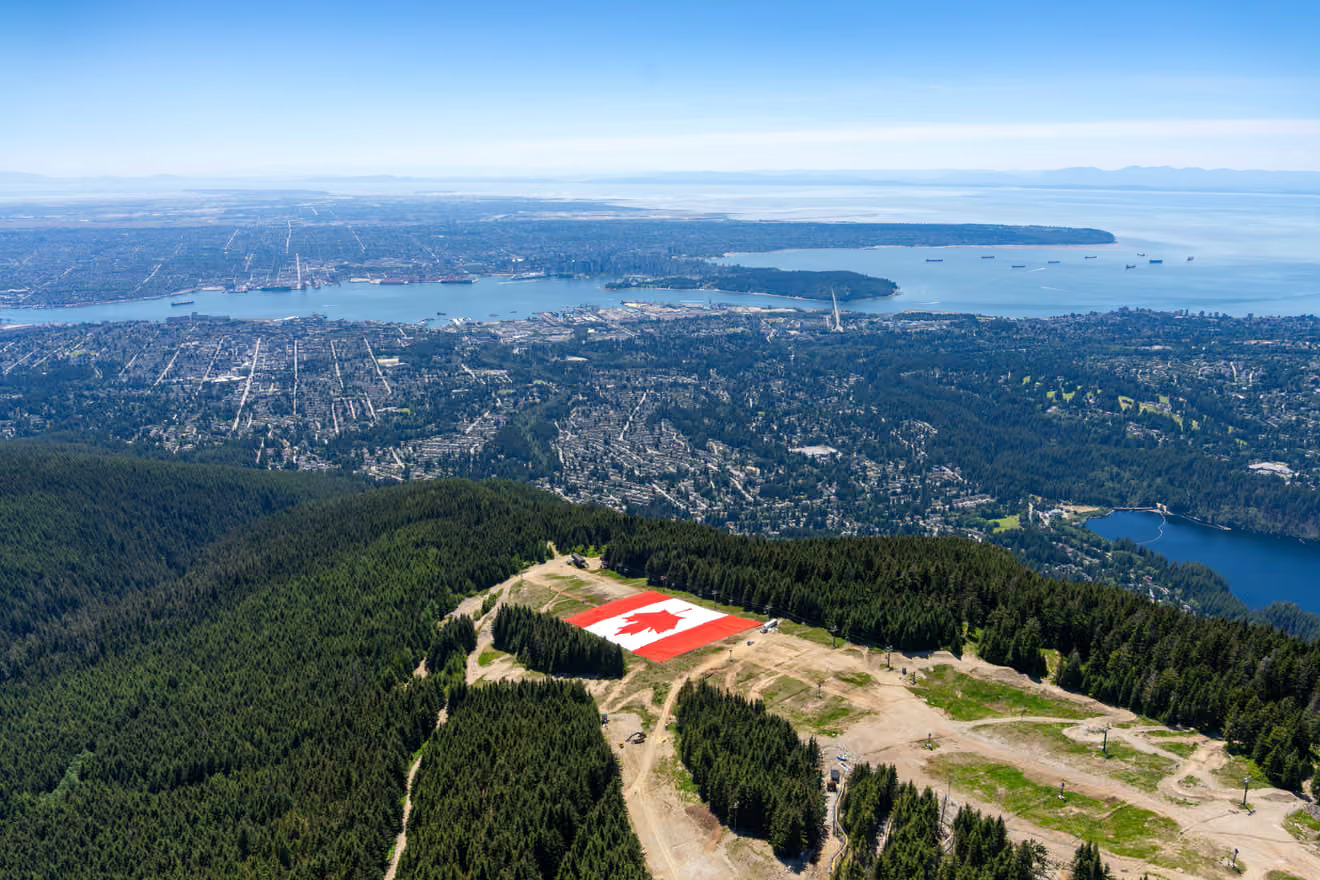 |
The Canadian flag flies on Grouse Mountain above Vancouver. Photo: Reuters
In response to a request for comment, a FIFA spokesperson stated that no previous World Cup has sold as many direct tickets to fans as this one. The spokesperson added that FIFA allocated at least 1.000 tickets at 60 USD, a price the organization describes as "very competitive" for a global sporting event. Separately, Ontario attempted to curb ticket speculation with a law prohibiting the resale of World Cup tickets in Toronto above face value. Consequently, FIFA had to modify its official resale platform for Toronto matches to ensure tickets were not resold above their original price, in compliance with Ontario law.
Despite these measures, Yee found the ticket acquisition process, involving lotteries, registration portals, multiple sales phases, and access codes, exhausting. He felt his chances of attending dwindled over time. "I gave up. I no longer want to spend money on FIFA," Yee stated. "They have the right to control ticket prices, but this approach goes against the spirit of football, a sport meant for everyone. Tickets should be more accessible, especially for those living in the host cities." This sentiment is shared by many politicians and officials who initially supported bringing the World Cup to Canada. They are now questioning the substantial hosting costs, especially since FIFA collects revenue from ticket sales and television rights without paying taxes. Citizens contribute financially to the tournament, yet many are unable to attend matches.
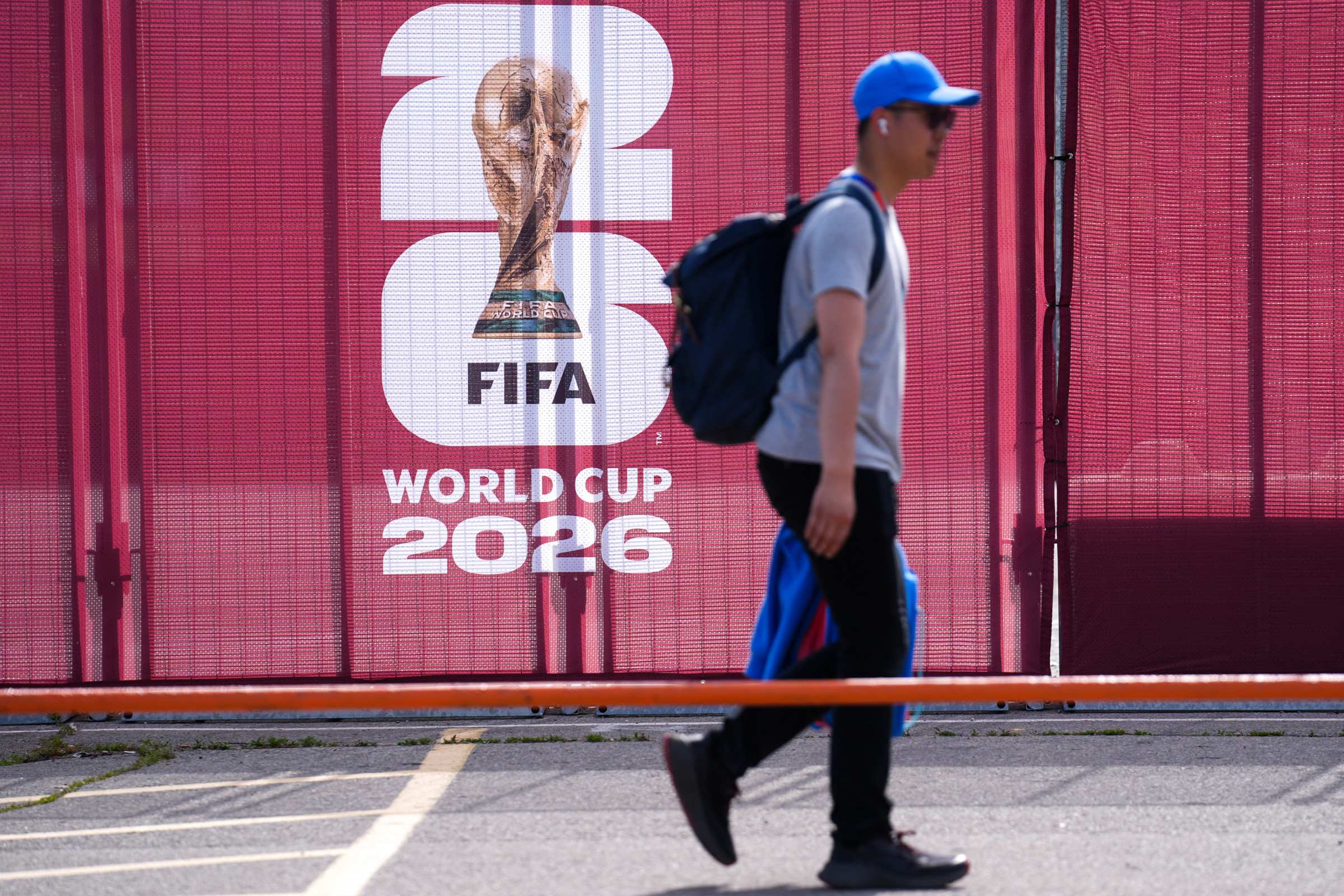 |
A 2026 World Cup advertisement outside a stadium in Toronto, Canada, on 4/6. Photo: AFP
The hosting costs have surged significantly beyond initial projections. Toronto's estimated maximum expenditure, initially 32,4 million USD, is now expected to be at least 273,6 million USD. In Vancouver, the budget for seven matches escalated from 172,8 million USD to at least 449,2 million USD. According to the Parliamentary Budget Office, Canada will spend over 720 million USD to host the World Cup, which averages around 59 million USD per match. Several other Canadian cities withdrew from hosting bids after observing the initial costs and FIFA's stringent demands.
Despite his personal disappointment, Yee remains excited about the influx of teams and fans into the city. "For those who get to attend, it will undoubtedly be a memorable experience. I hope they enjoy it fully," he said. "As for me, now that I don't have to worry about tickets, I'm more interested in gathering with friends. Perhaps I'll invite everyone to my house or join community viewing parties. What made me love football as a child was the sense of community, and I look forward to reliving that feeling."