US Central Command (CENTCOM), the command responsible for US military operations in the Middle East, stated in a post on X on 5/6 that "attack UAVs directly threatened maritime traffic operations in the area. US forces shot them down and then conducted airstrikes on Iran's coastal surveillance radar stations at Goruk and on Qeshm Island to prevent further attacks."
The US military affirmed it would continue to respond to "Iran's unreasonable aggressive actions in self-defense."
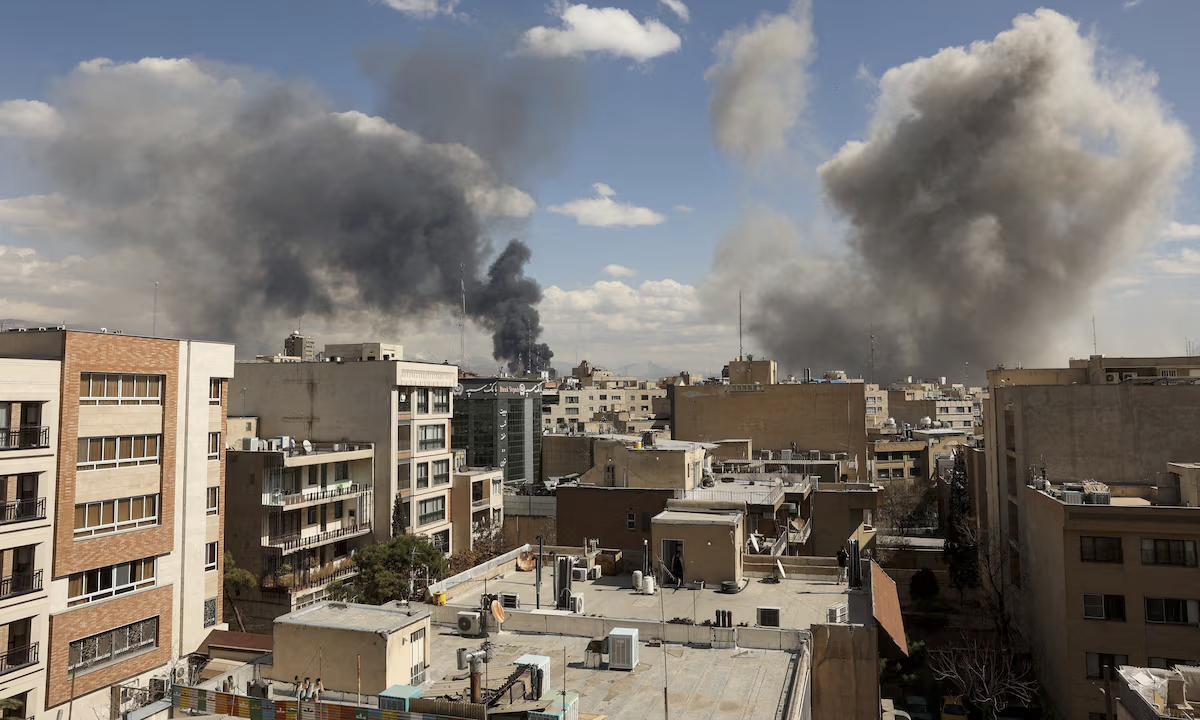 |
Black smoke rising after an attack in the capital Tehran, Iran, in March. Photo: Reuters |
This latest tit-for-tat attack between the US and Iran threatens the fragile ceasefire established in April, as well as ongoing efforts to end the conflict.
The Iranian military previously stated it fired "warning missiles" at two US destroyers in the Gulf of Oman, but US forces denied this.
Earlier this week, Iranian UAVs severely damaged a passenger terminal at Kuwait's main airport, killing one person, injuring dozens, and briefly closing the airport.
On 3/6, Kuwait announced it intercepted 30 ballistic missiles from Iran, stating that Tehran had engaged in "dangerous aggression." Lebanese-born popular host Mario Nawfal posted on X that Iran attacked two major US bases in Kuwait: Ali Al Salem and Camp Arifjan.
CENTCOM later reported that Iran attacked but did not hit any targets.
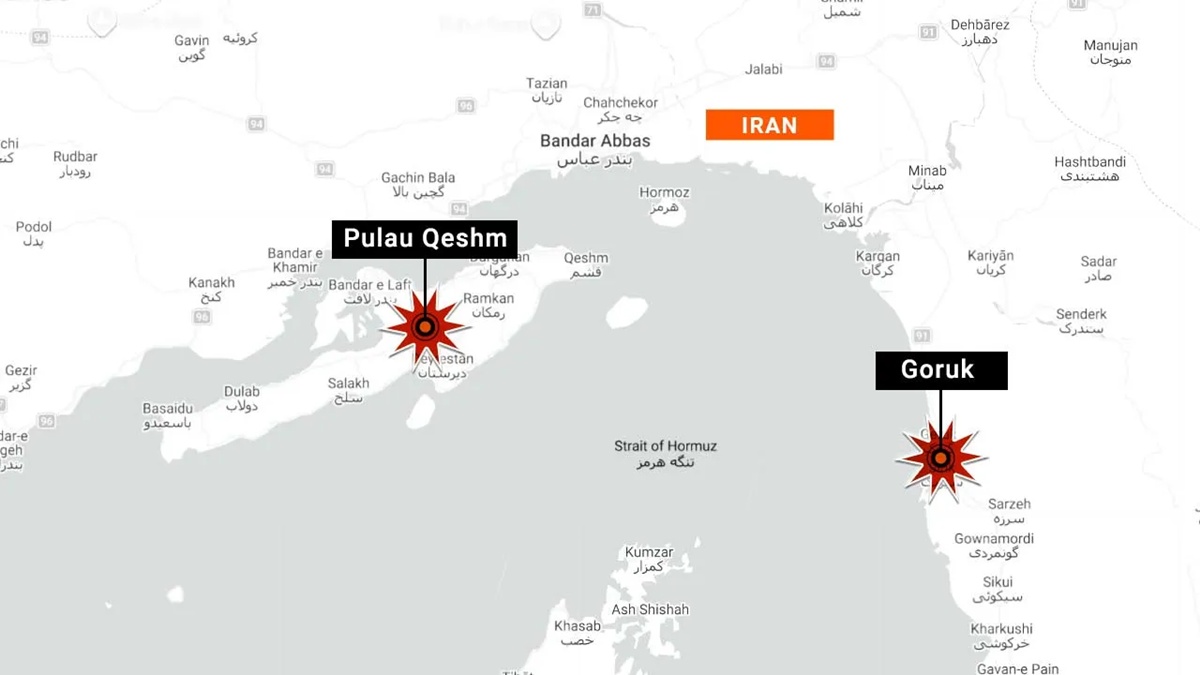 |
Location of Qeshm Island and Goruk city in Iran. Graphics: Astroawani.com |
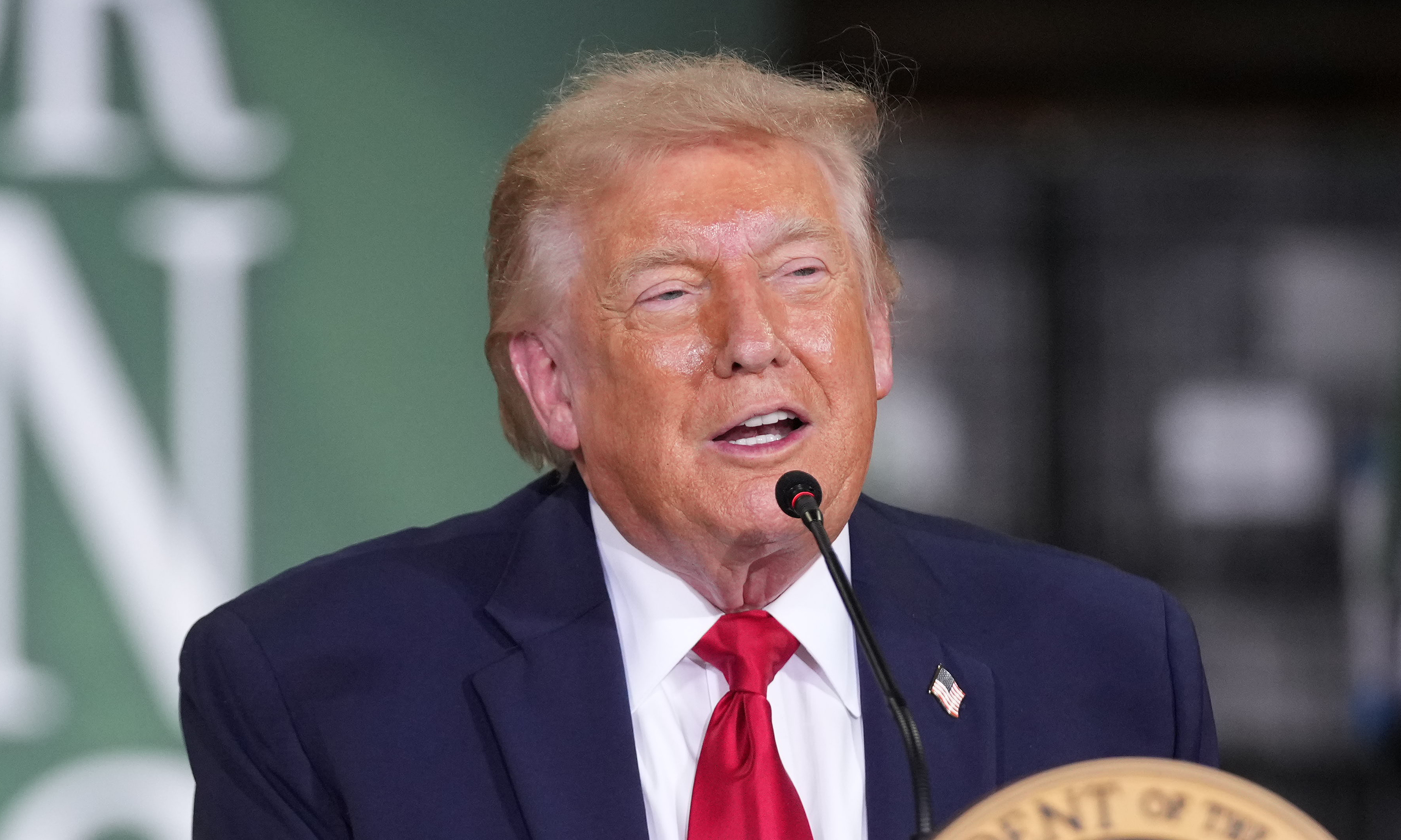
Despite the attacks raising new concerns about the risk of the ceasefire collapsing, President Donald Trump declared to reporters on 5/6 that "the situation with Iran seems to be progressing quite well."
"We're going to have the Iran problem solved very quickly and it's going to be very clear one way or the other, whether it's by a signed document or by an extremely tough measure," Trump said at an event with farmers in Wisconsin. "The extremely tough measure is probably the easier way, but we'll get it solved."