In 2015, after graduating from the prestigious Tsinghua University, Yang Zhilin left China to pursue graduate studies in the US. After earning his doctoral degree from Carnegie Mellon University in 2019, Yang had numerous opportunities to build his future in the US. Postdoctoral positions at Stanford and MIT were open, and tech giants like Apple, Google, and Meta actively sought him.
However, Yang declined all offers, choosing instead to return to China to establish his career and found Moonshot AI. In July, Moonshot AI launched its impressive Kimi K3 open-source artificial intelligence (AI) model, which offers performance comparable to leading US models at a lower cost.
"The US still has a significant advantage. We attract the best people. But China will become increasingly attractive. This is becoming very clear in the field of AI," said computer science professor Ruslan Salakhutdinov, Yang's thesis advisor at Carnegie Mellon University.
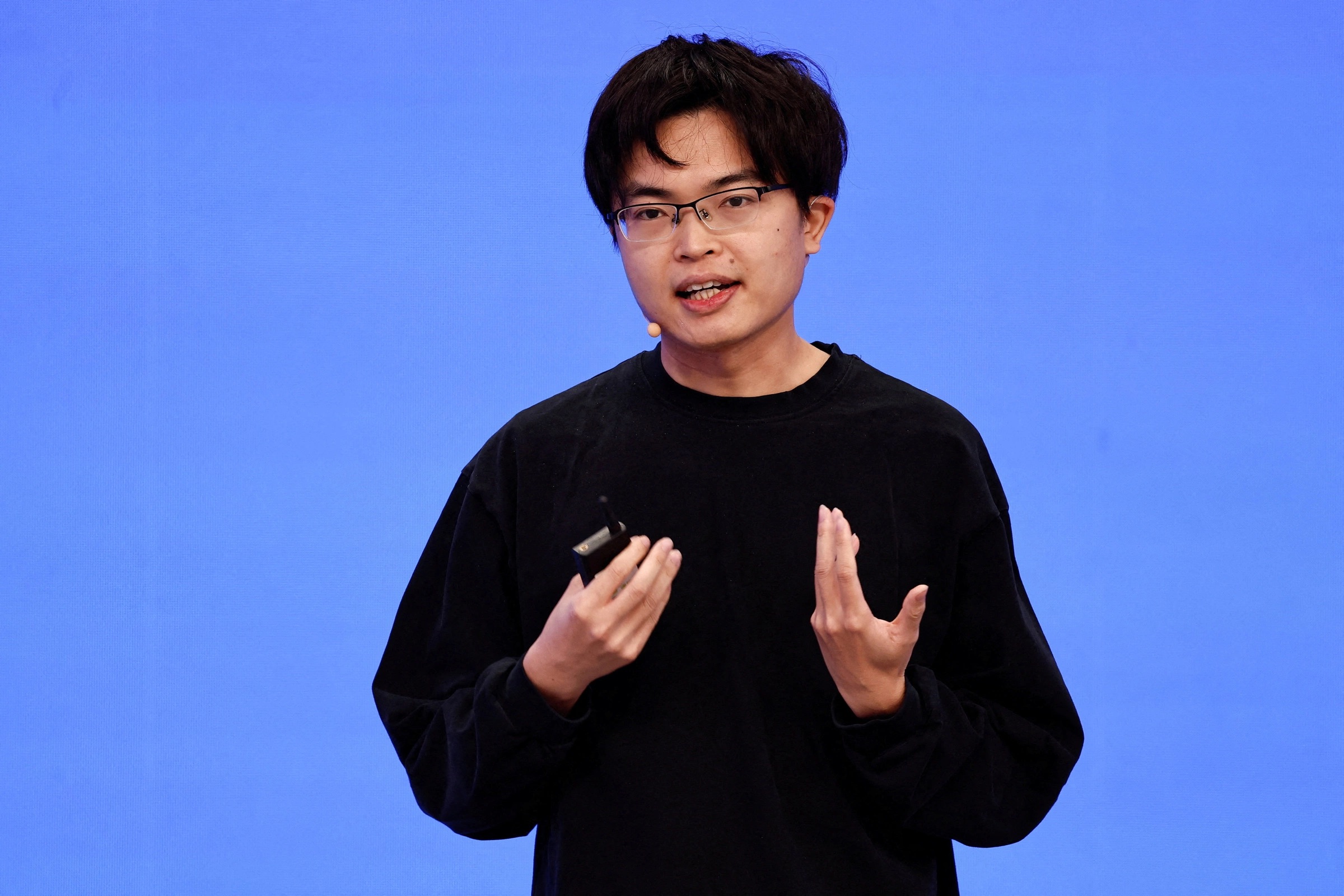 |
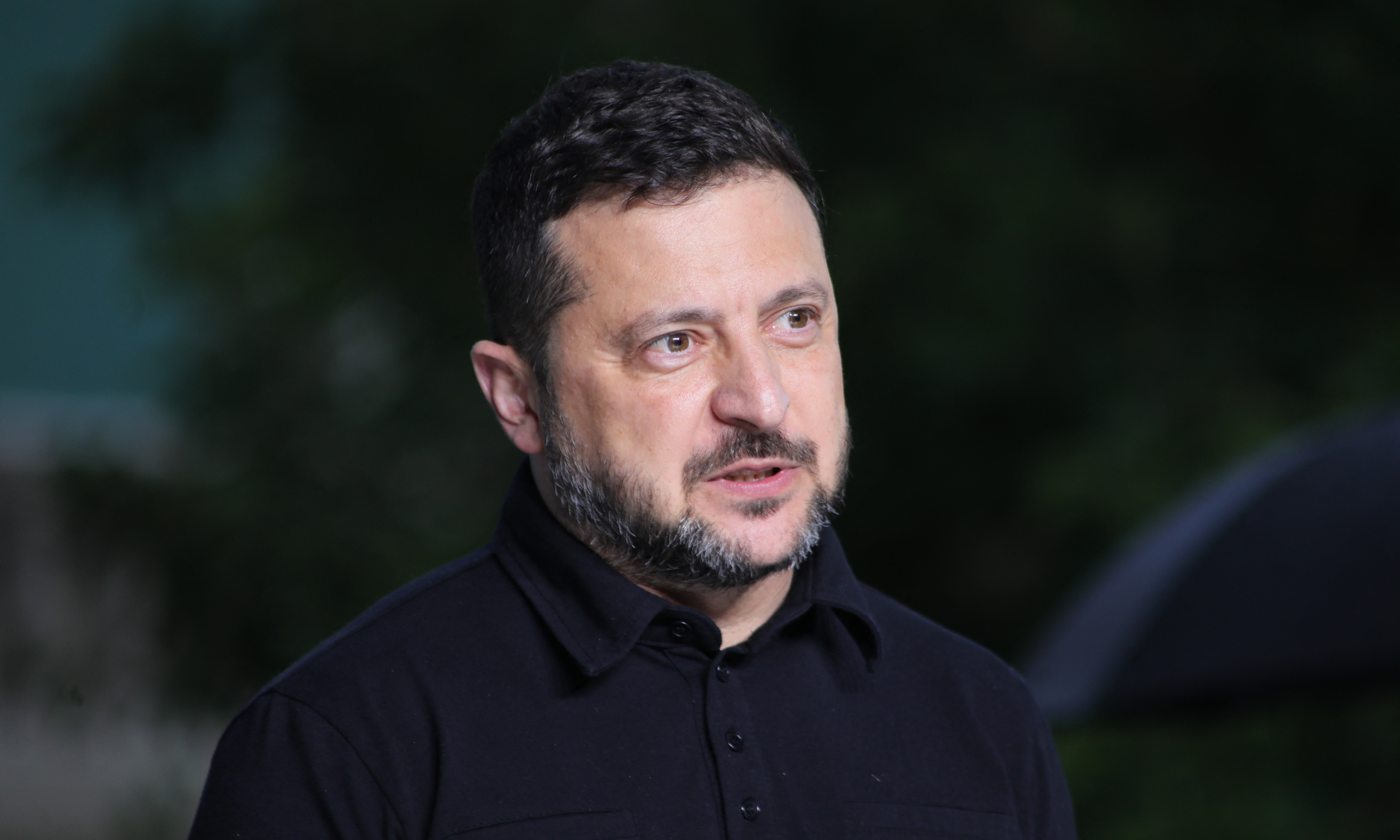
Yang Zhilin, founder of Moonshot AI, speaks at the Zhongguancun Forum 2026 in Beijing on 25/3. Photo: Reuters |
Yang Zhilin, founder of Moonshot AI, speaks at the Zhongguancun Forum 2026 in Beijing on 25/3. Photo: Reuters
China is also achieving more success in recruiting top scientists from abroad. Omar Yaghi, co-recipient of the 2025 Nobel Prize in Chemistry, moved from the University of California in the US to Tsinghua University to lead a research institute utilizing AI to accelerate the discovery of new materials.
Universities in mainland China and Hong Kong have recruited at least eight renowned mathematicians from Western universities since last year. Joshua Zahl, an associate of Hong Wang, one of this year's Fields Medal winners, accepted a professorship at Nankai University.
The biggest shift in China's recruitment appeal is its financial capacity, according to Dong Jielin, a science and technology policy researcher.
She noted that two decades ago, Chinese scientists returning from abroad were expected to accept lower incomes to contribute to the nation. Today, Chinese universities can offer salaries comparable to those in Europe, along with attractive support packages.
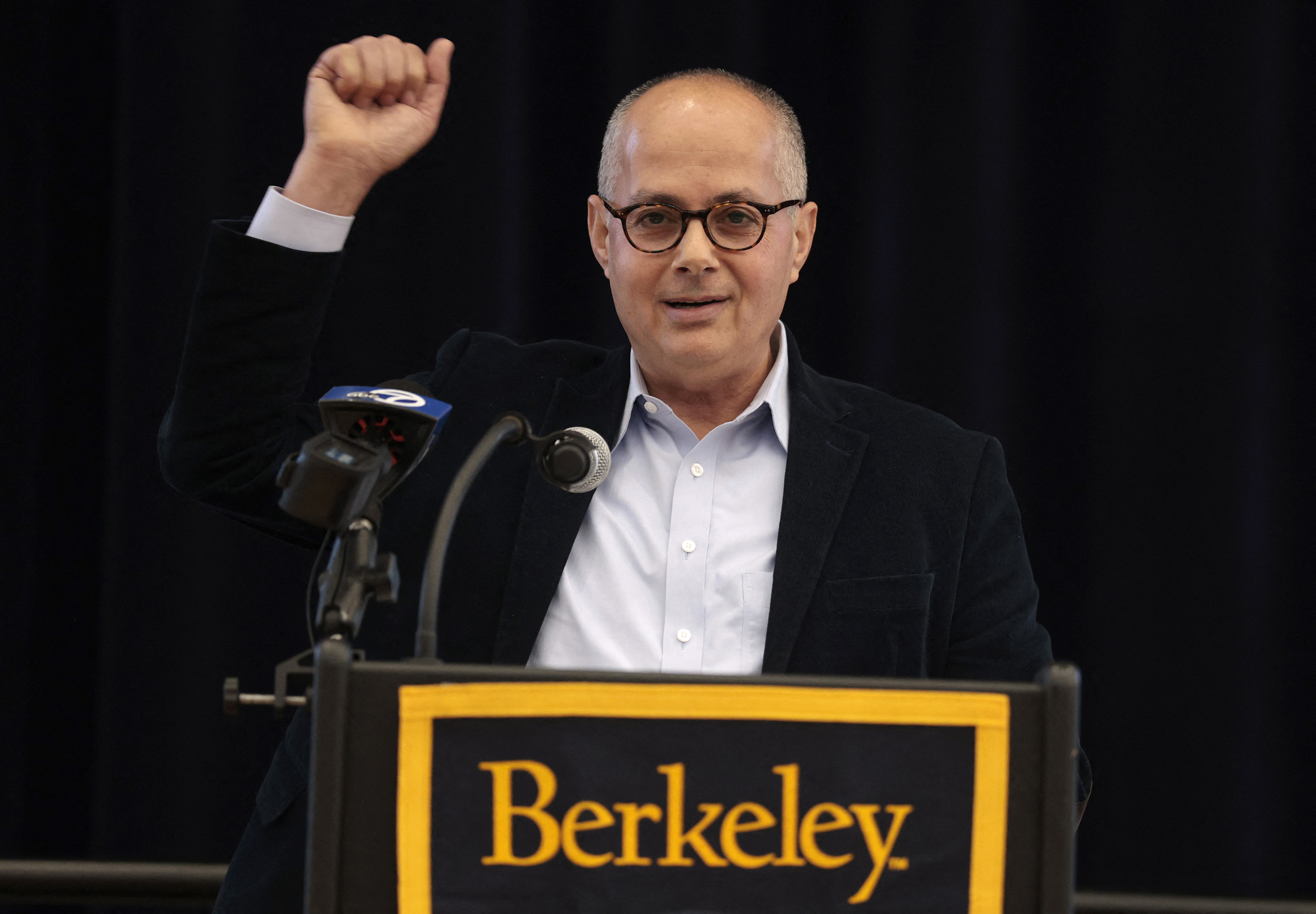 |
Professor Omar Yaghi speaks at an event at the University of California at Berkeley, US, in October 2025. Photo: AFP |
Professor Omar Yaghi speaks at an event at the University of California at Berkeley, US, in October 2025. Photo: AFP
Yu Deng, a Fields Medal-winning mathematician this year, was directly admitted to Peking University's mathematics program in 2007 after winning a gold medal at the International Mathematical Olympiad. After his second year, he transferred to the Massachusetts Institute of Technology (MIT) in the US, earned his doctoral degree at Princeton University, and is currently a professor at the University of Chicago.
Deng stated that at the time, it was common for Chinese basic science students to pursue doctoral studies abroad. However, he acknowledged that China's mathematics field has advanced significantly over the years, with a sharp increase in the number of works by Chinese researchers published in leading mathematics journals.
China increasingly possesses the financial resources and infrastructure to attract top scientists. Meanwhile, the Trump administration's restrictive immigration policies and funding cuts to universities threaten the advantages the US once held, such as a free, stable environment that helped young researchers thrive.
"Previously, the US was almost always the default choice, requiring little thought," said Terence Tao, an Australia-born Fields Medal-winning mathematician and professor at the University of California at Los Angeles (UCLA).
Last year, the Trump administration suspended federal funding for UCLA, affecting grants for Tao and the research institute he co-leads.
Although the funding was restored after a successful lawsuit, he warned that sudden funding cuts can disrupt multi-year projects and erode researchers' confidence in the US education system.
"Exceptional talents may no longer automatically choose the US as they have for decades," he emphasized.
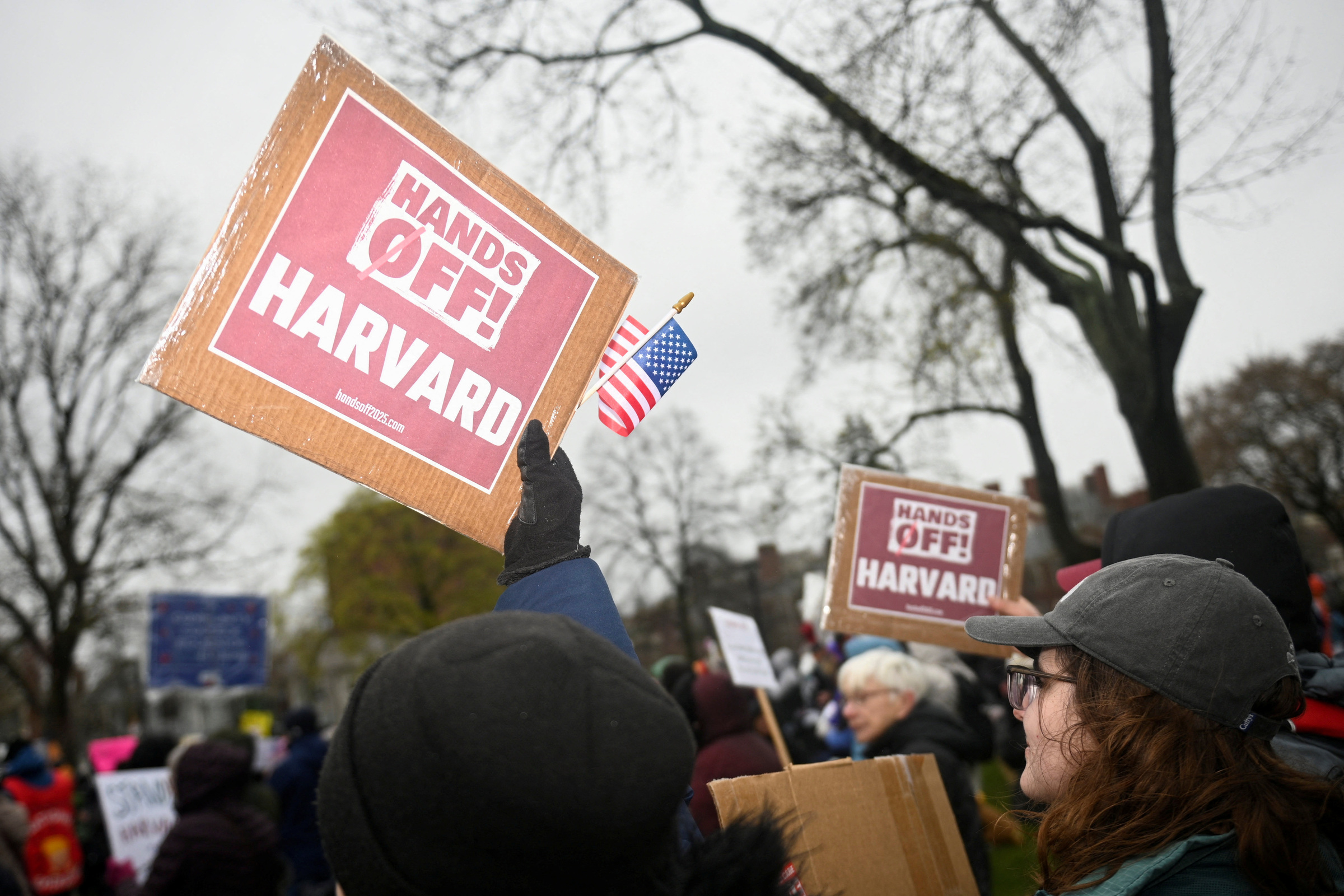 |
A crowd protests federal government interference at Harvard University in Massachusetts in April 2025. Photo: Reuters |
A crowd protests federal government interference at Harvard University in Massachusetts in April 2025. Photo: Reuters
International students accounted for nearly 44% of STEM (Science, Technology, Engineering, Mathematics) doctoral degrees awarded by US universities in 2023. In 2020, Chinese students received 17% of all science and engineering doctoral degrees in the US. However, the number of visas issued to international students decreased by approximately one-third in 2025, according to the NY Times.
Last month, the Trump administration finalized regulations limiting the duration of stay for international students in the US before requiring an extension. Secretary of Homeland Security Markwayne Mullin stated at the time that the regulation would help them focus on "the primary purpose of completing their studies and returning home".
Zhang Kai, a prominent researcher in near-atomic level cell imaging simulation, also left his professorship at Yale University earlier this year to return to work at the University of Science and Technology of China.
He shared that Chinese researchers are increasingly finding it difficult to lead large-scale projects in the US amidst a growing political atmosphere. "Mr. Trump's policies over the past years have truly made me more patriotic," he said.
Deng, now 37 years old, mentioned that many universities in China, the US, and other countries have proactively contacted him. He is considering his options but will remain at the University of Chicago for now. He stated that his final decision will depend on various factors, including research direction, collaborators, and quality of life.
When asked if he would still choose to leave China for the US if he were 20 years old today, Deng said, "I would certainly have to consider going to the US much more carefully."
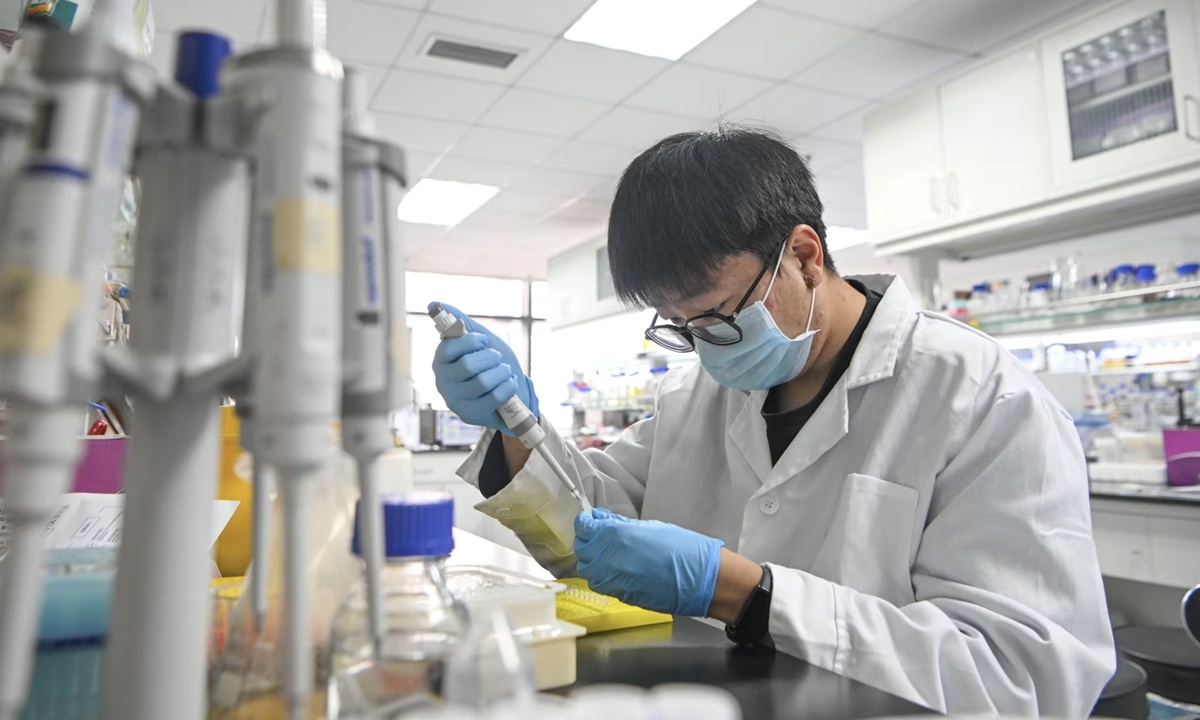 |
A researcher works in a laboratory at the Chinese Academy of Sciences in Tianjin. Photo: Xinhua |
A researcher works in a laboratory at the Chinese Academy of Sciences in Tianjin. Photo: Xinhua
However, Yu Hongtao, dean at Westlake University, China's first public-private research institution, cautioned that scientists working in Western countries need to consider carefully before returning.
"If the decision is based solely on negative factors, meaning they only want to avoid the situation in the US without viewing China as an opportunity, I would not encourage them to come," said Yu, who previously worked at the University of Texas Southwestern Medical Center. He also pointed out challenges for foreign talents wishing to work in China, including cultural differences and funding allocation methods.
Furthermore, those who return to work in China may limit their academic exchange opportunities with the US, which still maintains its position as a leading scientific superpower, while China's research and development momentum could be affected by its slowing economy.
The Trump administration issued new guidelines on 17/8, affirming that the US "will strengthen its workforce by attracting and retaining top global talent in critical national security science and technology fields".
This marks a significant change from last year's National Security Strategy, which suggested that global talent "undermines American workers". The document specifies that the US needs to adopt "new security solutions" to ensure it maintains its global advantage in science and technology.
Bipartisan US lawmakers have also pushed for legislation to restrict China's participation in federally funded research projects, which could hinder the path back to the US for scientists who have returned to work in China.
Thanh Tam (According to NY Times, WSJ, AFP)