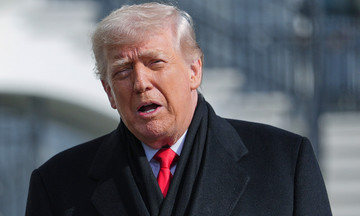
"Our big, beautiful ships are heading to Iran right now. We are negotiating with Iran and we will see how things turn out. If we reach a deal, that will be great. If not, perhaps bad things will happen," US President Donald Trump told reporters at the White House on 2/2.
The US leader also warned last week that Iran would face an attack "far worse" than Operation Night Hammer if Tehran remained unyielding to Washington's demands.
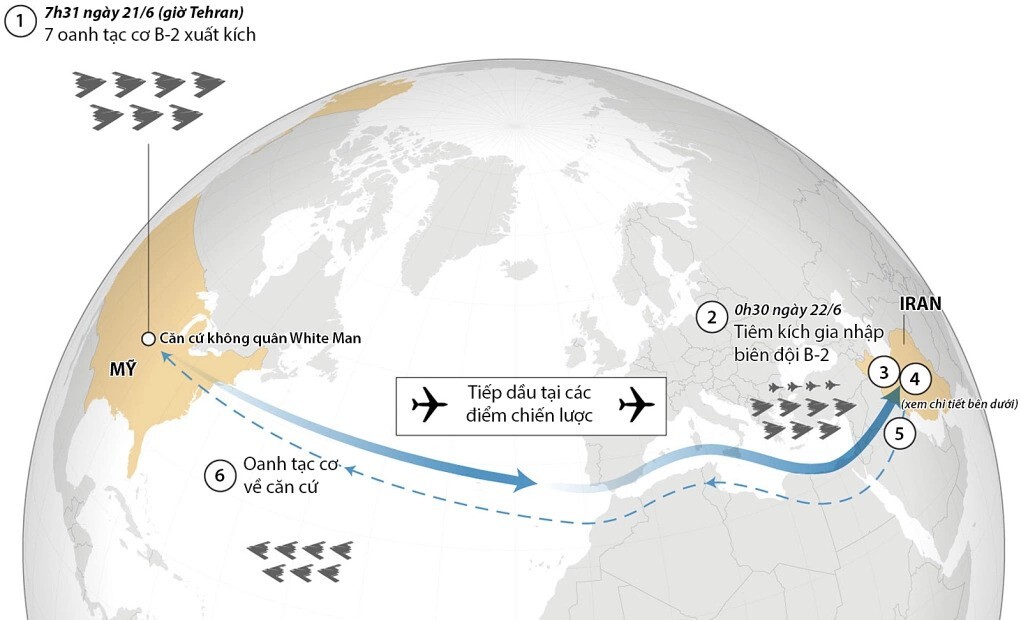 |
_The flight path of B-2 bombers attacking Iran. Click on the image for details_
Operation Night Hammer took place on 21/6/2025, involving the deployment of over 125 US military aircraft and numerous warships. The operation dropped 14 GBU-57 bunker-buster bombs and launched about 30 Tomahawk cruise missiles targeting Iran's Fordow, Natanz, and Isfahan nuclear facilities.
The actual outcome of the operation remains a significant question, as two of three Iranian nuclear facilities appeared to sustain only minor damage, and uranium enrichment activities could reportedly resume quickly within a few months.
At a seminar organized by the Mitchell Institute for Aerospace Studies in Virginia last week, General Jason Armagost, deputy commander of the US Air Force Global Strike Command (AFGSC), described Operation Night Hammer as a "technical, intelligence, and combat coordination success," but noted that the US military still has much to improve.
He stated that the US Air Force must ensure its command system and communication network can transmit critical information, including important orders and updates on combat status, to aircraft and vice versa with a high level of security.
"If the strike force cannot communicate its status and receive 'action' orders from commanders, that is a failure for all of us," General Armagost said.
Major Claire Randolph, weapons and tactics officer for US Air Force Central Command (AFCENT), agreed that the US Air Force needs to improve its communication capabilities and intelligence sharing during combat operations.
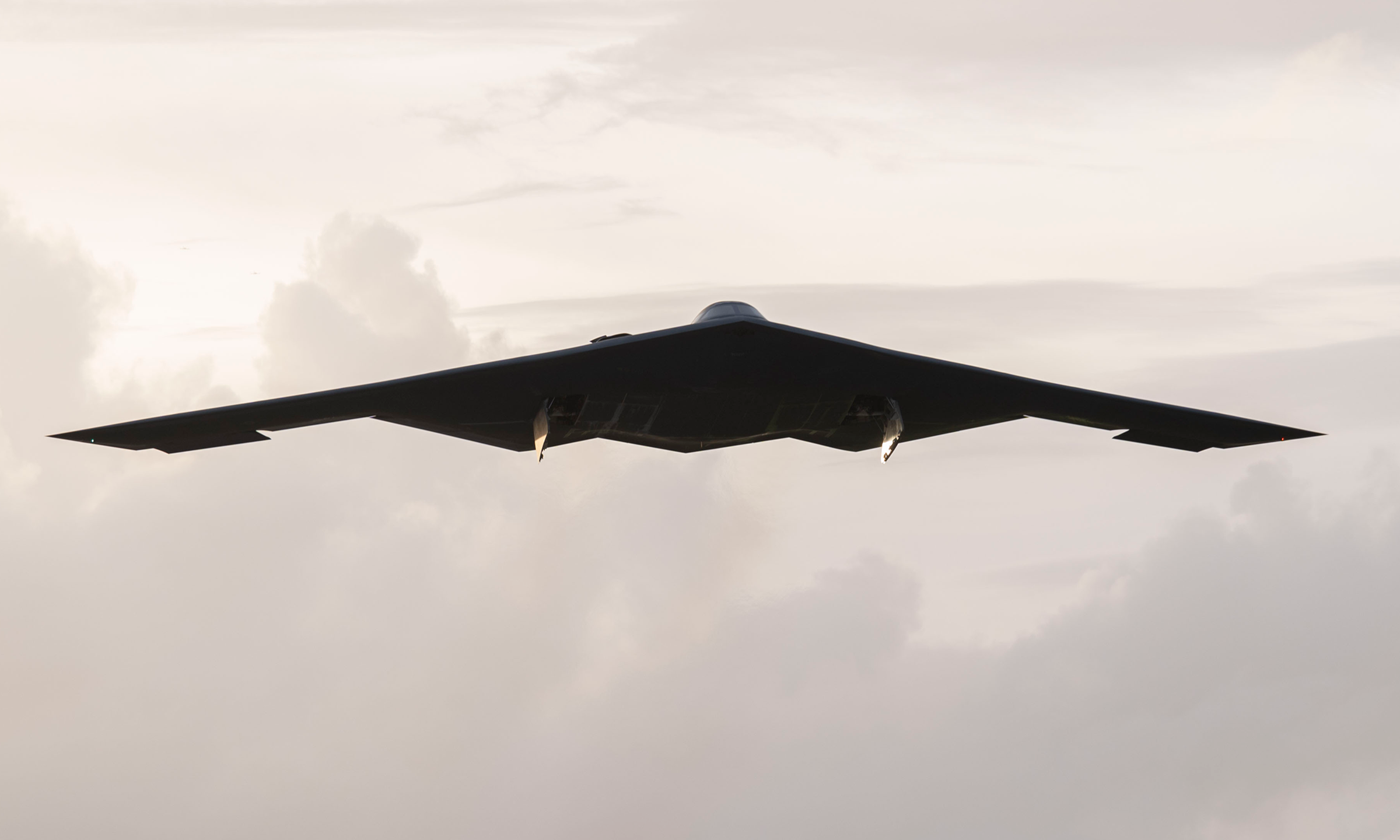 |
_US B-2 bomber taking off from Diego Garcia base in the Indian Ocean in 4/2025. Photo: USAF_
However, she cautioned that the US Air Force must prevent senior commanders from directly interfering with every tactical decision, as this would undermine the authority of field commanders.
"Imagine a direct communication line from the Central Command (CENTCOM) leadership to the cockpit of every B-2 and F-16. We must enhance communication capabilities, but we need to remember that giving more decision-making authority to those without full awareness of the on-the-ground situation poses many risks," Major Randolph stated.
Based on this information, the military news site Defense Express suggested that forces participating in Operation Night Hammer likely encountered communication problems. "It is difficult to draw specific conclusions without more precise information, but it is possible these incidents were severe enough to jeopardize the entire operation," Defense Express reported.
US commanders indicated that the operation demanded precise coordination among forces, including timing for movement and engagement.
F-35A stealth fighters from the 388th Fighter Wing were the first to penetrate Iranian airspace, tasked with suppressing enemy air defenses and clearing a path for B-2 bombers to reach target areas.
"Our weapons systems officer commanded the entire mission. We flew hundreds of kilometers deep into Iranian airspace to escort the B-2 squadron, while effectively using weapons to counter air defense missile sites," said Aaron Osborne, commander of the 34th Fighter Squadron, 388th Fighter Wing.
Around the time the B-2 bombers entered Iranian airspace, a US submarine in the Indian Ocean launched a volley of Tomahawk cruise missiles at the Isfahan nuclear facility. The US military calculated the Tomahawk missiles to reach their targets immediately after the seven B-2s had released all their bombs, aiming to maximize the element of surprise.
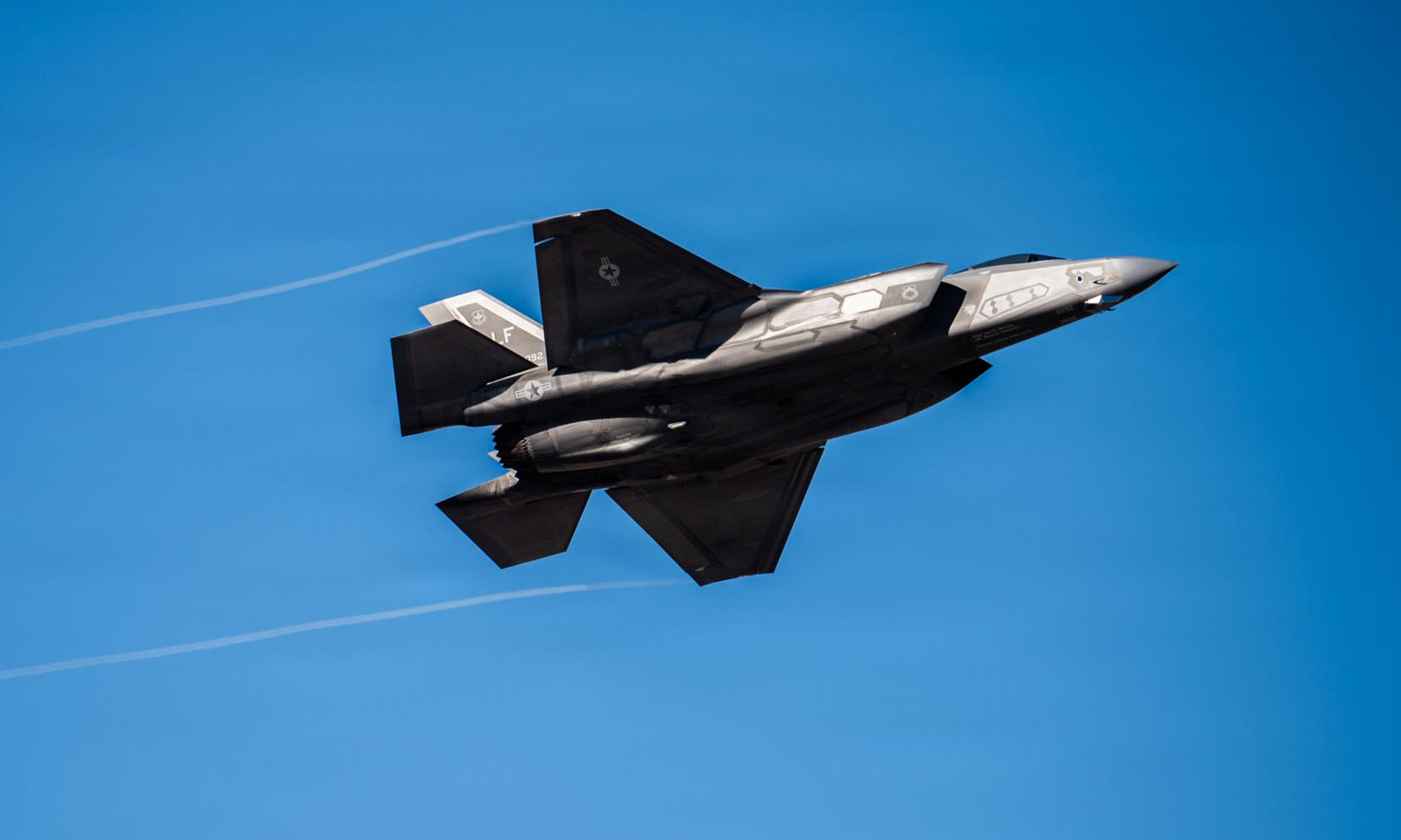 |
_US F-35A fighter taking off from Luke Air Force Base in Arizona on 15/1. Photo: USAF_
After the B-2s dropped their bombs and egressed, the F-35A fighter squadron remained to perform rearguard duties, becoming the last US aircraft to depart Iranian airspace.
Squadron Commander Osborne affirmed that the F-35A fighters' electronic warfare systems and radar stealth capabilities played a crucial role in the operation. "It was great to see this aircraft perform as designed. The enemy attempted to target us with very modern systems, but they could not," Osborne said.
Pham Giang (According to Air & Space Forces, AeroTime, Defense Express)