Cuba has unveiled new economic and social reform measures to navigate challenges posed by the United States' interventionist and hostile policies, which complicate the daily lives of Cuban citizens. Granma, the official newspaper of the Communist Party of Cuba, quoted President Miguel Diaz-Canel on 12/6 regarding these initiatives.
President Diaz-Canel stated that Cuba will open more sectors for private sector participation and simplify the approval process for new business ventures. He affirmed, "The list of activities prohibited for non-state economic entities will be narrowed to maximize their scope of operation. A process is underway to approve all pending registration applications as quickly as possible."
Private enterprises, permitted to employ up to 100 individuals, were legalized in 2021 and have become an important part of Cuba's economy. Since February, these businesses have also been allowed to import fuel, a sector previously controlled by the state.
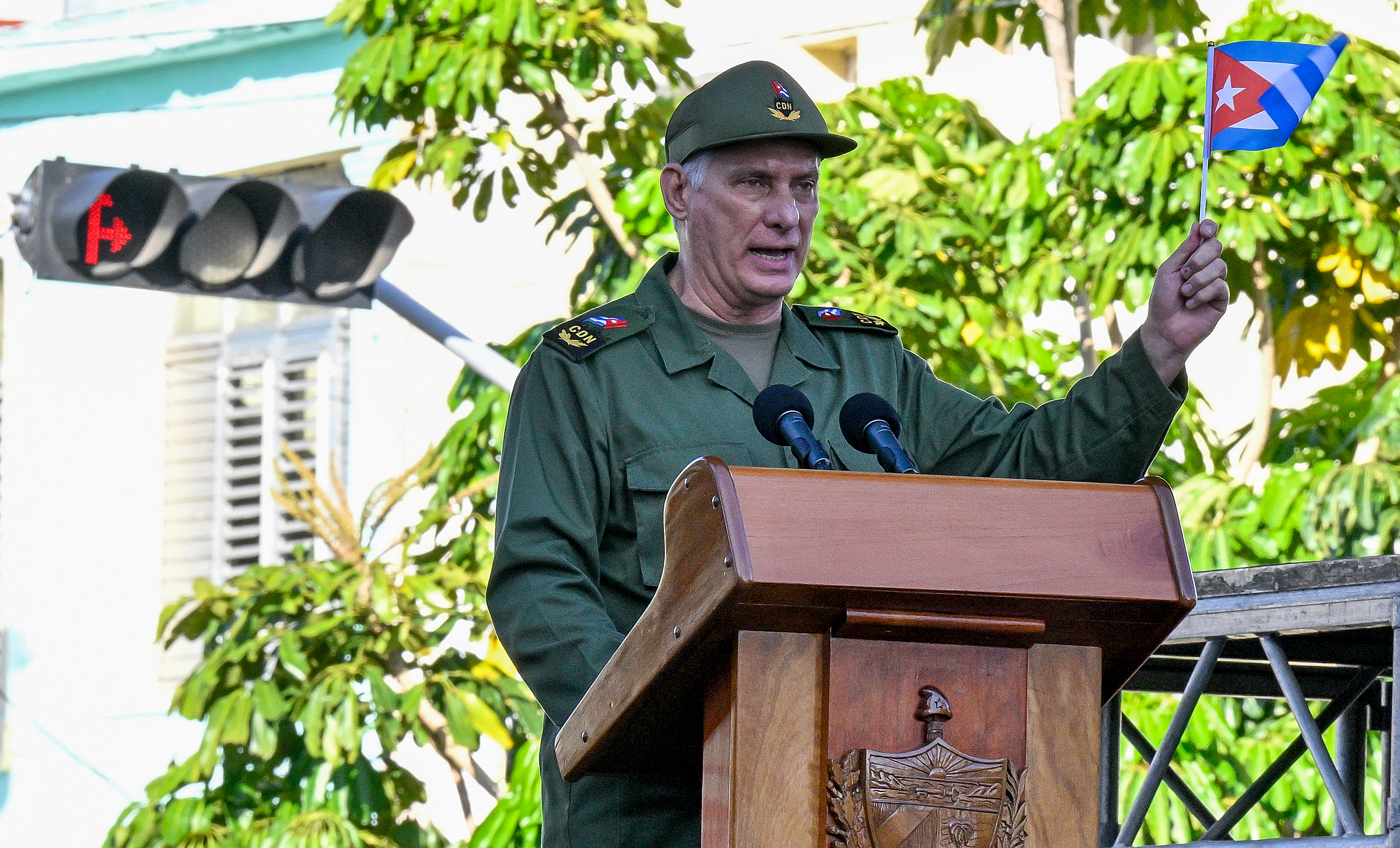 |
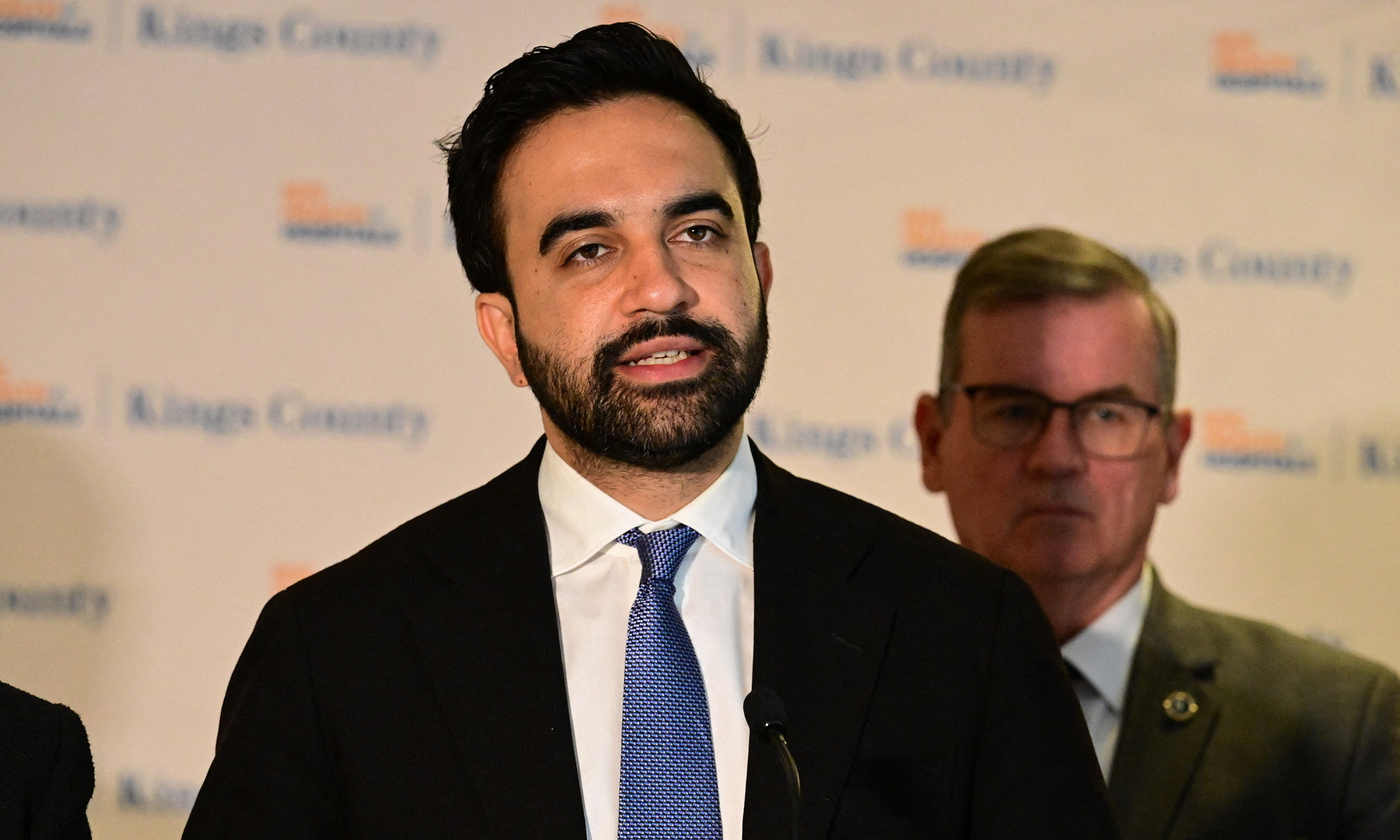
President Miguel Diaz-Canel of Cuba attends an event in Havana on 16/4. *Photo: AFP* |
Under the new reform measures, the government will allow private enterprises to invest in the economy on equal terms with foreign investors. Diaz-Canel also noted that the Cuban government is considering eliminating the intermediary role of state-owned enterprises in import-export activities.
The Cuban president reaffirmed his commitment to decentralizing the economy and granting greater autonomy to state-owned enterprises, which currently account for approximately 80% of the country's economic activity. He also announced plans to reform the state administrative apparatus, including reducing the number of ministries and agencies and streamlining public sector staffing. This plan will require parliamentary approval in July. Diaz-Canel commented that the new reforms "will soon be discussed and quickly approved."
Diaz-Canel asserted, "The country is not paralyzed but is responding to the situation wisely," while criticizing Washington's "maximum pressure" policy. US President Donald Trump has, in recent months, increased pressure on Cuba, threatening additional tariffs on countries supplying oil to the nation. These actions have exacerbated Cuba's energy crisis, leading to widespread power outages across the national grid.
President Diaz-Canel has repeatedly called on the United States to lift or ease the oil embargo, arguing that this could quickly alleviate many humanitarian challenges Havana faces.
Huyen Le (According to Granma, AFP)