Reuters reported on 29/7 that it had seen a copy of a letter written the day before by Admiral Brad Cooper, commander of Central Command (CENTCOM), the agency responsible for US military operations in the Middle East. In the letter, Admiral Cooper warned US soldiers that videos recorded on phones and shared online could inadvertently help Iran target bases in the region, putting lives at risk.
According to the CENTCOM commander, Iran now possesses the ability to almost immediately determine the success or failure of attacks on US bases. This is achieved by searching for news or social media posts containing "reactions, images, and videos recorded by mobile phones" from US soldiers. This open-source intelligence provides Iran with critical, otherwise unobtainable, information.
Khoanh khac ten lua Iran danh trung can cu Muwaffaq Salti o Jordan ngay 17/7. Video: Al Jazeera
A stark example of this vulnerability occurred during the 17/7 attack on Muwaffaq Salti base in Jordan, which resulted in the deaths of three US soldiers. Personnel at the scene recorded the evacuation process from their workplaces to shelters, as well as the moment Iranian ballistic missiles struck their living quarters. Admiral Cooper specifically referenced one video, noting it was recorded with a Meta smart glasses camera. "The video posted on Instagram showed the location and how this soldier evacuated to a shelter during the attack", he wrote.
Binh si My quay canh so tan vao ham tru an khi Iran tap kich can cu Muwaffaq Salti tai Jordan hom 17/7. Video: X/Osint613
The direct and unavoidable cost of this open-source intelligence could be measured in the lives of US service members and civilians in Gulf countries, Reuters cited the letter as saying. Admiral Cooper explained that Iran often struggles to assess the success of its strikes due to electronic jamming and other tactics employed by the US military in combat zones. He warned, "Iran knows weapons have been fired, but cannot determine if they missed the target by 50 meters, hit an empty runway, or successfully struck a crowded facility. Detailed lists, descriptions, and analyses of hit targets, publicly published by news agencies, essentially help Iran assess damage for free."
The CENTCOM commander stressed that information gathered from attacks could enable Iran to conduct subsequent strikes. "Publicly releasing detailed information could allow Iranian forces to execute a far more devastating second wave of attacks", he wrote in the letter. In response to these concerns, Admiral Cooper urged soldiers to "double down on operational security," though he did not outline specific steps.
In Jordan, some US soldiers have been informed that their phones will be confiscated in the coming days, two sources familiar with the matter told Reuters. A third source indicated this measure is being considered across the Middle East due to operational security concerns, but could not confirm if it would be implemented. The prospect of phone confiscation has caused anxiety among some family members, who have been on edge in recent months reading Iranian statements about casualty-causing attacks on bases in the Middle East. Many US soldiers stationed in the Middle East rely on phones to message and reassure their families.
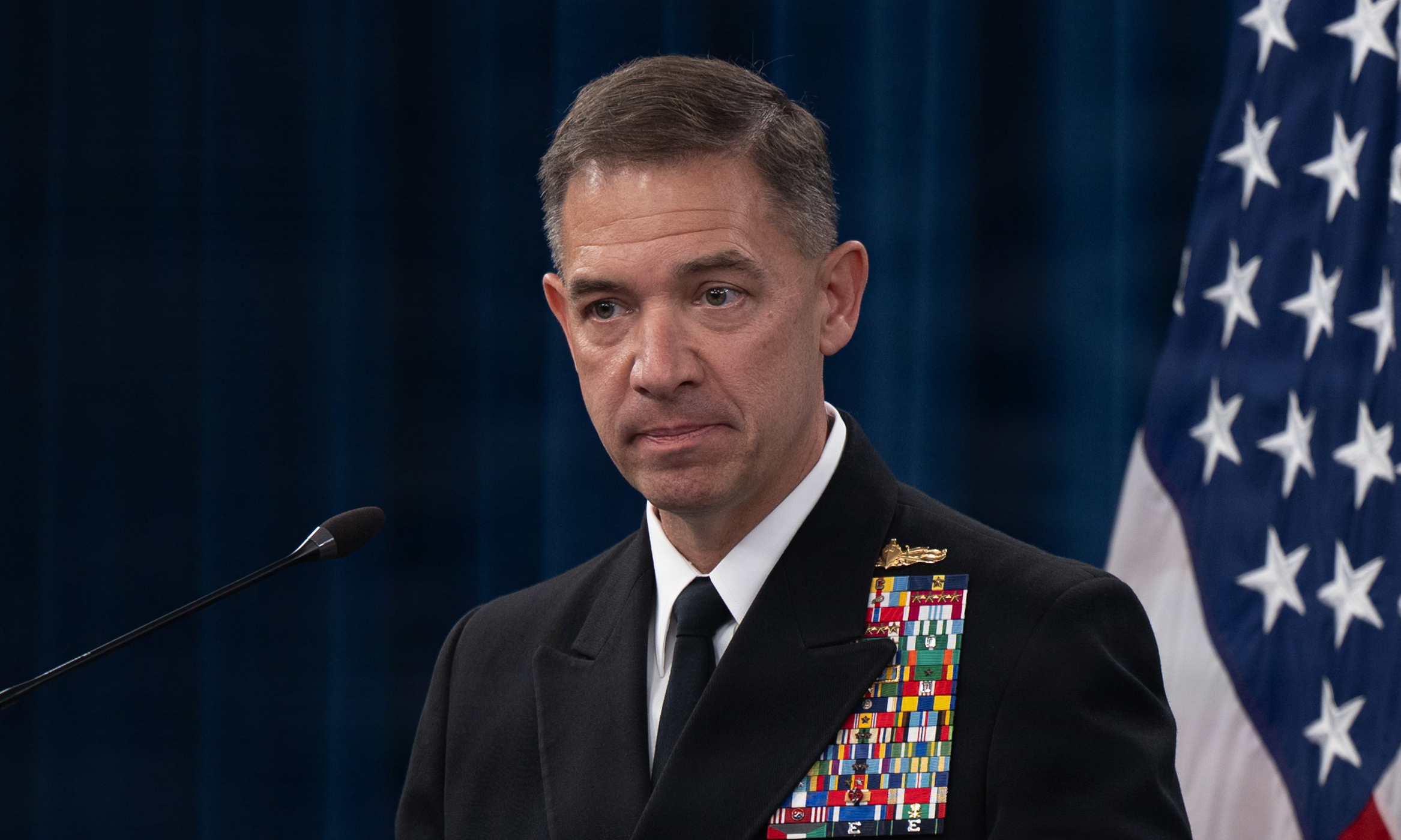 |
Do doc Cooper trong cuoc hop bao tai Washington, My hoi thang 4. Anh: BQP My
Each US military branch has its own regulations regarding mobile phone use for soldiers on duty. While many service members must put away their phones, and these devices can be completely prohibited during sensitive operations for special forces, the current situation highlights a growing conflict. This conflict exists between real-time war reporting, often supported by satellite imagery and direct eyewitness accounts, and the US military's efforts to restrict any information that could assist Iranian attacks.
US officials have warned for years that some mobile phone applications could be exploited by adversaries to aid targeting. Reuters reported in May that commercial location data collected from smartphones and other devices has been used to target or monitor US forces. The Pentagon is also seeking tighter control over released information, citing concerns about operational secrecy. The agency often declines to comment on Iranian statements and rarely publicly details specific incidents causing US military casualties.
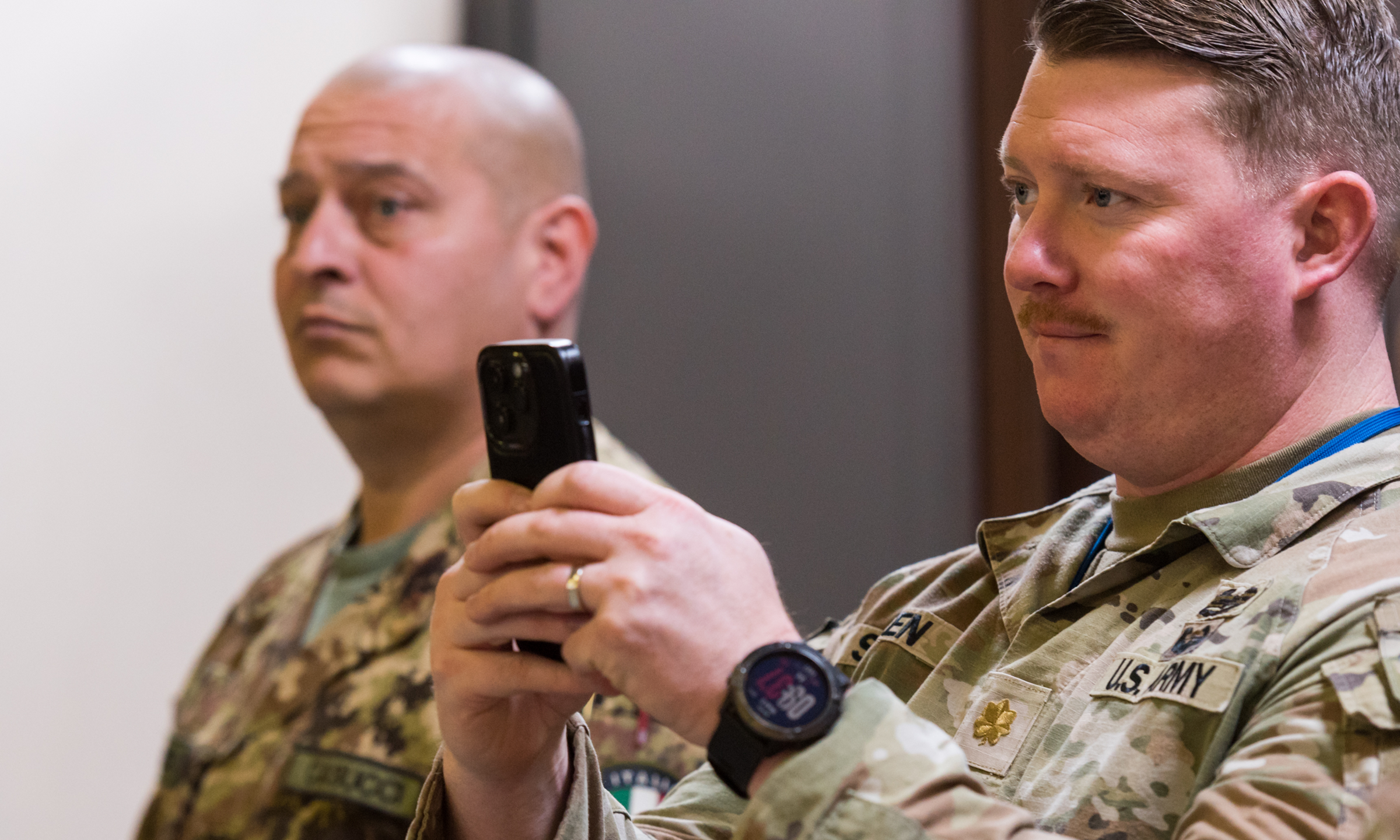 |
Quan nhan My dung dien thoai quay video trong le trao thuong tai can cu Erbil o Iraq hoi thang 3/2025. Anh: US Army
CENTCOM spokesperson Timothy Hawkins commented on the issue, stating, "This message serves as a general reminder to service members about the importance of maintaining operational security. This is one of many opportunities Admiral Cooper has used to communicate combat operational priorities."