US Defense Secretary Pete Hegseth announced on 13/8 in Panama that the US Navy possesses the capability to maintain an indefinite naval blockade against Iran. "The US Navy can maintain an indefinite naval blockade against Iran. We will rotate ships into the area and will continue to do so," Hegseth told reporters.
This statement followed his visit to the destroyer USS Gridley, previously deployed to the Middle East. The defense secretary emphasized that the Pentagon would sustain economic pressure on Iran, supporting negotiation efforts to end the conflict.
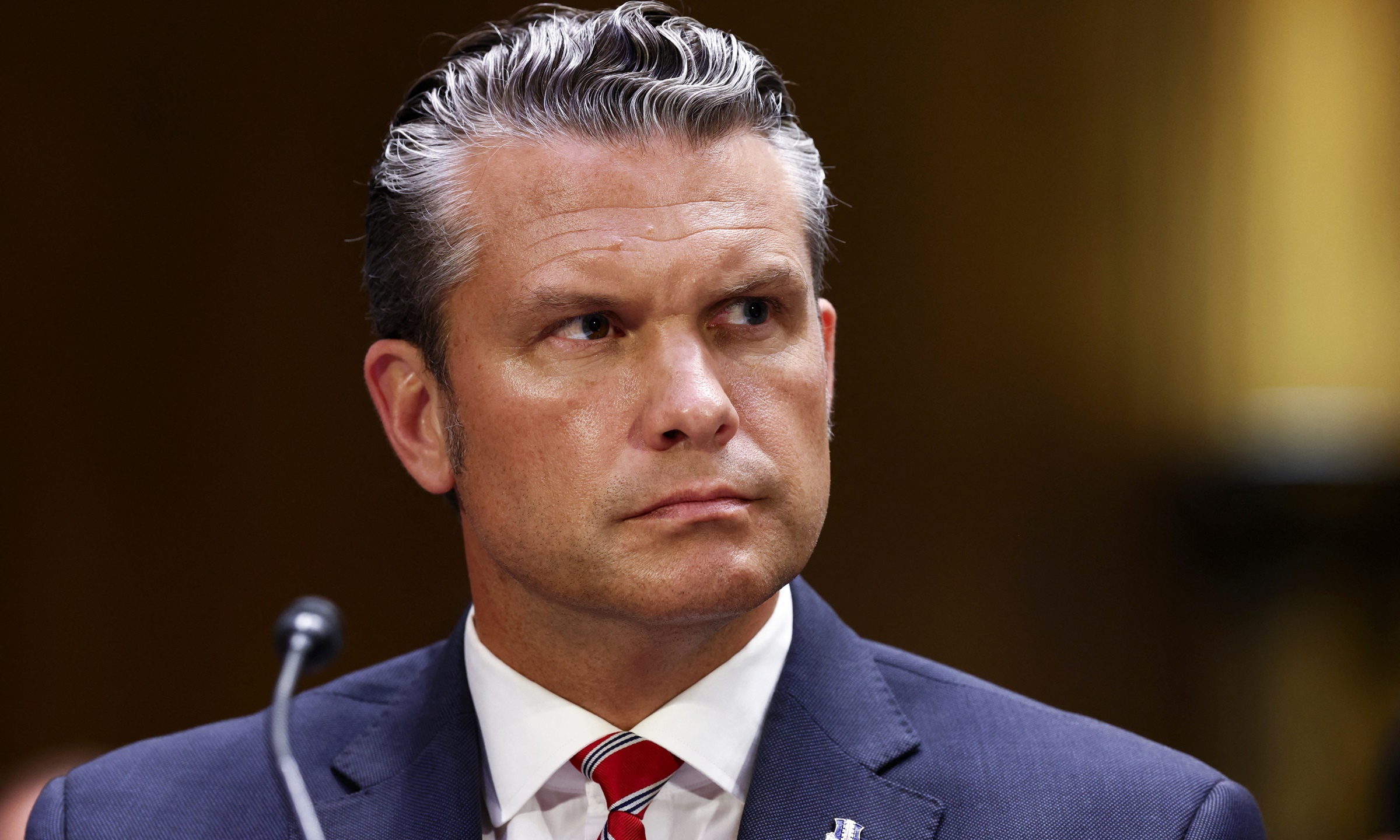 |
Secretary Hegseth testifies before the Senate Budget Committee in Washington, DC on 21/7. Photo: AFP |
Echoing this stance, President Donald Trump declared on 12/8 that the US had complete control of the Strait of Hormuz, vowing to "maintain that control long-term". He characterized the naval blockade as forming a "steel wall" around Iran, asserting that the nation was powerless to alter the situation.
The US first implemented this maritime blockade in April to restrict Iran's exports, aiming to compel the country to open the Strait of Hormuz, a critical shipping lane transporting 20% of the global oil and gas supply.
A 14-point memorandum signed by the US and Iran in mid-June outlined a potential path to de-escalation. Article 5 of the agreement committed Iran to facilitating safe, free passage for commercial vessels through the Persian Gulf - Gulf of Oman route within 60 days. In exchange, the US would lift the blockade on Iranian ports and grant sanctions exemptions for its oil exports.
However, escalating tensions subsequently led President Trump to order the re-imposition of the naval blockade on Iran.
US Central Command (CENTCOM), responsible for US military operations in the Middle East, reported that as of 11/8, US forces had diverted 55 vessels and boarded two others. During an earlier blockade period from 13/4 to 18/6, the US military neutralized 9 ships and diverted over 140 vessels.
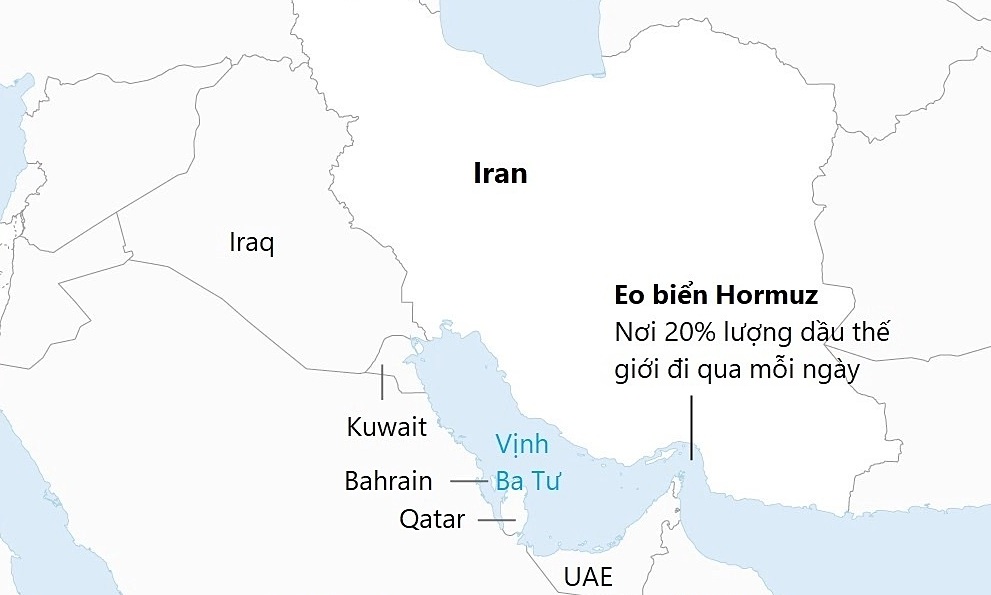 |
Location of Iran and the Strait of Hormuz. Graphic: Guardian |
Despite months of US airstrikes targeting Iran's leadership and armed forces, the country has not lost control of the Strait of Hormuz. Iran has consistently retaliated with attacks on US bases and regional allies, and has targeted commercial vessels passing through the strait without Tehran's permission. Ending the blockade remains one of Iran's conditions for reopening the Strait of Hormuz.
By Thanh Danh (Reuters)