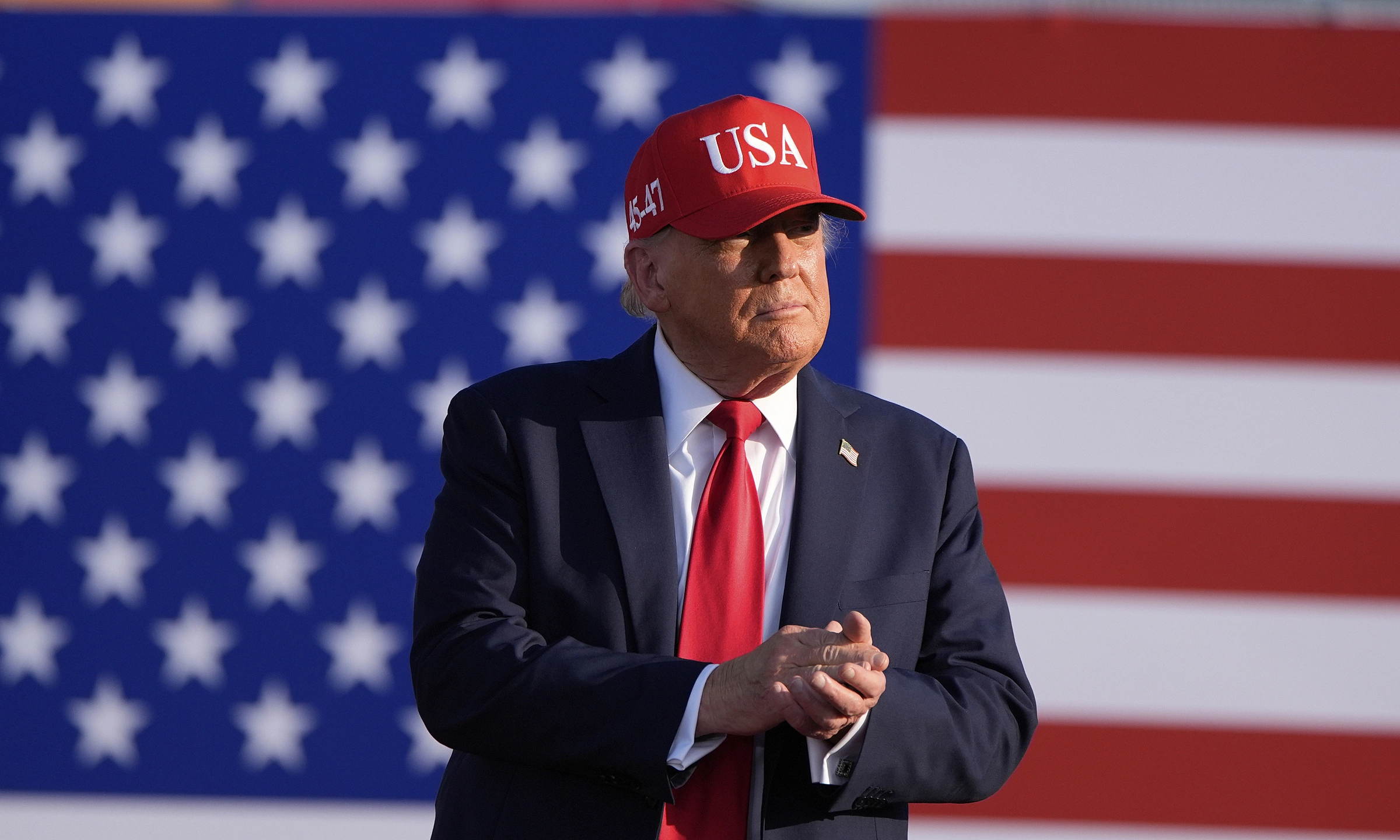
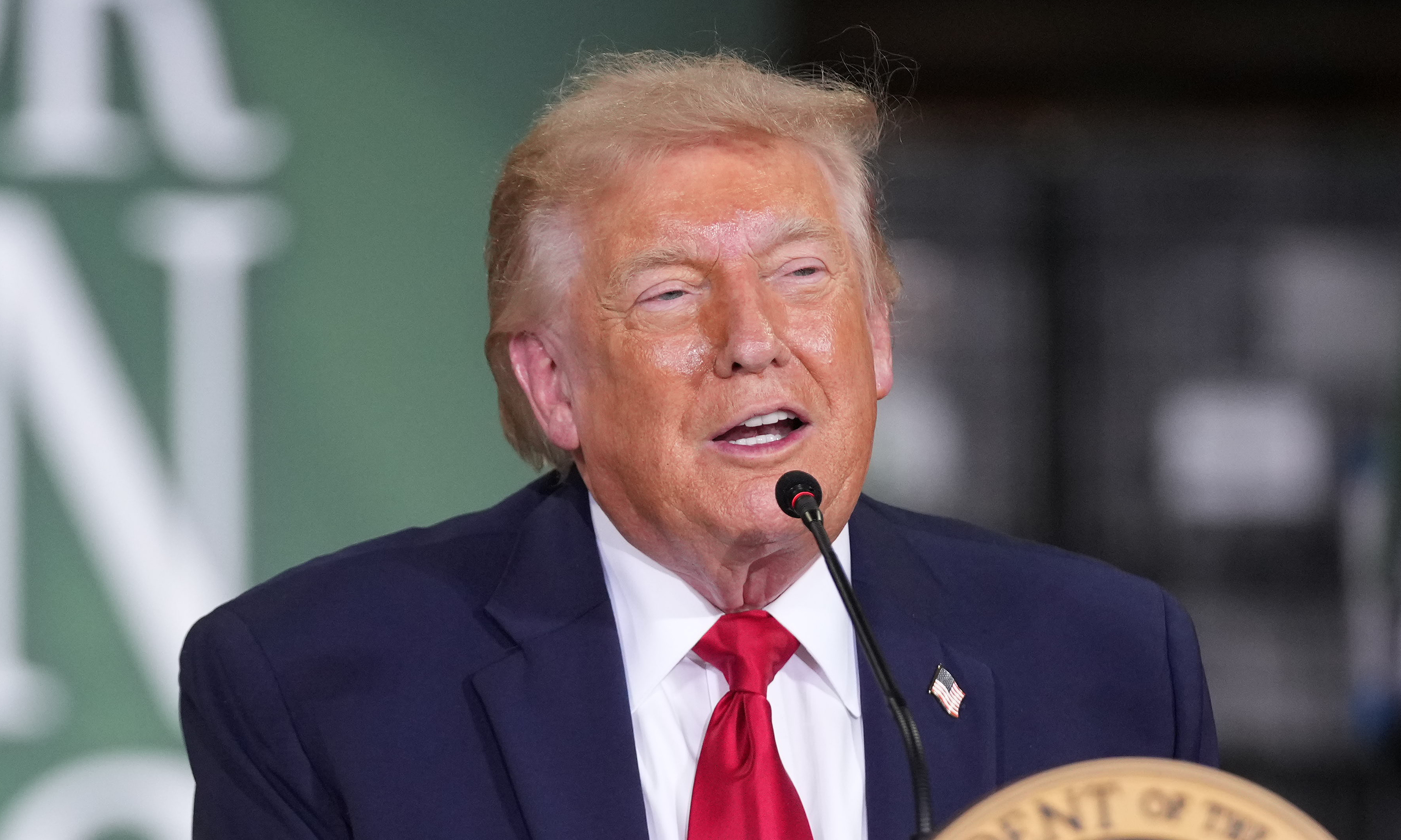
"My uncle, Doctor John Trump, was a great person, a graduate of the Massachusetts Institute of Technology (MIT) and taught there for a record long time. He was a super genius", then US President Donald Trump proudly boasted during a visit to the US Centers for Disease Control and Prevention in Georgia in 2020.
This was not the first time Trump mentioned his esteemed uncle. In a 2018 interview, Trump referred to his uncle, John Trump, as a "great professor" who had discussed nuclear issues with him.
While some expressed skepticism about Trump's accolades, historians suggest that in this instance, the US President's description of his professor uncle might even be understated. Timothy Chu, an expert at the Hoover Institution, asserts that John Trump was a true genius in both engineering and military science.
John Trump (1907-1985), the younger brother of Fred Trump, Donald Trump's father, played a crucial role in developing radar during World War II. At the time, radar was lauded as a victory-winning weapon, second only to the atomic bomb.
Two days before the Allied forces launched their historic landing on the beaches of Normandy, France, John Trump stood on a cliff in England, fine-tuning a specialized radar system designed to guide the ships and aircraft transporting troops across the sea.
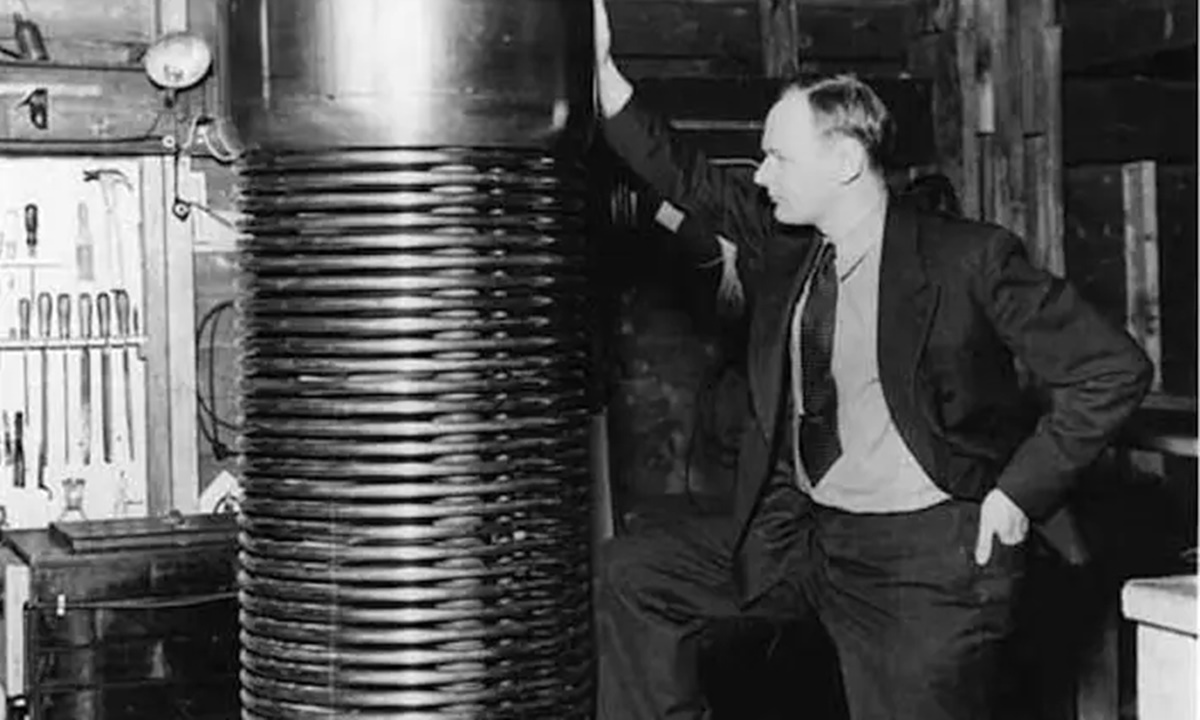 |
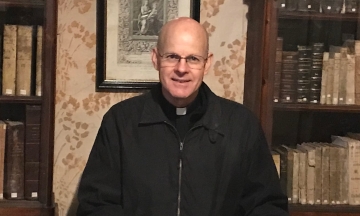
Professor John Trump, described by President Donald Trump as a "super genius" mind. Photo: MIT Museum |
Professor John Trump, described by President Donald Trump as a "super genius" mind. Photo: MIT Museum
Later, he made significant contributions to the success of the US space program and pioneered methods for semiconductor manufacturing. The veteran MIT professor was honored by King George VI and President Harry S. Truman for his wartime contributions and later awarded the National Medal of Science by President Ronald Reagan.
John Trump's wartime contributions began with a 1940 mission approved by British Prime Minister Winston Churchill, who was then eager for US support after Adolf Hitler's defeat of France.
Churchill's secret mission transferred a key radar component, the "cavity magnetron", to the US. This compact, palm-sized device could generate microwaves powerful enough for airborne radar. This move activated radar projects in the US and significantly boosted cooperation between the two nations in critical scientific and technological fields.
Following this, John Trump helped establish the US's most advanced radar laboratory at MIT to implement these innovations and secure air superiority for the Allies.
In 1944, as D-Day approached, John Trump managed a secret field laboratory in England. There, he worked closely with the US military to prepare MIT's radar for battle.
Thanks to radar developed by MIT, US bombers could "see" through cloud cover and destroy German oil refineries and airfields, ensuring absolute air superiority before General Dwight D. Eisenhower's landing forces reached the Normandy beaches.
Radar also facilitated one of the most successful and largest parachute drops in history on D-Day, as guided aircraft deployed a force of 23,000 troops directly behind enemy lines.
"Without absolute air superiority, I would not be here", General Eisenhower later declared at Normandy.
As the war in Europe intensified, the top air force general under General Eisenhower stated that the radar field laboratory led by John Trump was "one of the most important factors" in achieving US air victory.
One week after D-Day, in retaliation, Hitler unleashed a secret weapon on England: the world's first cruise missiles, known as V-1s. However, the MIT laboratory's SCR-584 radar system was ready, detecting V-1 missiles as they flew across the English Channel, thereby aiding in guiding aircraft and anti-aircraft artillery batteries to intercept them.
Writing in his diary on 19/7/1944, John Trump recounted a lunch with King George VI and Queen Elizabeth of England, where the King "asked many questions about radar research in the US". Prime Minister Churchill later wrote that "the V-1 missiles were subdued" by the new radar system from the US.
MIT's radar was also deployed in the Pacific theater, most notably in 1945 on the Enola Gay bomber during its mission to drop the first atomic bomb on Hiroshima, Japan.
General George S. Patton, after meeting with John Trump in 1945 to discuss war science, remarked: "From now on, wars not only can but must be conducted this way".
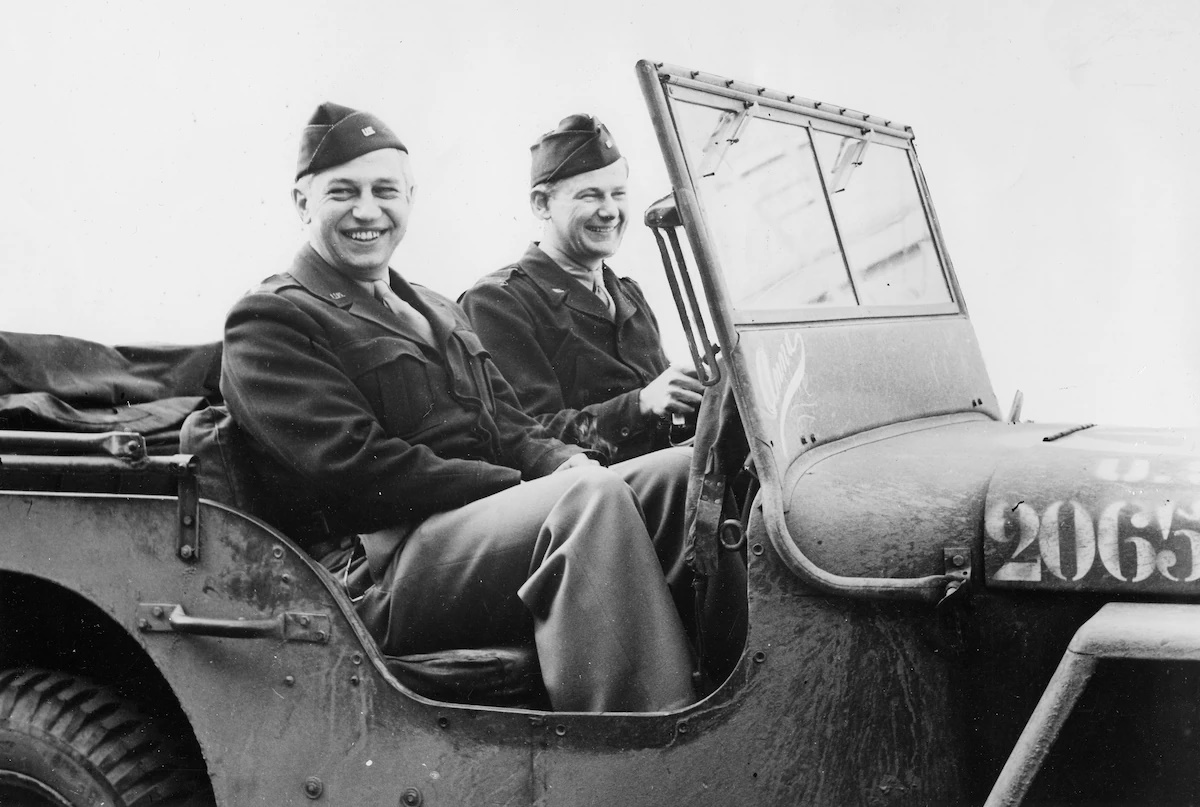 |
John Trump (right) in Paris, France, 4/1945. Photo: AP |
John Trump (right) in Paris, France, 4/1945. Photo: AP
After World War II concluded, the race to conquer space began. In 1962, the US conducted a high-altitude nuclear test called Starfish Prime, which generated radioactive fallout and destroyed many satellites. NASA was concerned that the radiation produced could threaten the lives of astronauts.
When consulted, John Trump provided calculations to reassure NASA that continuing manned space flights between tests was safe. This allowed the US space program to advance rapidly.
John Trump also co-founded one of the first venture capital-funded companies in the US. This company specialized in developing cancer treatments and perfecting the commercial process of transforming raw silicon into semiconductors, a major breakthrough for the computer industry.
History shows that President Trump clearly did not "overstate" his "super genius" uncle, expert Timothy Chu said. John Trump's intellectual stature has been recognized by both the scientific community and US history.
Vu Hoang (According to Washington Post, AFP, Reuters)