"Menu del dia," or "menu of the day," is a special tradition in Spain. A full three-course lunch, including a starter, main course, and either dessert or coffee, offered at a reasonable fixed price, is an essential choice for locals during the work week.
However, as the Iran conflict drives up energy prices across Europe, consumers are beginning to cut back on spending, from an extra glass of wine or dessert during their familiar lunch to everyday purchases.
"We have noticed changes in our customers' spending habits over the past few months," said Esteve Canas Prat, owner of Casi restaurant in Barcelona.
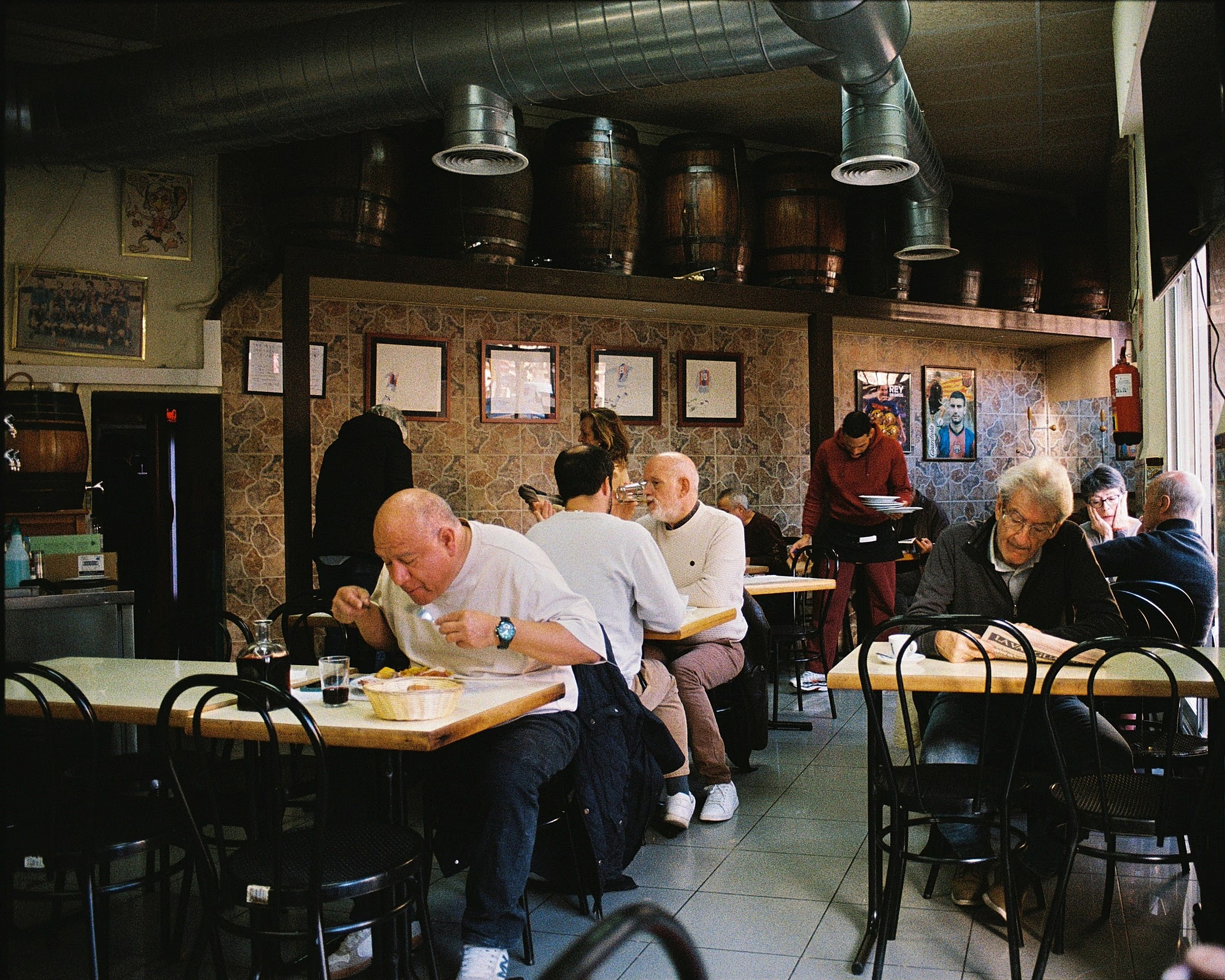 |
A restaurant in Barcelona, Spain, in January 2026. Photo: Guardian |
Regulars at his restaurant used to order extra drinks or dessert but now stick to the fixed menu, priced at 17,5 euros (about 20,55 USD). Some who once dined five times a week now only visit two or three times.
"Because we are a family business with many loyal customers, these changes are easily noticeable," Canas said.
After the Iran conflict erupted in late February, the disruption to oil flow through the Strait of Hormuz sharply drove up energy prices across the Eurozone. This reduced household incomes and sparked inflation fears. Inflation surged to 2,6% in March from 1,9% in February.
This has affected many other sectors of the economy. The CEO of Swedish clothing retailer H&M warned in March that a prolonged conflict in the Middle East could reduce consumer purchasing power.
German national airline Deutsche Lufthansa said on 21/4 that it expects to cut 20.000 flights this summer to save jet fuel. Fatih Birol, Executive Director of the International Energy Agency, said earlier this month that Europe only had about six weeks of jet fuel reserves left.
Frederico Oliveira da Silva, head of energy at the European consumer organization BEUC, warned the situation could worsen if energy suppliers "profit from the crisis, raise prices, or change contracts prematurely."
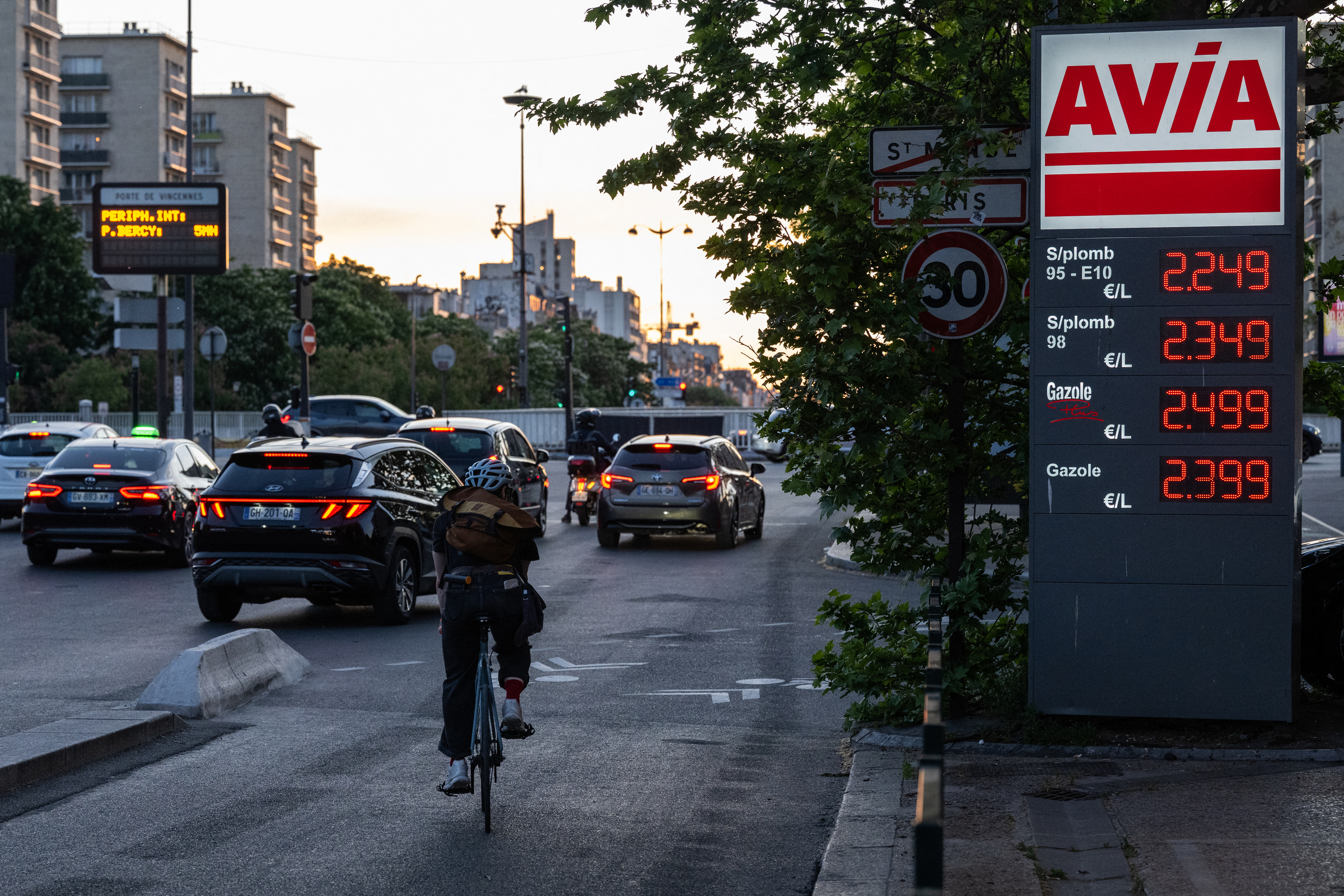 |
A fuel price display board in Saint-Mande, east of Paris, France, on 24/4. Photo: AFP |
An Ipsos survey earlier this month showed that about 50% of French consumers are concerned about the consequences of the Middle East conflict on fuel prices and inflation. Escalating prices could also lead to a spiral: workers demand higher wages, forcing companies to continue raising prices, which in turn further increases inflation.
The European Commission stated the bloc has lost an additional 24 billion euros (about 28 billion USD) on energy imports since the conflict began. Some member states have proposed support measures to alleviate the impact of rising costs.
Meanwhile, European consumers are coping by spending more thoughtfully. "People still want to maintain their habits and enjoy life at familiar places, but they are doing it on a tighter budget," Canas said.
Thanh Tam (According to WSJ, AFP)