"I just canceled the trip of my representatives to Islamabad, Pakistan to meet with the Iranian side. Too much time wasted on travel and too much work", US President Donald Trump announced on social media on 25/4.
"Additionally, there is a great deal of internal struggle and chaos within 'their leadership'. No one knows who is in charge, including themselves", he stated.
However, the US leader left open the possibility of continued negotiations, stating that Iran only needed to "call" if it wished for dialogue.
The White House had previously announced that special envoy Steve Witkoff and Jared Kushner, President Trump's son-in-law, would travel to Islamabad on 25/4 to attend the second round of talks with Iran.
When asked if the canceled trip meant conflict would continue, President Trump replied, "No." "We have not thought about that", he said.
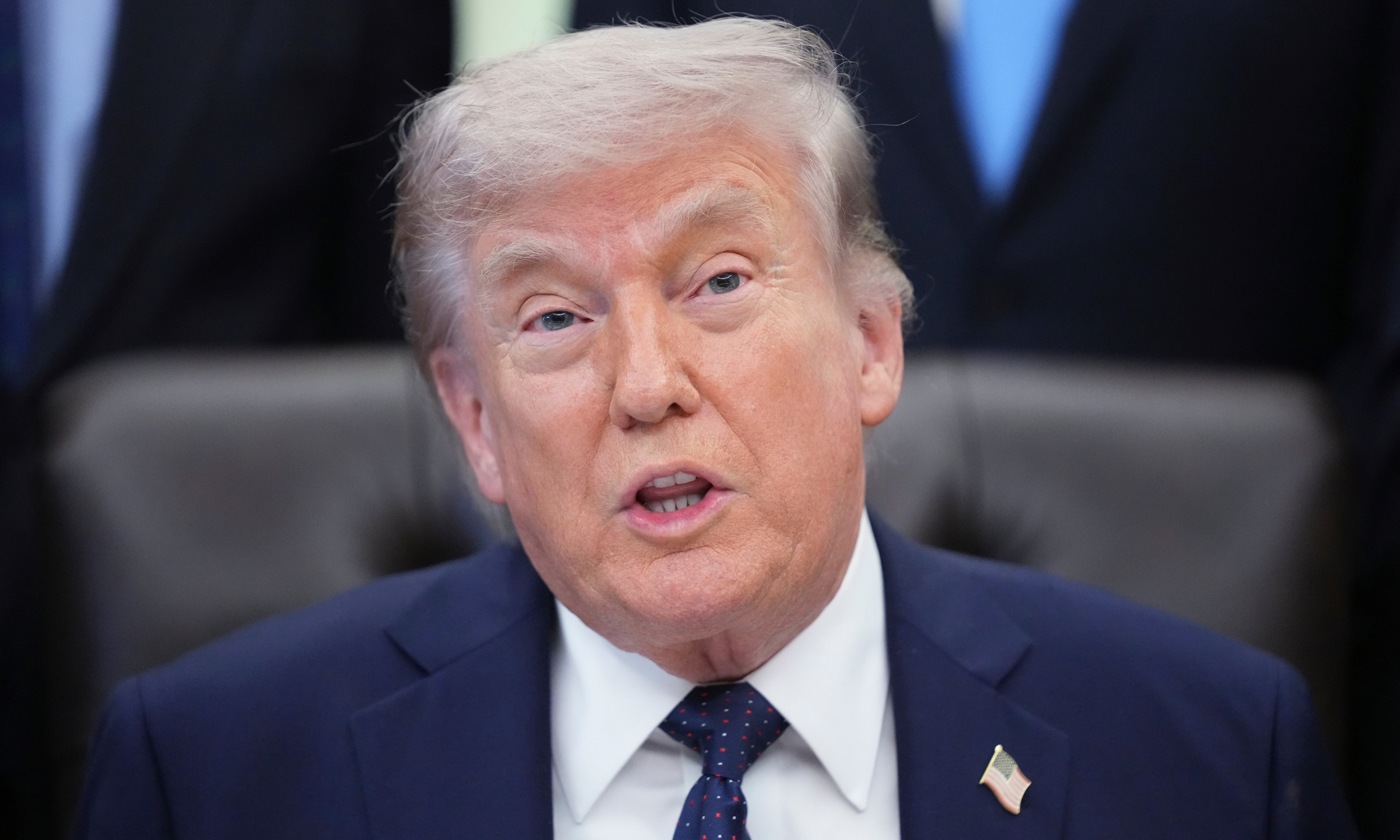 |
US President Donald Trump speaks at the White House on 23/4. Photo: AP. |
The US President said he canceled the trip due to dissatisfaction with Iran's negotiation stance, adding that he had received a revised proposal only minutes after making the decision.
"They gave us a draft that should have been better. Interestingly, immediately, within just 10 minutes of me canceling the trip, we received a much better proposal", he told reporters.
President Trump declared that the US held "all the cards" and Iran could call anytime it wished, but Washington's delegation "would not undertake more 18-hour flights just to sit and talk fruitlessly".
Shortly before this, Iranian Foreign Minister Abbas Araghchi had concluded a visit to Islamabad after meeting with Pakistan army chief Asim Munir, a key mediator in the negotiation efforts, as well as Prime Minister Shehbaz Sharif and Foreign Minister Ishaq Dar.
Iran stated that Araghchi had departed for Oman and would return to Pakistan after concluding meetings there, before continuing to Russia to discuss ways to end the conflict in the Middle East.
The Iranian Foreign Minister described his visit to Pakistan as "very effective", but expressed skepticism about US intentions. "I have yet to see if the US is truly serious in its diplomatic efforts", he said.
Even before President Trump canceled plans to send a delegation to Pakistan, the prospect of talks between Tehran and Washington was dim, as Iran had stated it had no plans to meet US officials in Islamabad and that Pakistan would serve as an intermediary to convey proposals between the two sides.
Prime Minister Sharif said he had discussed with Iranian President Masoud Pezeshkian and reaffirmed Pakistan's commitment to promoting "lasting peace".
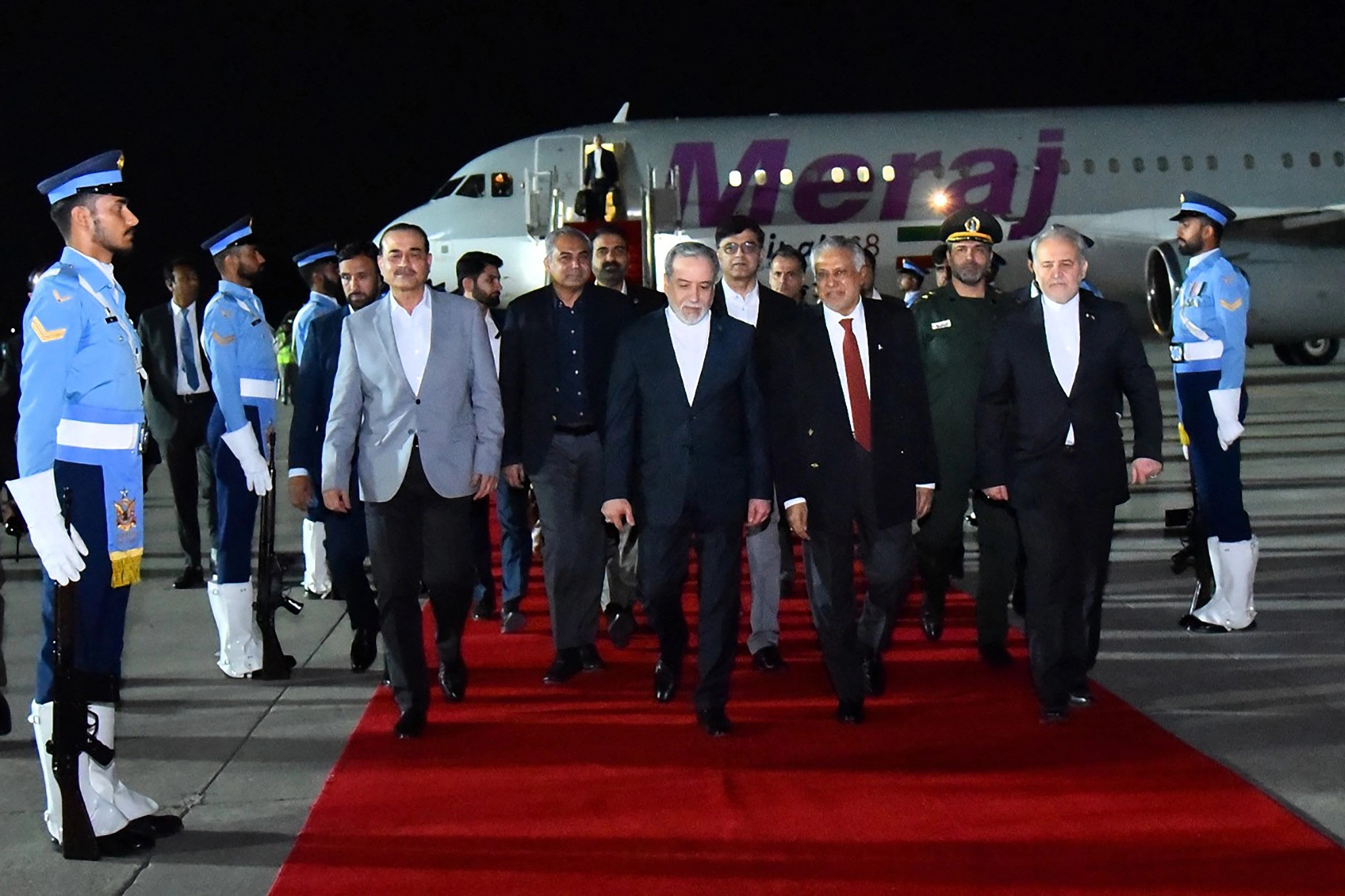 |
Foreign Minister Araghchi (center) at Nur Khan base, near Islamabad, Pakistan on 24/4. Photo: AFP. |
The US and Iran previously negotiated for about 21 hours in Islamabad on 11/4, but failed to reach consensus on key issues, including control of the Strait of Hormuz and whether Iran could continue uranium enrichment.
President Trump had ordered a blockade of Iranian ports starting 13/4 to pressure the country into accepting the agreement's terms, but Tehran did not concede and responded by tightening control over the Strait of Hormuz.
Peace talks were expected to resume on 21/4 but did not occur, as Iran declared it was not ready for direct dialogue with the US. President Trump had extended a ceasefire with Iran until Tehran presented a concrete proposal to Washington.
By Pham Giang (According to AFP)