The US Environmental Protection Agency (EPA) is currently evaluating Google's proposal to deploy a total of 32 million mosquitoes over two years. The plan specifies releasing up to 16 million mosquitoes in Florida during the first year, followed by another 16 million in California the subsequent year.
This initiative builds on Google's Debug program, which involves rearing male mosquitoes infected with Wolbachia bacteria, rendering them infertile. Crucially, only female mosquitoes bite humans and transmit diseases. When these Wolbachia-infected males mate with wild female mosquitoes, the resulting eggs are inviable and fail to hatch. This method leads to a significant, exponential decline in mosquito offspring with each short life cycle.
While a leading technology company cultivating mosquitoes in a laboratory might seem unexpected, Alphabet, Google's parent company, has a long history of investing in scientific endeavors. Google acquired Debug, a program that leverages technology for mosquito control, in late 2024.
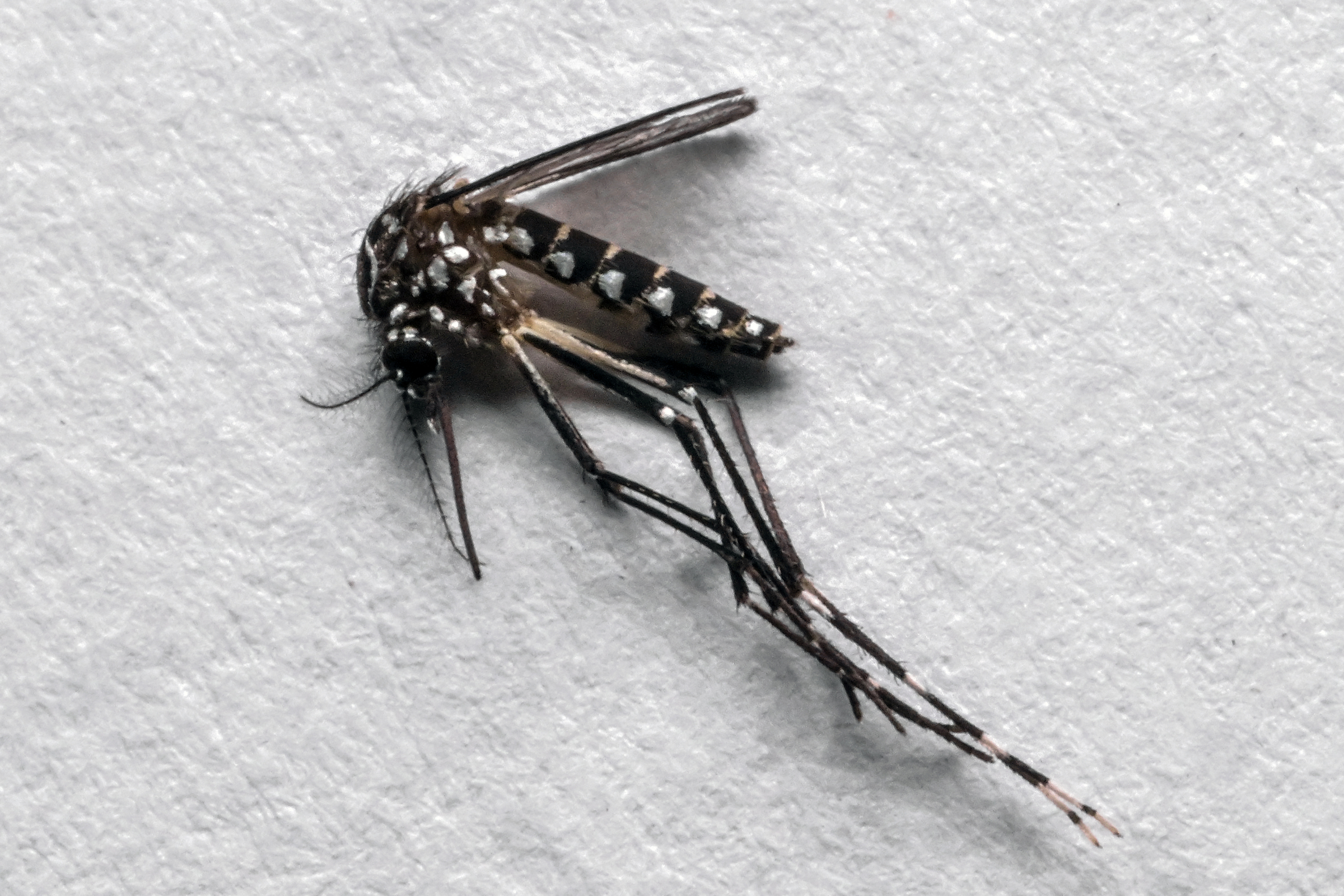 |
An Aedes aegypti mosquito. Photo: AFP |
Google asserts that existing mosquito control measures are inadequate. Pesticide spraying can be toxic and often diminishes in effectiveness over time, while the task of identifying and treating all stagnant water sources where mosquitoes breed presents considerable difficulty.
Initially, Google is targeting the Aedes aegypti mosquito, which is the primary vector for the majority of dengue, Zika, yellow fever, and chikungunya cases. Google's experts are employing data analytics and sensors to develop an "automated rearing system." A key challenge involves utilizing AI-powered computer vision to accurately differentiate between male and female mosquitoes, ensuring the precise release of males "in the correct location and quantity."
The EPA will determine whether to issue an experimental use permit to Google following a public comment period, which concludes on 5/6.
The Debug project has already demonstrated success in Singapore, which served as the program's inaugural international research and development center. By releasing millions of Wolbachia-carrying male mosquitoes, the project helped Singapore achieve an "80-90% suppression" of its Aedes aegypti population and a reduction of over 70% in dengue cases within 6 to 12 months of implementation.
Duc Trung (Sources: Guardian, KTLA, USA Today)