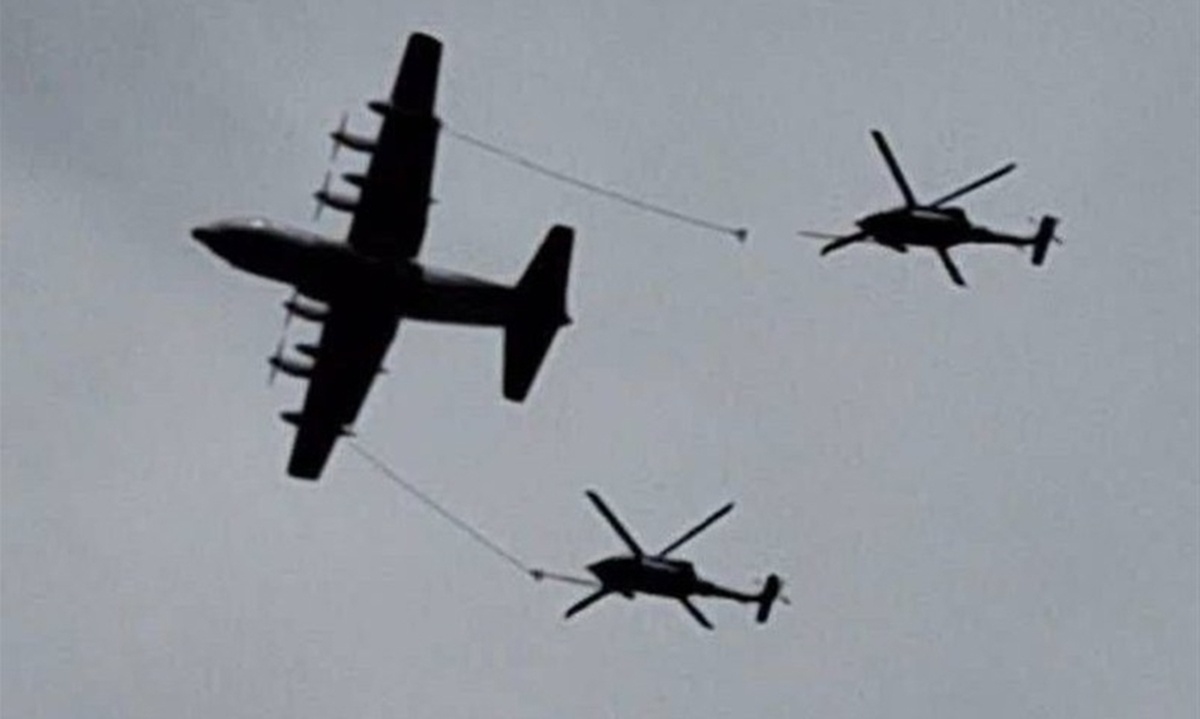
US media reported on 3/4 that an F-15E fighter jet was shot down in southwestern Iran, with two pilots ejecting. This marks the first time a US combat aircraft has been shot down over Iran since the conflict erupted in late February.
The US military launched a large-scale search and rescue operation, with special forces rescuing one pilot. However, the second pilot, who served as the weapon systems officer, remains missing and is likely evading Iranian forces while awaiting rescue. Pilots typically eject almost simultaneously, but wind and other factors can separate them after parachute deployment.
According to experts, US fighter pilots receive extensive training for the worst-case scenario: ejecting from their aircraft. This training covers not only how to use the ejection seat but also how to survive after landing in hostile territory.
"You're thinking, 'Oh my goodness, two minutes ago I was in the cockpit of a fighter jet, flying over 800 km/h, and now a missile has just exploded a few meters from the aircraft'," described former US Air Force General Houston Cantwell, currently at the Mitchell Institute for Aerospace Studies.
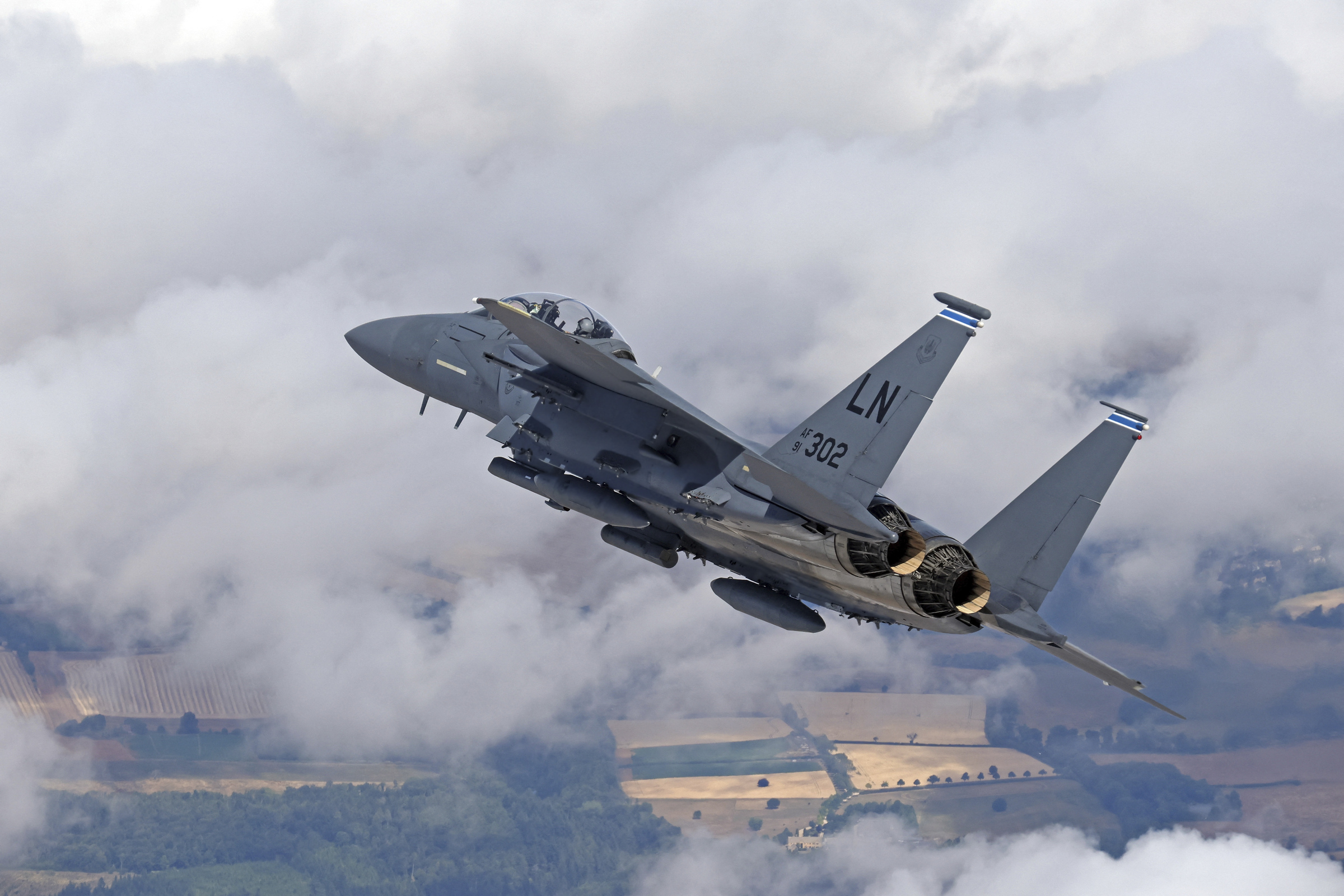 |
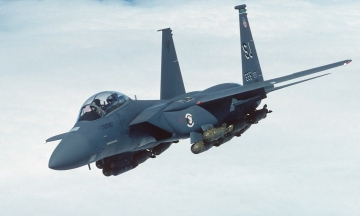
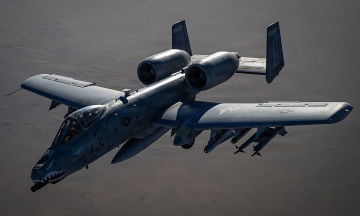
A US Air Force F-15E fighter jet. *Photo: AFP*
According to Cantwell, this is when the downed aircrew begins to execute the trained procedures to increase their survival chances before touching down. This process is called SERE, an acronym for Survival, Evasion, Resistance, and Escape.
"The most valuable information you gather is while you're still airborne", Cantwell stated. "That's when you have the best vantage point to decide where to go, or which areas to avoid once you hit the ground".
Cantwell, with approximately 400 combat flight hours, including missions in Iraq and Afghanistan, underwent extensive training in parachute landing techniques under harsh conditions. He noted that even with a parachute, landing still carries a risk of foot, ankle, and leg injuries.
Upon landing, the first action is to self-assess: check physical condition, ability to move, and potential for mobility. Subsequently, the survivor must evaluate the situation, determine their current location, ascertain if they are behind enemy lines, identify potential hiding spots, and figure out how to contact their unit.
"Try to evade enemy tracking forces for as long as possible", Cantwell advised. "And if in a desert environment, I would try to find water".
Simultaneously, Combat Search and Rescue (CSAR) teams, comprised of highly trained soldiers and pilots, are always on standby, ready to launch and search for signs of the pilot.
"That provides a tremendous sense of reassurance, knowing they will do everything possible to come and rescue you", Cantwell said. "But at the same time, they won't rush into a suicide mission".
In this context, the downed pilot can also contribute to increasing their chances of a safe rescue. "When on the ground, my top priority is to remain hidden, because I don't want to be captured", he stated. "I would try to move to a location that facilitates evacuation".
This could be a rooftop in an urban area or an open field large enough for a helicopter to land in a rural region. According to him, movement is safer and more effective at night.
Search forces employ very sophisticated methods, not only to locate the aircraft but also the downed pilot, noted Ravi Chaudhary, former US Assistant Secretary of Defense under Joe Biden. After landing, a pilot must immediately find safe cover and ensure "rescuers can identify their location, either visually or through communication".
"Most importantly, do that without revealing your position to hostile forces", he emphasized.
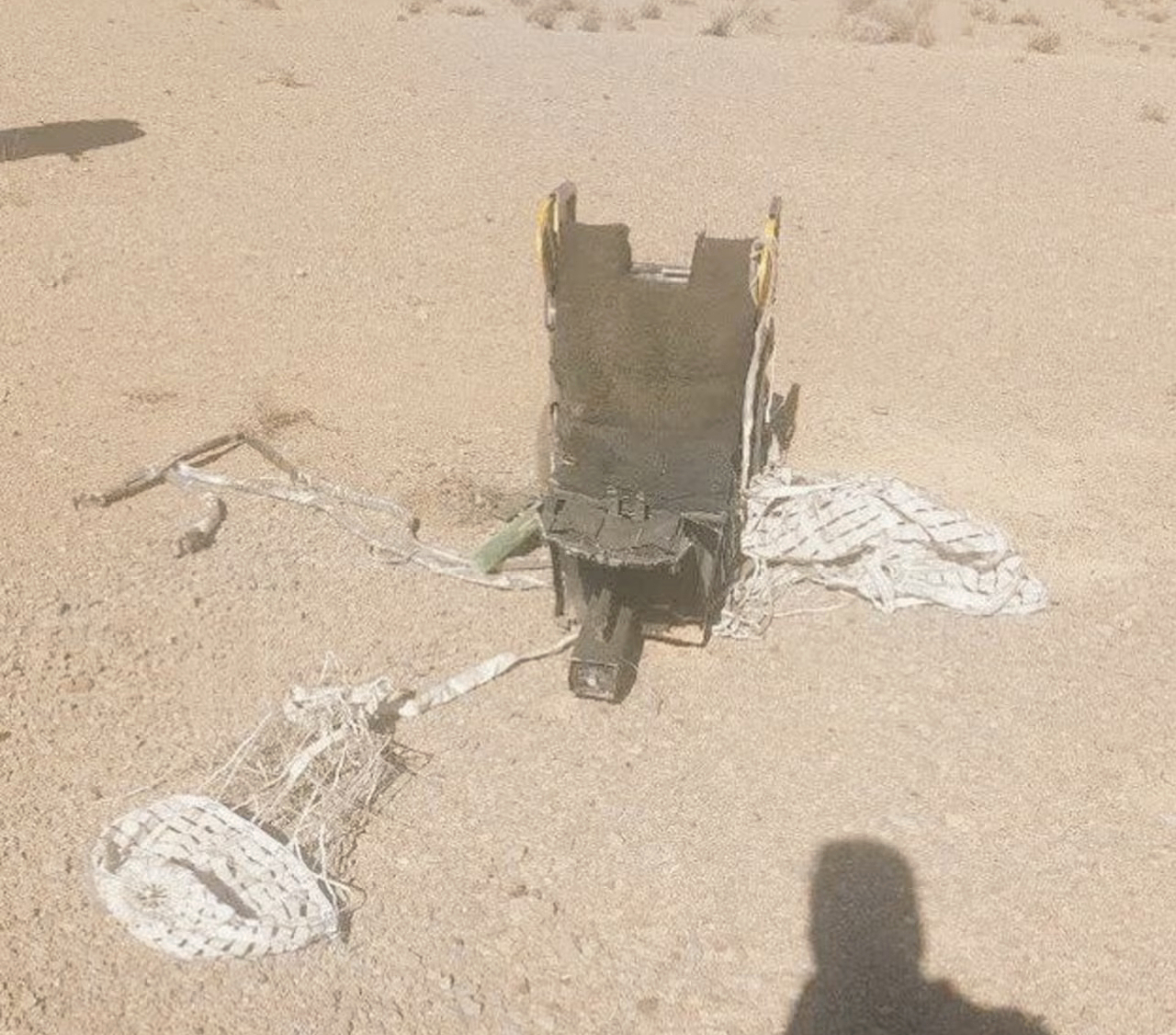 |
A pilot's ejection seat found in Iran, consistent with the type used on F-15 fighter jets. *Photo: CNN*
US pilots are typically equipped with a small kit, placed under the ejection seat or attached to their flight suit, to aid survival while awaiting rescue. "It will contain basic necessities, drinking water, and some survival equipment", he explained. "There are also communication devices, radios, things that help them transmit signals and increase the chances of the fastest possible rescue".
Cantwell mentioned that when he flew an F-16, he also carried a pistol.
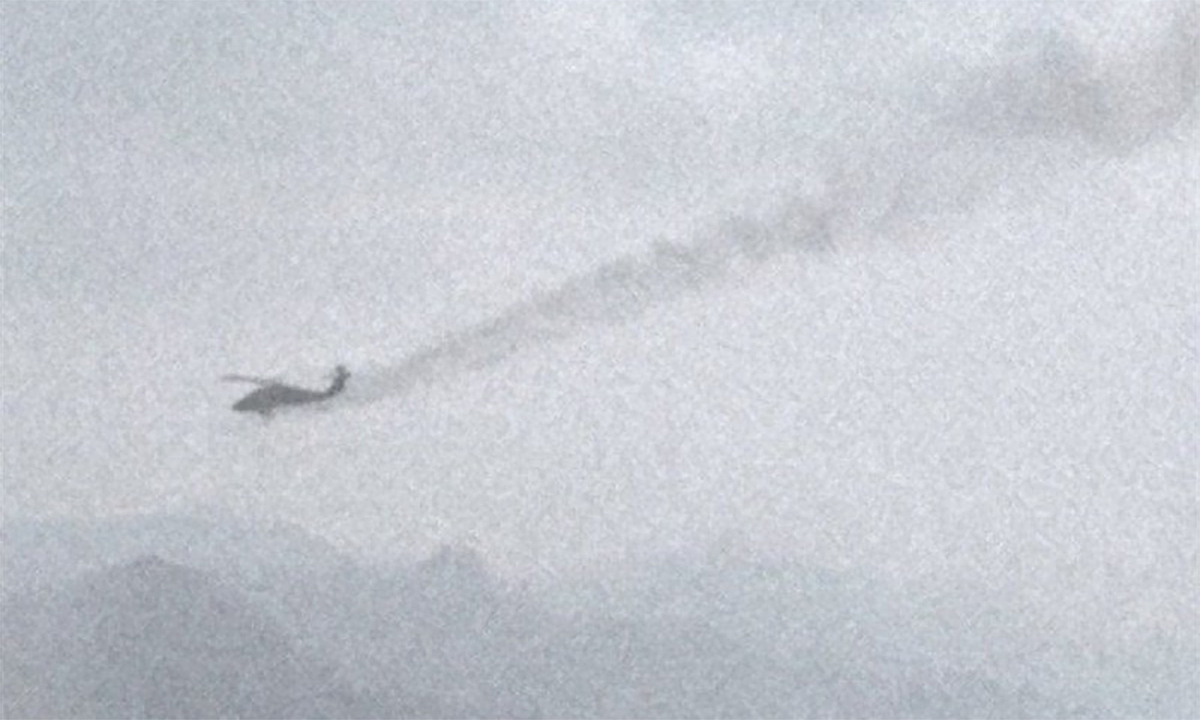
Iran's semi-official Tasnim news agency reported that the US is conducting a large-scale search operation involving Black Hawk helicopters and C-130 Hercules aircraft. Iranian media stated that police and military officials have offered a reward of 10 billion toman (nearly 60,000 US dollars) for anyone who finds the US pilot and hands them over to authorities.
Nhu Tam (AFP, CNN)