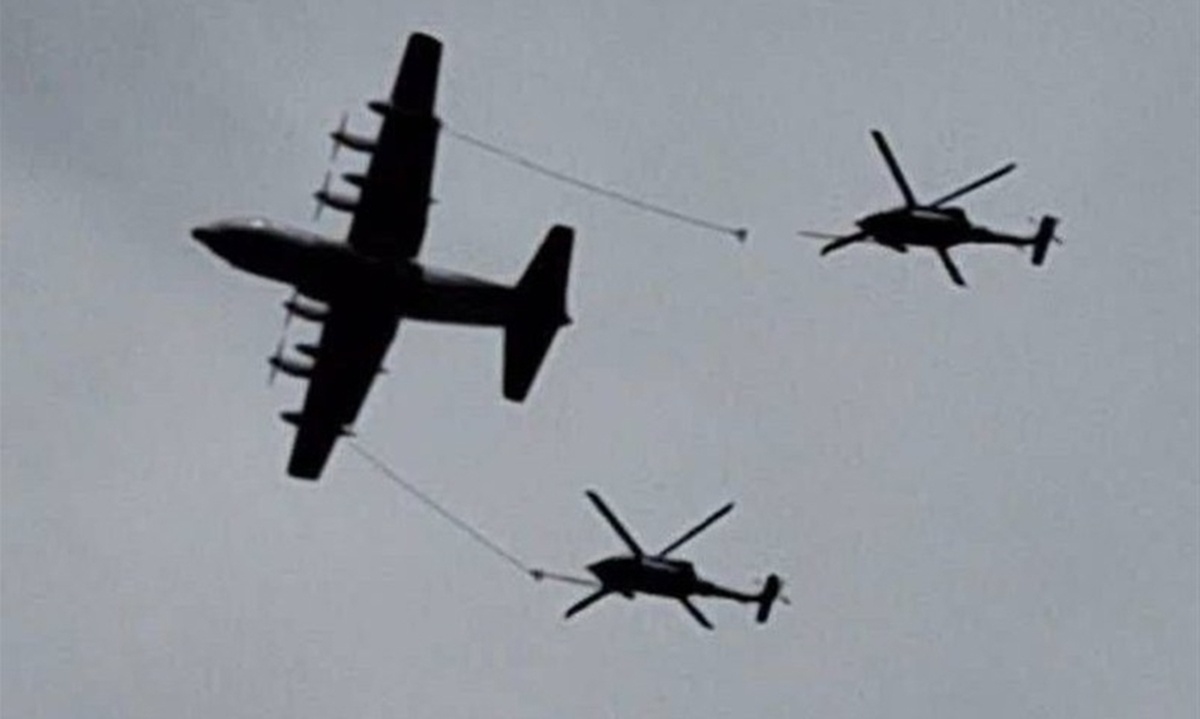
US President Donald Trump announced on 2/4 that the US military had destroyed the B1 bridge, one of the largest bridges in the Middle East, in Karaj city, located about 35 km west of Iran's capital, Tehran.
The strike destroyed a section of the bridge, killing 8 people and injuring nearly 100. Trump warned of continued airstrikes on Iranian bridges and power plants if the nation's leadership did not accept his conditions for ending the conflict.
A woman in her 20s cried as she sent a voice message to BBC reporters, expressing deep concern about the bridge attack and potential future targets.
The B1 bridge near Iran's capital, Tehran, in a video posted on 2/4. Video: Truth Social/realDonaldTrump
"I feel helpless. Trump posted on social media, announcing an attack on our bridge. I don't know how much further this will go. Why isn't anyone stopping him? The US President is truly pushing us back to the Stone Age," she said.
"Soon we will be left with a devastated country. What frustrates and breaks my heart most is that I am in the midst of Iran's destruction and can do nothing. My country is being destroyed more each day," a Tehran resident in their 20s said.
Iranians who disagree with the government also expressed concern when speaking to the BBC.
"That bridge could have helped reduce city congestion, but it has been destroyed. This incident makes me truly uneasy. I don't understand why they destroyed the bridge," one person said.
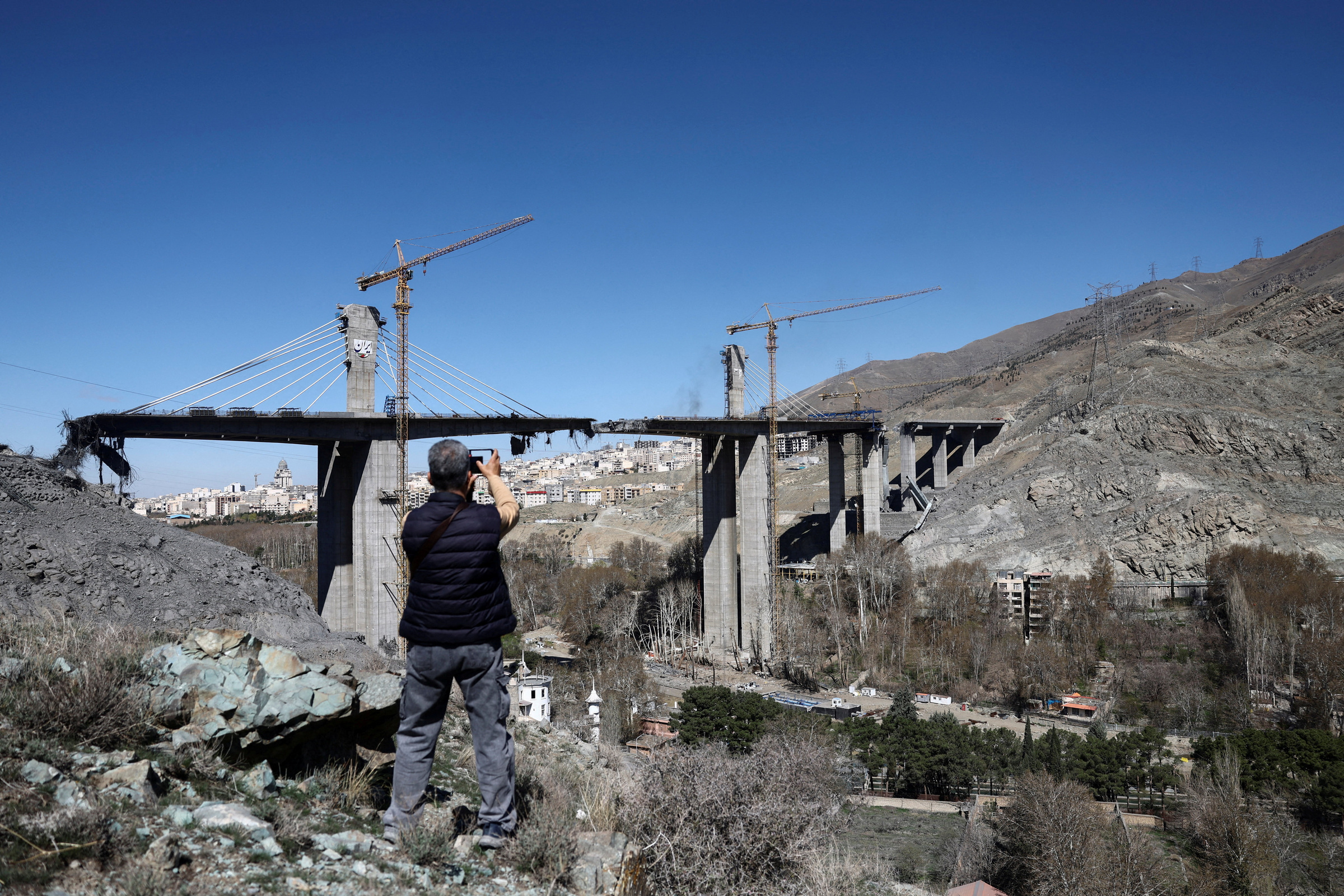 |
The B1 bridge damaged after two US strikes on 3/4. Photo: Reuters
The B1 bridge, valued at 400 million USD, was a crucial component of the North Karaj highway project, designed as a cable-stayed bridge. This soon-to-be-inaugurated structure was one of the tallest bridges in Iran and the region, standing at 136 m tall, and was expected to alleviate traffic on the route connecting the capital, Tehran, with northern areas.
"In terms of infrastructure, this was one of Iran's most important, time-consuming, and costly projects," Al Jazeera reporter Tohid Asadi said.
"I am truly surprised they attacked the bridge, but there must be a reason," a woman in her 40s who disagrees with the government said.
Iranian media reported that the US struck the B1 bridge twice, with the second strike occurring as emergency responders were deployed to the scene to assist victims of the first attack. According to Asadi, the double bombing happened while Iranians were on holiday, with families traveling in the area near the bridge.
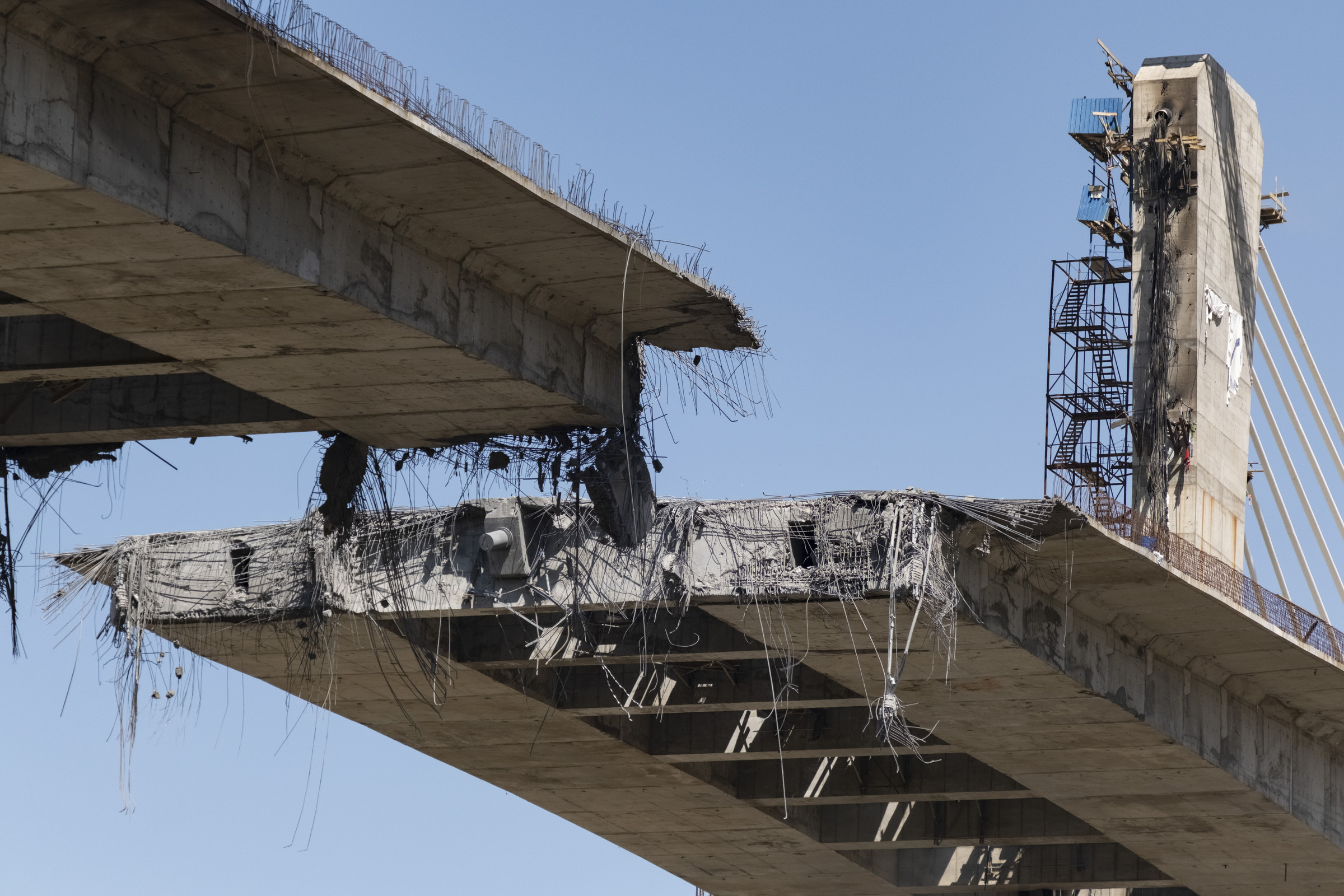 |
The B1 bridge damaged after two US strikes on 3/4. Photo: Reuters
On social media, many hardline Iranians called on the armed forces to retaliate by targeting bridges in neighboring countries hosting US military bases. Some believed the strike indicated that the US and Israel were not just targeting military objectives, but were aiming for "Iran's destruction."
The Israeli military stated it was not involved in the attack.
The conflict between Iran and the US-Israel is entering its 6th week with no signs of de-escalation. The Wall Street Journal reported on 3/4, citing sources, that mediation efforts by Pakistan to achieve a ceasefire between the US and Iran had "reached an impasse." Tehran reportedly informed the mediator that it was unwilling to send officials to Islamabad for negotiations in the coming days.
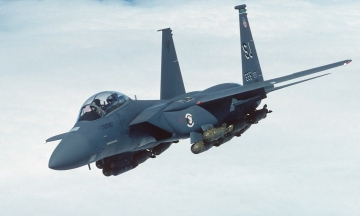
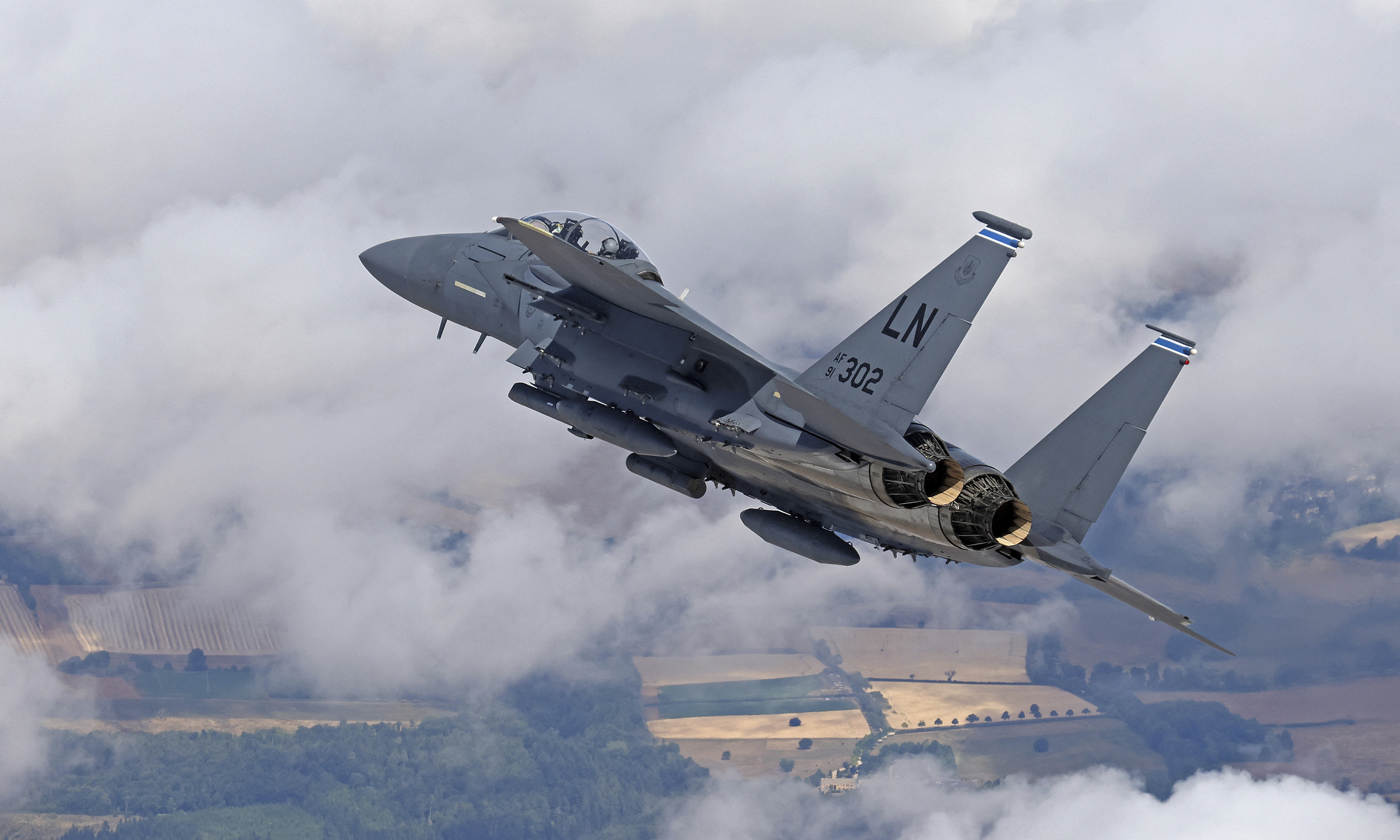
US media reported that one of its F-15E fighter jets was shot down over Iran on 3/4, forcing two pilots to parachute. One pilot was rescued by US special forces, while the other remains missing in Iranian territory. Both the US and Iran are deploying forces to search for this pilot. US Democratic Representative Adam Smith suggested that the negotiation landscape would change if Iran captured the downed F-15 fighter pilot alive.
By Duc Trung (According to BBC, Al Jazeera, Guardian)