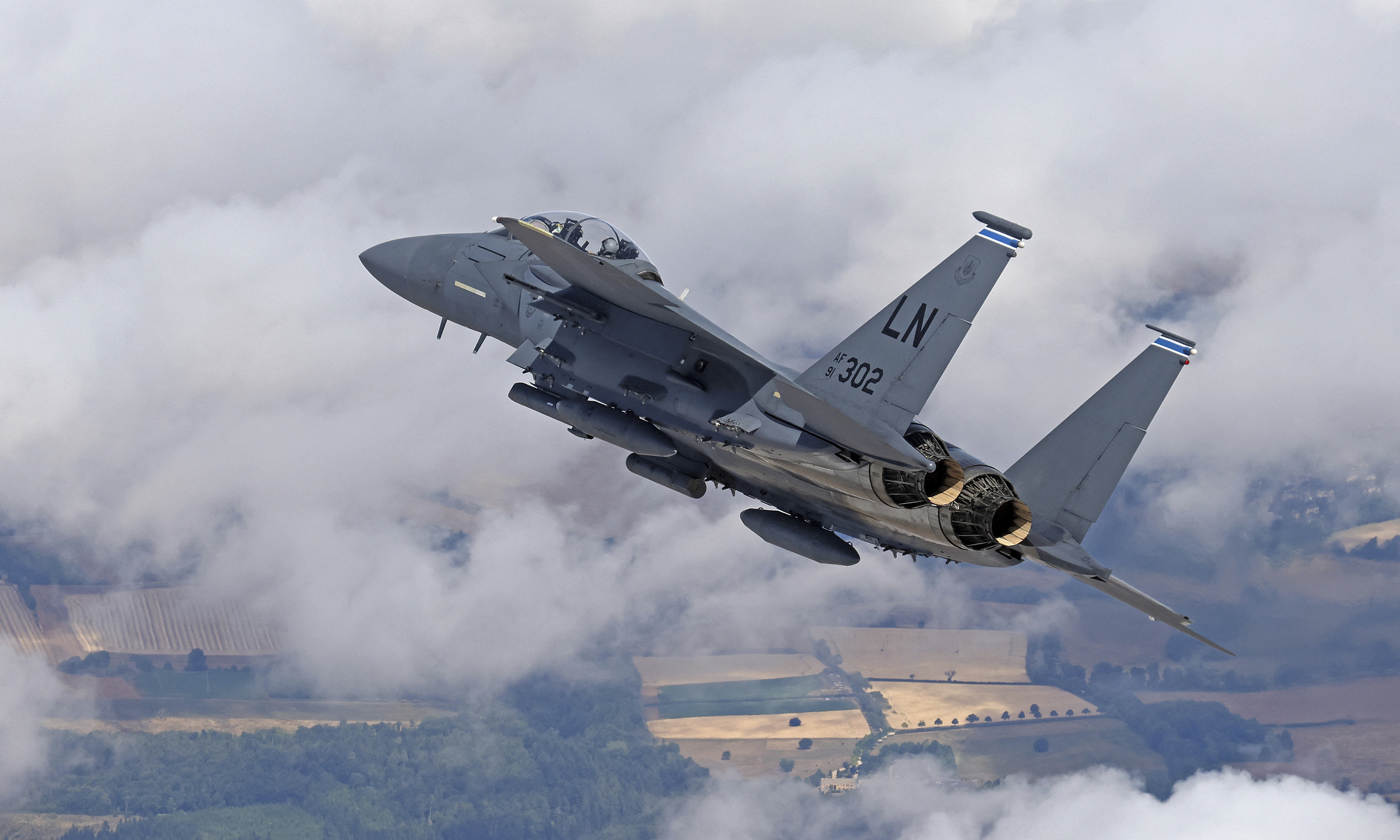
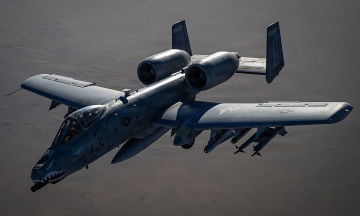
This week, the Pentagon announced that US forces had conducted over 11,000 strikes against targets in Iran over the past five weeks. The Pentagon emphasized significant progress in weakening Iran's military capabilities. Defense Secretary Pete Hegseth acknowledged that Iran retains missile launch capabilities, but stated that the number of launches has significantly decreased and remains within US interception capabilities.
According to The White House, Iran's ballistic missile and drone attacks have decreased by up to 90% compared to the early stages of the conflict. Additionally, many of Iran's production facilities and naval assets have been destroyed or weakened. US officials noted Iran launches approximately 15-30 ballistic missiles and 50-100 drones daily, often in small waves.
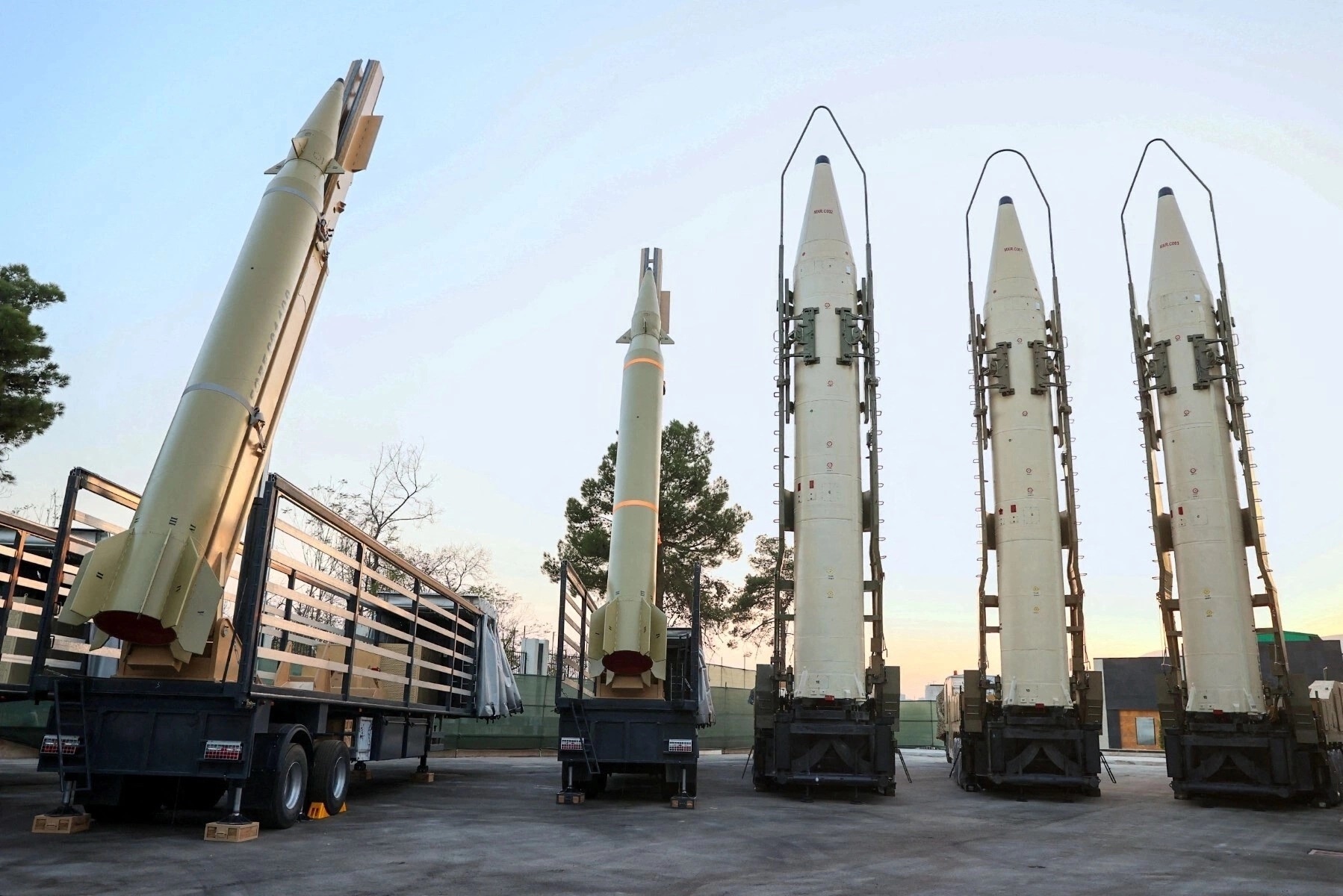 |
A series of missiles displayed at an exhibition on Iran's defense achievements in Tehran in 2023. *Reuters* |
However, reports from US intelligence agencies, accessed by The New York Times, raise doubts about the effectiveness of the campaign in completely destroying Iran's missile capabilities, which was a primary objective of the war.
While precise estimates are unavailable, US intelligence officials believe Iran still possesses a significant number of missiles and launchers. This arsenal is sufficient to continue striking Israel and other regional targets as the conflict persists.
Iran may also be altering its tactics, storing most launchers in underground bunkers and caves to evade detection. US intelligence assesses that Iranian forces are capable of quickly clearing underground fortifications and missile bunkers buried by US-Israeli ordnance.
"These missile systems could be redeployed for combat within hours of a US and Israeli attack," the report stated.
Some sources suggest that internal divisions within the Iranian government partly affect its ability to coordinate a response, making it difficult for the country to launch large-scale attacks simultaneously. This creates the impression that Iran has reduced its attack frequency, leading US officials to believe Tehran's arsenal is depleted, though this cannot be verified.
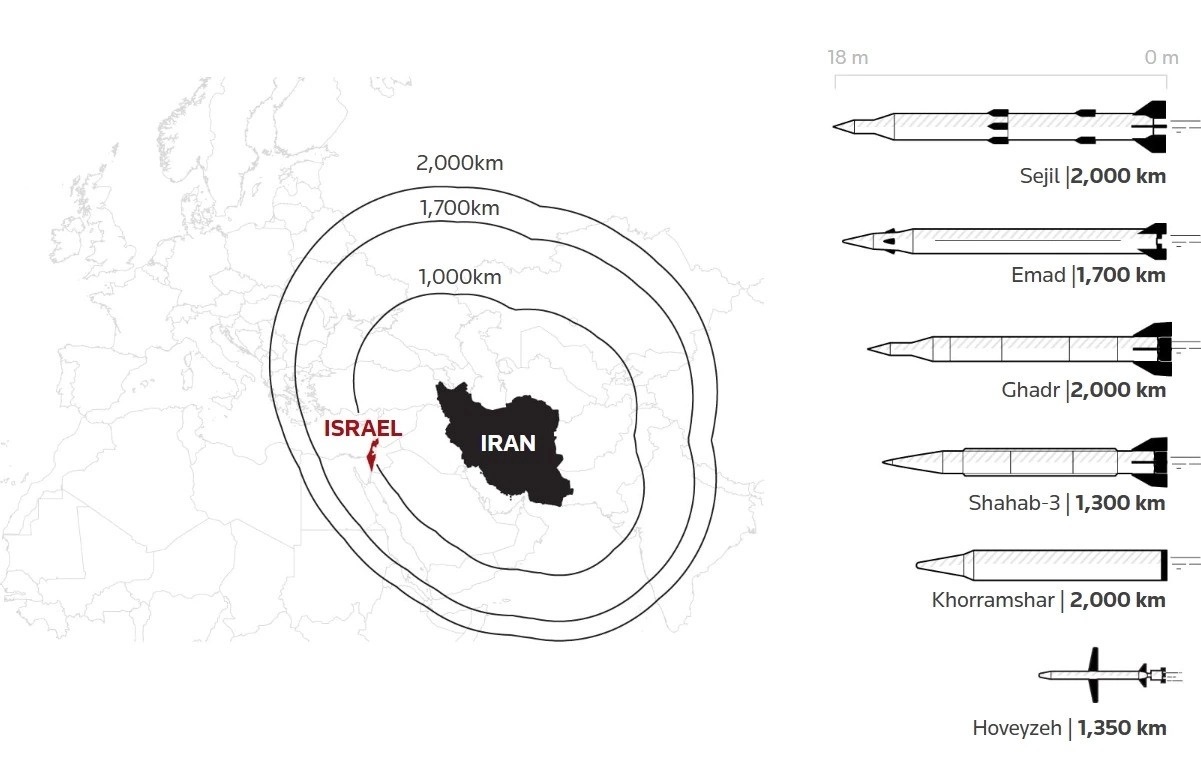 |
The range of some Iranian missiles. *Reuters graphic* |
Accurately assessing Iran's remaining military capabilities is a challenging task. This is due to Iran's deployment of numerous decoys and the dispersal of launchers across its vast and mountainous territory. The US has also been unable to clearly determine how many of the 11,000 targets it destroyed in the past month were genuine, or the number of active launchers in underground facilities.
CNN reported on 2/4, citing three sources familiar with the situation, that recent US intelligence assessments indicate Iran maintains significant capabilities. About one-half of its missile launchers and thousands of suicide drones, representing approximately 50% of its total drone arsenal, remain operational.
Sources also indicated that a large quantity of Iran's anti-ship cruise missiles remain intact, consistent with the fact that the US has not focused on attacking these coastal defense assets.
These anti-ship missiles are considered key weapons enabling Iran to control maritime activity in the Strait of Hormuz. Tehran's objective is to maintain deterrence in a prolonged conflict and to retain leverage after hostilities conclude.
Iran and the US have not commented on this information. The conflict is now entering its sixth week, having claimed over 3,000 lives with no signs of de-escalation.
Thanh Danh (According to The New York Times, CNN)