Iranian news agency Tasnim reported on 11/6 that Iranian missiles hit an AR-327 early warning radar station on Dukhan Mountain in Bahrain. This strike was part of a larger retaliation targeting US military installations in the Gulf, according to the news agency's social media account.
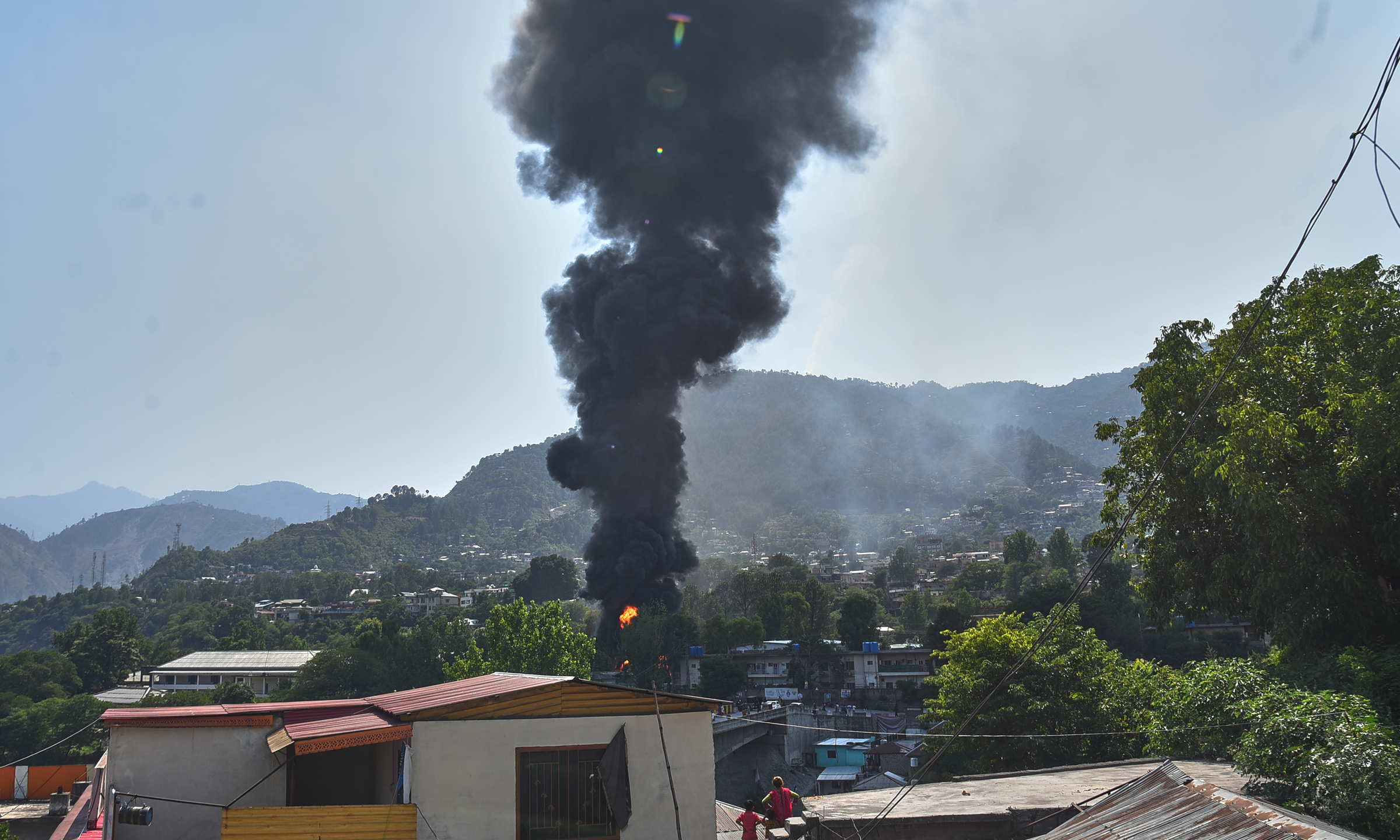
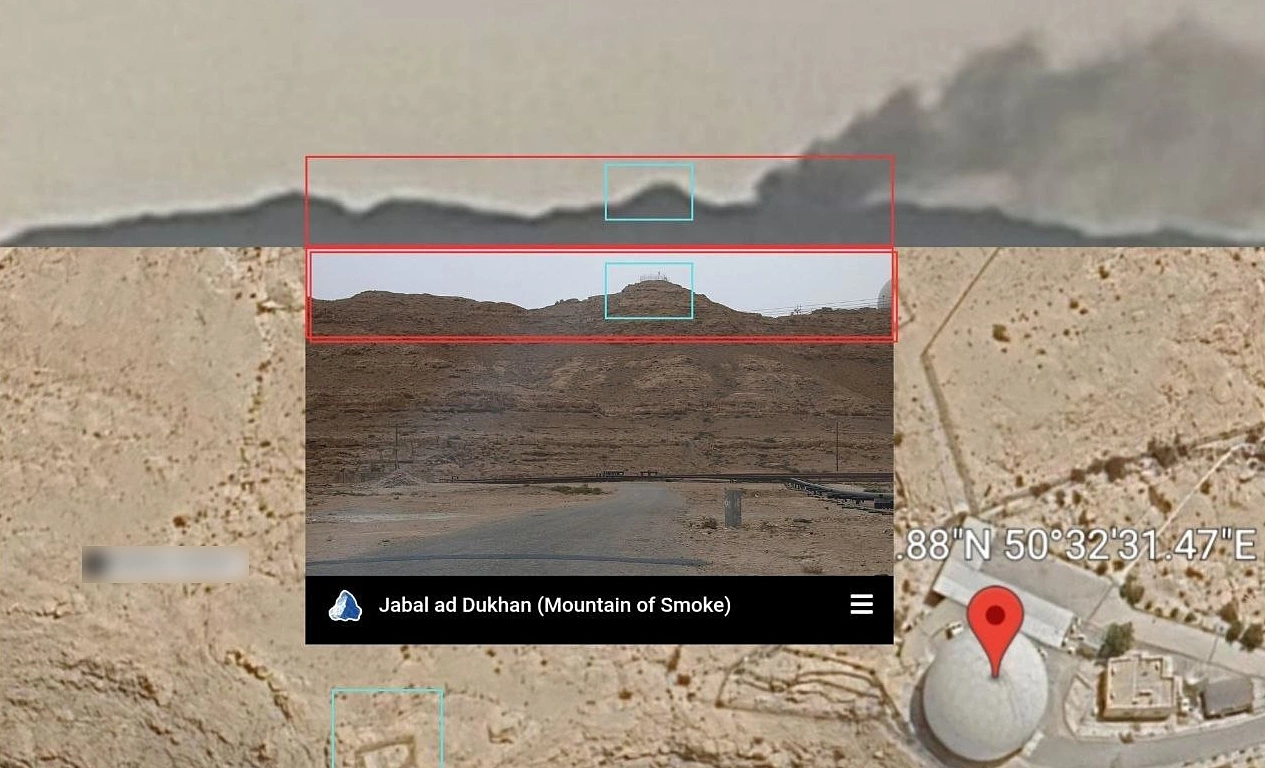
Images published by Tasnim and geolocated by open-source intelligence analysts show a large plume of smoke rising from the Dukhan Mountain area. This is Bahrain's highest mountain, reaching an elevation of 134 m above sea level.
The operator of the radar station is not clear, but military specialist publication Defence Security Asia suggests the facility has ties to the US.
Iran's armed forces declared attacks on multiple bases housing US forces in the region, including Sheikh Isa airbase and the US 5th Fleet headquarters in Bahrain, in response to prior enemy actions.
 |
Smoke plume rises from Dukhan Mountain on 11/6. Photo: Tasnim |
Bahrain's Interior Ministry confirmed that attacks from Iran resulted in one minor injury, several burning vehicles, and damaged homes in Hamad and Manama. These damages were caused by debris from intercepted Iranian unmanned aerial vehicles (UAVs).
US Central Command (CENTCOM), the agency responsible for US military operations in the Middle East, has not commented on the reported radar strike in Bahrain.
According to military information specialist Deagel, the AR-327 Commander is a long-range tactical radar operating in the S-band, developed by BAE Systems in the UK.
The British Royal Air Force (RAF) introduced the AR-327, designated as Type 101 or T101, in 1997. Since then, the T101 has been deployed successfully across various regions, including the Arctic, Central Asia, and the Middle East. This early warning radar is believed to have an operational range of 470 km.
Defence Security Asia highlighted Dukhan Mountain's significant military importance. Its high elevation allows any radar deployed there to cover strategic air corridors around the Strait of Hormuz.
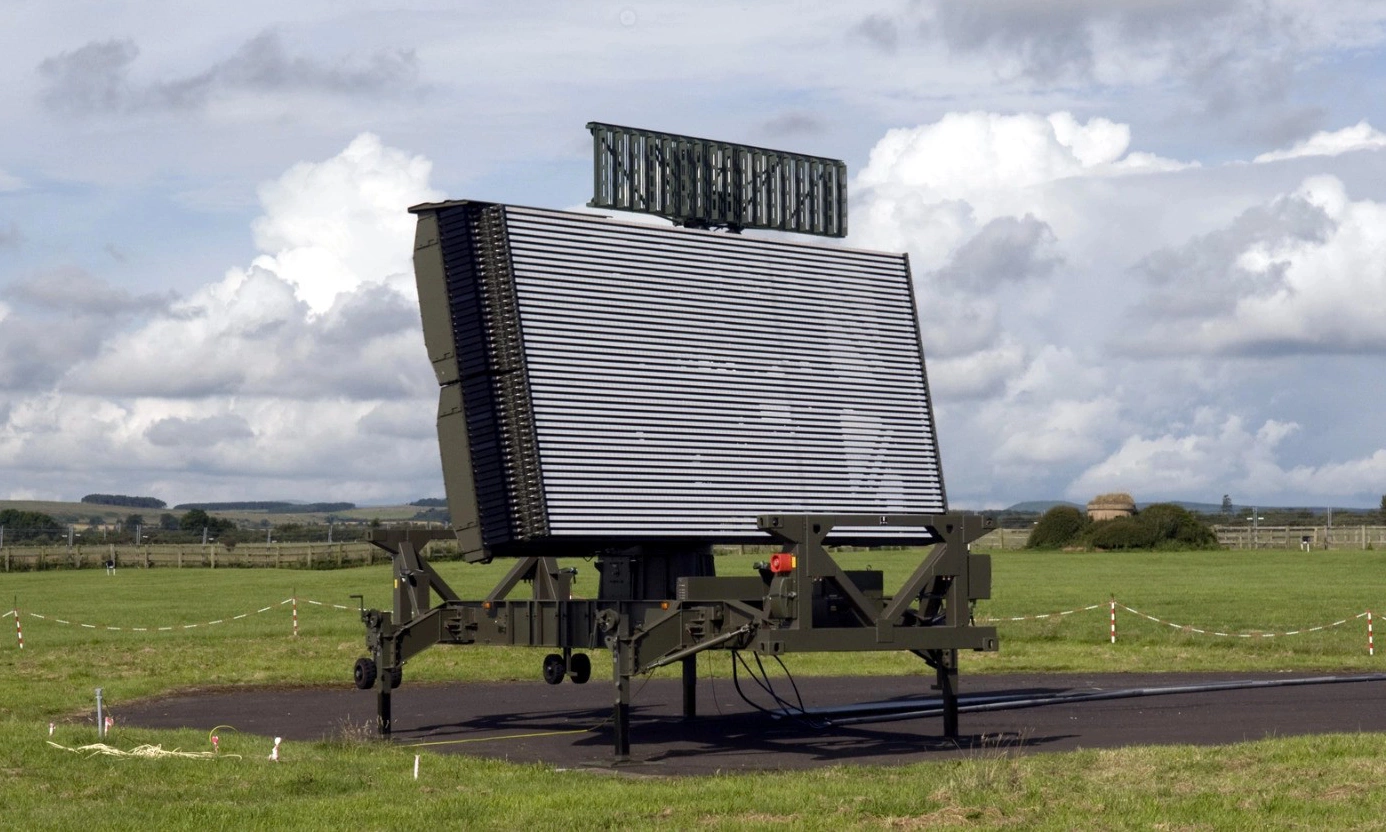 |
AR-327 radar in a 2011 photo. Photo: BAE Systems |
The specialist publication added that neutralizing or weakening early warning capabilities could create temporary blind spots. This would complicate missile interception, naval coordination, and aerial threat assessment for Gulf nations.
The US military has sustained damage from Iranian retaliatory strikes in the Middle East conflict. An analysis of satellite images published by the Washington Post in early May indicated that Iranian attacks had destroyed or damaged 217 structures and 11 pieces of military equipment across 15 bases where US forces are stationed.
Pham Giang (Sources: Tasnim, Defence Security Asia, Deagel, Al Jazeera)