"I want to tell the US President that: Iran has enough foreign currency," Abdolnaser Hemmati, the governor of Iran's central bank, announced on 1/9.
Hemmati stated that the central bank continues to recover foreign currency debts and possesses domestic reserves along with other resources, though details about these resources cannot be disclosed. He added that the central bank is prepared to inject up to two billion US dollars into the foreign exchange market to ease recent fluctuations.
"I sincerely share with the people that economic conditions and ensuring livelihoods are facing many difficulties, but the economy has never collapsed and never will. These speculations are merely psychological warfare; the storms will soon pass," Hemmati emphasized.
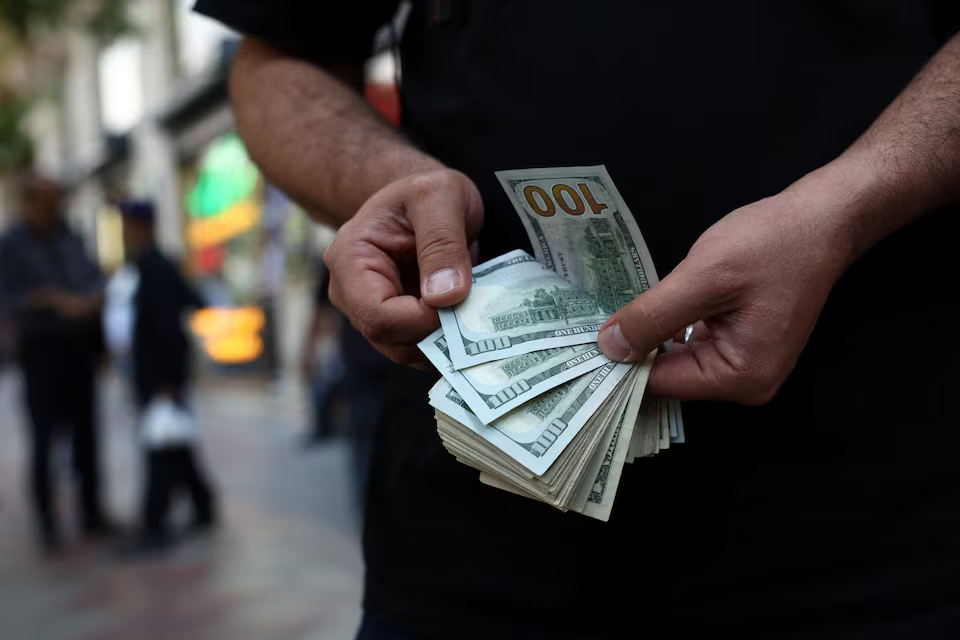 |
A foreign exchange dealer counts 100 US dollar bills in Tehran, Iran, on 2/5. *Reuters*. |
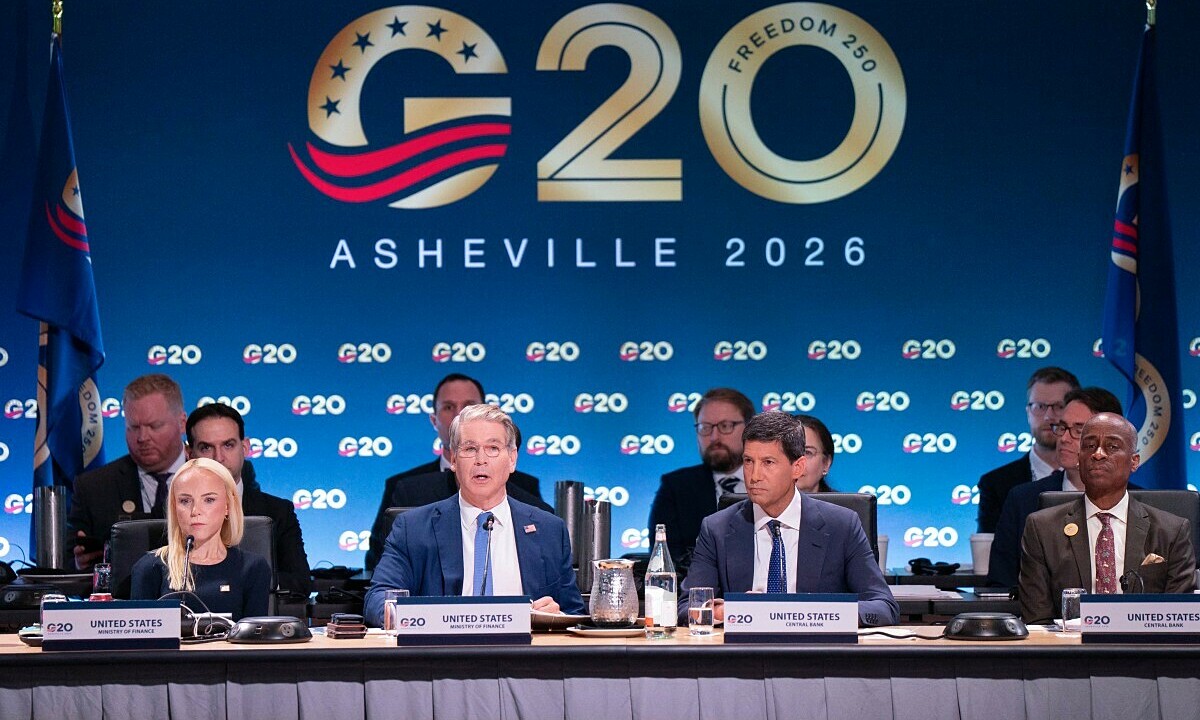
This statement followed US Treasury Secretary Scott Bessent's assertion that Tehran is responding with military actions due to its disadvantage in the economic conflict.
Washington is increasing economic pressure on Tehran, simultaneously warning that those doing business with Iran will face sanctions from the US.
Hemmati's remarks also appeared aimed at reassuring the market after Iranian officials, including President Masoud Pezeshkian, acknowledged the economy is under significant pressure from US sanctions and a naval blockade campaign.
Iran's national currency plummeted to a historic low in August, with an exchange rate of two million rial to one US dollar, while annual inflation reached 66% in July.
By Hong Hanh (According to Reuters and Economic Times)