Commercial satellite images taken on 10/4 and analyzed by CNN on 14/4 show Iran's efforts to clear entrances to underground missile bases near Khomeyn and Tabriz. Excavators are operating on rubble, loading earth onto trucks.
Sam Lair, a senior expert at the James Martin Center for Nonproliferation Studies (CNS) in the United States, noted that this move was anticipated. "A ceasefire means accepting that the adversary will restore some military capabilities that you just spent a lot of time, effort, and money to destroy", he said.
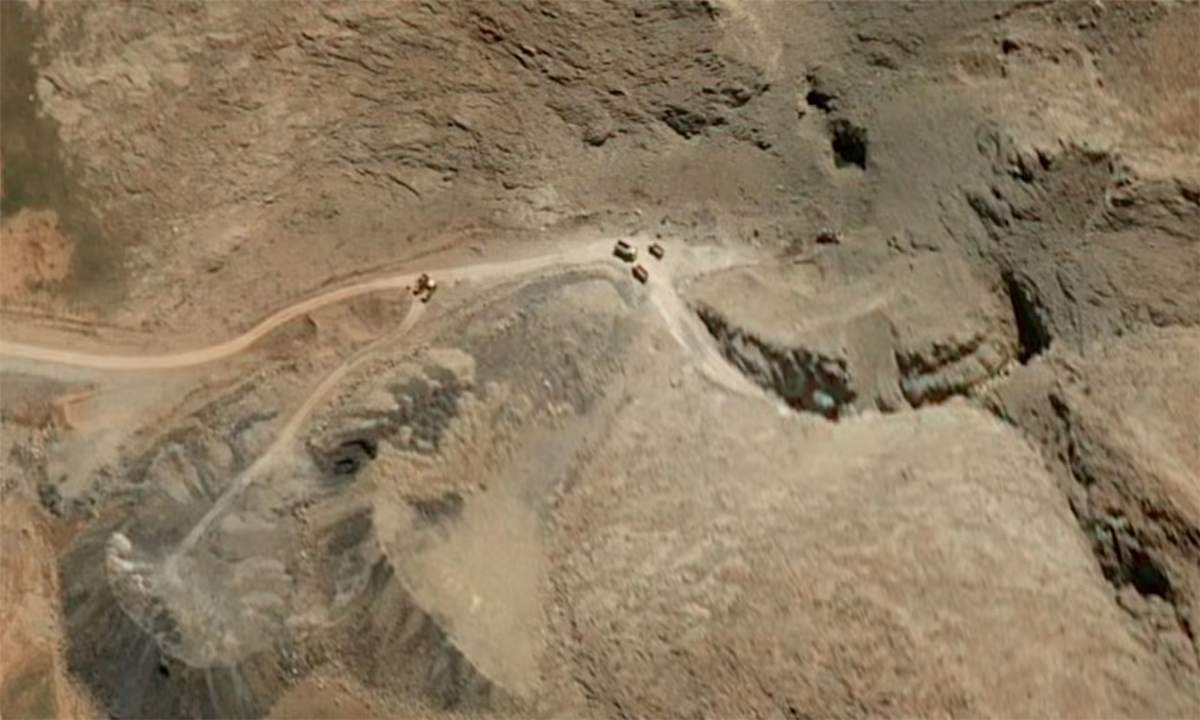 |
Iranian forces clear an entrance to an underground missile base near Khomeyn in a satellite image taken on 10/4. CNN |
Iranian forces clear an entrance to an underground missile base near Khomeyn in a satellite image taken on 10/4. CNN
Lair believes this is part of Iran's operational plan for its underground missile bases. He explained, "This aligns with the overall operational concept of a missile city, which is to withstand a pre-emptive strike, clear entry and exit points, and then launch missiles again."
US and Iranian officials have not commented on the information.
Last week, United States Secretary of Defense Pete Hegseth declared Iran's missile program "functionally destroyed". He stated that missiles and launchers were "depleted, devastated, and almost completely ineffective."
However, The Wall Street Journal on 10/4 cited US intelligence reports suggesting Iran could still restore some missile capabilities despite continuous airstrikes by the United States and Israel during six weeks of conflict.
While more than half of Iran's launchers were destroyed, damaged, or trapped in collapsed underground bunkers, many could still be repaired or excavated for continued use, according to US officials.
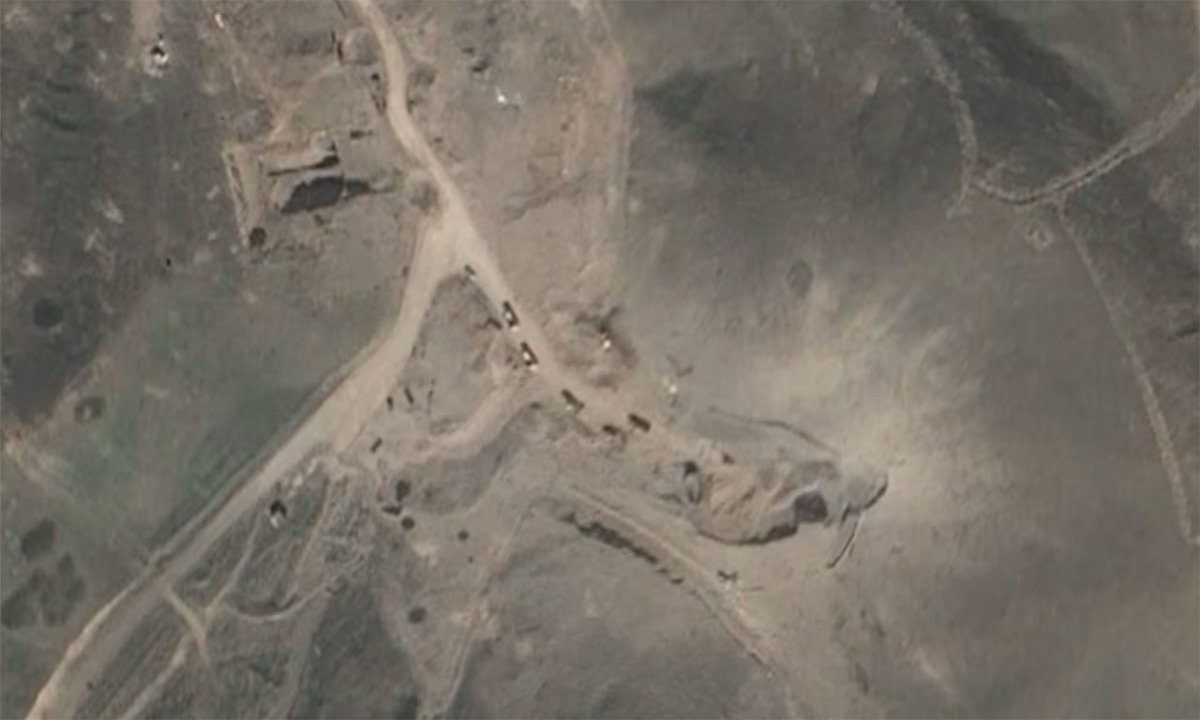 |
Excavators and trucks clear an entrance to an underground missile base south of Tabriz in a satellite image taken on 10/4. CNN |
Excavators and trucks clear an entrance to an underground missile base south of Tabriz in a satellite image taken on 10/4. CNN
Israeli officials stated that about two-thirds of Iran's ballistic missile launchers were neutralized during the conflict. They also noted that Tehran might recover many launchers buried underground after the strikes.
According to US and Israeli officials, Iran's missile arsenal has been reduced by about half compared to before the conflict erupted. However, the country still possesses thousands of short and medium-range ballistic missiles that can be brought out of hiding or retrieved from underground facilities.
"Israeli officials say Iran still has more than 1,000 of the 2,500 medium-range missiles it was estimated to possess when hostilities began. The remainder were fired or destroyed", The Wall Street Journal reported.