Iran's state news agency IRNA reported that "foreign minister Abbas Araghchi will begin a regional tour on the evening of 24/4, visiting Islamabad, Muscat, and Moscow," referring to the capitals of Pakistan, Oman, and Russia. The agency added, "The trip's purpose is for bilateral consultations, to discuss regional developments, and to assess the situation related to the war launched by the United States and Israel against Iran."
Two Pakistani government sources indicated that Araghchi's visit could signal a resumption of peace talks with the United States, though this remains unconfirmed and awaits a response from Washington. A United States logistics and security team is already on site to prepare for potential negotiations.
"Foreign minister Araghchi will inform us of his directives upon arrival. Everything at this point is speculation," a source stated.
Neither Iranian media nor Pakistani sources mentioned parliament speaker Mohammad Baqer Ghalibaf, who led Tehran's delegation in the previous round of talks.
The United States has not yet commented on the information. During a press conference on the same day, defense secretary Pete Hegseth said Iran still has an opportunity to reach "a good deal" with the United States.
"What they need to do is genuinely and verifiably abandon nuclear weapons," the Pentagon chief said.
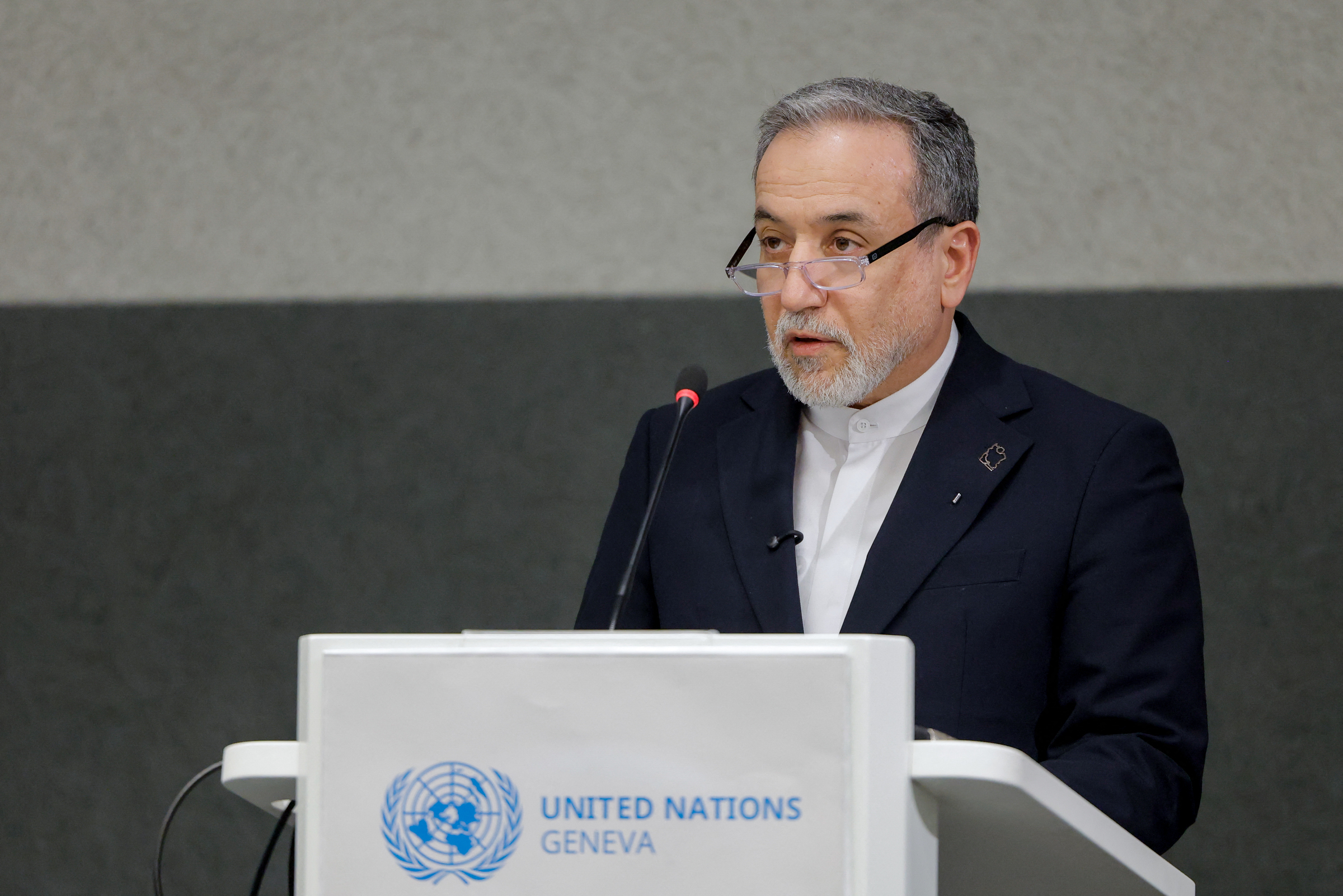 |
Iran's foreign minister Abbas Araghchi speaks in Geneva, Switzerland on 17/2. Photo: *AFP* |
The United States and Iran previously negotiated for about 21 hours in Pakistan's capital, Islamabad, on 11/4, but failed to reach consensus on key issues, including control of the Strait of Hormuz and whether Iran could continue uranium enrichment.
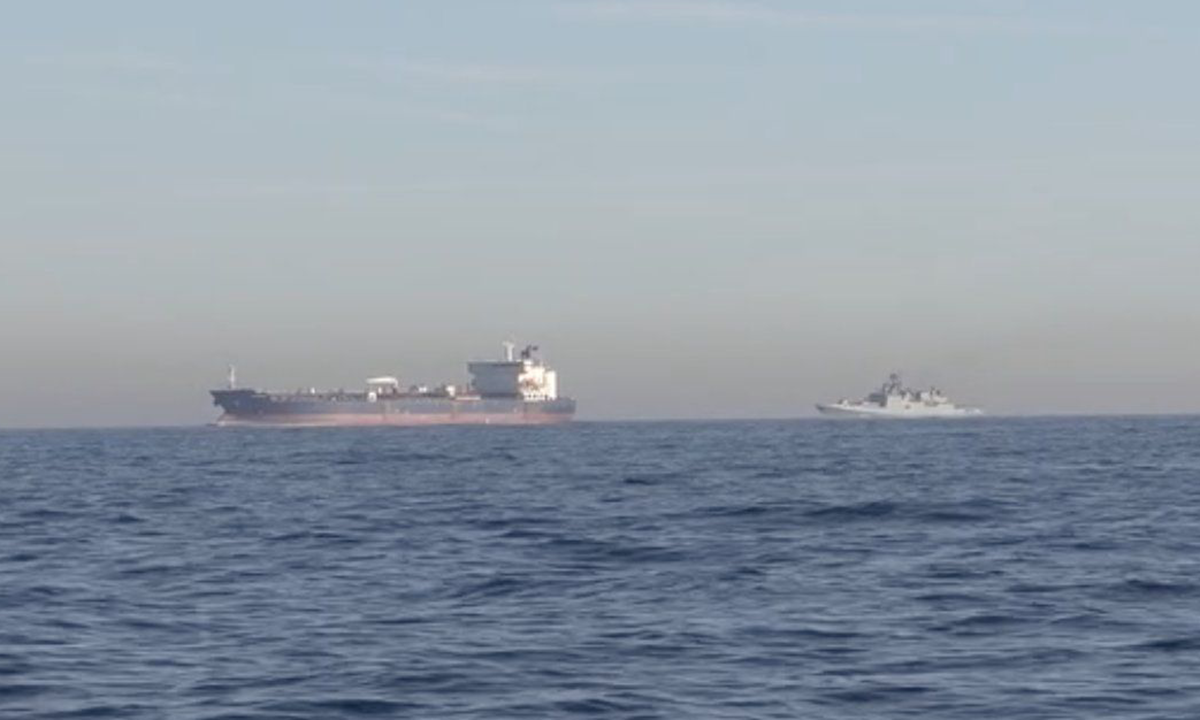
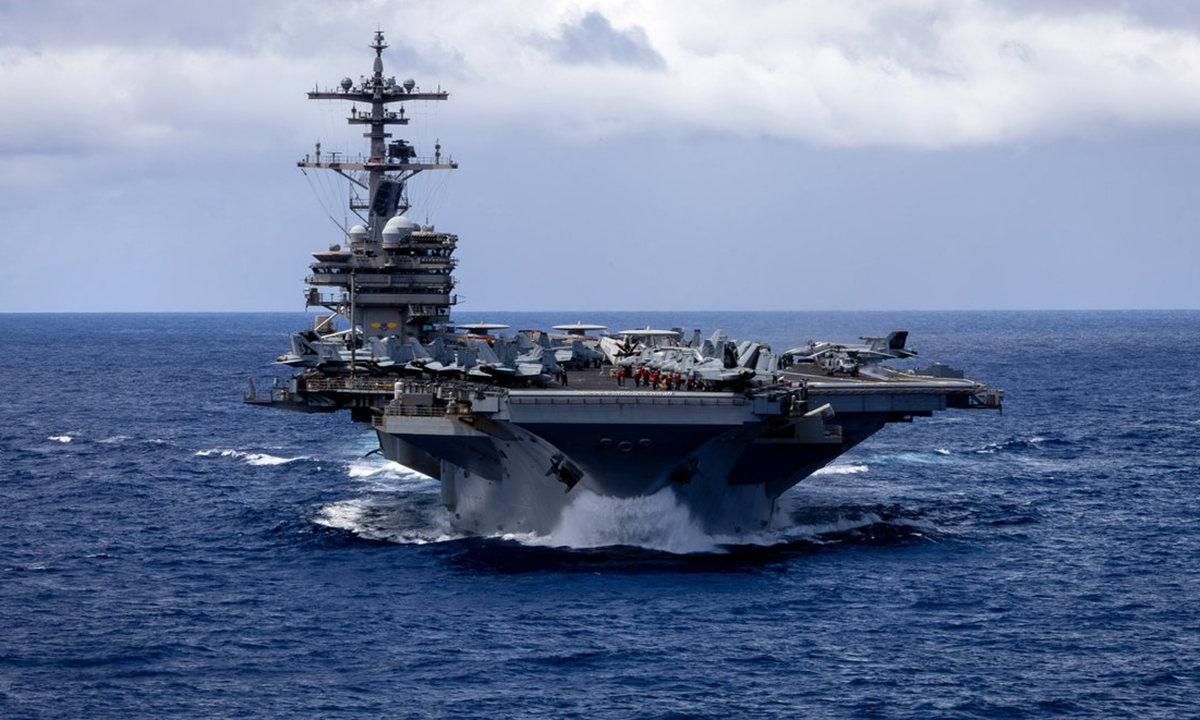
United States president Donald Trump ordered a blockade of Iran's seaports starting 13/4 to pressure Iran into accepting the terms of a conflict-ending agreement, but Tehran did not concede.
The White House chief extended the ceasefire with Iran on 21/4 until Tehran presents a proposal for a lasting conflict resolution, asserting that the United States military would maintain the blockade. Iran's president Masoud Pezeshkian affirmed on 22/4 that Tehran desires to continue peace talks, but "violations of commitments, blockades, and threats" from the United States are hindering substantive dialogue.
Nhu Tam (According to AFP, Reuters)