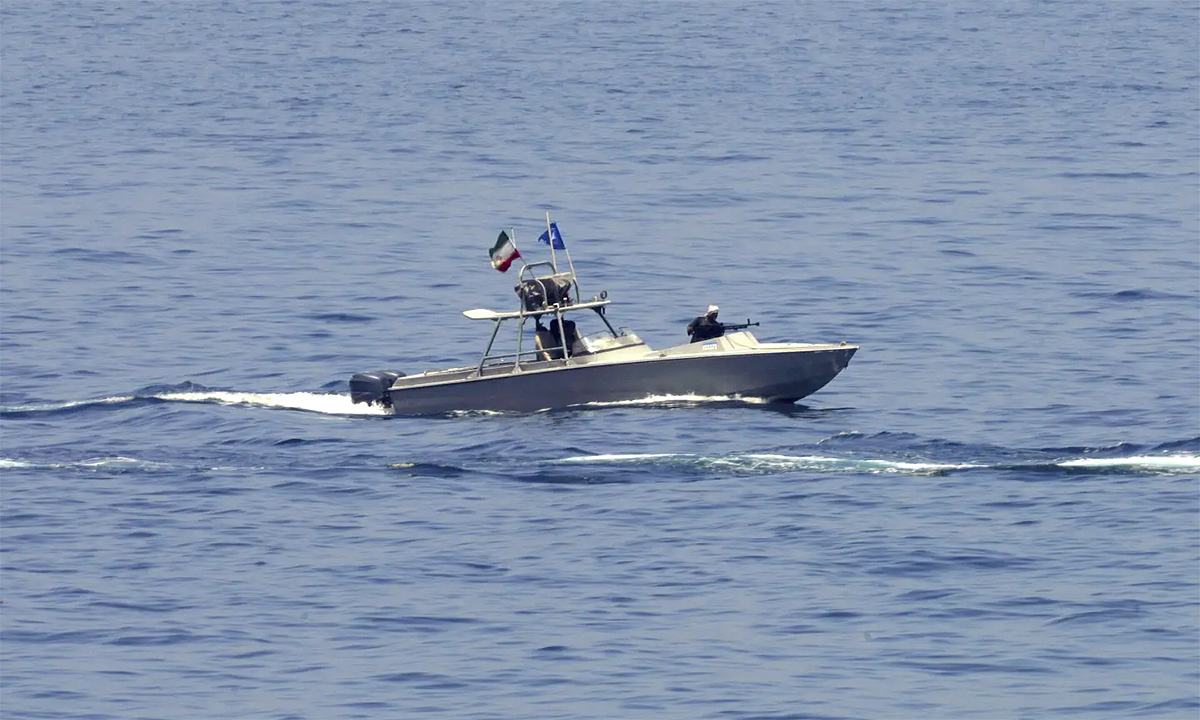
CNN reported on 23/4 that the US military is considering new operational options and targets, including dynamically targeting Iranian forces around the Strait of Hormuz. This planning is contingent on the ceasefire between Washington and Tehran ending without an agreement.
Potential targets include Iranian speedboats, mine-laying vessels, and asymmetrical assets Iran uses to blockade the strategic waterway.
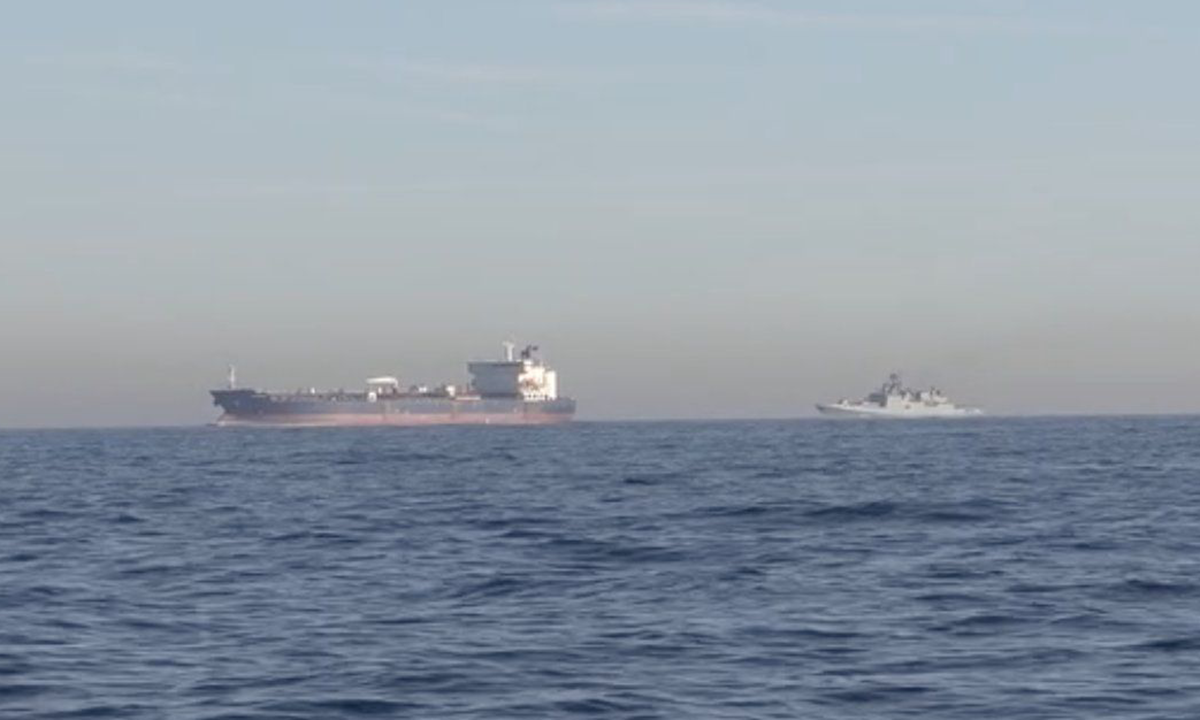
This comes as Iran, on 18/4, re-imposed control over the Strait of Hormuz, reversing an earlier announcement of fully opening it to commercial vessels. Concurrently, the US Navy enforced a blockade outside the Gulf of Oman, warning it would seize any vessel arriving at or departing from Iranian ports or those that had paid fees to Tehran. This situation leaves commercial vessels facing a "double blockade" when operating in the Strait of Hormuz.
Tensions in this critical waterway remain high, despite the US extending the ceasefire on 21/4 to facilitate negotiations.
Sources, including a senior shipping broker, believe a campaign targeting Iran's defense network around the Strait of Hormuz is unlikely to reopen the waterway quickly. A source stated, "Unless 100% of Iran's military power can be definitively destroyed, or the US can mitigate risks with its capabilities, everything will depend on President Donald Trump's willingness to accept risk and how he starts pushing vessels through the area."
According to CNN, a large number of Iran's coastal defense missiles remain intact after over 6 weeks of hostilities. Tehran also possesses many speedboats and small vessels capable of attacking traffic in the Strait of Hormuz. Estimates suggest Iran retains half its missile launchers and thousands of suicide unmanned aerial vehicles (UAVs) after 6 weeks of conflict.
During the initial conflict phase, the US struck various Iranian naval positions, mostly outside the Strait of Hormuz, to facilitate deeper attacks. The new operational plan focuses on the strategic waterway itself.
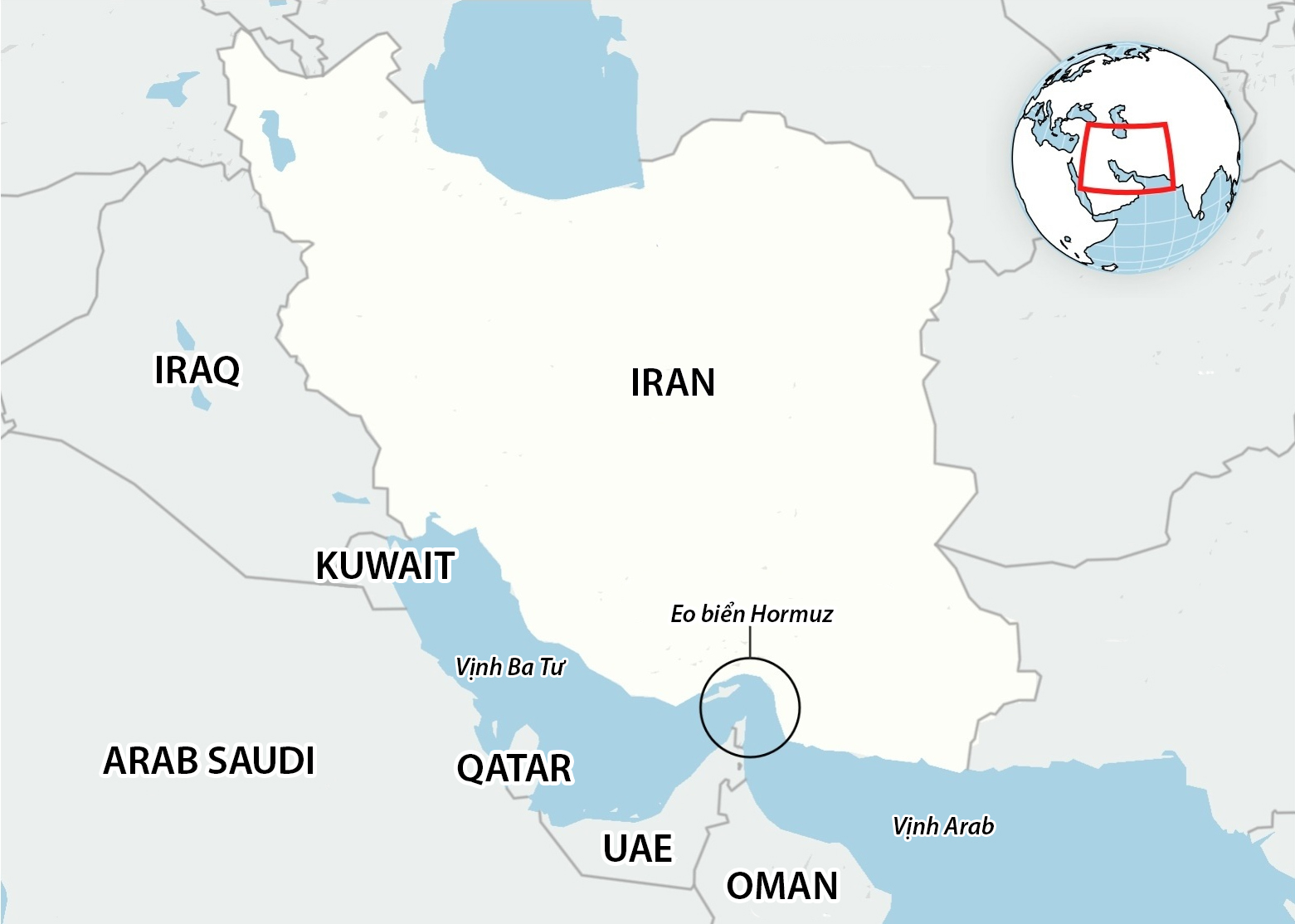 |
Location of the Strait of Hormuz. *Graphic: Guardian* |
The US military could also follow through on threats to attack dual-use targets and critical Iranian infrastructure, including energy facilities. Another plan involves targeting Iranian military leaders and individuals the US believes are impeding negotiations. A source indicated this includes Ahmad Vahidi, commander of the Islamic Revolutionary Guard Corps (IRGC).
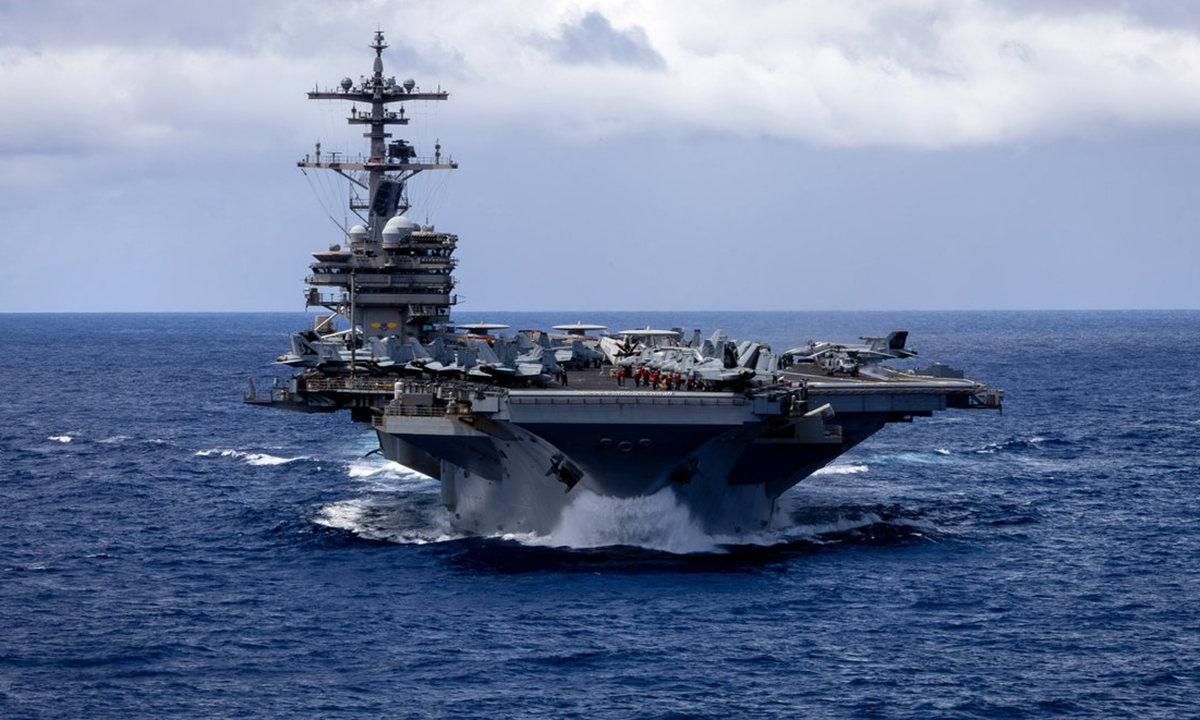
A Pentagon official, when asked about the information, declined to comment, citing operational security. The official stated, "The US military continues to provide President Trump with options, and all are under consideration." CNN added that President Trump appears cautious about restarting operations against Iran, preferring a diplomatic solution. However, sources indicate the US leader is not extending the ceasefire indefinitely, and the military remains ready to resume attacks if ordered.
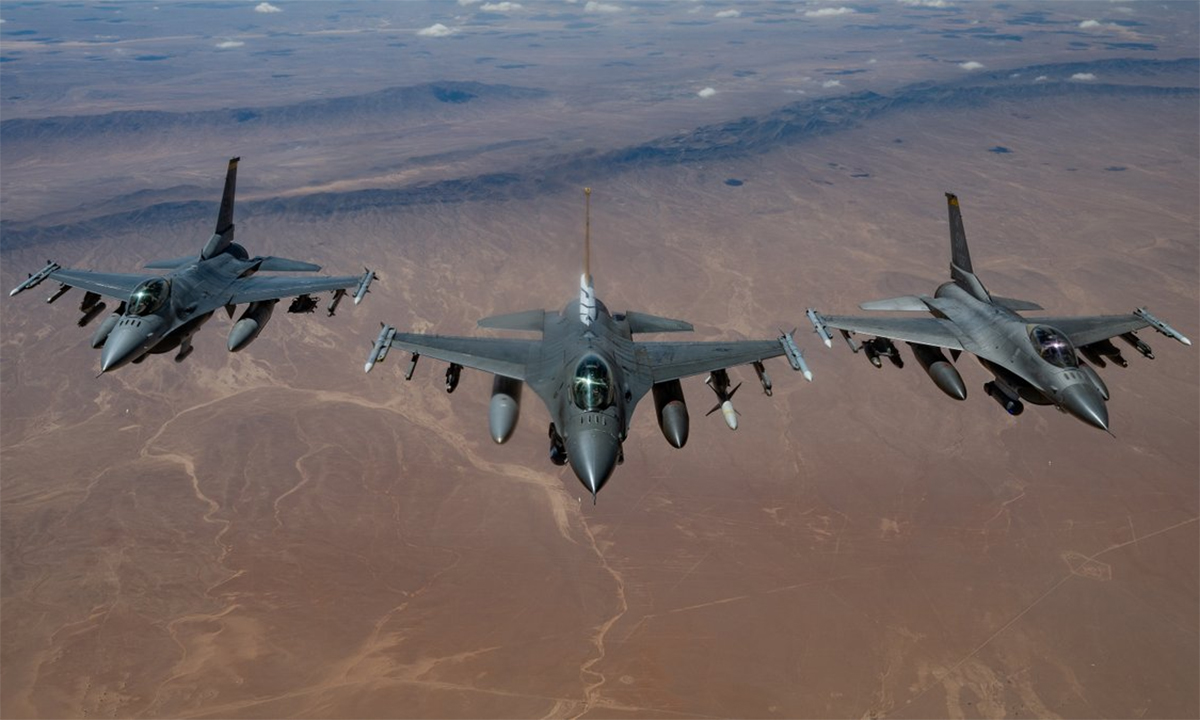 |
US F-16 fighter jet operating in the Middle East in a photo released on 17/4. *Photo: CENTCOM* |
Two sources indicated the Trump administration underestimated Iran's intent to blockade the critical waterway, failing to deploy sufficient forces to prevent or respond.
By Nguyen Tien (via CNN, AFP, AP)