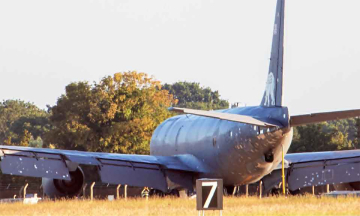
Iran's Islamic Revolutionary Guard Corps (IRGC) announced on 26/5 that its forces opened fire after detecting "hostile aircraft" entering its airspace in the Persian Gulf region.
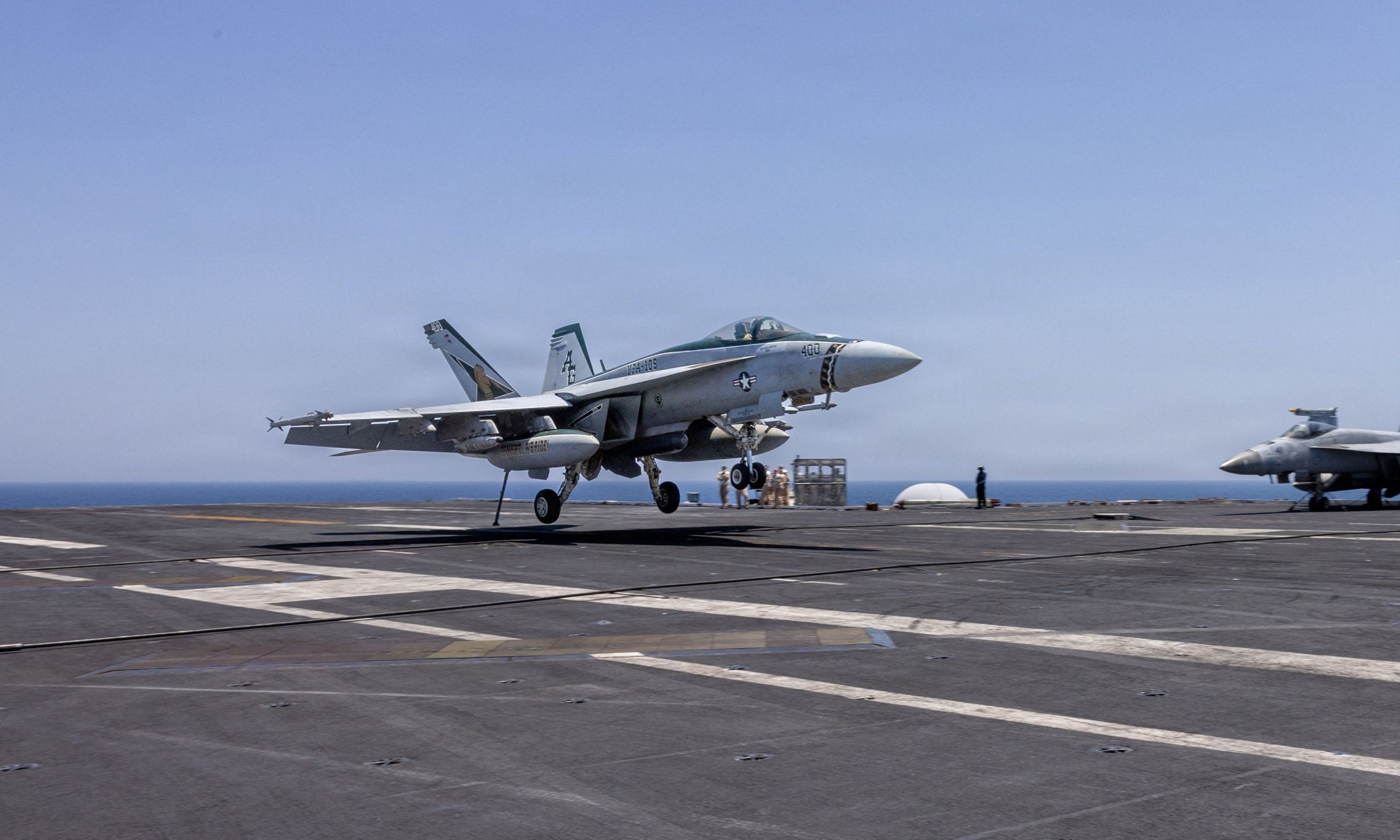
The IRGC claimed to have shot down a US MQ-9 Reaper unmanned aerial vehicle (UAV). The force also stated it opened fire on an RQ-4 reconnaissance aircraft and a US F-35 stealth fighter jet, forcing them to maneuver out of Iranian airspace.
The IRGC asserted that Iran "has an undeniable and legitimate right" to respond to any US actions it considers a violation of the ceasefire agreement.
Iranian armed forces spokesperson Abolfazl Shekarchi warned on the same day that any new aggression against the country would face a "much more severe" response, potentially extending beyond the region.
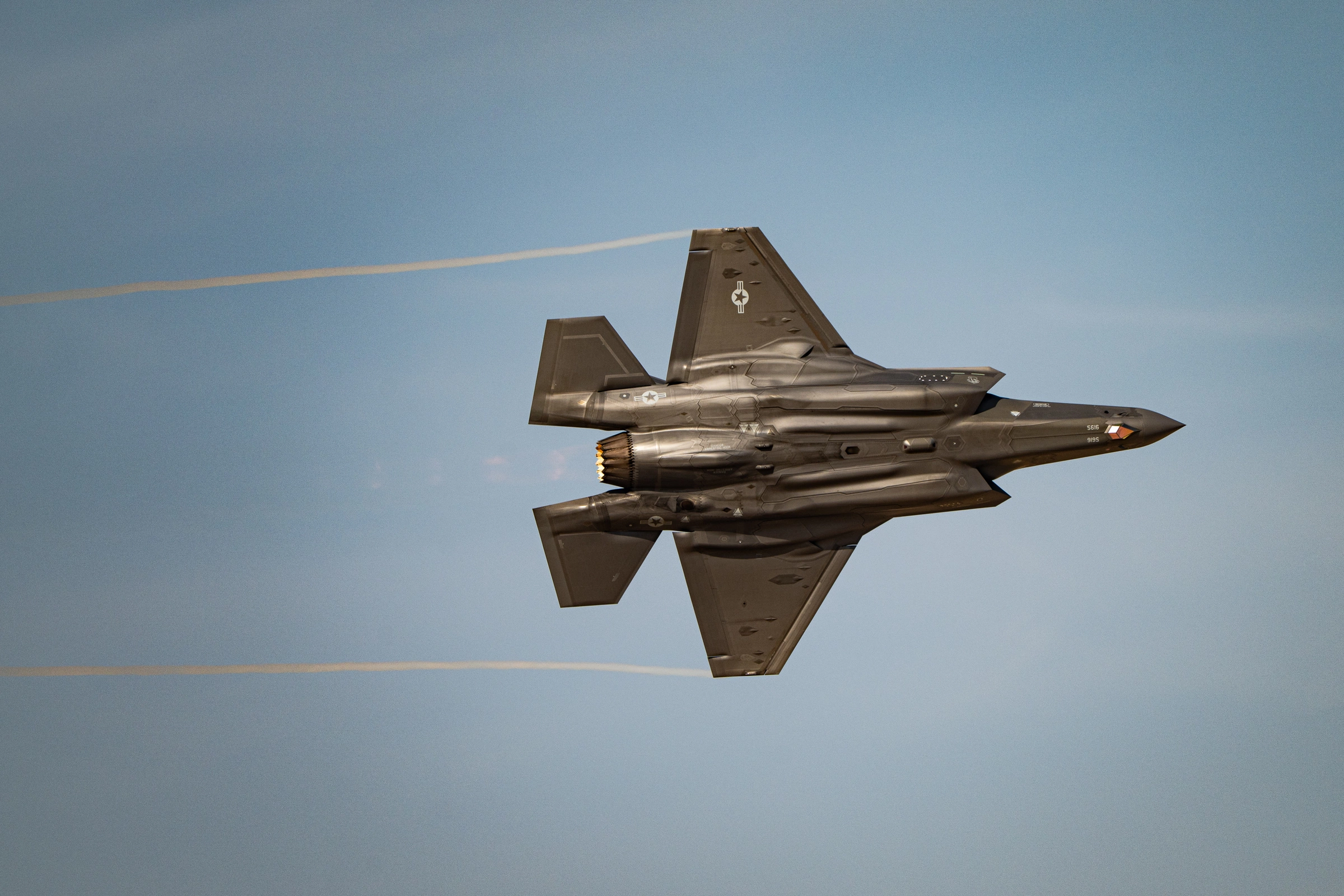 |
An F-35 fighter jet performs at the Dubai airshow in 11/2025. *Photo: USAF* |
Earlier, the US military announced it conducted "self-defense" strikes against multiple targets in southern Iran overnight, including missile launchers and Iranian vessels laying mines in the Strait of Hormuz.
US Central Command (CENTCOM) spokesperson Tim Hawkins stated the strikes aimed to protect soldiers from threats posed by Iranian forces. He added that CENTCOM maintained restraint while the ceasefire was in effect.
The consecutive targeting by both sides is raising doubts about the prospects for peace talks and the ceasefire that took effect last month.
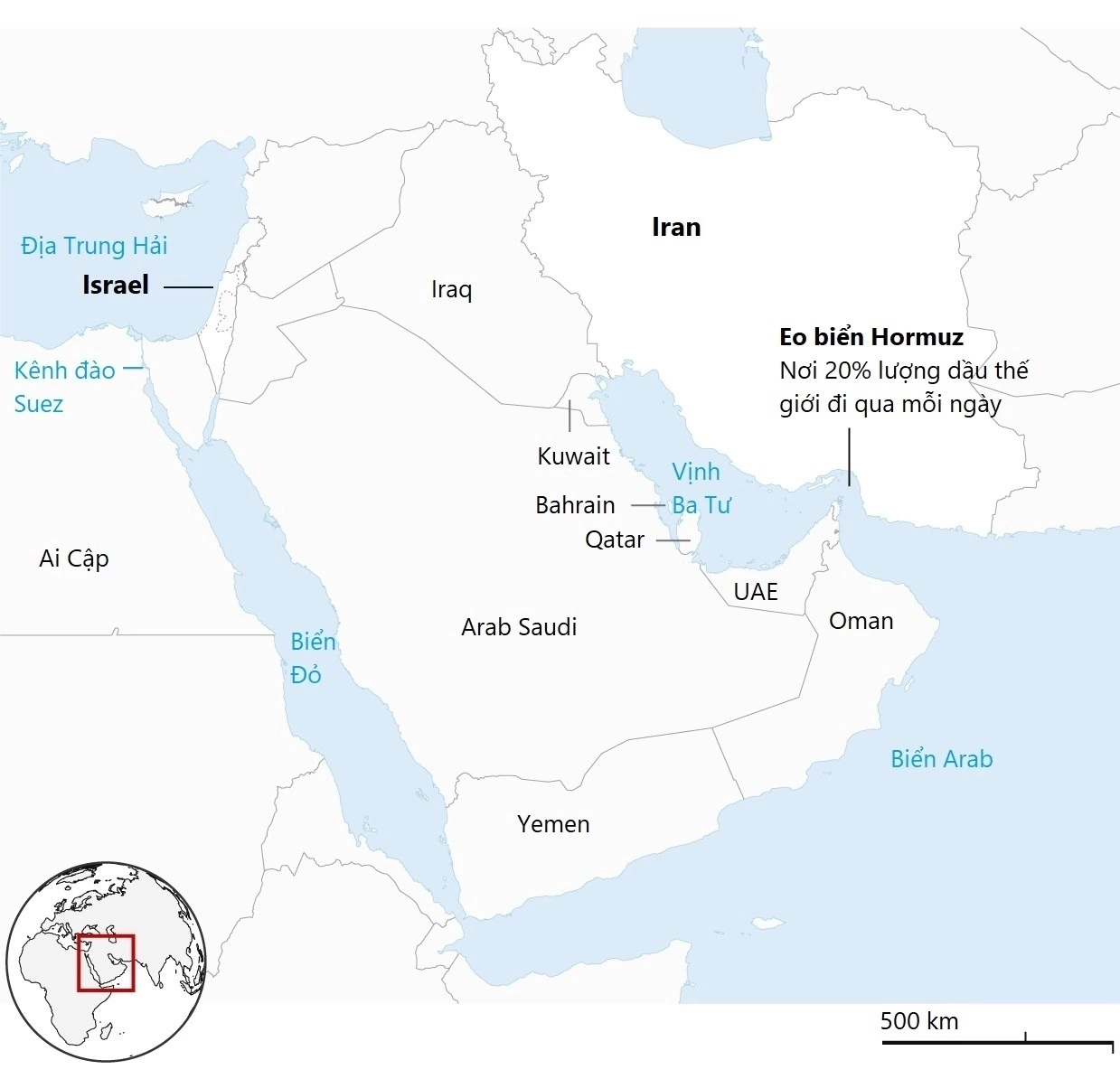 |
Location of Iran and the Strait of Hormuz. *Graphic: Guardian* |
Samir Puri, a war studies researcher at King's College London, noted that the latest US airstrikes and Iran's subsequent firing have created an "extremely precarious situation" for the negotiation process and challenged diplomats.
He said "fighting while talking" is common in the late stages of major conflicts, but it is crucial for parties to continue dialogue and not let escalations collapse the process. "We don't know if this is the storm before the calm or the calm before the storm", he said.
Puri assessed the presence of Iranian officials in Qatar for negotiations with the US as a positive sign, and hoped regional countries would promote dialogue to limit the risk of escalation. However, he warned that the gap in positions between the US and Iran remains wide, meaning the negotiation process could last for many days, weeks, or even months.
Thanh Danh (According to Al Jazeera, Jerusalem Post, AFP)