"Any attempts to impose a blockade or maritime restrictions are contrary to international law and are certain to fail", Iran's President Masoud Pezeshkian said in a statement today. He warned that such blockade measures would not improve regional security, but would actually be "a source of tension and disrupt long-term stability in the Persian Gulf."
Mohsen Rezaei, military advisor to Supreme Leader Mojtaba Khamenei, previously stated that Iran would "not tolerate" the US maritime blockade and was ready to retaliate if these measures continued.
He mentioned the risk of renewed conflict, stating that it could cause heavy losses for Washington. "If the US starts a new war, they should anticipate that we will capture a large number of prisoners", advisor Rezaei said.
 |
President Masoud Pezeshkian during a cabinet meeting in Tehran on 25/2. Photo: Reuters |
Oil Minister Mohsen Paknejad stated that the US "will not achieve any results" from the blockade. "Iranian oil and gas personnel are working around the clock to ensure there are no issues in service provision", he said.
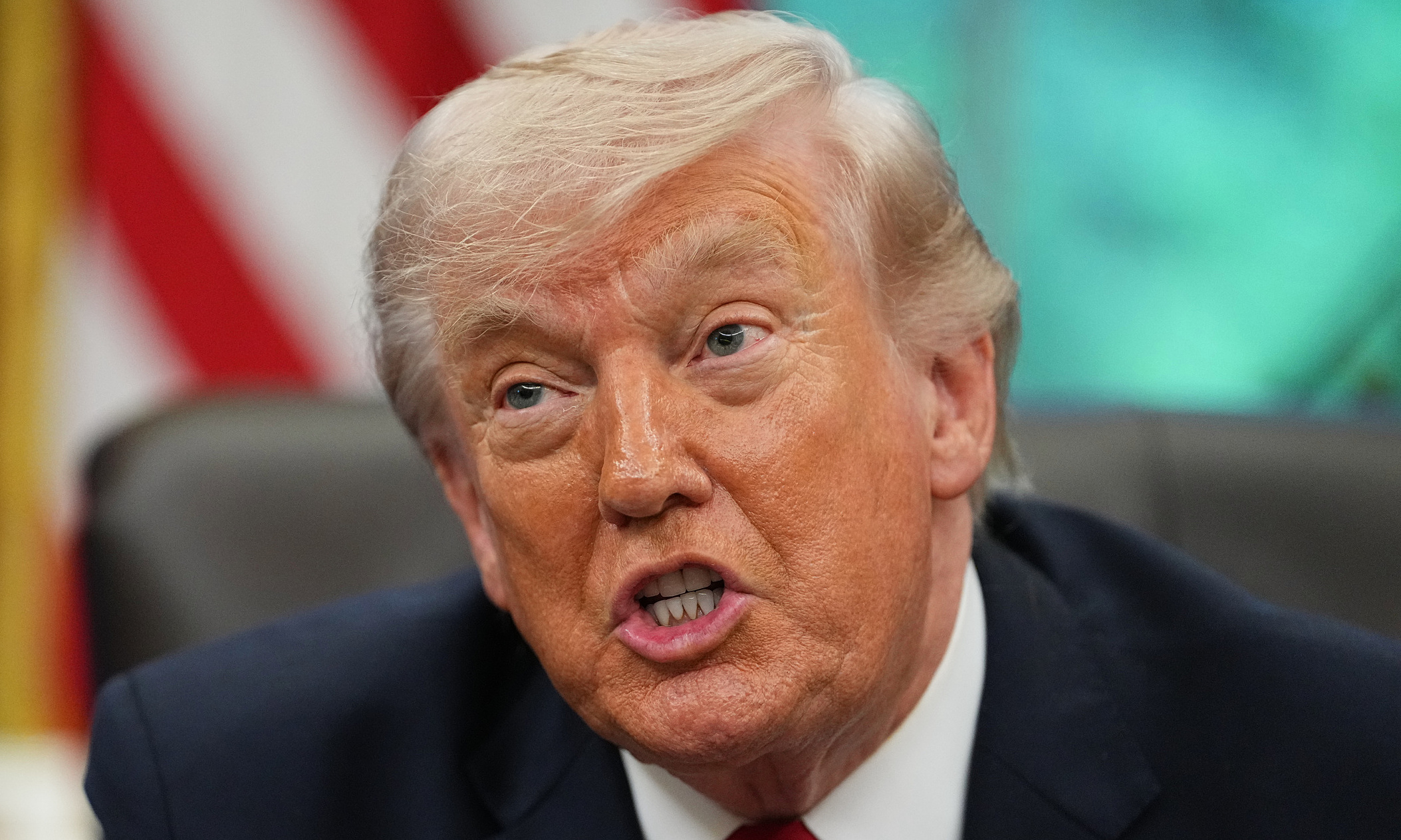
The statements came after Axios, citing unnamed US officials, reported that the country's military leaders were expected to present potential military measures against Iran to President Donald Trump.
The US imposed a blockade on Iranian seaports since 13/4, days after the first round of talks between the two countries concluded without results. The move is believed to aim at pressing Tehran into accepting Washington's proposed agreement terms.
President Trump warned that the US blockade could last for months, arguing that this measure was more effective than a military campaign against Iran. Central Command (CENTCOM), the agency responsible for US military operations in the Middle East, stated on 29/4 that its forces had forced 42 commercial vessels to turn back in the Strait of Hormuz.
 |
Location of seaports in the Persian Gulf and Gulf of Oman. Graphics: WSJ |
According to the Wall Street Journal, extending the blockade indicates that Trump has few effective solutions left with Iran. Unilaterally ending hostilities could provide a quick exit from the conflict and help reduce pressure on the US and global economies. However, Iran's proposals would allow Tehran to shape the conditions of that exit.
A lack of a clear and decisive roadmap has led some US officials to believe that the outcome of the Middle East conflict will likely be no nuclear agreement, but also no continuation of hostilities.
Thanh Tam (According to AFP, CNN)