


On 18/1, agents from US Immigration and Customs Enforcement (ICE) broke down the door of a home in St. Paul, Minnesota, arresting the homeowner, ChongLy Thao. Images captured by the media showed Thao, a 56-year-old Laotian American citizen, being escorted from his house by armed agents amidst snowy conditions, wearing only shorts and flip-flops, wrapped in a thin blanket.
After fingerprinting and taking identification photos in the vehicle, agents released him later that day, but provided no explanation or apology.
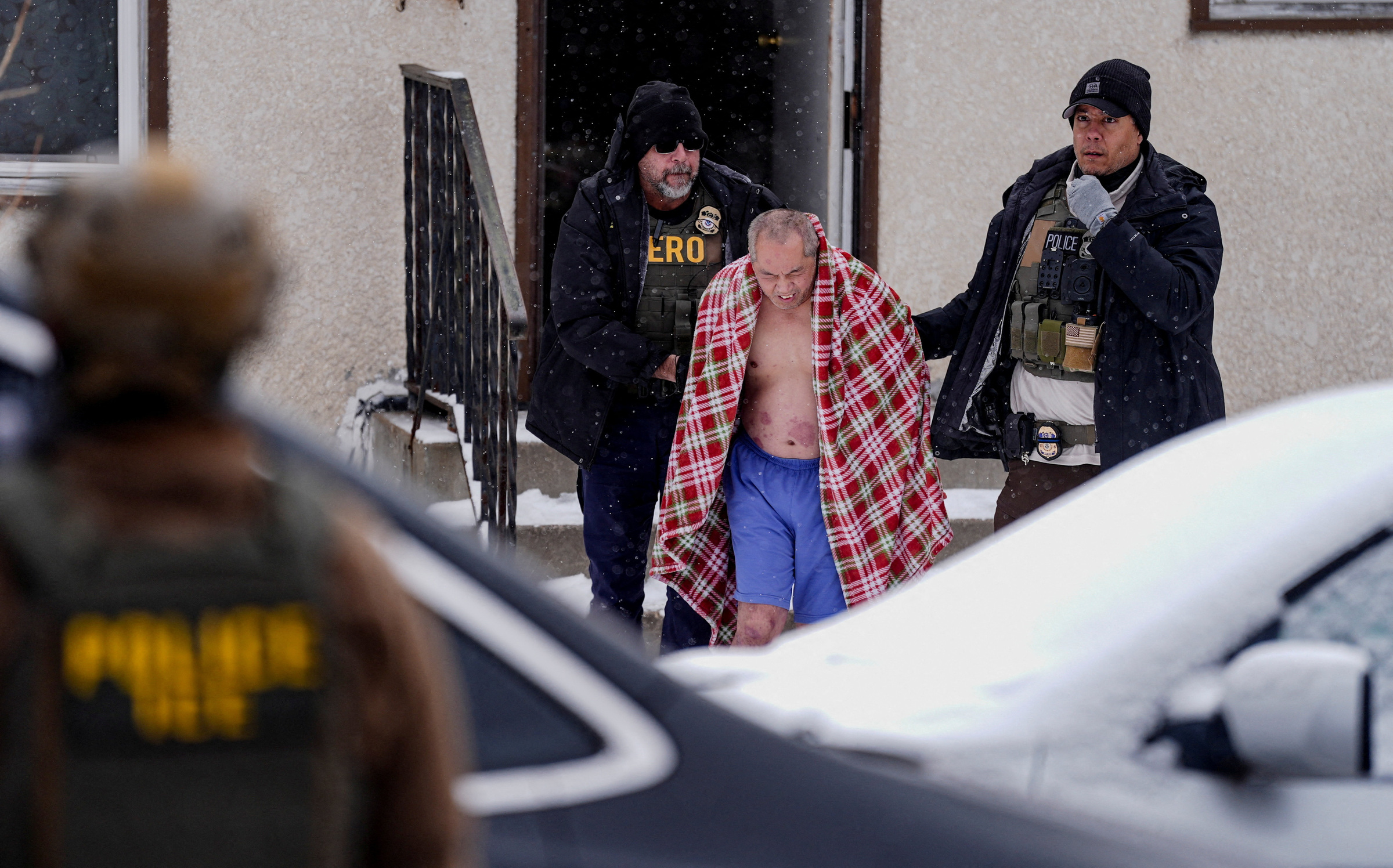 |
ICE agents escorting Thao into the snowy weather in St. Paul, Minnesota, on 18/1. Photo: Reuters.
Speaking to media on 19/1, Thao recounted that he was singing karaoke at home when he heard a loud noise at the door. Agents then burst in, pointed guns, handcuffed him, and escorted him from the house as he was trying to find identification.
According to him, agents did not allow him to put on more clothes. He had to use the blanket from his sofa to wrap around himself for warmth.
"I could only pray, asking God for help. I haven't done anything wrong; why are they treating me like this, especially when I'm not even fully dressed?" Thao said, adding that he felt scared, ashamed, and angry after the incident.
Images of Thao's arrest circulated on social media, raising concerns about potential federal overreach during an immigration enforcement operation in the Twin Cities metropolitan area, which includes St. Paul and Minneapolis, Minnesota.
The Department of Homeland Security (DHS) later explained that ICE agents were searching for two convicted sex offenders at the house. They described them as "two undocumented Laotian nationals with criminal records who were subject to deportation orders."
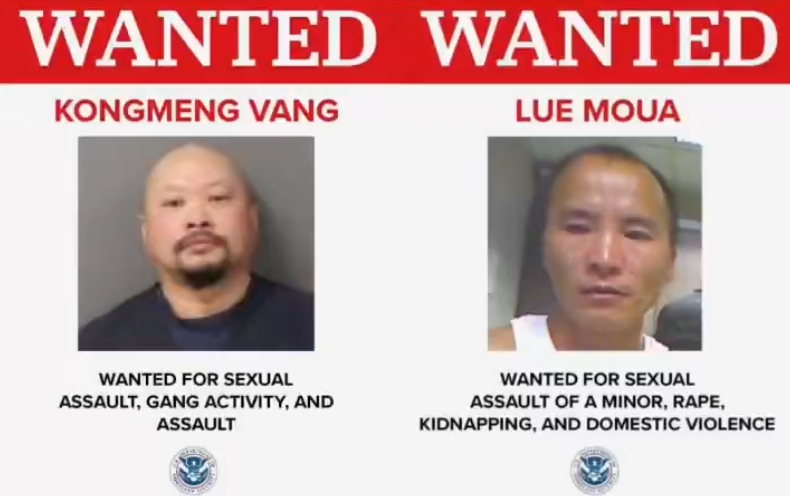 |
Two undocumented Laotian nationals with criminal records who are wanted. Photo: Detroit News.
According to DHS, a US citizen in the house refused fingerprinting and facial recognition, leading to his temporary detention. "The man's characteristics matched the description of the target, so he was arrested under normal procedure to ensure the safety of the community and law enforcement," DHS spokesperson Tricia McLaughlin said, but did not explain why ICE later released Thao.
In a separate statement, Thao's family described the arrest as "unnecessary, humiliating, and psychologically damaging." The highest temperature in St. Paul on 18/1 was -10 degrees Celsius.
According to Thao's relatives, one of the two wanted suspects previously lived at the house but had moved out, and was the ex-husband of a family member.
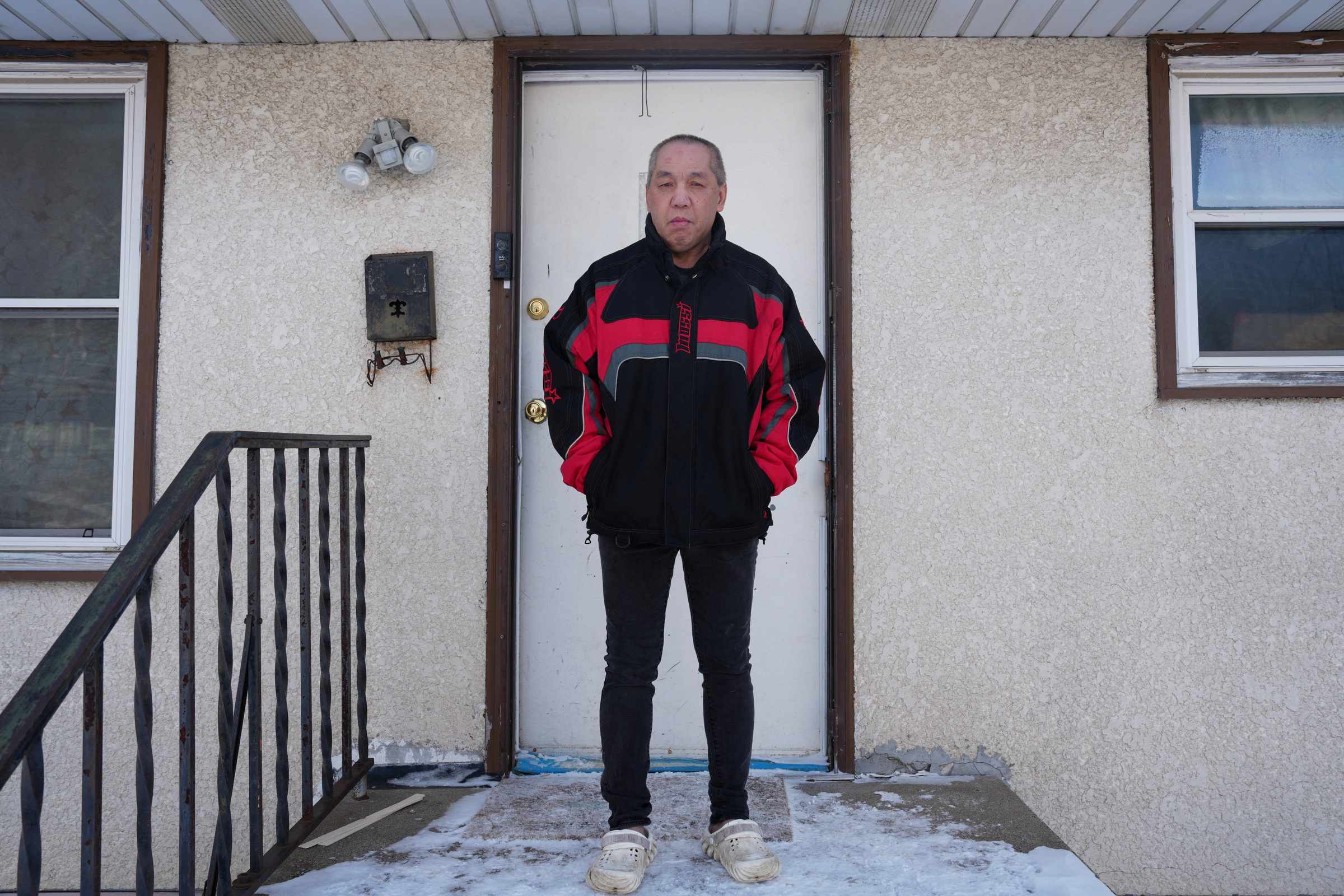 |
Thao standing outside his home in St. Paul, Minnesota, one day after the incident. Photo: Reuters.
Thao came to the US with his parents in 1974 at the age of 4, and became a naturalized US citizen in 1991. While being restrained by ICE agents, he feared he would be deported.
"We came to the US for a brighter future. If the US turns out like this, what are we doing here?" Thao told Reuters.
Federal Judge Katherine Menendez on 16/1 issued an order prohibiting law enforcement from employing certain aggressive tactics during immigration raids in Minnesota, including: drawing or pointing weapons, using pepper spray, arresting or threatening to arrest protestors and observers.
According to Judge Menendez, these actions could deter citizens from exercising their constitutionally protected right to protest. The Trump administration is appealing this order.
By Duc Trung (Reuters, AP, Washington Post)


