


The Washington Post reported on 18/3, citing a senior official in President Donald Trump's administration, that the US Department of Defense aims to use part of this $200 billion to "urgently ramp up production of critical weapons, which have been depleted after striking thousands of targets in Iran over the past three weeks."
The exact budget amount the White House will request from the US Congress for approval is not yet clear, but some government officials acknowledge that the $200 billion figure is "unrealistic."
The White House and the US Department of Defense have not commented on the information.
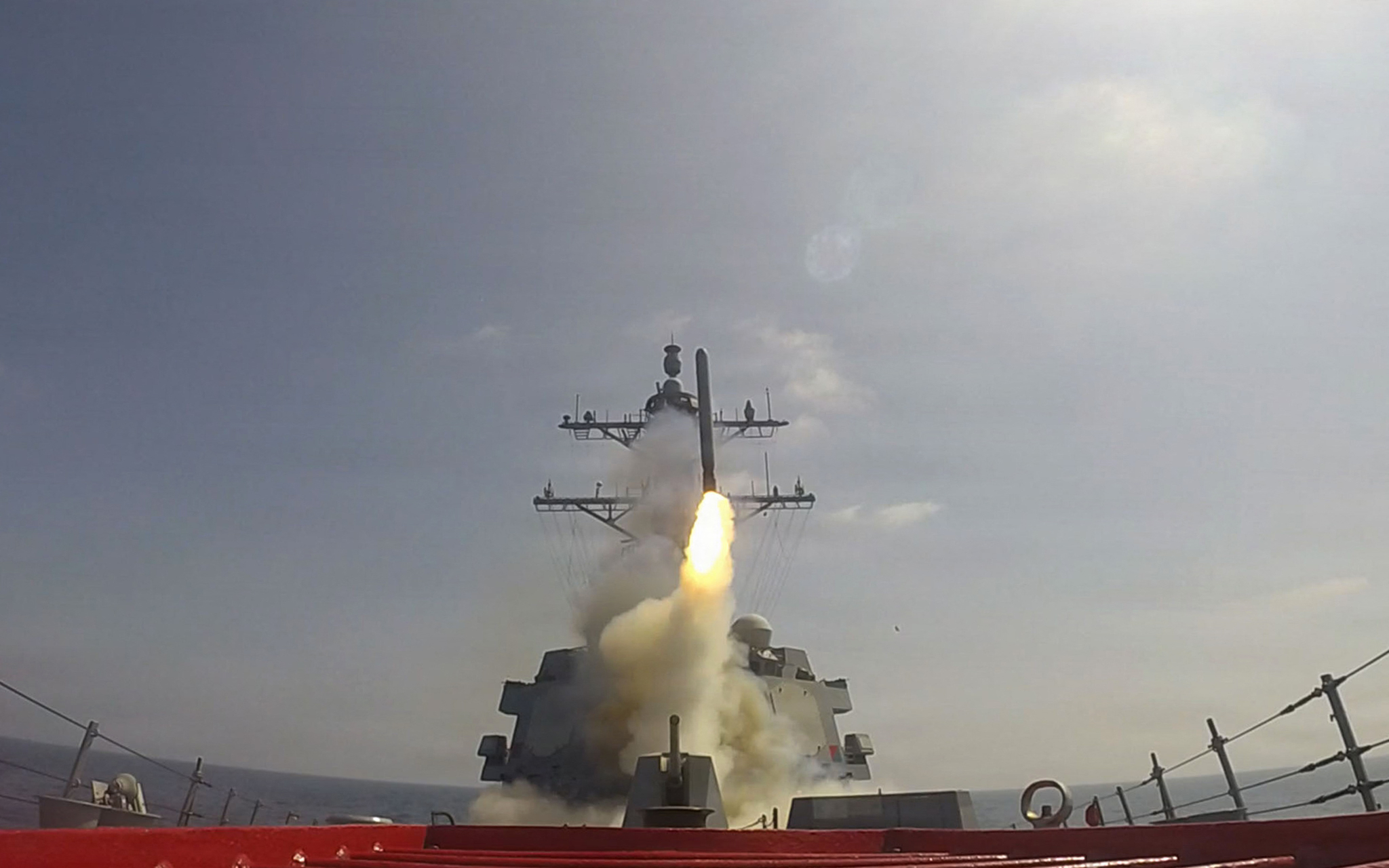 |
Destroyer USS Frank E. Petersen Jr. launching a Tomahawk missile at Iran on 28/2. Photo: US Navy |
The Middle East conflict has entered its third week with no signs of an end.
According to several US officials, the cost of the offensive campaign against Iran has rapidly increased, exceeding $11 billion in just the first six days. This figure does not include costs related to preparations for the attacks. The Trump administration has yet to provide a public assessment of the costs or a clear intention regarding the expected duration of the conflict.
US defense officials previously informed Congress that approximately $5,6 billion worth of ammunition was expended in just the first two days of fighting.
In addition to weapons used in air strikes, the US military also expended a large number of interceptor missiles and suffered significant equipment losses due to retaliatory strikes from Iran, including numerous "god's eye radars" valued at hundreds of millions to over one billion USD, which were completely destroyed or damaged.
Bloomberg reported on 8/3 that pressure from Iran raised concerns that stockpiles of THAAD and Patriot missiles would soon decrease to dangerous levels, despite President Donald Trump's previous statement that the US had "almost unlimited" ammunition and could fight "forever."
Before the Middle East conflict erupted, President Trump had proposed a defense budget of up to $1,5 trillion, an increase of over 50% from the previous year.
Huyen Le (According to The Washington Post, The Guardian)


