President Donald Trump's efforts to foster positive developments with Iran in recent weeks have yielded few results. His shift in approach became evident on 18/8, when he declared that no diplomatic activity was underway, a departure from his previous assertions of good progress in talks.
"The naval blockade is being strictly enforced. The Strait of Hormuz remains open and operating normally; all mines have been removed or detonated," he wrote on Truth Social.
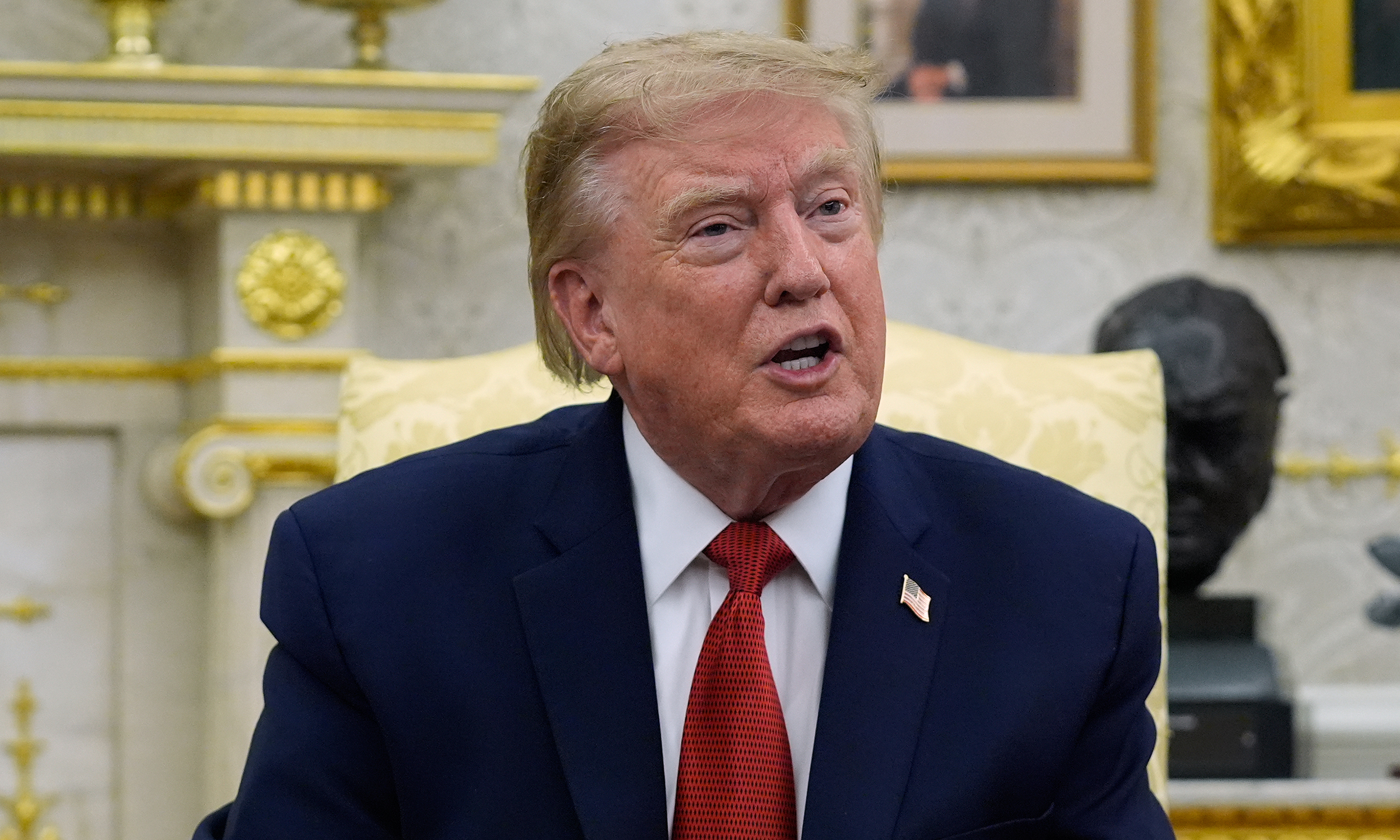 |
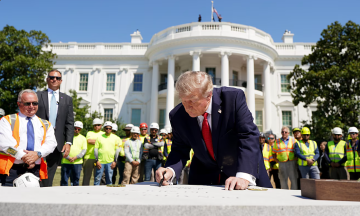
President Donald Trump at a White House event on 18/8. Photo: AP |
According to unnamed US officials cited by CNN, Mr. Trump has instructed senior envoys to cease negotiations with Iran. One source added that White House officials recently informed allies they would pivot from "striking Iran hard as quickly as possible" to "gradually tightening the noose."
The stalled efforts to restore a dialogue channel with Tehran, coupled with mounting questions about the cost of the US military campaign against Iran, appear to have led President Trump to distance himself from this conflict.
US officials indicated President Trump is dissatisfied with Iran's unwillingness to concede to his demands. "The US leader wants to wait until Iranian officials signal readiness for a deal he desires before restarting negotiations," one official stated.
Iranian officials have repeatedly denied reports of "Tehran directly negotiating with Washington." Mr. Trump previously expressed anger over these denials, suggesting Iran was stalling despite a strong desire for private arrangements.
Sources familiar with the situation indicate the US leader is also displeased with key aspects of the agreement Iran sought to reach with Oman regarding the management of the Strait of Hormuz. President Trump severely criticized and threatened airstrikes against Oman, despite the nation being a strategic US partner for many years.
Within the White House, many worry this plan could help Iran consolidate control over the strategic waterway. Some US officials believe Oman is leaning towards Iran during negotiations, rather than acting as a neutral mediator.
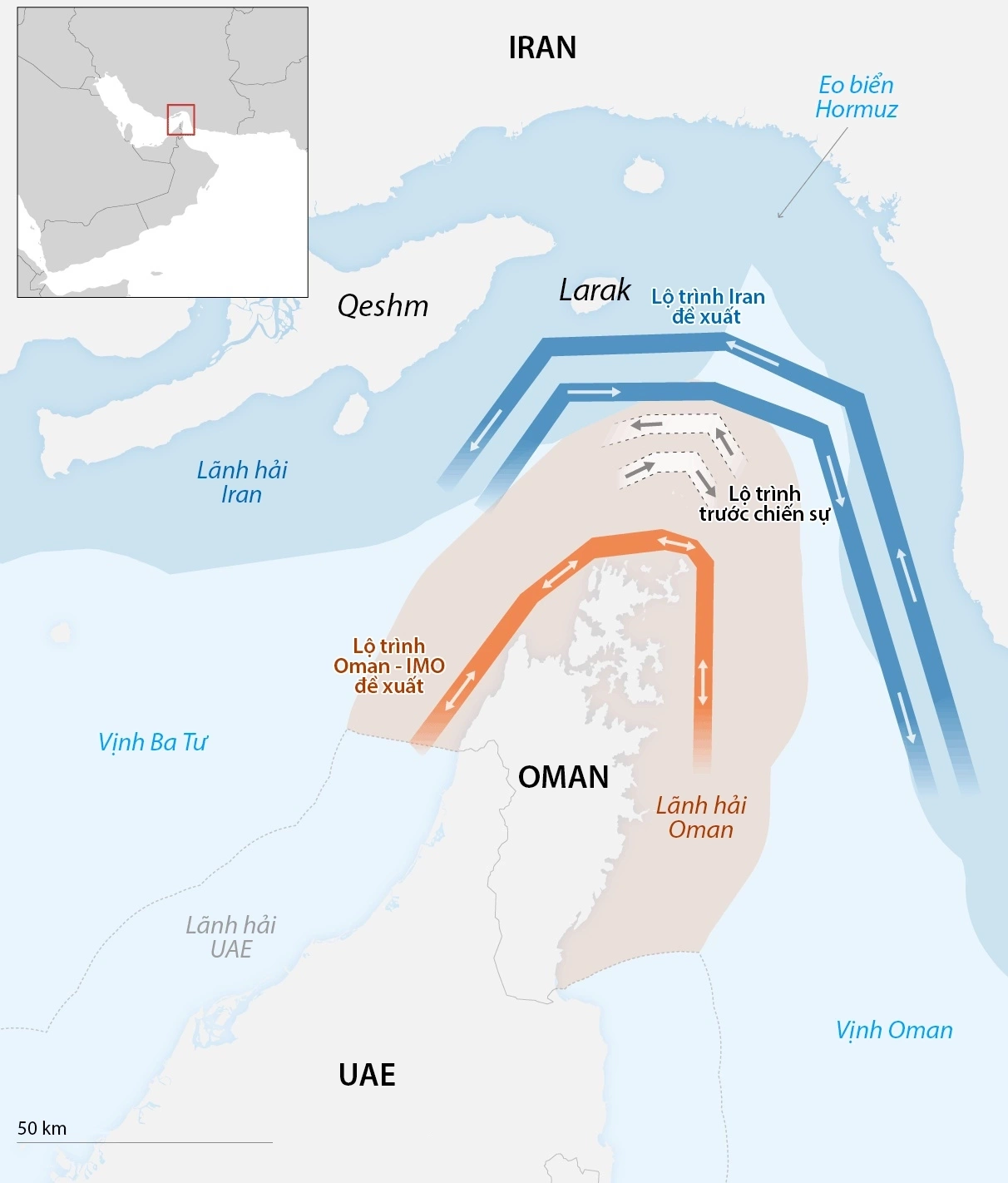 |
Routes currently used by vessels to navigate the Strait of Hormuz. Graphic: CNN |
President Trump and senior US officials also oppose collecting fees from vessels transiting the Strait of Hormuz, while the option Iran and Oman are discussing includes environmental protection or security fees.
US officials stated the country will soon impose severe sanctions on Iran. Secretary of Defense Pete Hegseth and US military commanders affirmed that forces in the Middle East are prepared to enforce an indefinite blockade of Iranian ports.
The US President and his advisory team believe economic pressure will compel Iran to accept his conditions to end the conflict. Conversely, Iranian officials suggest the US leader faces political pressure regarding troop withdrawal, contributing to the current stalemate.
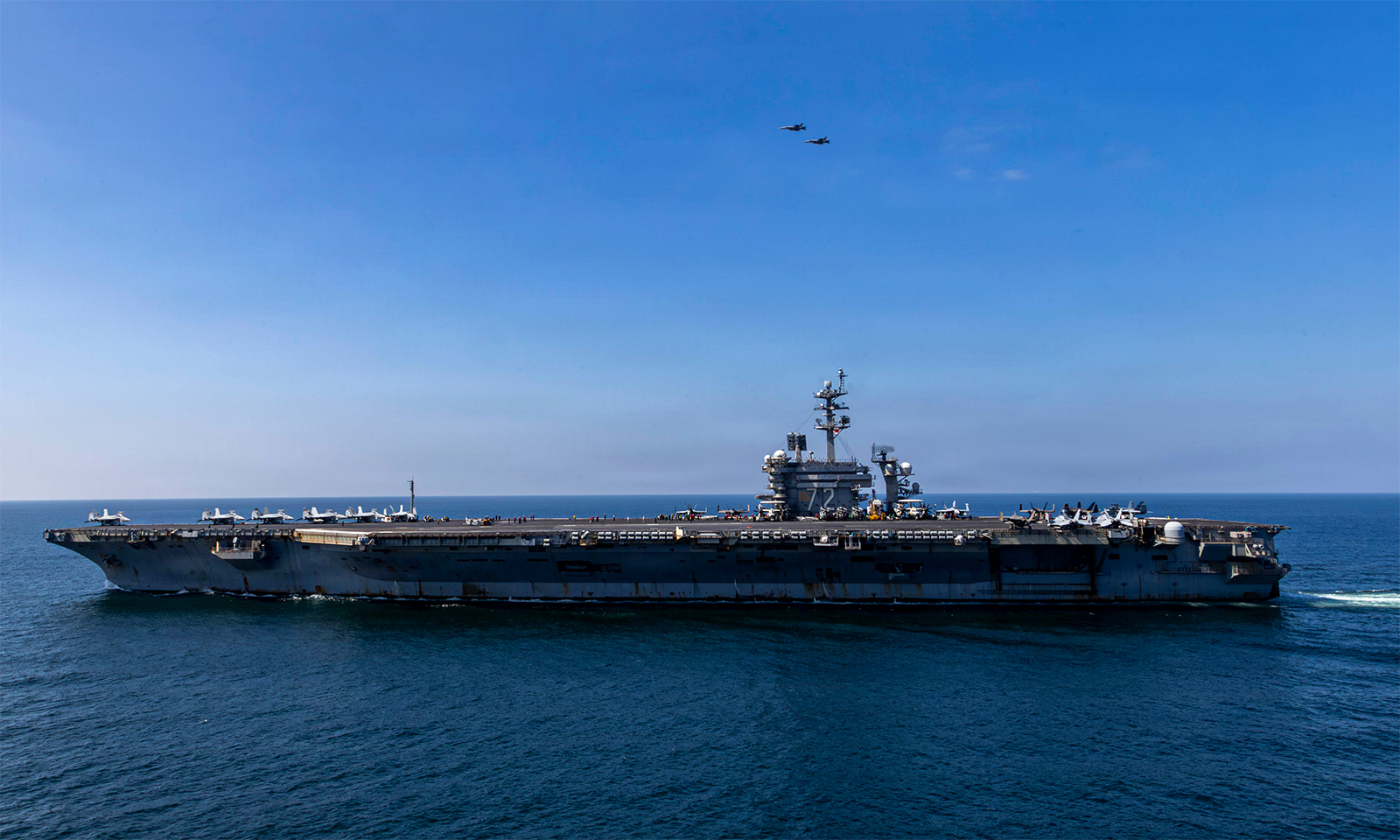 |
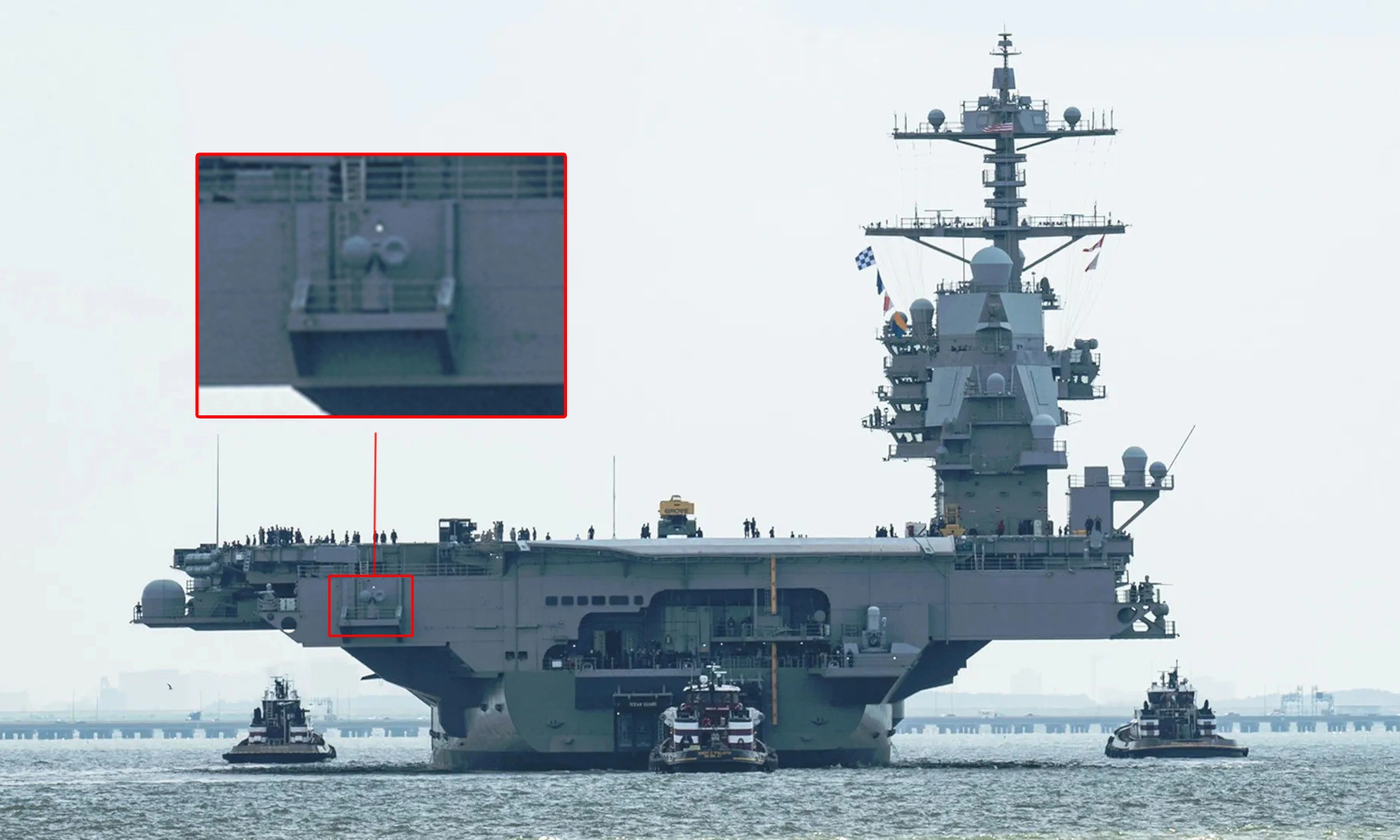
The USS Abraham Lincoln aircraft carrier in the Middle East on 3/3. Photo: US Navy |
Maintaining a US presence in the Middle East for a record duration is drawing significant criticism towards the US military. Last week, the US President also admitted that stockpiles of some advanced weapons are not at desired levels after half a year of conflict.
However, he has so far disregarded calls from the Republican Party to find an exit from the conflict, asserting he is not under time pressure. On 18/8, President Trump posted a map of the Strait of Hormuz with the caption "new US territory," a move indicating no signs of an imminent US troop withdrawal.
By Nguyen Tien (CNN, AP, AFP)