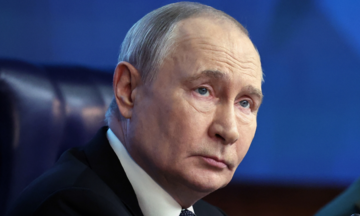
Russia's Ministry of Foreign Affairs issued a warning on 18/12/2024, stating, "We hope that President Donald Trump's administration will not make a fatal mistake, and will exercise restraint to avoid a situation leading to unpredictable consequences for the entire Western Hemisphere." The ministry also called on regional parties to de-escalate tensions.
On the same day, Kremlin spokesperson Dmitry Peskov affirmed Russia's consistent communication with Venezuela, a key ally and partner of Moscow. "We call on all countries in the region to exercise restraint, to avoid any unpredictable developments in the current situation," he added.
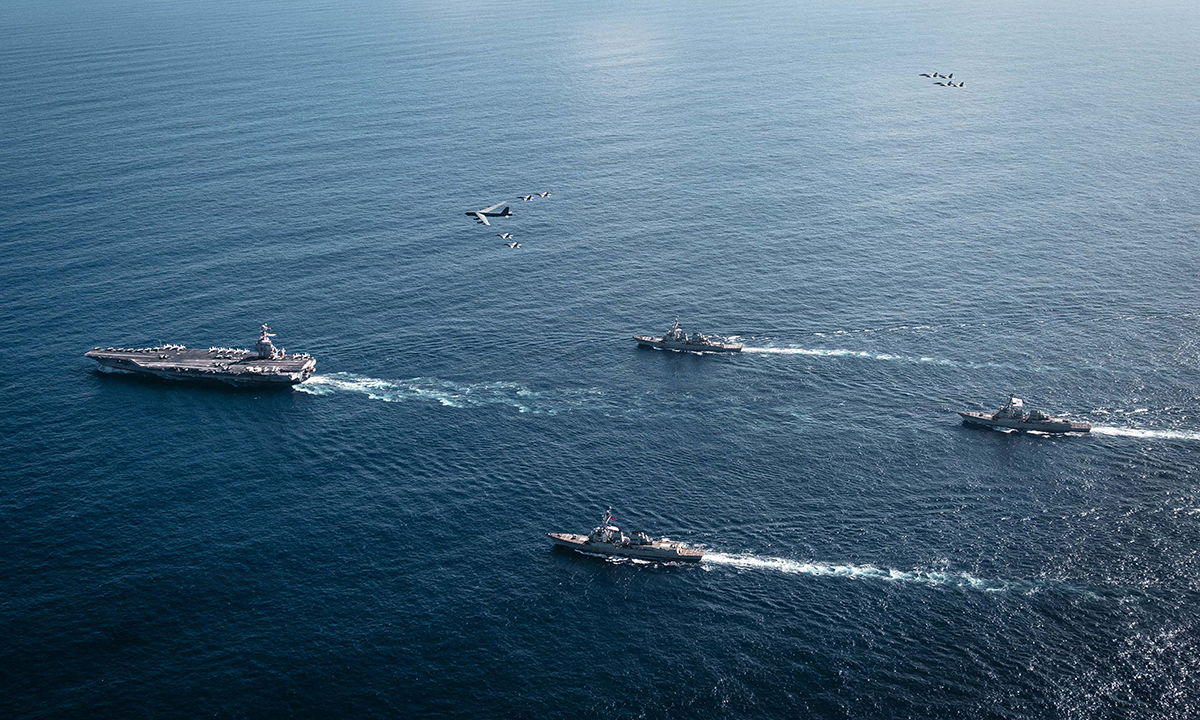 |
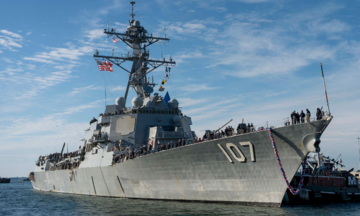
U.S. forces demonstrate their strength near the Caribbean Sea on 13/11/2024. Photo: US Navy |
U.S. forces demonstrate their strength near the Caribbean Sea on 13/11/2024. Photo: US Navy
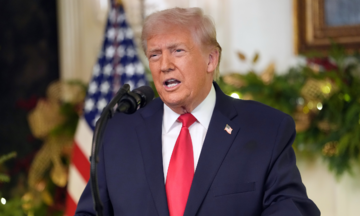
These comments from Russian officials followed President Trump's declaration on 16/12/2024 that the largest fleet ever deployed in Latin America was "fully encircling Venezuela". Trump also ordered a "full and absolute blockade" of sanctioned oil tankers, prohibiting these vessels from entering or leaving Venezuela.
The Venezuelan government subsequently expressed outrage at President Trump's declaration. In a statement, it labeled the action an "absurd maritime blockade designed to seize Venezuelan assets" and asserted that crude oil exports would not be affected by the announcement.
It remains unclear how the U.S. intends to enforce a blockade on Venezuela. U.S. media, citing sources familiar with the matter, reported that Venezuela on 16-17/12/2024 deployed warships to escort three vessels carrying urea, petroleum coke, crude oil, and refined petroleum products from Jose port to Asia.
The Trump administration has consistently increased pressure on President Maduro in recent months, deploying military assets to the region under the pretext of anti-drug missions. Maduro believes this force mobilization indicates the U.S. intention to change the regime in Venezuela and control its oil reserves.
Russia has been a long-standing ally of Venezuelan President Nicolas Maduro and his predecessor Hugo Chavez, with ties in the oil and military sectors. Venezuela has imported and operates various modern Russian military equipment, including Su-30MKV fighter jets and S-300VM long-range air defense systems.
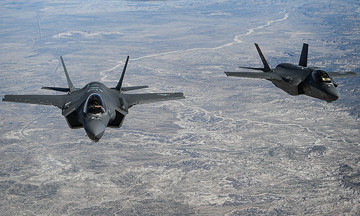
U.S. forces near Venezuela currently include the Gerald R. Ford carrier strike group, at least 8 surface ships, one special operations support vessel, one attack submarine, F-35 stealth fighter jets, AC-130 gunships, transport aircraft, unmanned aerial vehicles, electronic warfare aircraft, search and rescue planes, and over 15,000 troops.
By Nguyen Tien (AFP, AP, TASS, RIA Novosti)