The South Korean military is grappling with a growing trend: soldiers increasingly opting for plastic surgery during their service, creating dilemmas for commanders and impacting unit readiness. Earlier this year, Lieutenant Kim, a platoon commander in a frontline unit in the Seoul metropolitan area, faced a rare predicament. He had to excuse a corporal from a rigorous winter training course because the soldier returned from leave with a nose still swollen from cosmetic surgery.
"I was confused because he underwent a nose job without prior notice," Lieutenant Kim said, adding that he had to remove the soldier from the training roster due to concerns about complications from the unhealed wound. This predicament is not isolated, signaling a significant loophole in military regulations.
While plastic surgery in the South Korean military is not new, the pattern has changed significantly. In the past, units accepted conscripted soldiers using long leaves during their final months of service to undergo surgery before returning to civilian life. However, more soldiers are now opting for cosmetic procedures long before their service ends.
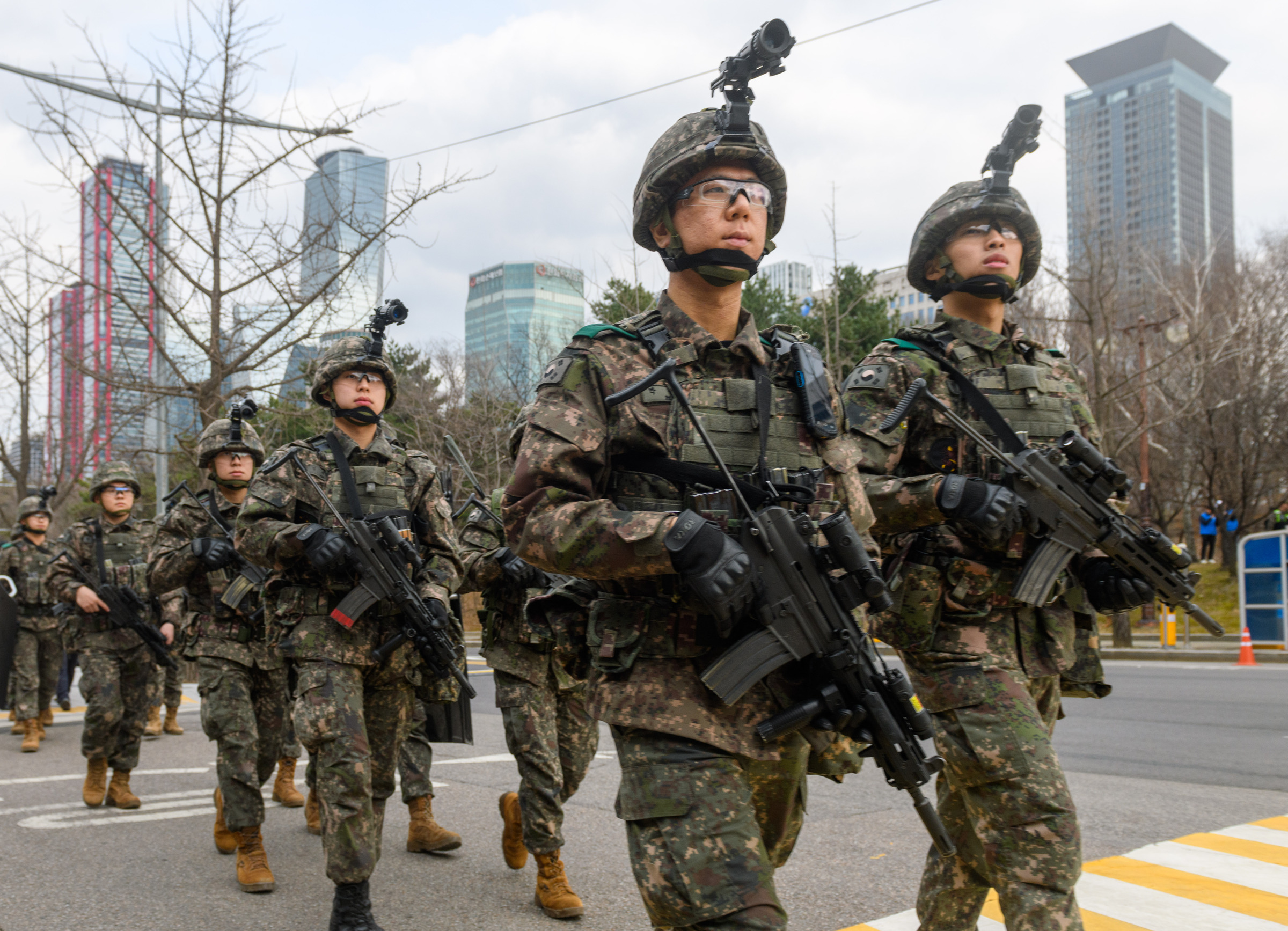 |
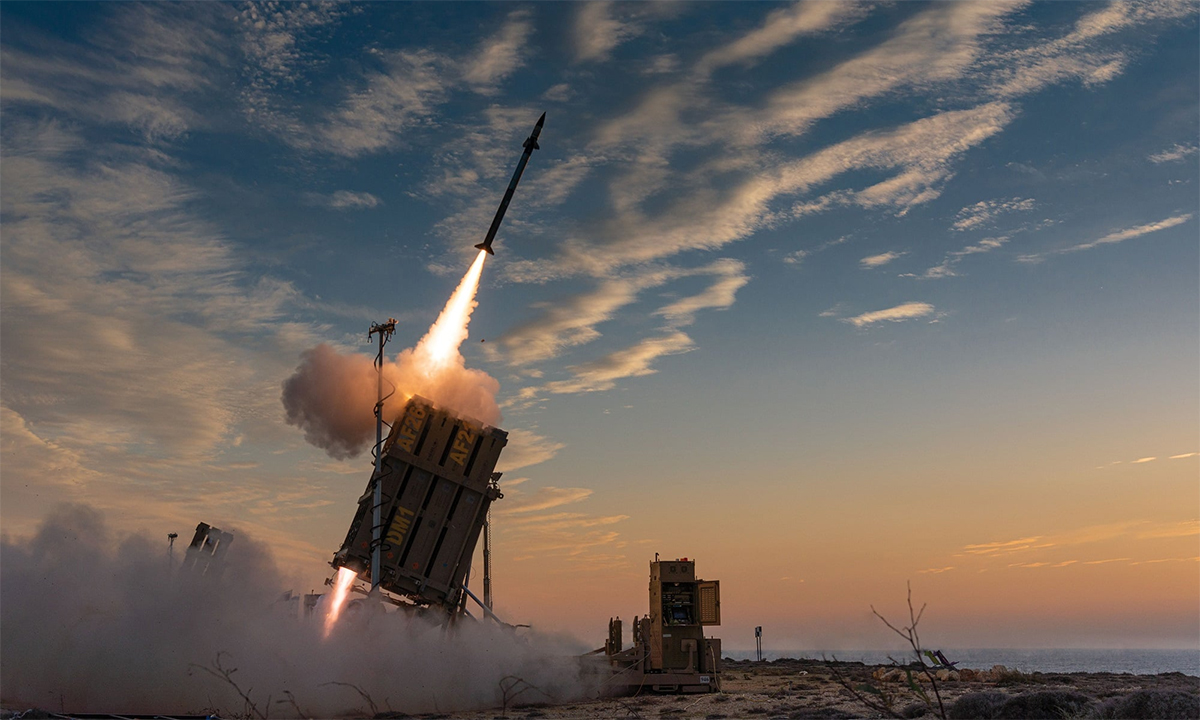
South Korean soldiers participate in a drill in Seoul in 3/2024. *Reuters* |
The South Korean military does not have official statistics on the number of soldiers undergoing plastic surgery. Still, this shift is evident in society, with many active-duty personnel frequently inquiring at beauty clinics about recovery times and surgery costs. "Every week, two to three soldiers come to me for consultations about eyelid or nose surgery," said Choi, 38, a consultation manager at a plastic surgery clinic in Gangnam district.
Several factors are fueling this surge, including a more flexible military culture, shifting generational perspectives, and significantly increased salaries. Corporal Choi, 22, interviewed at a Gangnam clinic on 4/5, stated he saved 1,2 million won (approximately 815 USD) from his monthly salary to afford eyelid surgery. "I even limited my purchases of consumer goods on base to save money for the surgery," Choi said.
Clinics are also actively targeting this customer group with eye-catching social media advertisements, offering discount codes for military personnel. When a reporter from Hankook Ilbo visited a Gangnam clinic, identifying as an active-duty soldier, the clinic offered a 40% discount.
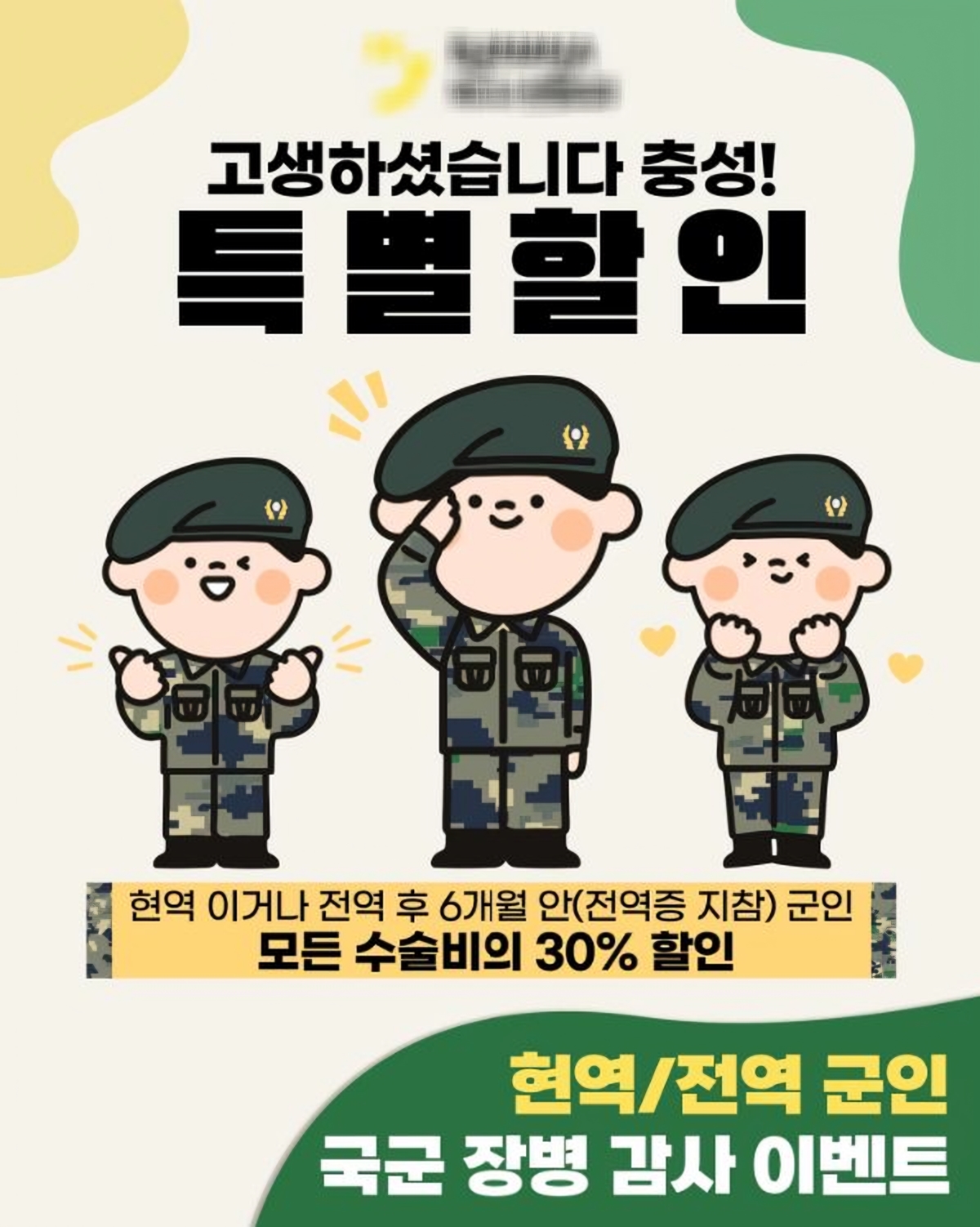 |
A South Korean clinic displays advertisements offering discounted plastic surgery prices for active-duty soldiers. *Korea Times* |
This trend of soldiers undergoing cosmetic procedures is increasing pressure on commanders. A lieutenant stationed in the Chungcheong region recently had to excuse a soldier from night guard duty after the individual returned to the unit with swollen eyes from eyelid surgery. "I had no choice but to excuse him from guard duty to ensure safety. Ultimately, we had to adjust the guard schedule, increasing shifts for other comrades," the lieutenant said.
Commanders also face pressure from soldiers' families. Captain Park, a company commander in Gangwon province, received a call in March from a soldier's mother, requesting her son be excused from trench digging due to unhealed eyelid surgery. "That could set a bad precedent, and it's difficult to accommodate unconditionally, but if anything goes wrong, the officer is still responsible. Therefore, I am in a very awkward position," Captain Park said.
This situation causes significant dissatisfaction among soldiers forced to cover duties for those undergoing eyelid and nose surgery. Despite this, South Korean military commanders lack clear regulations to address or control soldiers' plastic surgery procedures.
Choi Gi-il, a professor of military studies at Sangji University, emphasized the need for systematic management measures to protect the South Korean military's combat readiness while considering the evolving values of the younger generation. "The military must prevent instances where soldiers cannot participate in training or unit activities due to prolonged post-surgery effects," Professor Choi said.
Ngoc Anh (*According to Korea Times, Hankook Ilbo*)