For American families, few problems seem more persistent than the daily question: "What's for dinner tonight?"
Kelly Mitchell and her husband, Craig, both work full-time. Their 11-year-old daughter's schedule is packed with dance classes and competitions. Both Mitchell and her daughter follow gluten-free diets. Figuring out what to cook that suits everyone, balancing time, cost, and available ingredients, becomes a regular struggle around 5 PM each day.
"The most difficult thing is having to solve that problem repeatedly," Mitchell shared. Sometimes, they resort to "dinner hacks" like charcuterie boards with cheese, nuts, salami slices, and crackers.
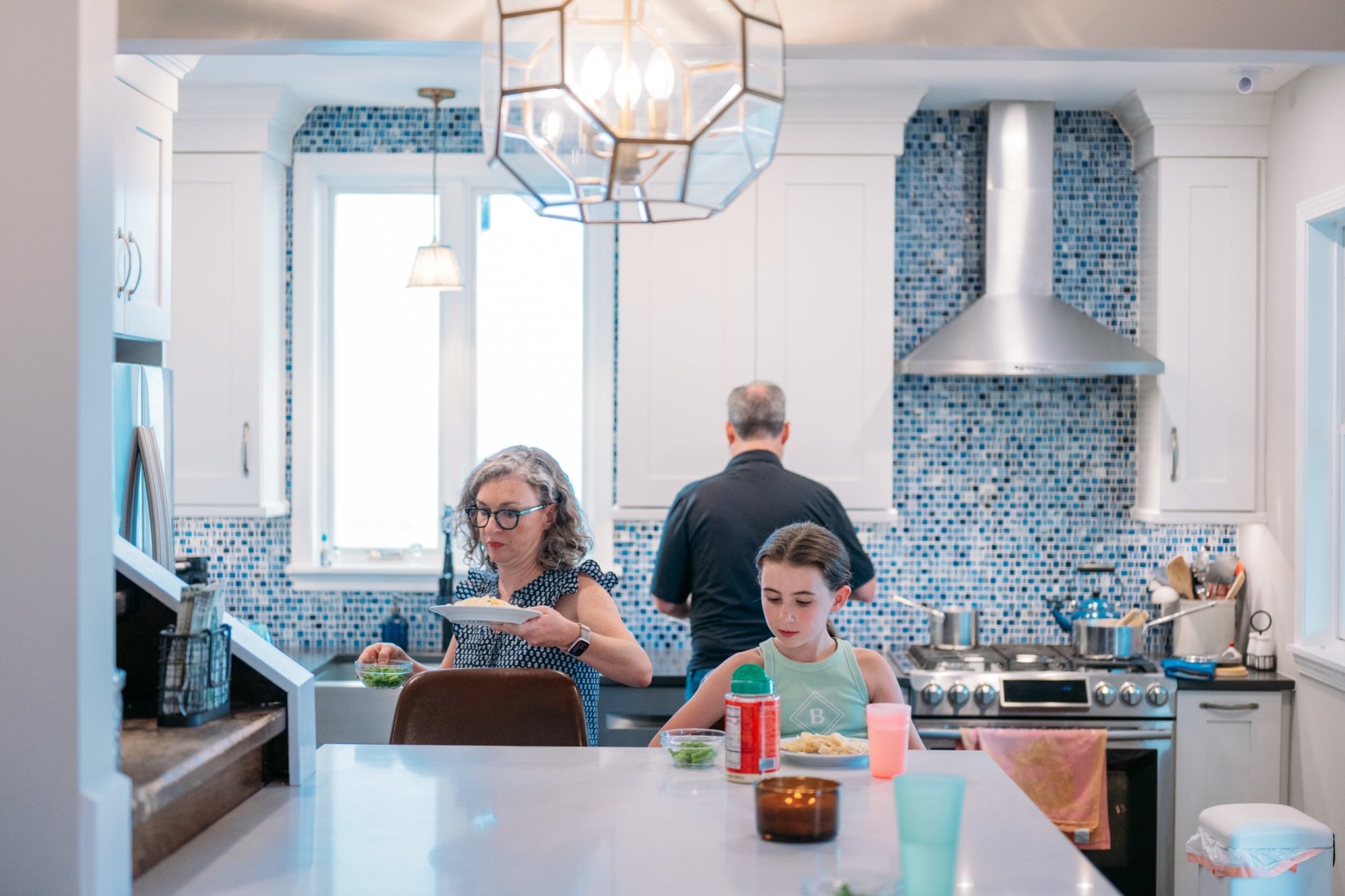 |
Mitchell prepares a quick dinner for her daughter before dance practice in suburban Chicago. Photo: WSJ |
Mitchell prepares a quick dinner for her daughter before dance practice in suburban Chicago. Photo: WSJ
Around 4 PM on any given day, about 80% of Americans still don't know what they will eat for dinner, according to Lauren Fitzgerald, managing partner at Mom Complex, a consulting firm that helps businesses develop products and services for mothers. Based on research with thousands of families each year, dinner-related messaging typically peaks around this time.
In the past, eating out was an easy alternative on busy evenings. But restaurant prices have soared. Instead, the Mitchell family has shifted to using pre-prepared foods and meal delivery services.
According to the US Department of Labor, Americans currently spend more time in the kitchen than at any point in the past 20 years.
Since 2020, half of US families have both parents working full-time, as analyzed by the Pew Research Center based on US Census Bureau data.
Children's sports activities can take place almost all day, with parents acting as drivers. Arranging dinner between work and other activities can become a logistical nightmare. One in five meals is eaten in the car, Fitzgerald shared.
"Dinner is the biggest headache in modern family life," she noted.
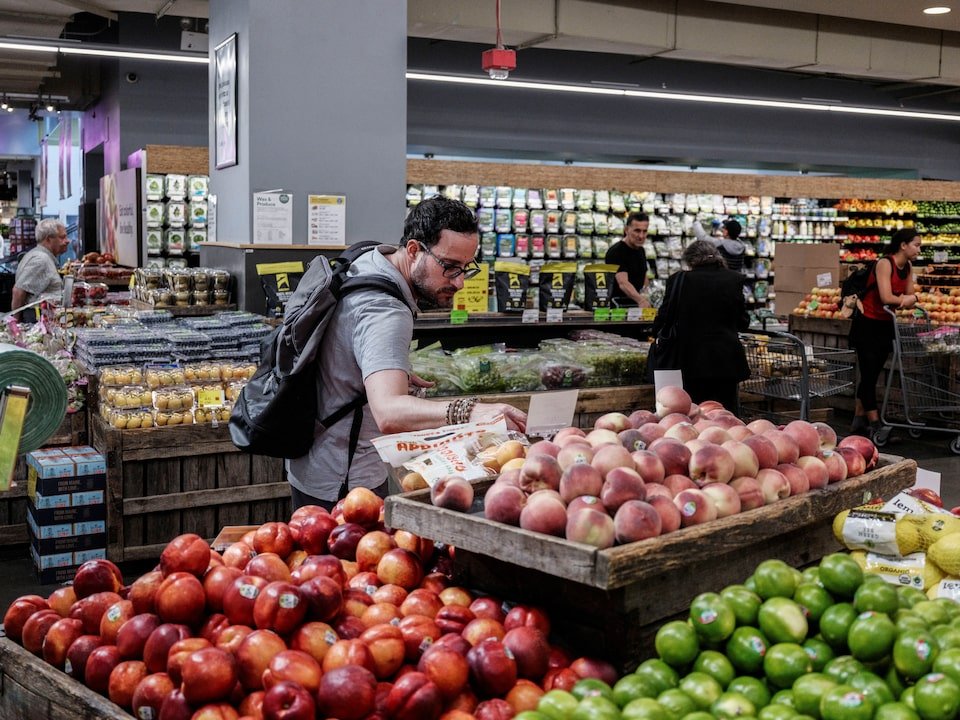 |
A person buys groceries in New York, US, on 15/7/2025. Photo: Reuters |
A person buys groceries in New York, US, on 15/7/2025. Photo: Reuters
Data from the Department of Labor's annual time-use surveys indicates that Americans aged 15 and older spent an average of 43 minutes per day on meal preparation and cleanup in 2025.
Men are the primary contributors to this increase. The time they spend cooking and cleaning has doubled in the past 20 years, from 16 minutes per day in 2003 to 31 minutes last year. However, women still dedicate significantly more time to kitchen tasks, at 55 minutes per day.
Alice Avelar, an insurance professional in Illinois, stated that she spends hours each week searching online for recipes that meet the diverse needs of her large family.
Her youngest daughter has an eating disorder and needs to gain weight. Her father-in-law has diabetes and is recovering from colon cancer. Her husband has gout and avoids red meat. He and his father-in-law enjoy spicy food, while the rest of the family cannot handle as much spice.
"Preparing dinner is really exhausting," Avelar shared.
Some families manage well. Luba Golosinskiy, a nurse living in South Carolina, learned bulk shopping and home cooking from her mother.
To feed her family of five, she spends hours transforming ingredients bought from Costco into large batches of soups and salads. She also rotates slow cooker meals like lasagna and teriyaki chicken, which provide hot dinners with less effort.
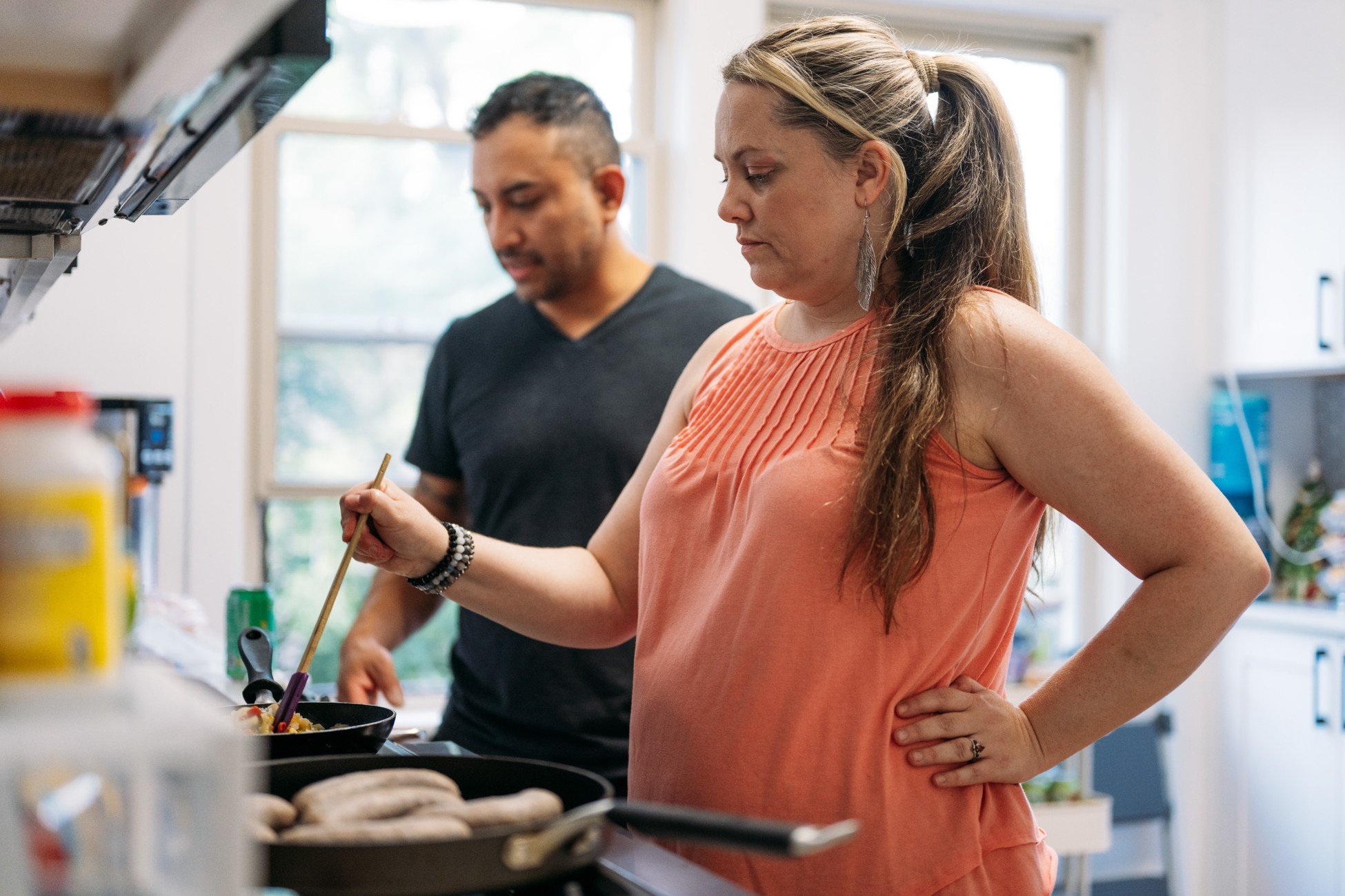 |
Alice Avelar spends hours cooking for her family. Photo: WSJ |
Alice Avelar spends hours cooking for her family. Photo: WSJ
Meanwhile, food brands view the American dinner dilemma as a business opportunity.
In 2023, snack giant Mars acquired Kevin's Natural Foods, a startup specializing in chilled meals for busy, health-conscious consumers who want to serve healthy dishes in minutes. The company expects Kevin's annual revenue to reach 500 million USD in the next few years and potentially increase to 1 billion USD in the next decade.
Amy's Kitchen, an organic food company, recently launched family-sized options for dishes such as vegetable lasagna, cheese enchiladas, and pad Thai.
According to CEO Paul Schiefer, Amy's message is to offer tasty, healthy meals, alleviating consumer "guilt" when choosing quick dining solutions.
However, convenience comes at a price. According to the US Department of Labor, food prices in July were about 26% higher than five years ago.
Anthony Fumo, an accountant in New Jersey and father of two young children, said pre-prepared meals were the first item cut when his family's grocery bills began to rise.
"The cost is really too expensive," Fumo shared. He often visits four different food stores to hunt for bargains.
Hoang Lan (According to WSJ, Reuters)