US President Donald Trump announced on 14/7 that he would replace his planned 20% fee for vessels in the Strait of Hormuz with trade and investment deals with Gulf nations. He shared this decision on social media, stating it followed "very effective discussions" with Middle East leaders.
While specific commitments from Gulf countries were not detailed, Trump indicated these would be significant investments, beneficial for the region's future. He also declared the Strait of Hormuz open to all ships, with the exception of Iran. Trump added that a full blockade would be imposed only on vessels entering or leaving Iranian ports, or those transporting Iranian goods.
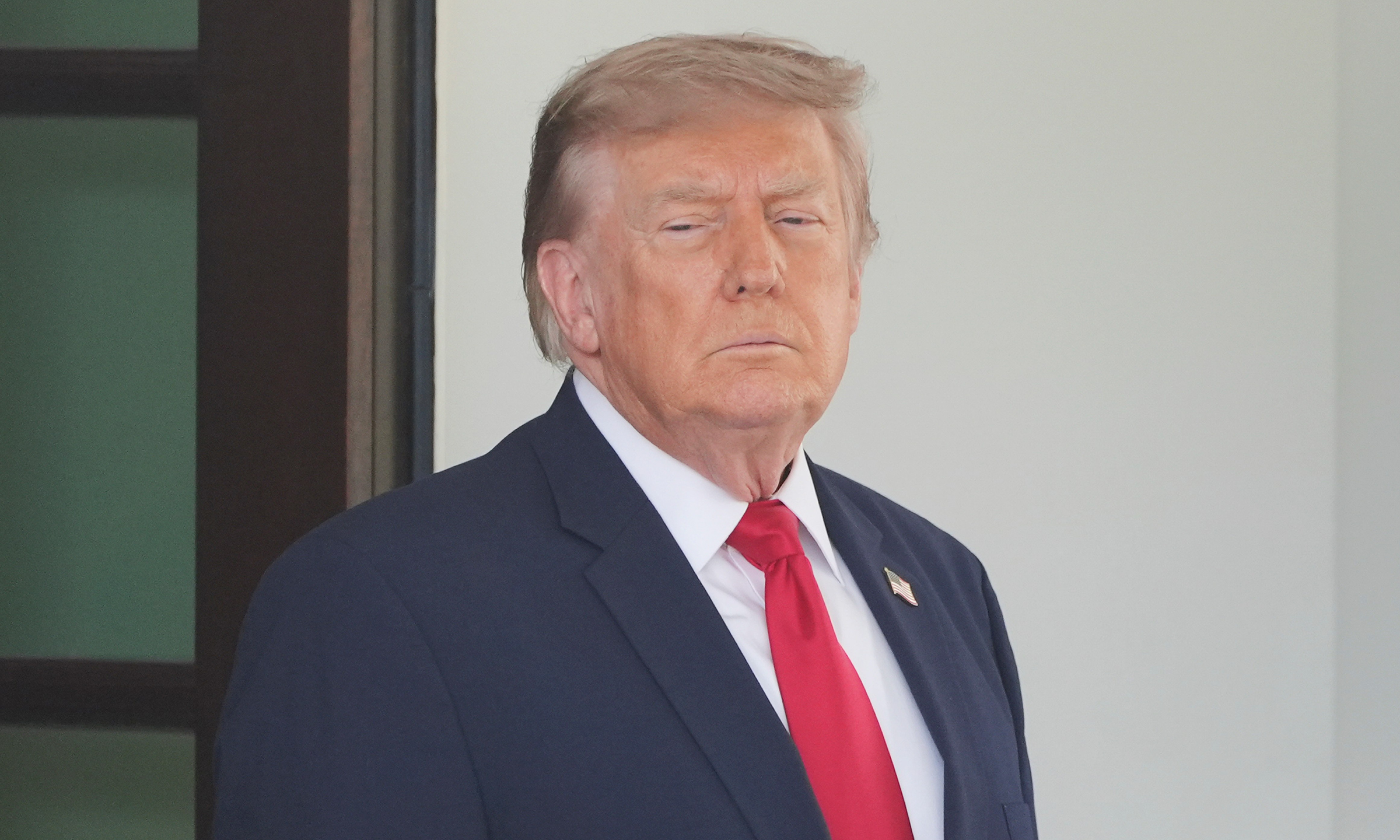 |
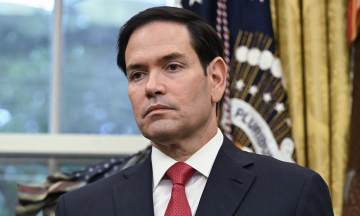
US President Donald Trump at the White House on 14/7. Photo: AP
This new approach comes one day after Trump initially declared the US as the "protector of Hormuz." He had previously stated Washington would collect a fee equivalent to 20% of the value of goods on ships passing through the strait, citing the necessity for the US to ensure security and safety in the vital waterway.
The International Maritime Organization (IMO) of the United Nations immediately voiced opposition to the proposed fee for vessels in the Strait of Hormuz, though it awaited further details. Logistics experts and shipping companies, as cited by the New York Times, warned that such a charge would substantially increase the cost of transporting oil and other products through the strait.
Iranian Foreign Minister Abbas Araghchi also rejected President Trump's fee proposal. Araghchi asserted that Tehran was the legitimate guardian of the strait and thus deserved compensation for its role. "The US President is absolutely right. Anyone who ensures the security and safety of cargo ships passing through the Strait of Hormuz should be compensated for this service", Araghchi wrote on social media, adding, "Iran has always been the gatekeeper of the strait and will forever remain so". He further stated that Iran would propose a "fair" price, deeming 20% excessively expensive.
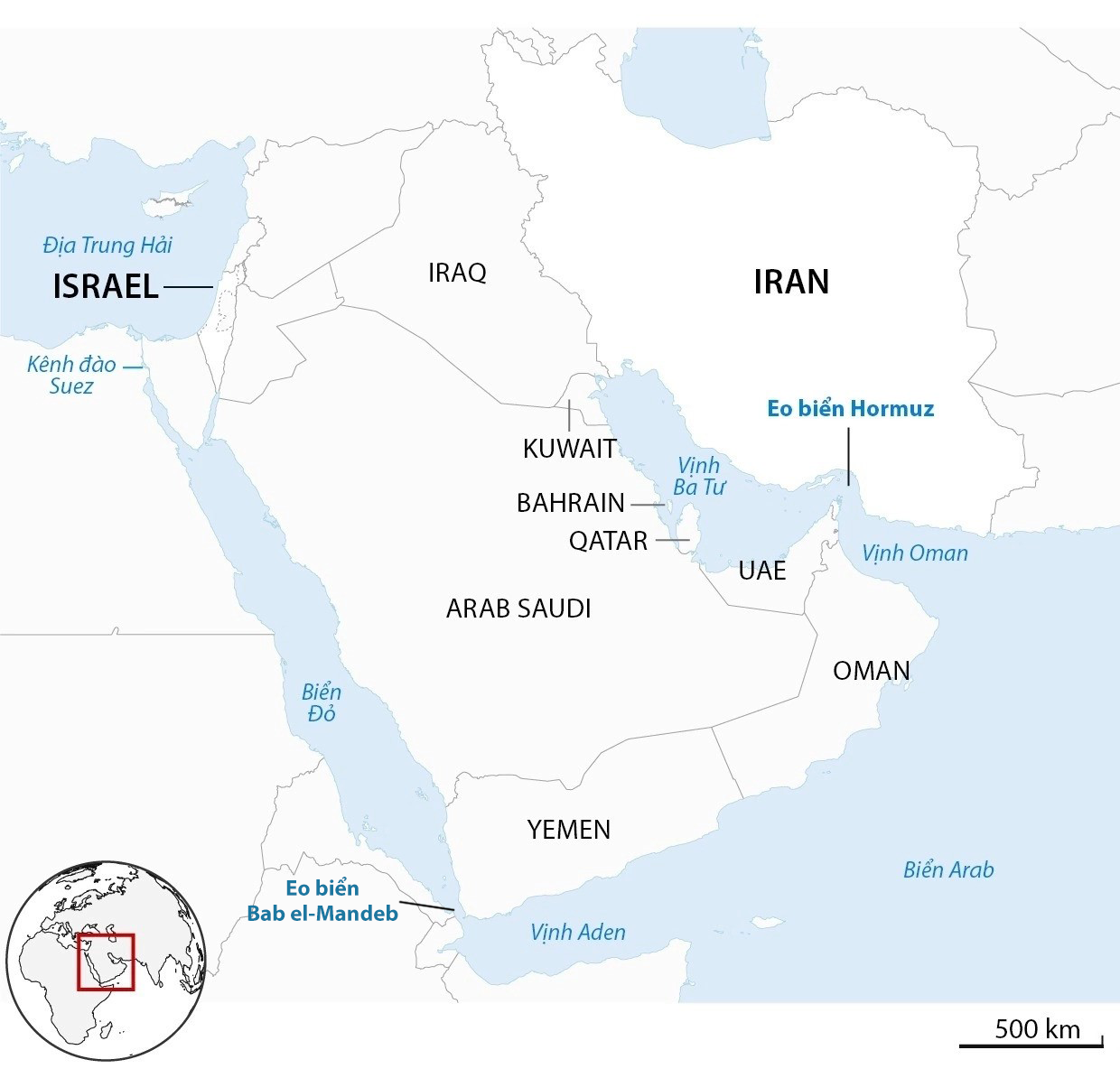 |
Location of the Strait of Hormuz. Graphic: Guardian
Questions regarding the feasibility and legality of collecting fees in the Strait of Hormuz had previously arisen from officials within President Trump's own administration. US Secretary of State Marco Rubio, in June, emphasized that the strait is an international sea lane. "No country is allowed to collect transit fees or other charges on an international sea lane. That is current international law", Rubio stated.
US Vice President JD Vance had also previously underlined Washington's position that "international waterways should be free for transit." In May, President Trump himself declared that the US wanted the Strait of Hormuz to be "free."
Pham Giang (According to Reuters, CNN, New York Times)