


"Many nations have indicated their willingness to participate. Some are enthusiastic, others less so. There are countries the US has aided for years, shielding them from external threats, yet they show little enthusiasm for this. Their level of commitment is crucial to us", US President Donald Trump stated at the White House on 16/3.
Trump referred to the US request for allies to deploy warships to escort oil tankers through the Hormuz Strait. The president did not name the agreeing nations, only stating that the US administration would release the list at a later date.
"Some nations are genuinely enthusiastic. They are preparing to join, with some already en route. As you know, it takes time to reach the region", he added.
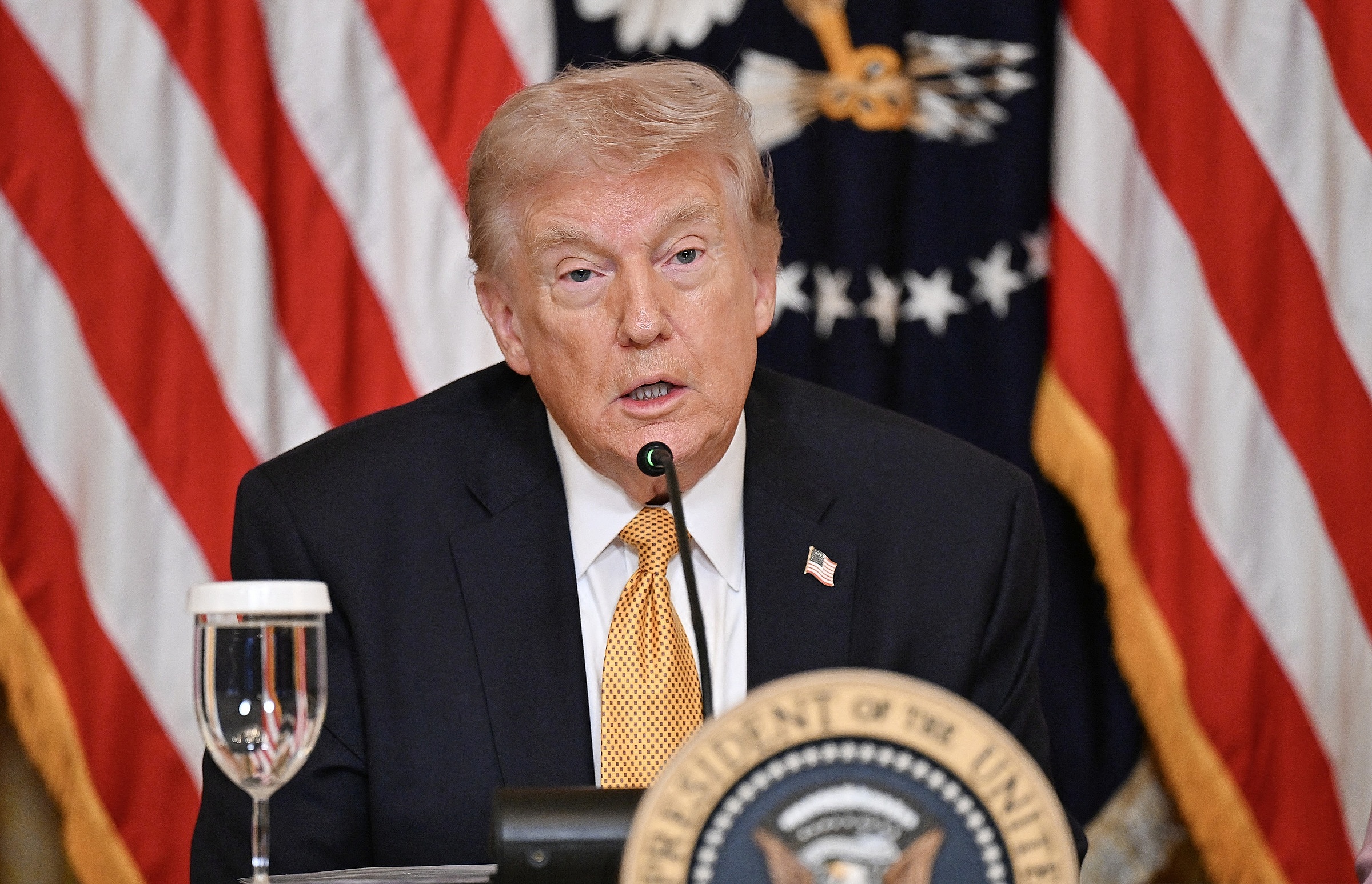 |
President Donald Trump at the White House on 16/3. Photo: AFP |
Trump sought to persuade countries to help secure oil tanker passage through the Hormuz Strait. However, many US allies have yet to commit or have outright rejected the proposal.
"The US has deployed 45,000 troops to protect some nations from danger, a task we performed well. Yet, when we inquired, 'Do you have any mine-sweeping ships?', they responded, 'we will not participate, sir'", the US president stated.
The US leader characterized the Hormuz Strait escort operation as "a minor issue", despite several oil tankers being struck. He added that he already anticipated allies would not support Washington when assistance was needed. "I have long criticized the US protecting other nations, understanding that even with our constant defense, they would not be present if we ever required help", he remarked.
The Middle East conflict entered its third week with no resolution apparent. The Hormuz Strait, a vital waterway for 20% of the world's oil and liquefied natural gas, remains almost entirely blocked. This situation has led to escalating energy prices and heightened inflation concerns.
The conflict has resulted in economic setbacks for US allies. These nations were not consulted prior to the airstrike campaign against Iran and have faced sharp criticism and threats from President Trump since his return to power.
Japan, Germany, Spain, and Italy have indicated no immediate plans to deploy ships to aid in reopening the strait.
A spokesperson for German Chancellor Friedrich Merz stated the Middle East conflict stemmed from US-Israel attacks on Iran, emphasizing that this operation "is not related to NATO" and "is not a NATO war".
"NATO's potential involvement in this conflict was not considered before the current hostilities, nor is it being contemplated now", the spokesperson added.
By Huyen Le (Reuters, CNN)


