US President Donald Trump announced on 13/7 the immediate re-imposition of a blockade on Iranian seaports and declared that the US would levy a "protection fee" from vessels transiting the Strait of Hormuz. This move marks a significant escalation in tensions between the two nations.
Trump stated on Truth Social that the Strait of Hormuz "is open and will remain open, regardless of Iran's consent." He clarified that the reinstated blockade is "designed to prevent only Iranian vessels or buyers from accessing its seaports. All other nations will continue to use the strait fairly and freely." He further declared that the US would be known as the "protector of Hormuz," and would collect a fee equivalent to 20% of the cargo value from ships passing through the strait. This charge, he explained, is essential for the US to fulfill its role in guaranteeing security and safety along this crucial waterway.
"This process will commence immediately," the US President added, without specifying how the US Navy would enforce the new measures.
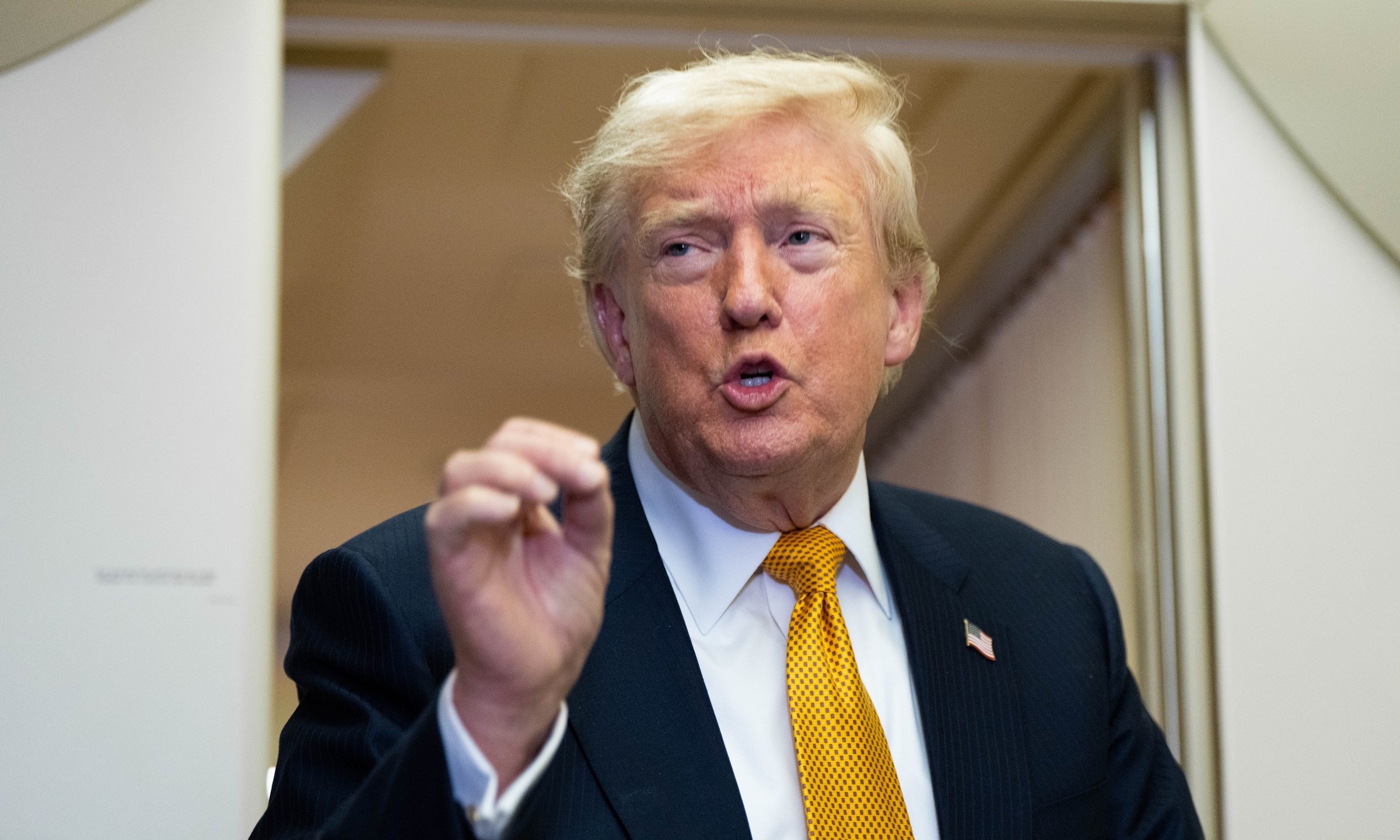 |
President Donald Trump speaks with reporters on Air Force One on 8/7. Photo: AP |
The announcement comes despite a 14-point memorandum signed by the US and Iran in mid-June. Article 5 of this agreement stipulated Iran's commitment to facilitating safe and free passage for commercial vessels through the Persian Gulf - Oman Sea route within 60 days. In exchange, the US was to lift its blockade on Iranian seaports and provide sanctions waivers for the country's oil exports. Iran was also to coordinate with Oman and other Persian Gulf nations to establish a mechanism for managing and providing maritime services in the Strait of Hormuz, based on international law.
However, the document's lack of specific implementation details led to differing interpretations of each clause by the involved parties. Iran asserted its primary role in coordinating vessel movements through Hormuz, while the US viewed Article 5 as crucial for restoring freedom of navigation in the strait.
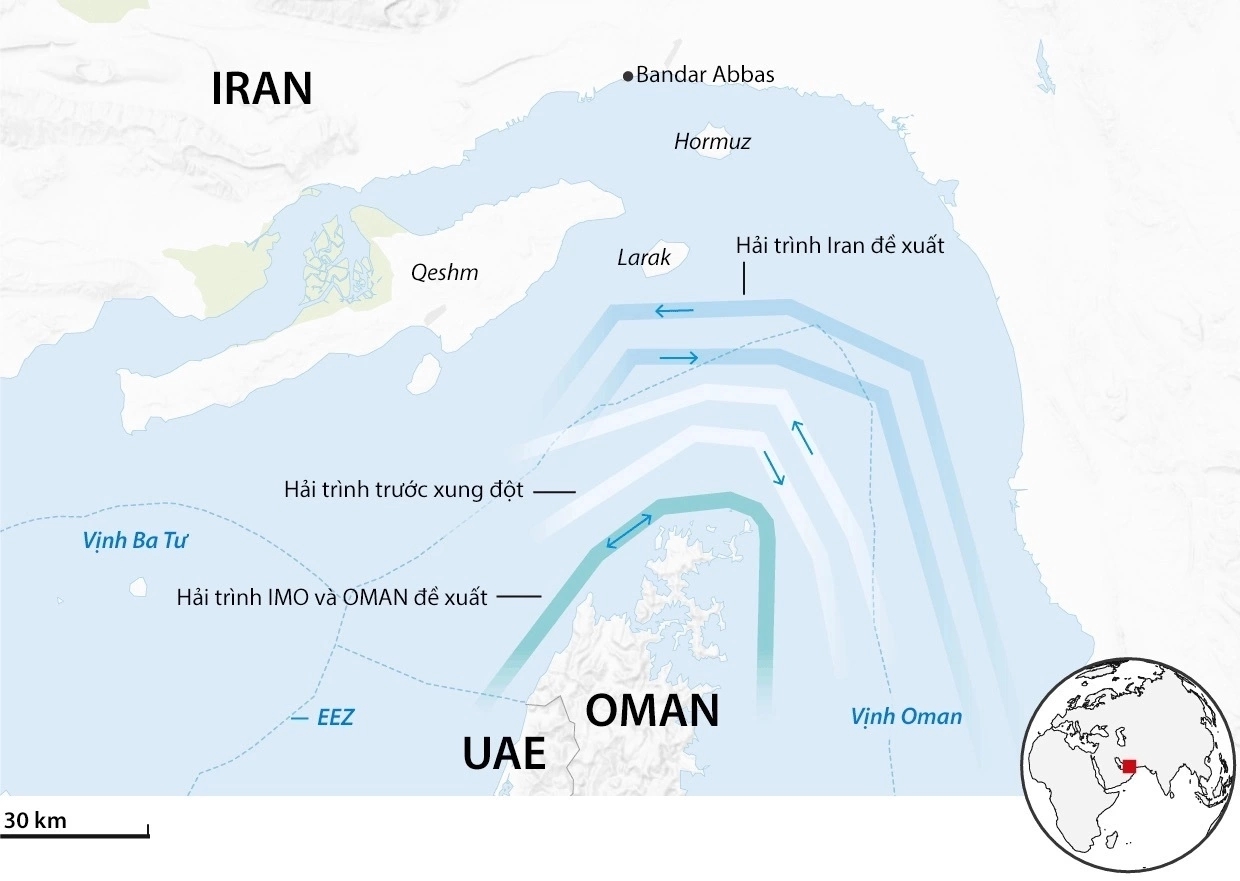 |
Shipping routes through the Strait of Hormuz. Graphic: Guardian |
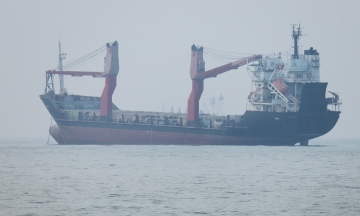
Regional tensions have escalated significantly since 25/6, following an attack on the cargo ship Ever Lovely while it was off the coast of Oman. The US, accusing Iran of responsibility, retaliated with airstrikes on multiple Iranian coastal targets on 26/6. Iran responded by targeting US military positions in the region. This cycle of tit-for-tat actions has occurred repeatedly in recent days, undermining the bilateral ceasefire agreement.
It remains unclear how the US Navy will enforce the re-imposed blockade on Iranian seaports. Iran has yet to comment on the US President's statement.
Ngoc Anh (AFP, Reuters)