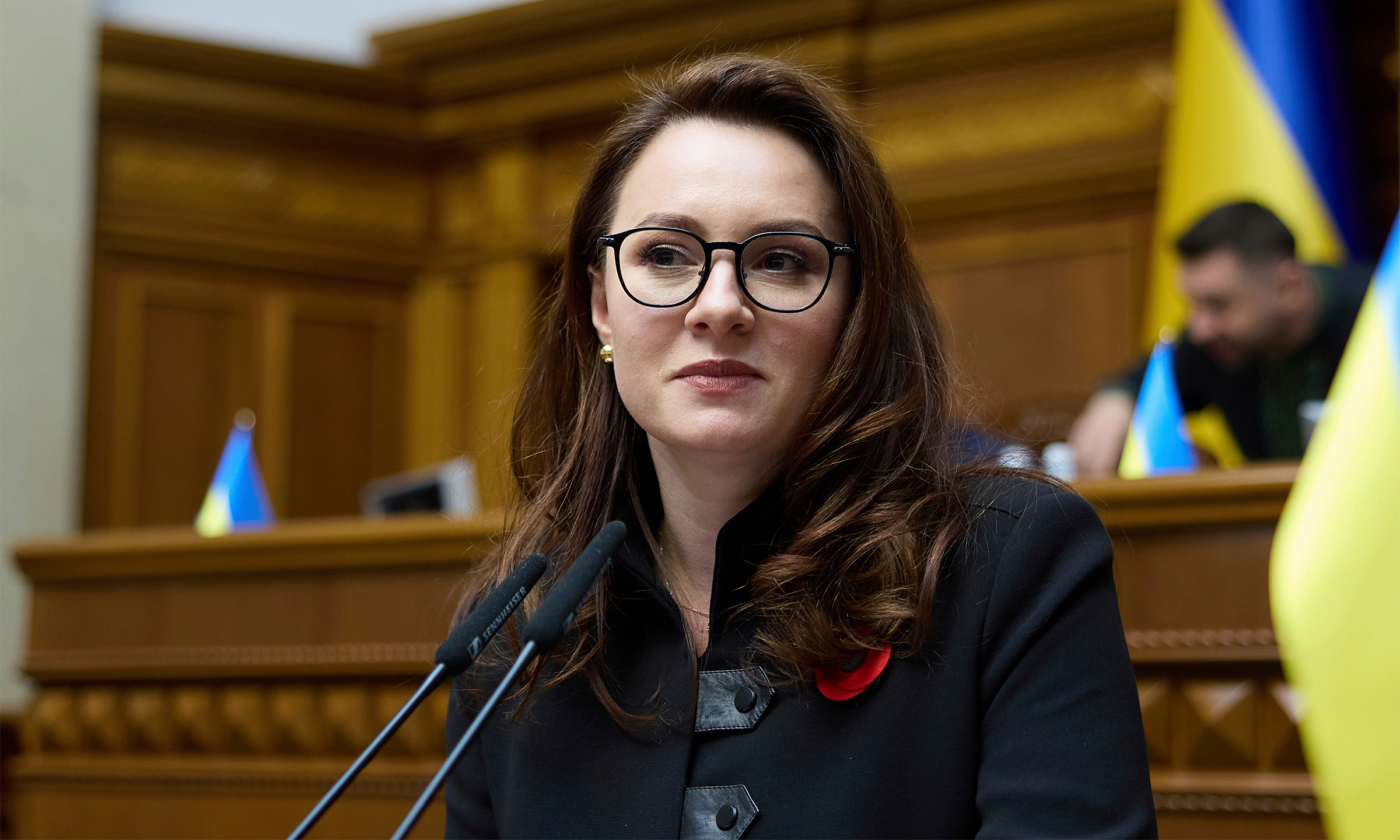
Former Spanish prime minister Mariano Rajoy regularly comments in El Debate after each Spanish national team match at the World Cup. On 11/7, he reviewed Spain's 2-1 victory over Belgium in the World Cup quarter-finals and offered his thoughts on the upcoming semi-final clash between Spain and France on 14/7.
The conservative former prime minister, who led Spain's government from 2011 to 2018, made a controversial comment. After acknowledging France's two World Cup titles and their undefeated record this year, Rajoy stated that France has a "top squad but no French people". This remark implied that many players in the French squad are of immigrant descent or hail from France's former colonies.
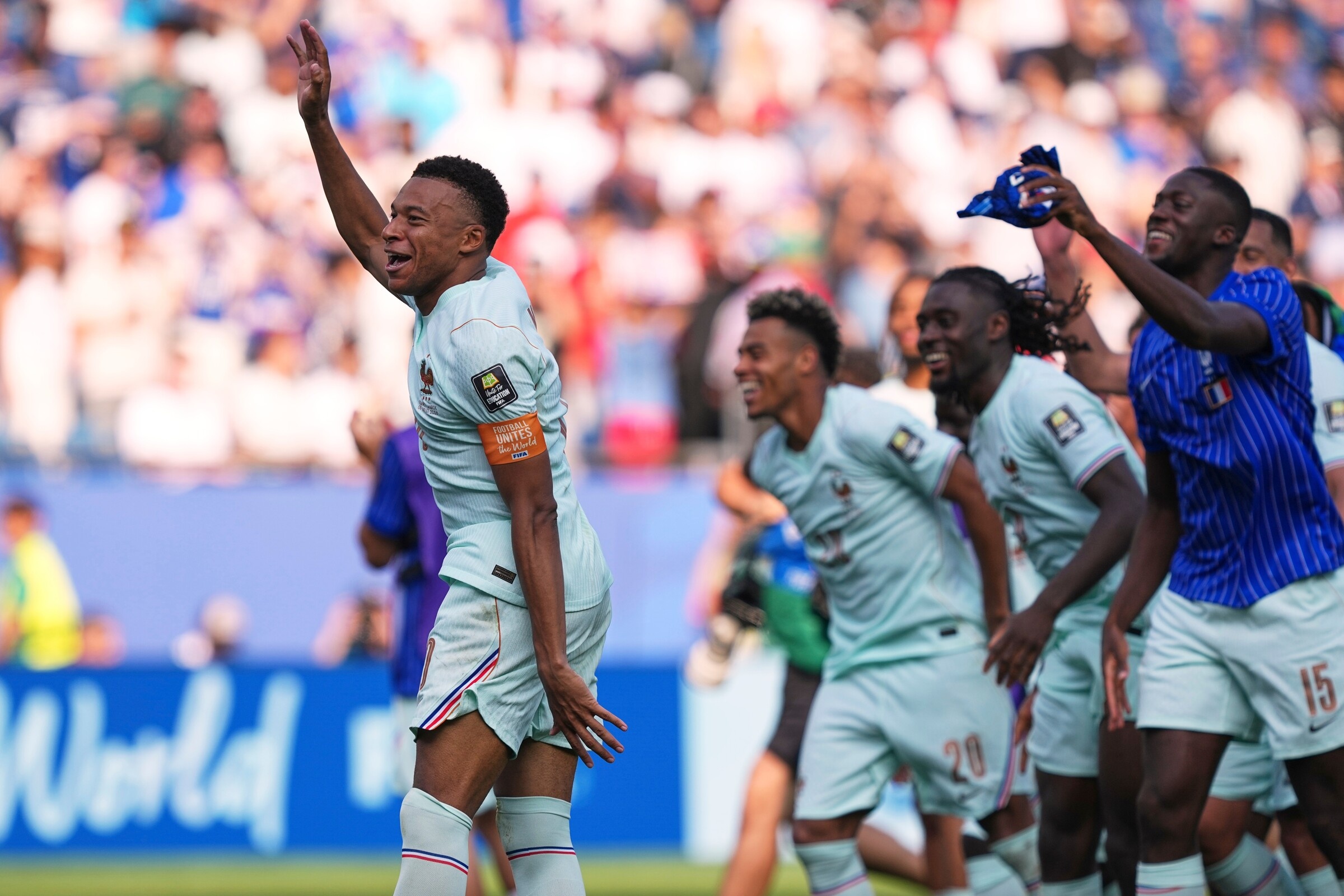 |
Mbappe (left) celebrates with teammates after France's 2-0 victory over Morocco in the World Cup 2026 quarter-finals at Boston, US, on 9/7. *Photo: AP* |
In fact, among the 26 players called up by coach Deschamps for this tournament, only three were born outside French territory: Michael Olise, born in London, with a British-Nigerian father and French-Algerian mother; Marcus Thuram, born in Parma, Italy, because his father, French football legend Lilian Thuram, was playing there at the time; and Brice Samba, born in the Democratic Republic of Congo.
Jose Cepeda, a Member of the European Parliament from Spain's ruling PSOE (Spanish Socialist Workers' Party), criticized Rajoy's comments as "racist and xenophobic". He emphasized that it was "shameful" for a former leader to make such statements.
In France, Rajoy's remarks ignited a wave of fierce reactions on social media, drawing in politicians.
"These repeated racist remarks are intolerable. It is time for them to stop so that sport can return to its true meaning: a space where we are judged by talent and not by any other criteria," wrote Aurore Berge, France's Minister for Gender Equality and Anti-Discrimination, on X.
Fabien Roussel, Secretary of the French Communist Party, called for Rajoy to be "condemned" in an X post. He compared these remarks to recent comments by a Paraguayan politician targeting star forward Kylian Mbappe. Those comments led the Paris Public Prosecutor's Office to open an investigation into "public insult with aggravating circumstances" after receiving a complaint from Paris's National Centre Against Online Hate.
"They simply cannot restrain themselves from uttering vile racist remarks to provoke our magnificent French team," he wrote.
The Elysee Palace has not yet responded to requests for comment.
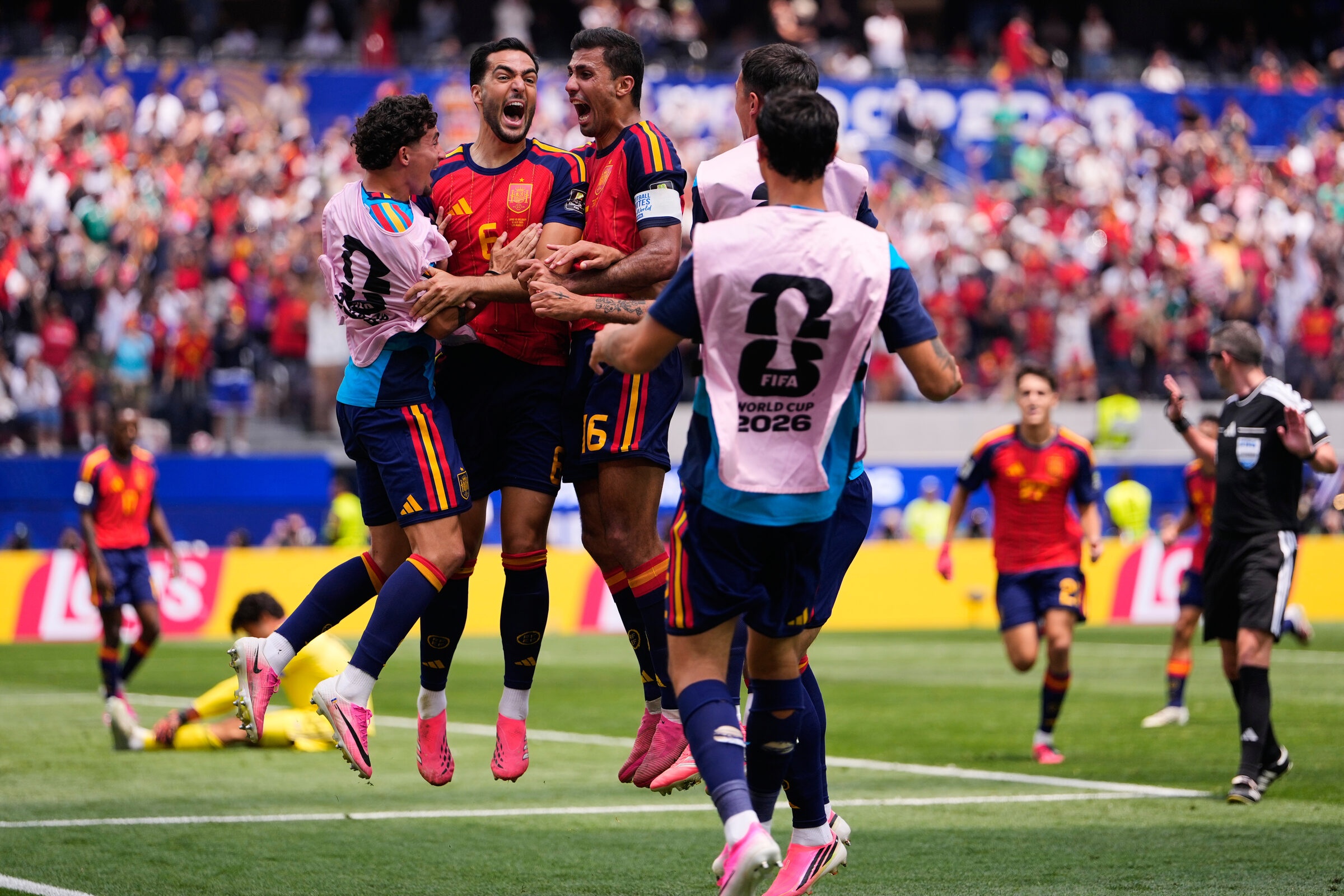 |
Spanish midfielder Mikel Merino (second from left) and teammates celebrate a goal in the 88th minute during Spain's match against Belgium in the World Cup 2026 quarter-finals, at Los Angeles, US, on 10/7. *Photo: AP* |
Rajoy's comments are part of a long-standing debate concerning immigration in French football. This discussion dates back to France's first World Cup victory in 1998, when Zinedine Zidane, Lilian Thuram, Marcel Desailly, and Patrick Vieira collectively led the team to glory.
That year's squad featured many players of immigrant origin or with relatives from former colonies, and it was celebrated as a proud symbol of France's multiculturalism.
However, not everyone viewed it in such a positive light.
Jean-Marie Le Pen's National Front party at the time argued that this squad did not represent the "true France", calling the inclusion of foreign-born players in the national team a "forced imposition".
These arguments, widely condemned as racist at the time, have consistently resurfaced in French politics and are often linked to broader debates about immigration and national identity.
This latest controversy emerges as Spanish prime minister Pedro Sanchez is set to visit Paris on 14/7 for French National Day, coinciding with the France-Spain World Cup semi-final taking place in Texas, US.
By Hong Hanh (Sources: Euronews, El Debate)