UK Prime Minister Keir Starmer is facing significant pressure to resign after the ruling Labour Party suffered a heavy defeat in local elections last week, sparking a "rebellion" among more than 80 Members of Parliament (MPs) who have publicly called for his departure or a clear roadmap for leaving office. Amidst this turmoil, Starmer stated during a cabinet meeting on 12/5, "As I have said, I am responsible for the election results, but I also bear the responsibility of implementing the changes we promised. The past 48 hours have caused instability for the government, leading to an economic cost for the country and households."
Miatta Fahnbulleh, minister for devolution, faith and communities, became the first government member to resign on 12/5, urging Starmer to step down. "I call on the prime minister to do the right thing for the country, the Labour Party, and provide a roadmap for an orderly transfer of power," she stated.
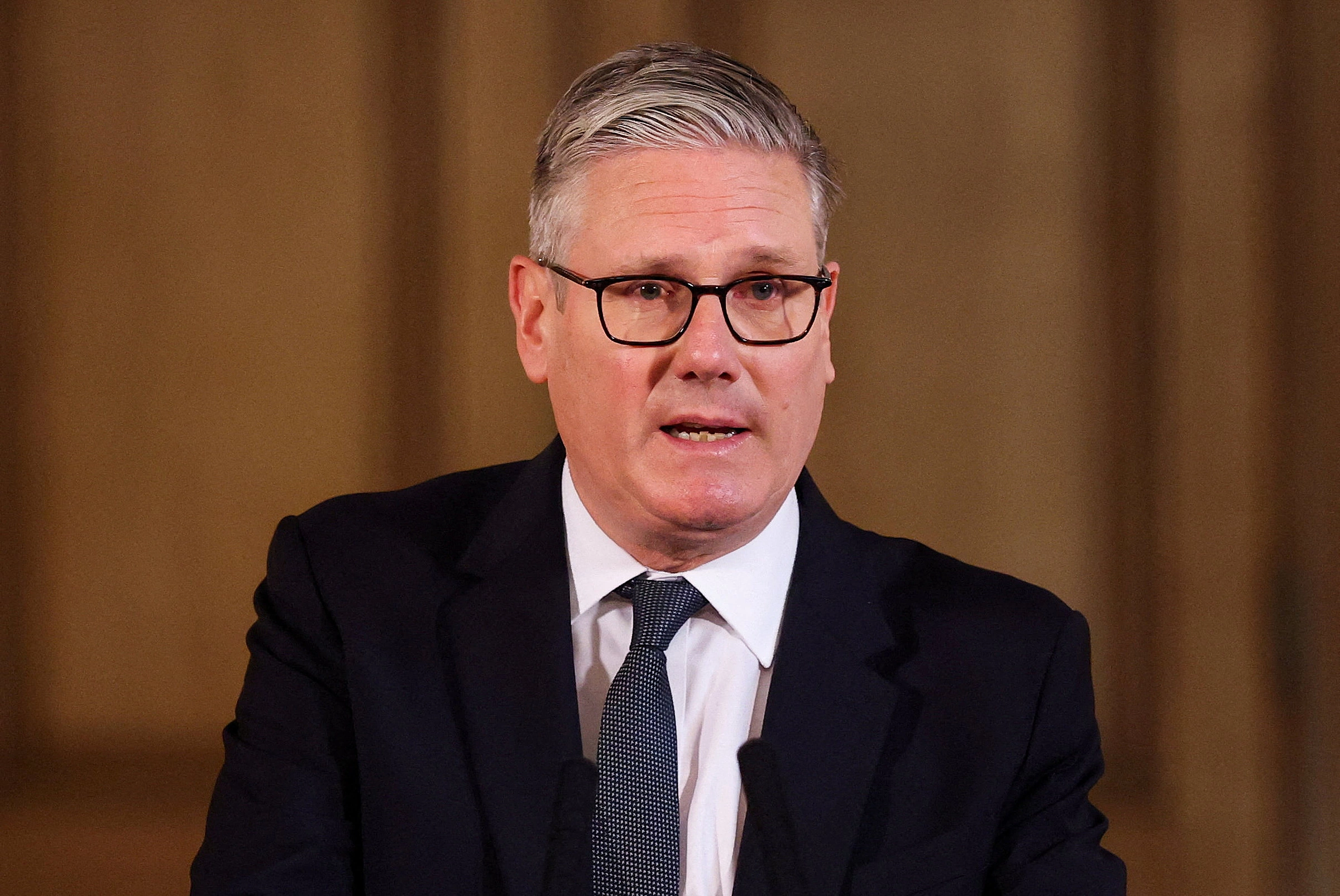 |
UK Prime Minister Keir Starmer attends a meeting on Downing Street, London on 5/5. *Photo: AFP* |
However, Starmer has shown no intention of resigning. He even challenged party members to initiate a leadership challenge if they garner enough support. "The Labour Party has a process to challenge leadership, and that process has not been activated," Starmer affirmed. "People expect us to continue running the country. That is what I and the entire cabinet must do."
Starmer's response disappointed many MPs. Labour MP Paulette Hamilton told the BBC, "I feel he has made a mistake. He is not listening, which is why people are no longer listening to us."
Starmer, 63 years old, assumed office as prime minister in 7/2024, securing a decisive victory over Rishi Sunak and ending 14 years of Conservative Party rule. His administration has struggled to stimulate economic growth, failing to alleviate cost of living pressures for British citizens. Additionally, Starmer recently faced a scandal concerning the appointment of Peter Mandelson, who has connections to convicted pedophile Jeffrey Epstein, as ambassador to the United States.
These factors contributed to the Labour Party's significant losses in last week's elections, including over 1,400 seats on local councils across England. The party also lost control of the Welsh Parliament, a region where Labour had been the dominant political force for decades. Both the right-wing Reform UK and the left-wing populist Green Party made gains in these elections.