


Ukrainians are enduring prolonged cuts to heating, electricity, and water during the coldest winter since the russia-ukraine conflict began in february 2022, following a series of relentless russian attacks on ukraine's power grid.
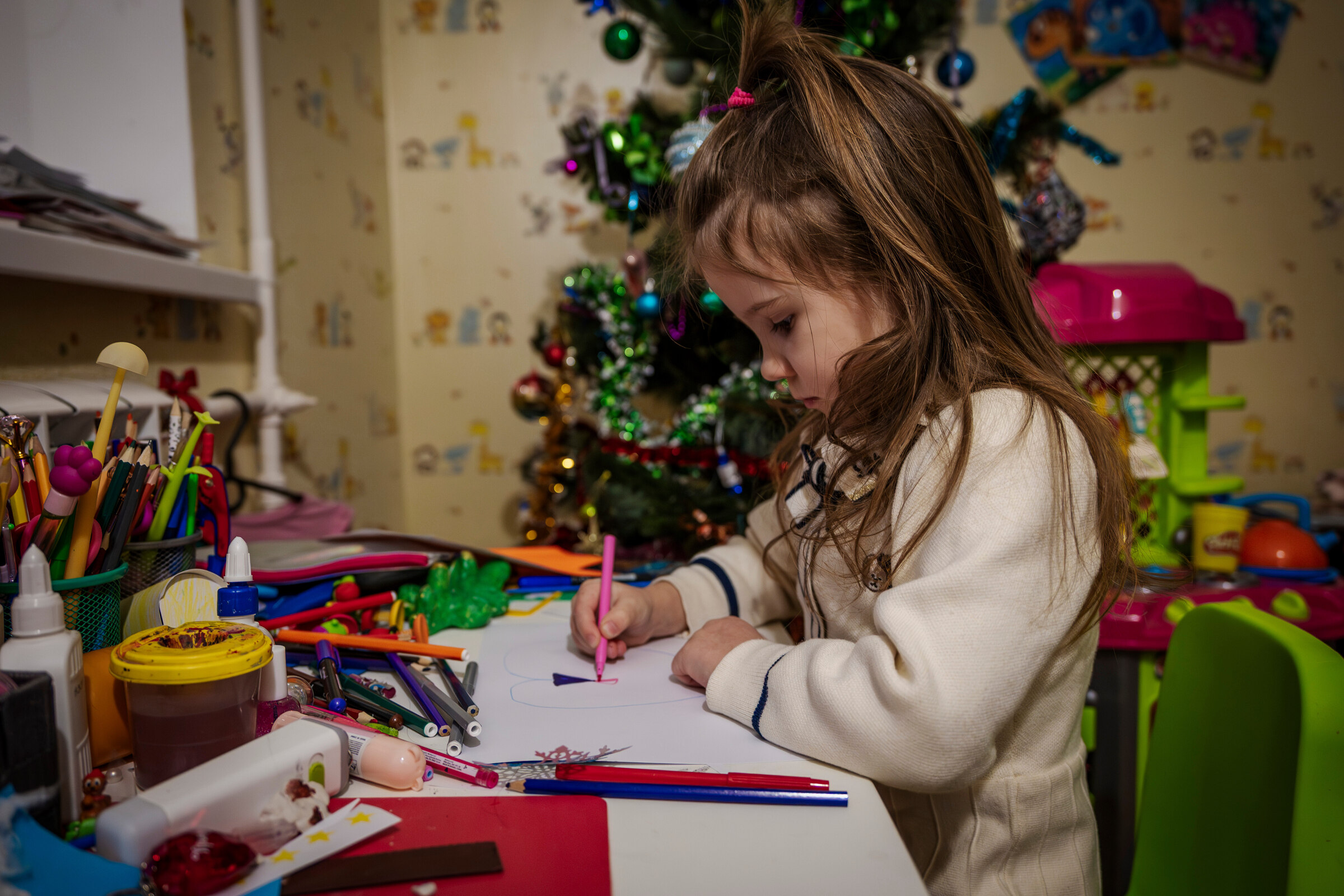 |
Maria draws by the light of a rechargeable flash lamp after a power outage in kyiv on 13/1. Photo: AP
Kyiv Mayor Vitali Klitschko reported that a bombardment on 9/1 left nearly 6,000 homes without heating. Repair crews worked around the clock to restore power to these households last week. However, less than two weeks later, another attack caused the grid to collapse again.
Heating systems ceased functioning because pumps and control panels lacked electricity. Modern skyscrapers transformed into cold concrete boxes, with the frigid air from the dnipro river chilling riverside buildings to the bone.
Amidst the biting cold of -18°C and widespread snow outdoors, power outages left homes so cold that windows froze internally, and residents could see their breath indoors. Many kyiv residents reported wearing thick coats inside, using camping stoves for cooking, and layering multiple blankets to sleep.
Yulia Babiak, a psychologist, stated that prolonged power outages in the cold winter exhausted everyone.
In january, the sun in kyiv set at 5:30 p.m. The Ukrainian capital plunged into darkness until sunrise at 7:30 a.m. the following day. Every family possessed several types of battery-powered lights and USB lamps. In cafes and restaurants, people dined by candlelight, accompanied by the rumble of generators.
Shelves that once displayed portable gas stoves, heaters, and chemical heat patches in stores are now empty. For many city residents, these camping items have become the only way to stay warm, cook, or boil water.
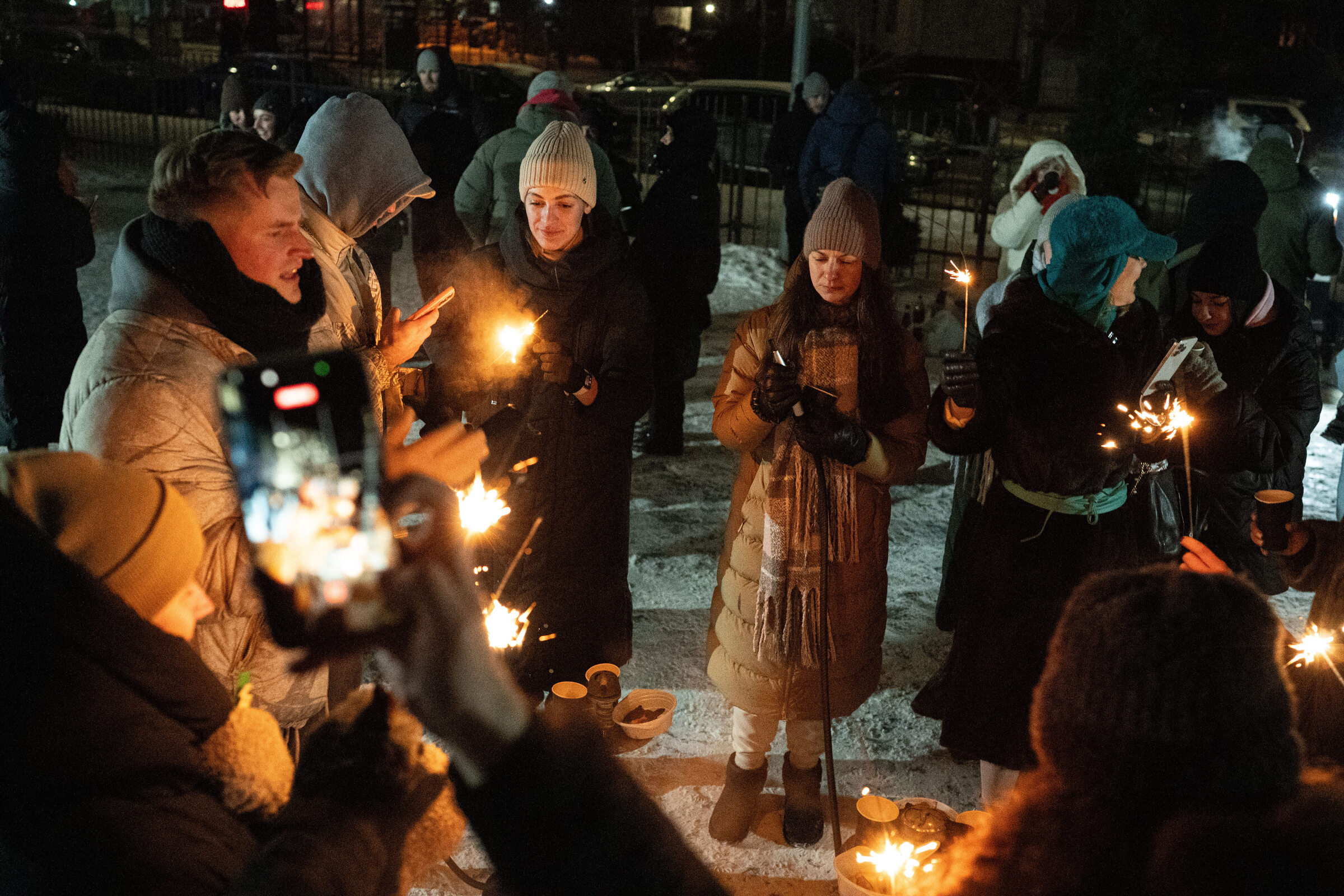 |
Kyiv residents gather around an outdoor stove for warmth due to indoor power outages outside an apartment complex on 18/1. Photo: AP
For those unable to purchase heaters and portable gas stoves in time, firebricks have become a popular item. Online, people share instructions on how to raise room temperatures by several degrees using simple homemade heating devices. Those with gas in their homes place bricks on the stove, allowing them to heat up and radiate warmth into the room.
Residents of high-rise buildings without gas place bricks on a barbecue grill, lighting candles underneath to heat them. This method is effective but unsafe. On social media, people remind each other to use smoke and carbon monoxide detectors.
Another safe and popular method for staying warm is using camping tents. They set up tents in their bedrooms, placing hot water bottles next to their sleeping areas, which can provide warmth for four to five hours.
Businesses with generators announce on social media that they provide shelter and assistance to those without electricity. In addition to mobile heating points established by the State Emergency Service and charities, local residents are creating their own shelters.
At cafes and gas stations, utility and energy workers repairing the power grid are invited for hot coffee and snacks. Exhausted by the darkness, cold, and inability to cook hot meals, residents of one kyiv neighborhood organized an outdoor barbecue with music, mulled wine, and dancing.
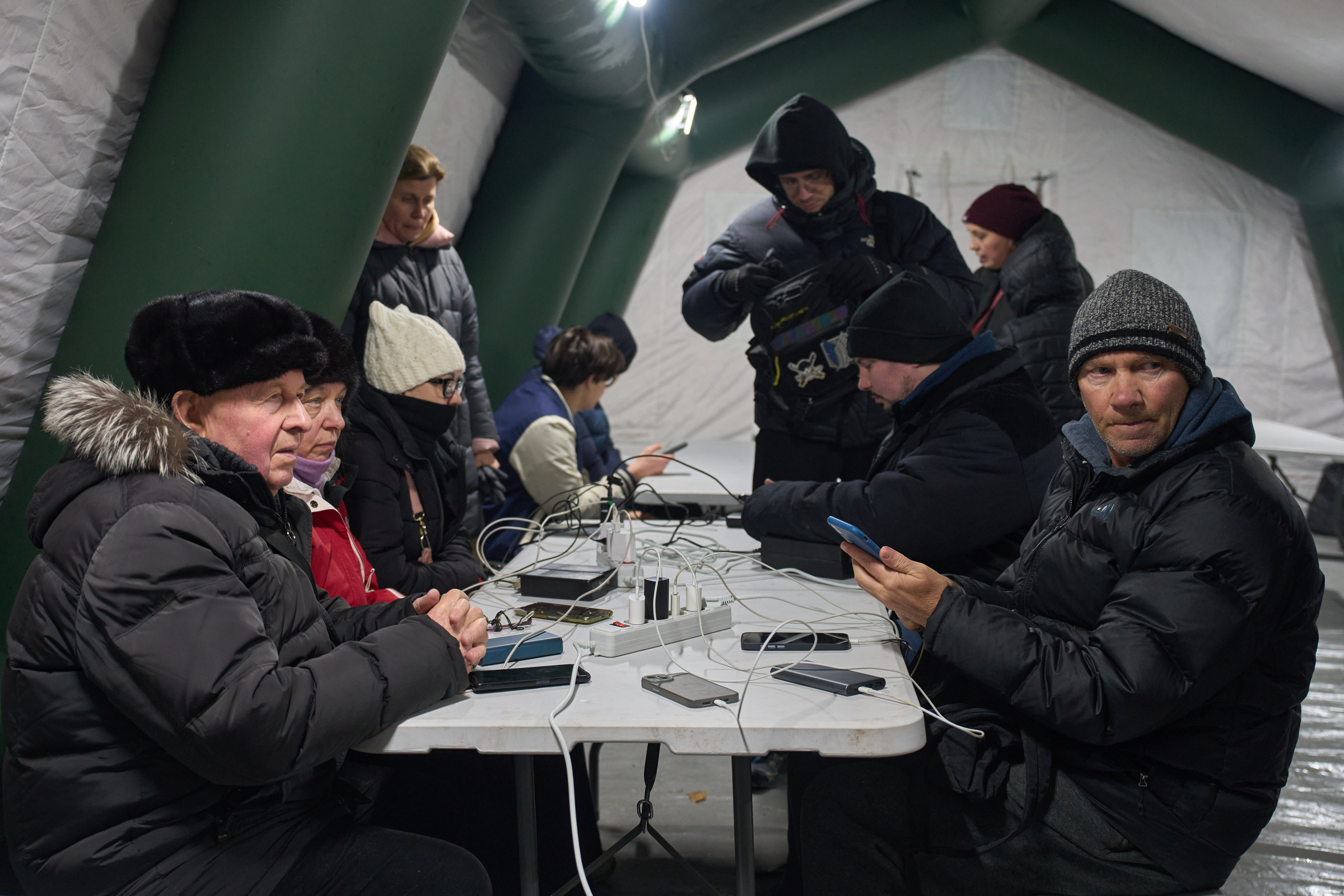 |
Kyiv residents warm themselves and charge phones in an emergency shelter tent set up outside an apartment complex in kyiv on 21/1. Photo: AP
Taisiia Nechytailo, a beauty salon owner, offered free hair washes to local residents if they lacked hot water at home or allowed them to work on laptops at her salon, which has an independent power source and uninterrupted internet access.
"Russia's tactic is to attack the energy sector, to leave us without electricity and heat, but it is not effective. We are only more enraged because we know what we are fighting for," Nechytailo said.


