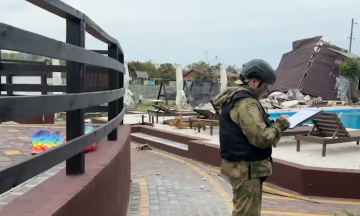
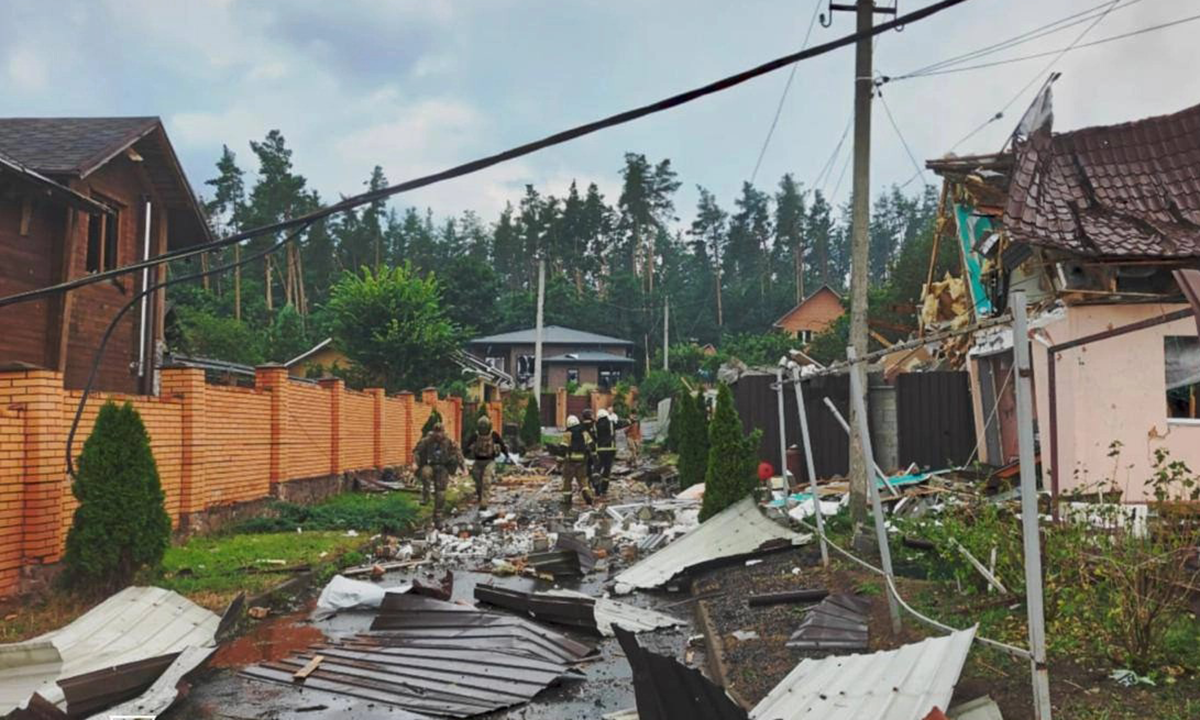
NBC News reported on 25/7 that senior US officials stated air defense units in the Middle East are "intentionally allowing" some Iranian missiles and unmanned aerial vehicles (UAVs) to pass, no longer attempting to intercept every target as before.
Patriot and THAAD systems, along with Aegis-equipped warships, now prioritize intercepting targets that pose a direct threat to US personnel. Commanders may permit Iranian weapons to strike non-critical infrastructure, such as runways, radar installations, or fuel depots, if no military personnel are present.
"This is a temporary measure designed to conserve expensive interceptor missiles, which require years to produce and replace," according to anonymous officials.
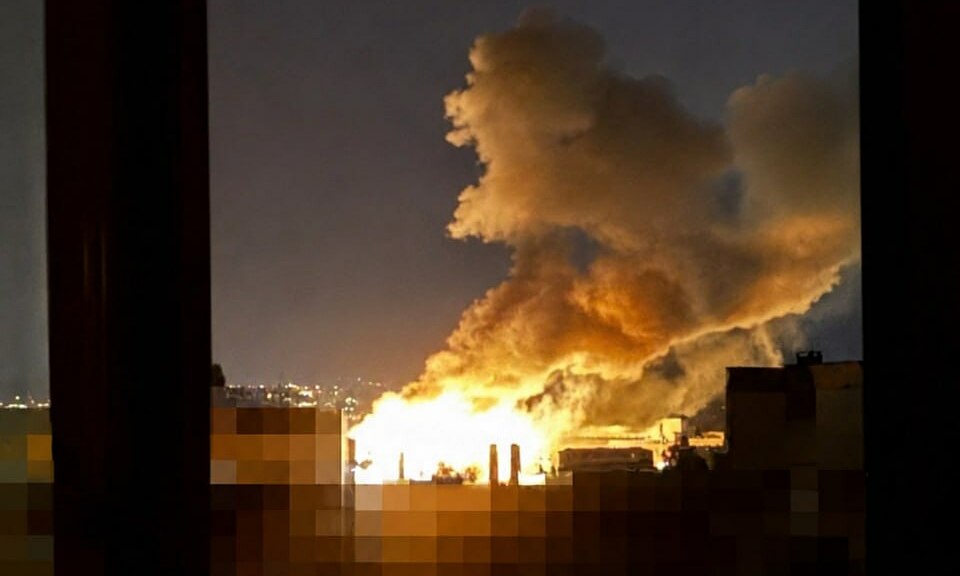
An Iranian ballistic missile strikes a target in Jordan, as seen in a video released on 18/7. *Video: X/AMK Mapping*
The New York Times, also on 25/7, cited unnamed US officials who revealed President Donald Trump had suspended plans for an "unprecedented large-scale attack on Iran." This decision, at least for the current period, stemmed from concerns that escalating conflict would entirely deplete existing stockpiles of Patriot missiles and other air defense munitions across the Middle East.
“The fear of depleting air defense munitions is a primary factor making a large-scale offensive operation extremely risky,” an official stated.
Chairman of the Joint Chiefs of Staff Dan Caine reportedly issued a private warning to Mr. Trump: while the US military possessed the capability to resume a large-scale operation against Iran, such action would "dangerously erode" the Central Command's (CENTCOM) interceptor missile stockpiles.
US military officials indicate that the shortage of air defense munitions in the Middle East is worsening. Patriot batteries have launched over 1,200 missiles during the conflict, with each costing between 4 million and 5,3 million USD.
A report on the Middle East conflict, released in April by the Center for Strategic and International Studies (CSIS), estimated significant expenditures: the US Army had fired nearly 50% of its Patriot missile inventory and over 50% of its THAAD munitions. Warships similarly depleted 30% of their long-range SM-3 air defense missiles and at least 10% of their SM-6 munitions.
CSIS projects that the US will require one to four years to restore missile stockpiles to pre-conflict levels. This projection excludes missiles launched by the US and its allies since hostilities resumed in late June.
Furthermore, President Trump and his senior advisors expressed concern about the potential for conflict to spread across the Middle East. Such an escalation could alienate key Gulf allies, impact the global economy, and exacerbate the energy crisis.
Some officials suggested that escalating attacks could be counterproductive, failing to compel Tehran to negotiate and instead fostering greater unity and resolve within Iran's leadership.
General Caine's spokesperson declined to comment. CENTCOM, the command responsible for US military operations in the Middle East, has also not yet addressed the information.
White House Communications Director Steven Cheung affirmed that President Trump consistently prioritizes diplomatic solutions. However, he "reserves all options" should Iran persist in attacking commercial shipping lanes in the Strait of Hormuz or US allies in the region.
“Having faced sanctions and multiple airstrikes, Iran should pursue a negotiated agreement; otherwise, they are aware of the consequences,” Mr. Cheung stated.
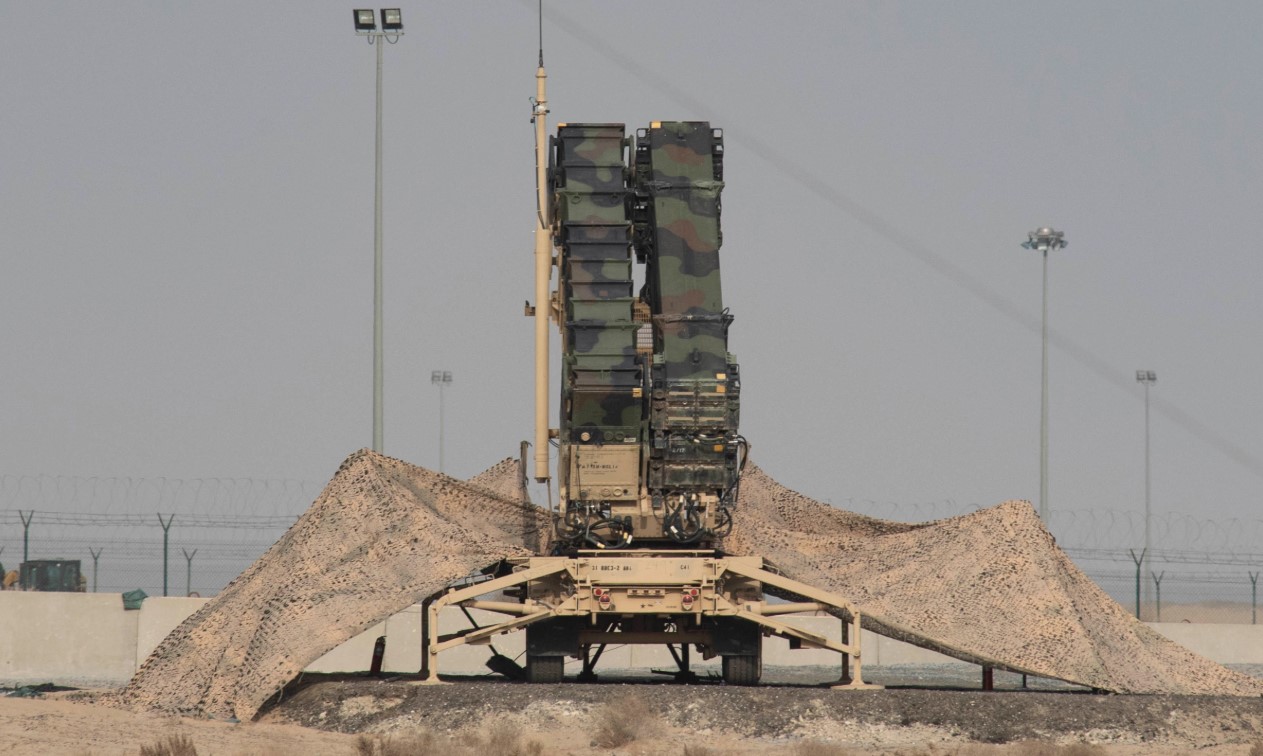 |
A Patriot system launcher at Ali Al Salem Air Base in Kuwait in 2020. *Photo: USAF*
Iran's attacks have notably weakened the air defense architecture built over decades by the US and its Gulf partners. This has created vulnerabilities, allowing ballistic missiles and UAVs to penetrate defenses.
Damage to the THAAD network has shifted the ballistic missile defense burden to the less capable Patriot systems. Aegis-equipped destroyers can detect and intercept ballistic missiles, but their deployment is restricted in the Persian Gulf, which has been Iran's primary attack route recently.
Satellite images released by Iran over the past two weeks reveal that numerous US military infrastructure sites in the Middle East have been hit. These include Patriot missile emplacements, aircraft hangars, ammunition depots, and barracks. On 17/7, two Iranian ballistic missiles bypassed Patriot air defenses and struck Muwaffaq Salti military airfield in Jordan, resulting in the deaths of three US soldiers.
By Thanh Danh (Source: NBC, New York Times, Axios)