President Donald Trump on 16/8 surprised many when he announced that the US would significantly cut joint military exercises with South Korea. He cited positive relations with North Korean leader Kim Jong-un and expressed dissatisfaction that Seoul was not supporting Washington in its conflict with Tehran.
Following President Trump's announcement, US and South Korean forces still conducted the Ulchi Freedom Shield exercise, but its duration was shortened from 11 days to 5 days, with some field activities reduced. This annual exercise aims to train the defense capabilities of the US-South Korea joint forces against North Korea.
These developments raise concerns about the stability of Washington's security commitments to its East Asian allies, including South Korea and Japan.
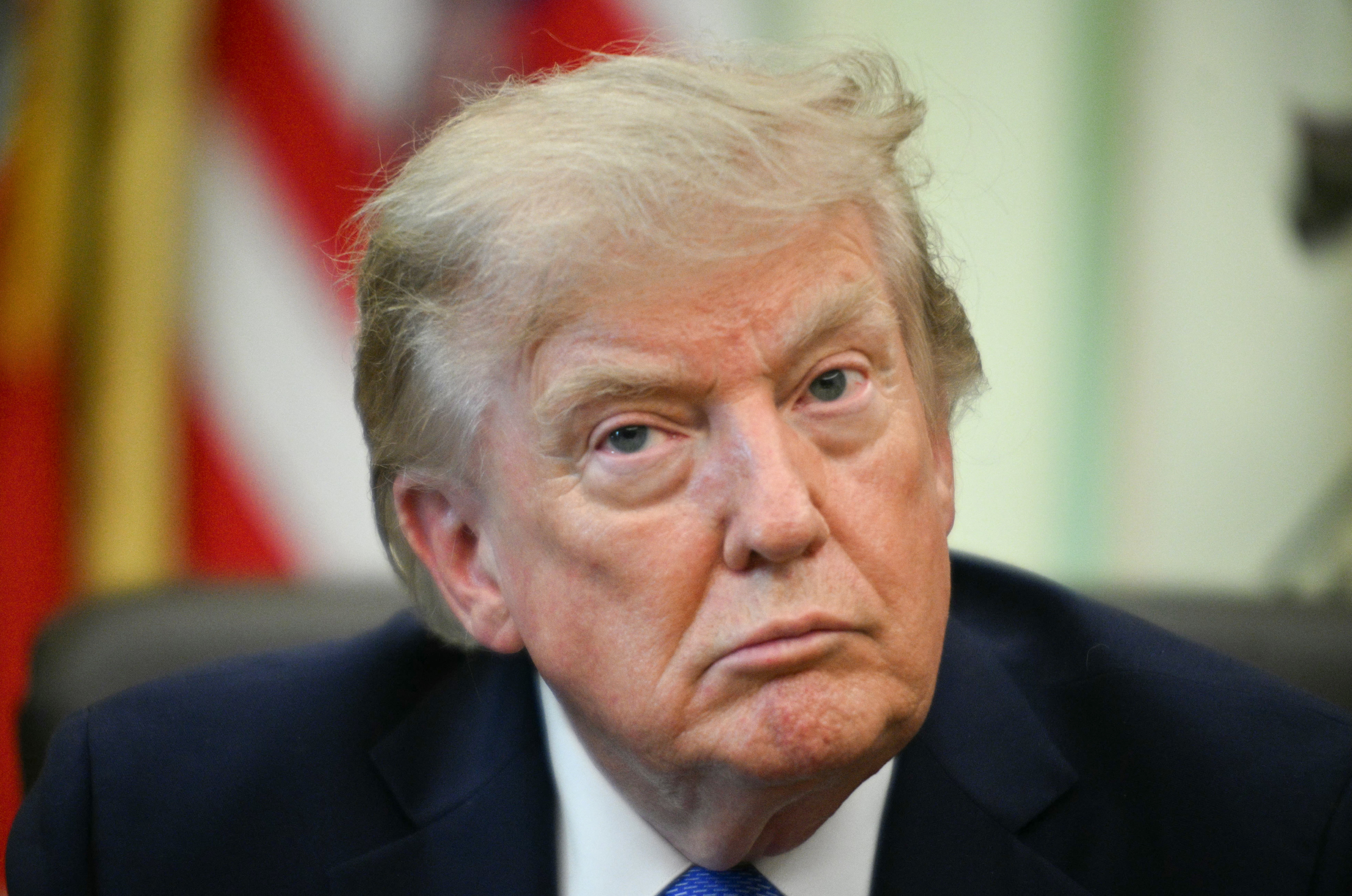 |
US President Donald Trump at the White House on 6/8. Photo: AFP |
The decision to reduce exercises with South Korea coincided with the US deploying the aircraft carrier USS George Washington, its last warship present in the Indo-Pacific, to the Middle East. This deployment aims to increase pressure on Iran. Previously, the US had also transferred some THAAD air defense missile systems from South Korea to the Middle East.
"Washington's move not only concerns Seoul but also affects allies across the Indo-Pacific, making them doubt the stability of their relationship with the US," Ian Brzezinski, former deputy assistant secretary of defense for European and NATO policy, told Politico.
Zack Cooper, an Asia security expert at the American Enterprise Institute, noted that these actions—transferring forces and equipment out of Asia and reducing exercises with South Korea—contradict the "persistent strengthening of deterrence capabilities" commitment the Trump administration made to the region.
Defense Secretary Pete Hegseth has repeatedly affirmed that the US considers Indo-Pacific security a priority. Undersecretary of Defense for Policy Elbridge Colby even stated earlier in 8 that the US "is certainly not withdrawing from Asia," but is strengthening its security commitments in the region.
However, Washington has recently done little to demonstrate this, Cooper said, adding that he has heard concerns from Asian officials about the impact of reduced exercise scales.
According to David Silbey, a professor of military history and defense policy at Cornell University in the US, the reduced level of participation in exercises with South Korea likely reflects an "inevitable reduction trend" in President Trump's security calculations.
"Washington's offer to negotiate with North Korean leader Kim Jong-un also shows that US allies continue to be undervalued," Silbey told DW.
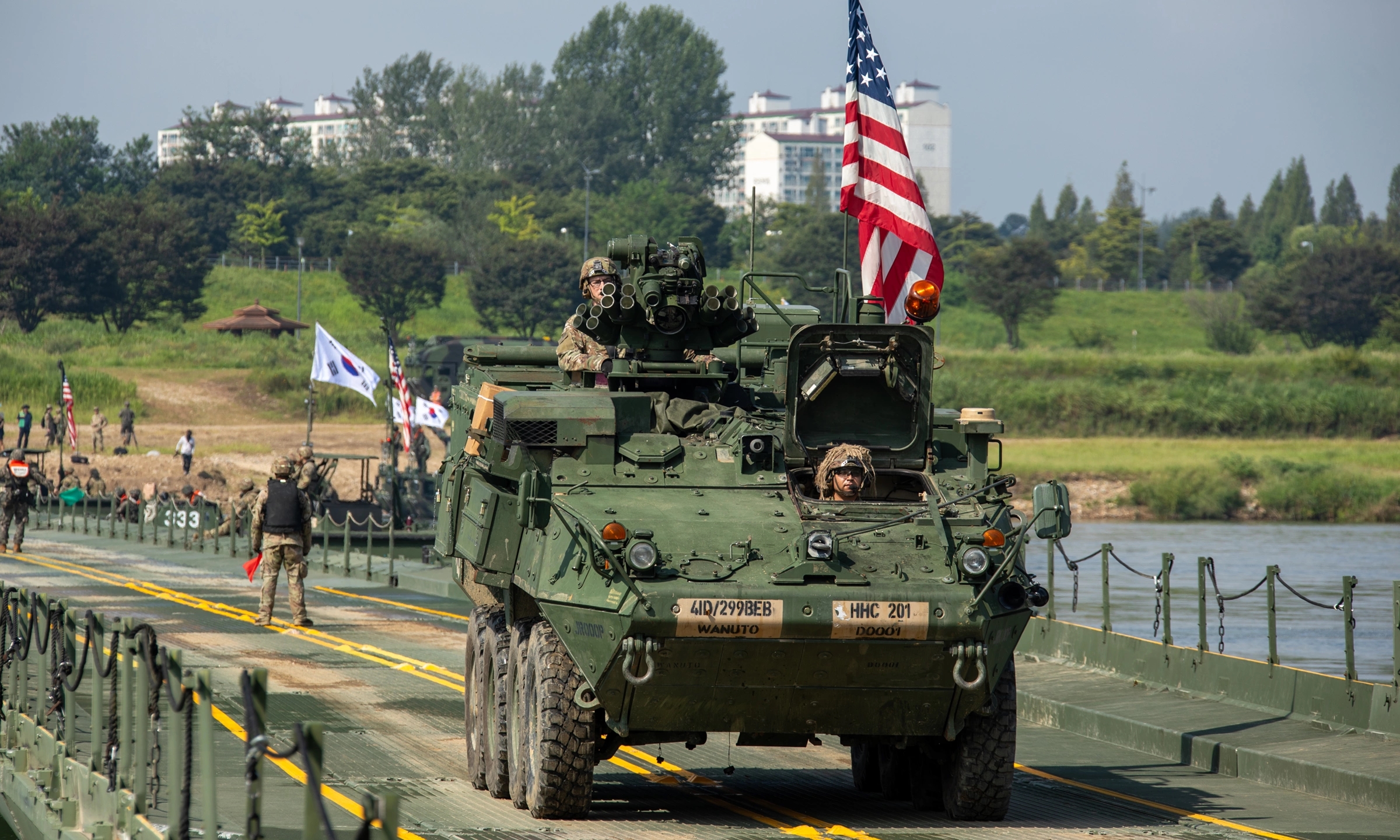 |
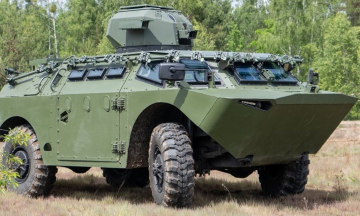
US armored vehicles during the Ulchi Freedom Shield exercise in 8/2025. Photo: US Army |
Despite these concerns, Asian allies are not abandoning the US. South Korea and Japan continue to increase defense spending, expand military capabilities, and maintain cooperation with the US. However, they may begin preparing for a scenario where they take on more responsibility for national security themselves.
"Countries will focus more on self-reliance," an Asian diplomat stated.
According to this official, while completely replacing US technology and weapons is impractical, nations with the resources will increase investment in self-defense capabilities to reduce long-term dependence on the US.
Both South Korea and Japan have already moved in this direction. Seoul allocates about 47,8 billion USD for defense, equivalent to 2,6% of GDP, while Tokyo spends about 62,2 billion USD, equivalent to 1,4% of GDP. Both countries are also strengthening missile and air defense capabilities and operational coordination, as North Korea continues to develop ballistic missiles and China expands its military power.
Beyond US partnerships, a trend of expanding defense relations is also emerging. Japan and the Philippines are increasing military cooperation, while Australia, South Korea, Japan, and several European countries are expanding cooperation in training, development, and defense production.
According to Richard Fontaine, CEO of the Center for a New American Security, the Trump administration's policy in Asia exhibits "contradictions and inconsistencies," making it difficult for allies to determine Washington's true intentions.
"While Trump's statements may not represent a long-term strategy, a US President's words carry significant weight, as diplomacy is fundamentally built upon them," Fontaine said.
Nhu Tam (Based on Politico, AFP, SMH)