Qatar and Pakistan, the two mediating nations, issued a joint declaration early on 22/6, announcing that the High-Level Committee agreed on a roadmap for a final agreement within 60 days. This agreement lays the groundwork for immediate technical negotiations after overnight discussions.
The joint statement indicated that the parties established a communication line to avoid incidents and misunderstandings, aiming to ensure safe passage for commercial vessels through the Strait of Hormuz.
In a social media post, Iranian Foreign Minister Abbas Araqchi stated his country secured waivers for oil and petrochemical exports, the release of some frozen assets, and the initiation of a reconstruction and development plan for Iran.
Technical negotiations will continue this week in Burgenstock, a mountain resort in Switzerland owned by Qatar.
 |
US Vice President JD Vance at the talks in Switzerland on 21/6. *Photo: Reuters* |
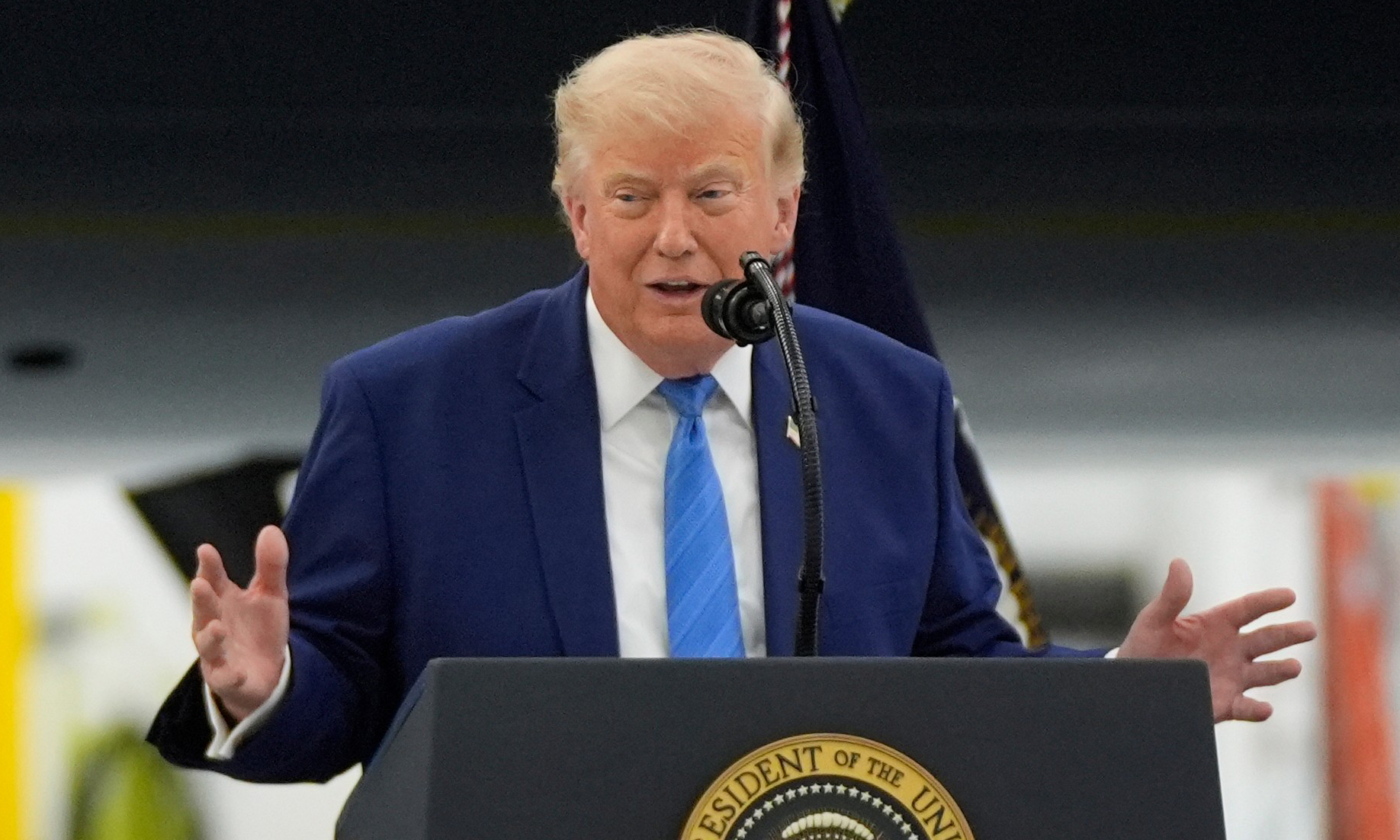
While negotiations were underway, President Trump issued a threat to Iran, warning of renewed bombing campaigns against the country if an agreement was not reached.
"I told Iranian officials that if they close the Strait of Hormuz, they will no longer have a country. They won't even be able to return to their own nation," the US President stated. He also declared that the US could take over the Strait of Hormuz if necessary.
In response to these threats, the Iranian delegation refused to return to the negotiating room, though messages continued to be exchanged through mediators Pakistan and Qatar.
The White House has not yet commented.
By Huyen Le (AFP, CNN)