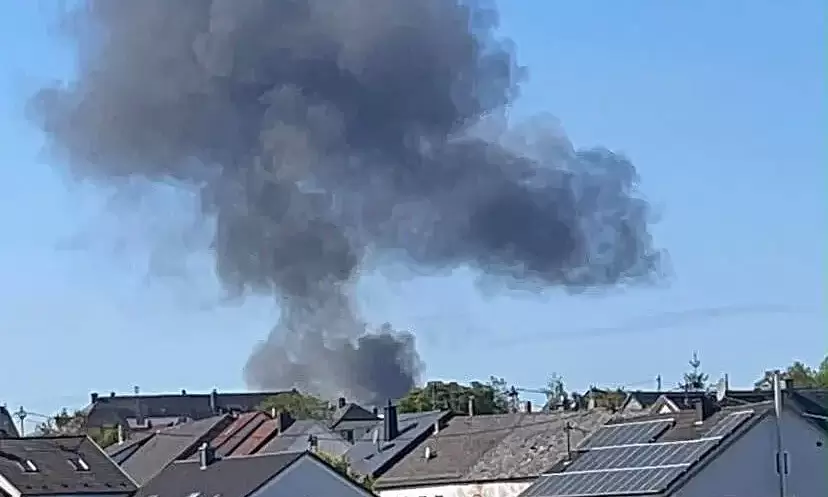
Special Envoy Steve Witkoff announced that intermediaries moved continuously between US and Iranian delegations on 22/9, during the United Nations General Assembly session in New York.
"We held extended discussions with the Iranian delegation through intermediaries, who continuously bridged the two sides throughout the day. They successfully completed a round of discussions that we hope will be constructive and promising. The intermediaries will continue their work," Witkoff wrote on social media platform X.
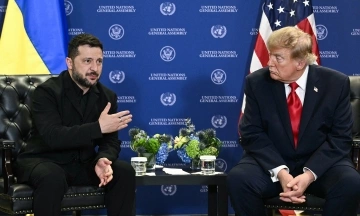
President Donald Trump offered more details, stating that Special Envoy Witkoff and Jared Kushner spoke with Iranian officials for three hours. "It was a good meeting, very productive," Trump told reporters at the UN, expressing confidence in "strong momentum" towards an agreement. The US leader later added that negotiations were ongoing, expressing belief that an agreement would eventually be reached.
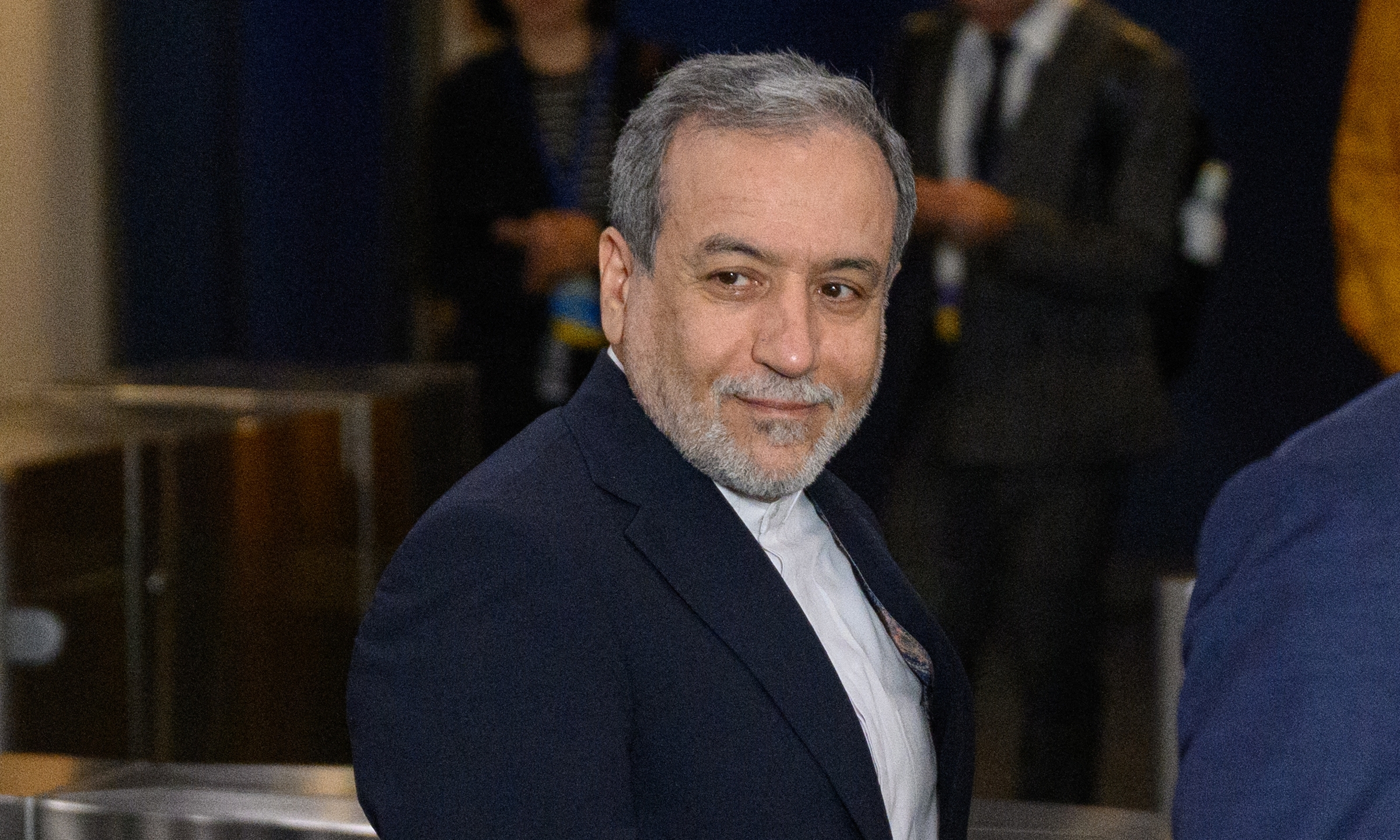 |
Iranian Foreign Minister Abbas Araghchi at the UN headquarters in New York on 22/9. Photo: AFP |
Iranian Foreign Minister Abbas Araghchi at the UN headquarters in New York on 22/9. Photo: AFP
Iranian state media also confirmed the meeting between Foreign Minister Abbas Araghchi and Special Envoy Witkoff, after weeks without direct contact. "The meeting occurred at the US's proposal and insistence, aiming to convey Iran's messages and conditions, especially regarding the reopening of the Strait of Hormuz," an Al Jazeera reporter in Iran stated.
These conditions include: the US lifting its maritime blockade, unfreezing Iranian assets, and ending wars in what Tehran calls "resistance fronts." Iranian officials stated there is room for further diplomatic activity if the US meets Iran's conditions and commitments.
These contacts followed a declaration by a senior Iranian official that the country's delegation in New York had full authority for diplomatic efforts, describing the UN meeting as a "golden opportunity" for Washington to return to the negotiating table.
The official stated that Iran sent its latest proposal to the US via intermediaries on 16/9, and details of a potential agreement to end the confrontation could be discussed in New York. He also mentioned that Tehran could reopen the Strait of Hormuz within seven days if Washington reduced military pressure and lifted the blockade on Iranian ports.
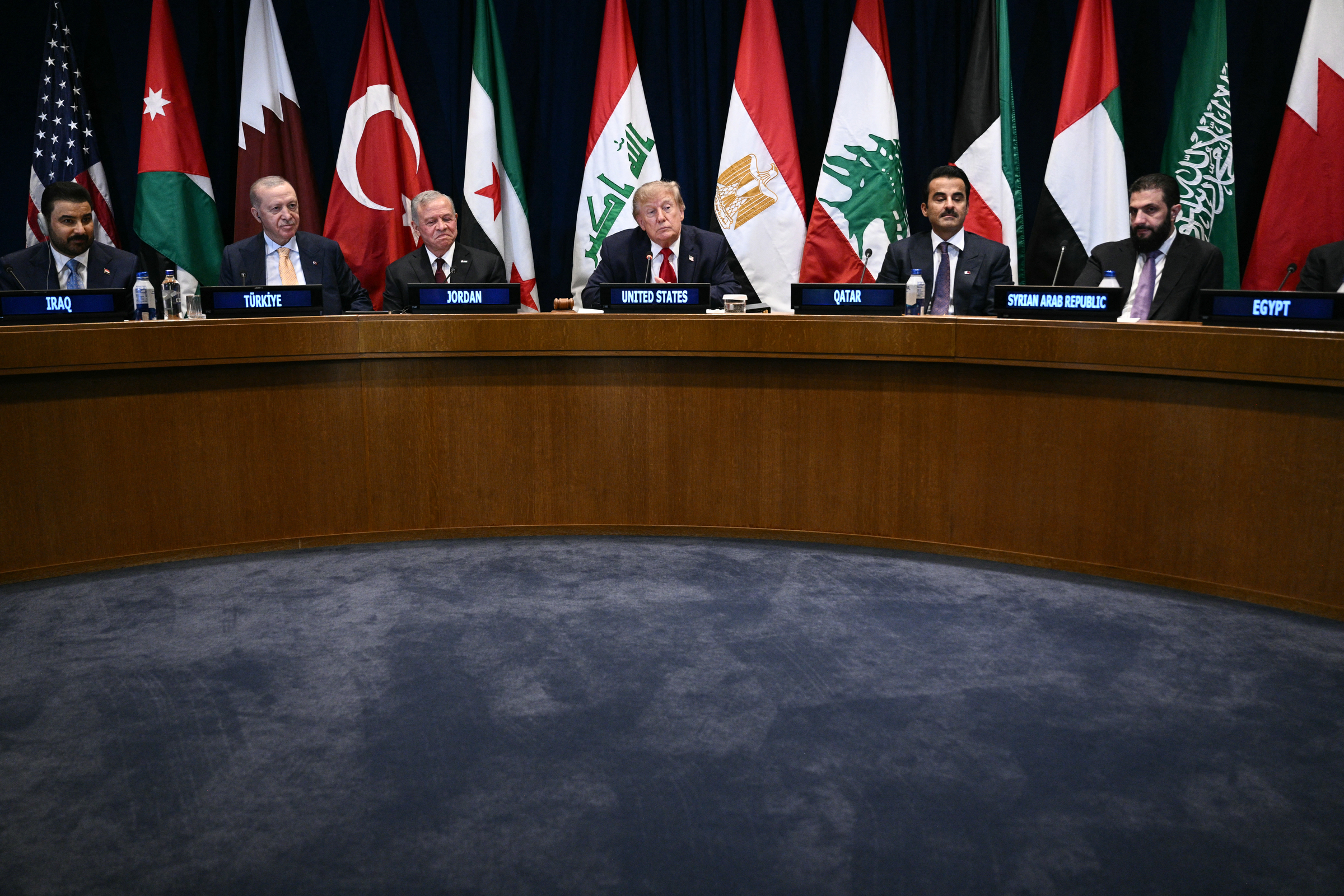 |
President Trump attends a multilateral meeting of the Gulf Cooperation Council (GCC) on the sidelines of the UN General Assembly session in New York on 22/9. Photo: AFP |
President Trump attends a multilateral meeting of the Gulf Cooperation Council (GCC) on the sidelines of the UN General Assembly session in New York on 22/9. Photo: AFP
The conflict between the US and Iran shows no sign of ending after nearly seven months of fighting. Alongside on-the-ground pressure, the US in late August announced expanded sanctions aimed at strangling Iran's economy.
Meanwhile, Iran appears unconcerned about additional sanctions, declaring a two-year plan to cope. The Middle Eastern nation has withstood numerous international sanctions over decades.
Ngoc Anh (According to Al Jazeera, Reuters, AFP)