


The US Department of Health and Human Services and Department of State announced on 22/1 that the country officially withdrew from the World Health Organization (WHO). This move signifies a limited future cooperation with the global health body. A US official confirmed, "We have no plans to participate as an observer, nor do we have plans to rejoin."
This decision stems from an executive order issued by President Donald Trump after he took office. Trump argued that WHO mishandled the Covid-19 pandemic and other global health crises. He stated, "WHO has not implemented necessary urgent reforms, nor has it demonstrated independence from inappropriate political influence from some members."
US officials indicate the country intends to work directly with other nations on disease surveillance and other public health priorities, bypassing international organizations like WHO.
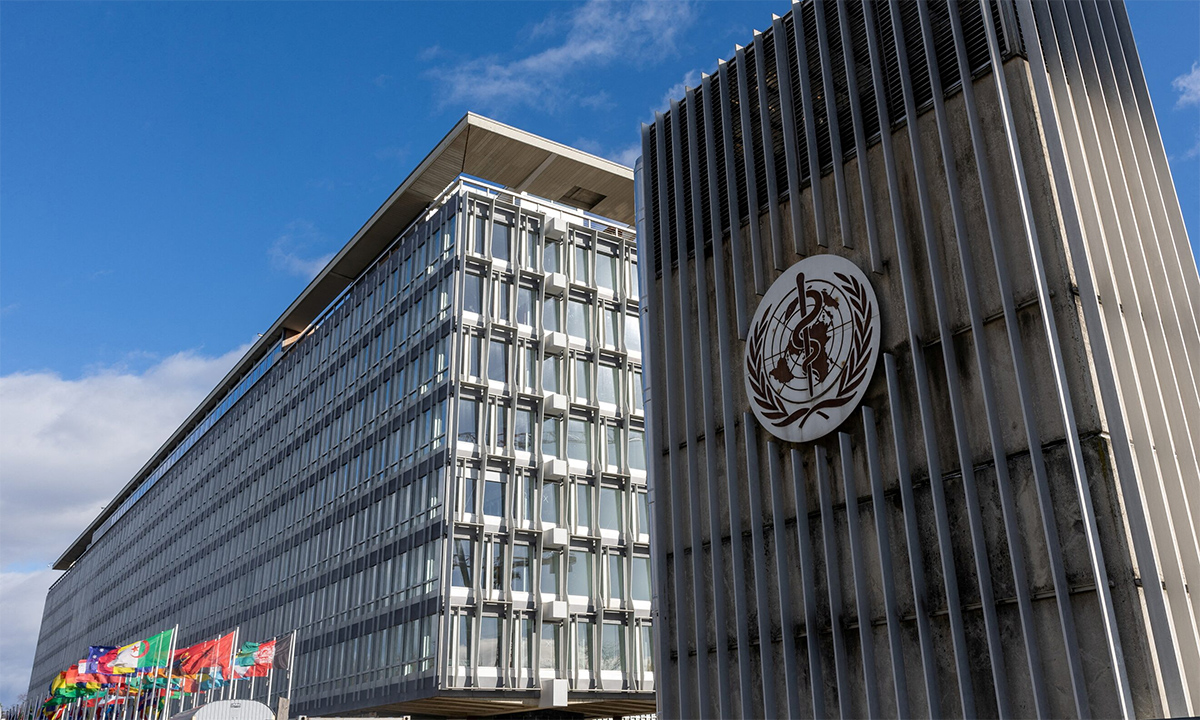 |
WHO headquarters in Geneva, Switzerland, 1/2025. *Photo: Reuters* |
The US withdrawal created a financial crisis for WHO, forcing it to halve its management team, scale back operations, and cut budgets. WHO anticipates a one-fourth staff reduction by mid-year. The extent of future information sharing and cooperation between the agency and the US remains uncertain.
The US provided one year's notice of its withdrawal from WHO, as required by law, and is obligated to settle outstanding financial commitments. WHO reported that the US has not paid any fees for 2024-2025, with total outstanding dues exceeding 133 million USD. However, a US Department of State official countered that no legal provision requires payment before withdrawal, adding, "The American people have paid more than necessary."
According to the US Department of Health and Human Services, the Trump administration ceased financial contributions to WHO. President Trump used his authority to halt future transfers of US government resources, citing that the organization had spent trillions of USD. On average, the US paid 111 million USD in membership fees and voluntarily contributed approximately 570 million USD annually to WHO.
Established in 4/1948, WHO functions as the United Nations' health agency. Its mandate includes coordinating responses to global health threats such as smallpox, Ebola, and polio. The organization also offers technical assistance to developing countries, distributes vaccines, scarce supplies, and treatments, and issues expert treatment guidelines. Most countries worldwide are WHO members.
Experts warn that the US withdrawal could cripple numerous global health initiatives, including polio eradication efforts, maternal and child health programs, and research to identify new virus threats. Dr. Ronald Nahass, president of the Infectious Diseases Society of America, criticized the decision as "shortsighted, misguided, and scientifically reckless." Kelly Henning, head of public health programs at New York-based Bloomberg Philanthropies, cautioned that withdrawing from WHO "could undermine the systems and collaborations the world relies on to detect, prevent, and respond to health threats."
Nguyen Tien (According to AFP, Reuters, AP)


