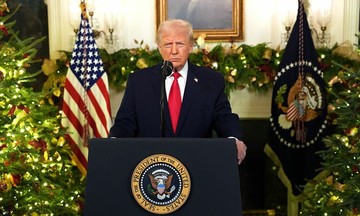
The US Department of State announced on 23/12 its decision to deny a visa to Thierry Breton, former commissioner for technology at the European Commission. Breton had repeatedly confronted leaders of US technology corporations, including Elon Musk, regarding the European Union (EU)'s regulatory policies.
Four other individuals were also subjected to this measure: Imran Ahmed, head of the Center for Countering Digital Hate (CCDH); Anna-Lena von Hodenberg and Josephine Ballon from the German organization HateAid; and Clare Melford, head of the Global Disinformation Index (GDI) in the United Kingdom.
The US Department of State stated that "radical activists and weaponized non-governmental organizations" have driven campaigns targeting American speakers and businesses, "coercing" US social media platforms into censoring dissenting viewpoints.
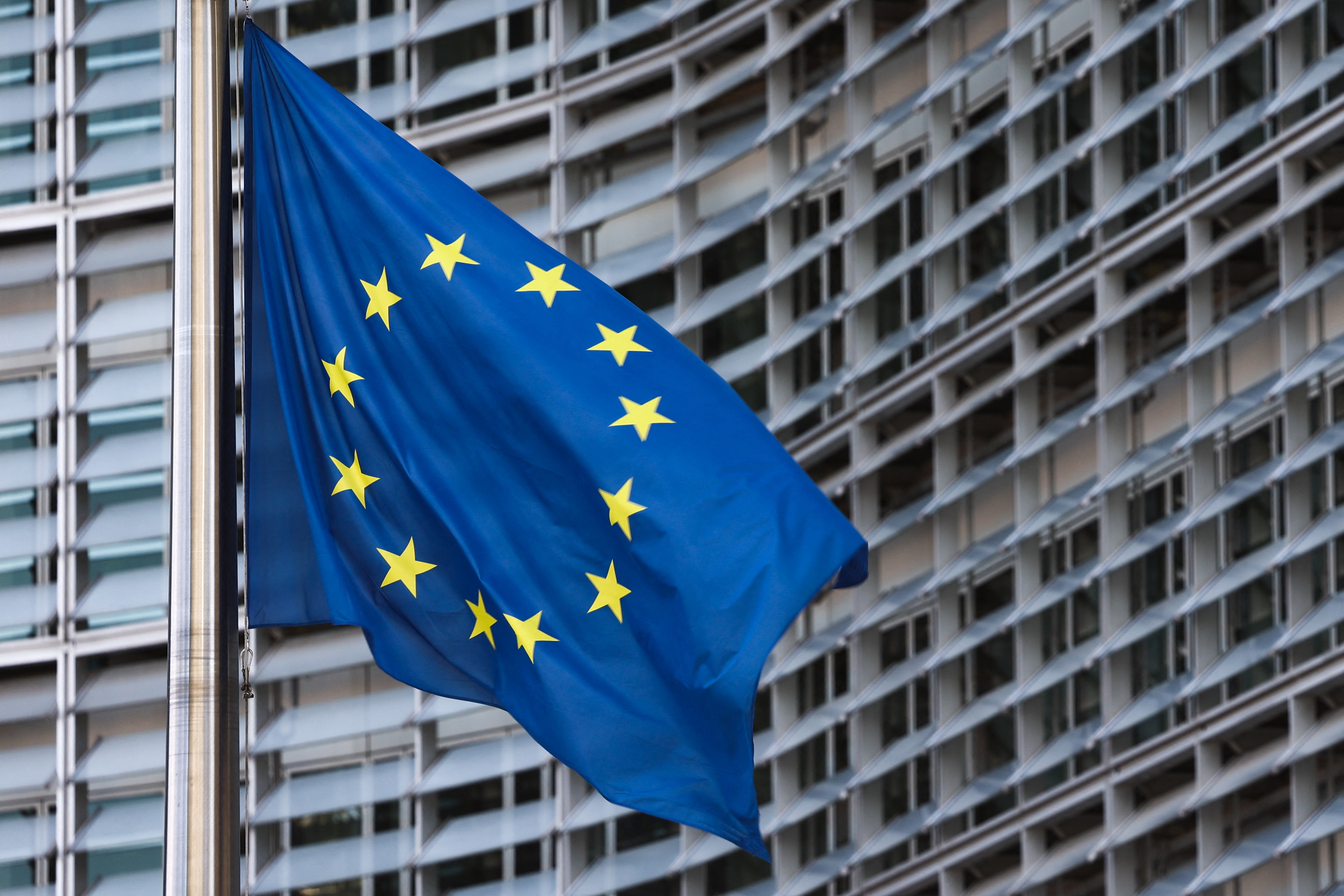 |
The European Commission headquarters in Brussels, Belgium in 2022. Photo: AFP |
Breton is widely considered the chief architect of the EU's Digital Services Act (DSA), a law that establishes content moderation standards and transparency obligations for major social media platforms. The DSA has become a thorn in the side of US conservatives, who view it as a tool for censoring right-wing allies in Europe and beyond.
The DSA requires large platforms to account for content moderation decisions, increase transparency for users, and facilitate researchers' access to public data to assess children's exposure to harmful content.
Tensions escalated after the EU this month fined billionaire Elon Musk's social media platform X 120 million EUR (over 141 million USD) for violating DSA transparency regulations. The US subsequently warned it might target European businesses in retaliation. Washington also criticized the UK's Online Safety Act, which is similar to the DSA, and suspended a technology cooperation agreement with London.
US Secretary of State Marco Rubio affirmed that President Donald Trump's "America First" policy opposes all actions infringing upon US sovereignty, including the "extraterritorial expansion of foreign censorship mechanisms targeting American freedom of speech."
Thanh Danh (According to AFP)