The US Department of Defense's Office of Inspector General released a report last week, indicating the country's F-35 stealth fighter jets achieved a 50% mission-capable rate in fiscal year 2024. This means that on average, each aircraft was operational for only half of its planned time, spending the other half in hangars for maintenance or repairs.
This figure is 17% below the minimum operational readiness level set by the US Air Force. The report identified the cause as the Pentagon's failure to hold manufacturer Lockheed Martin "accountable for maintenance deficiencies."
"The F-35 Program Office (JPO) did not include measurable operational readiness criteria or requirements in its contracts, nor did it mandate material inspections and reporting on government assets," the Office of Inspector General stated.
The US Department of Defense continued to pay Lockheed Martin approximately 1,7 billion USD without adjusting payments, despite the F-35 fighter jets' low combat readiness rate and failure to meet minimum operational capability requirements.
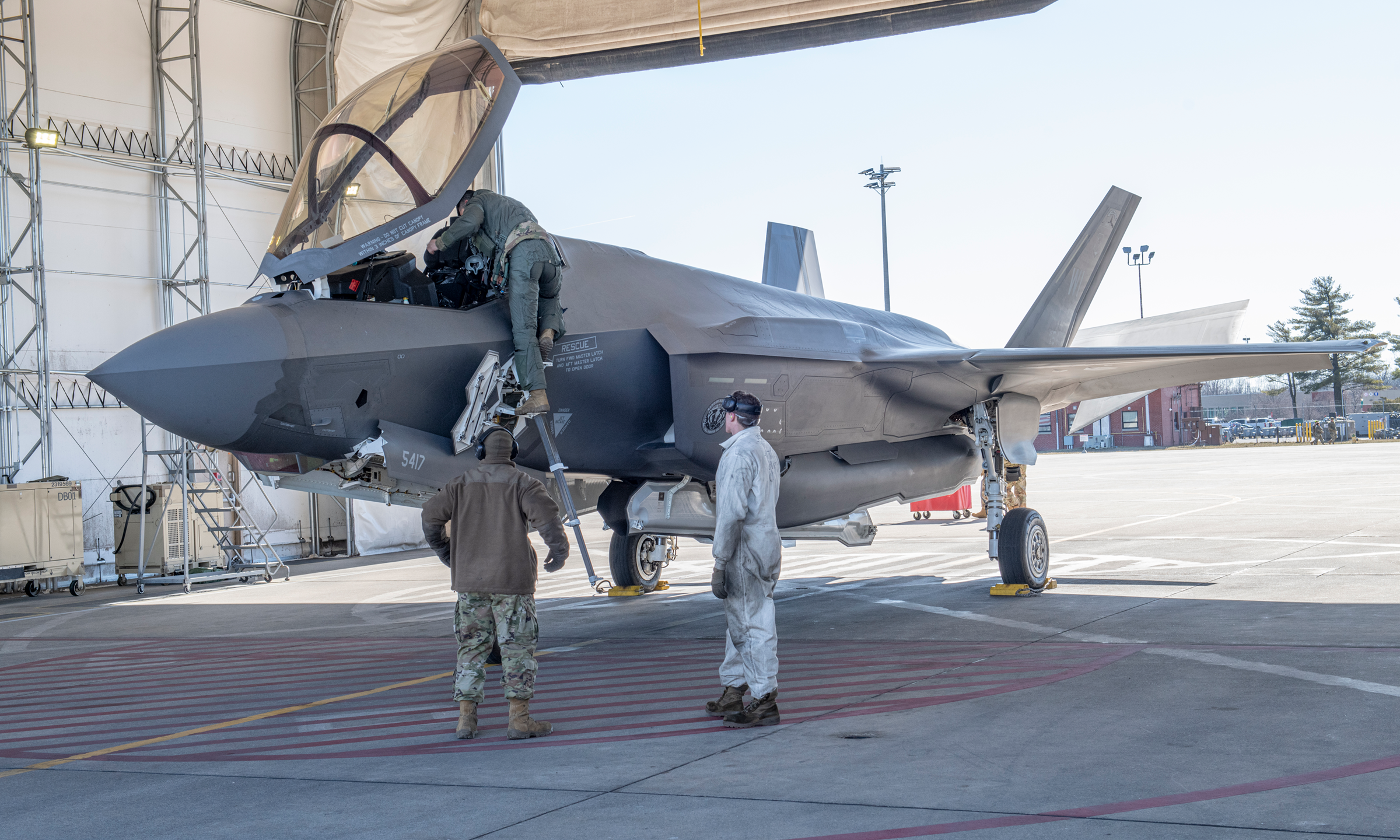 |
An F-35A fighter jet in Swanton, Ohio in 2024. *Photo: US Air National Guard*
When asked for comment, Lockheed Martin stated it had developed a plan to "address the root causes" of the F-35's combat readiness issues this year, including purchasing more spare parts and improving maintenance procedures.
This report is not the only negative assessment for the F-35 fighter jet, the US's most expensive weapons program, costing up to 2,000 billion USD, which has encountered a series of quality and reliability issues.
In June, the US Air Force halved its F-35 orders for 2026 due to escalating costs for avionics and computer system upgrades.
According to a report released by the US Government Accountability Office (GAO) in September, the Pentagon still paid bonuses to Lockheed Martin despite the corporation delivering fighter jets two months late, not to mention a series of faulty aircraft that will take years to repair.
US Defense Secretary Pete Hegseth has increased oversight of the F-35 program, while President Donald Trump also pressured defense contractors to invest more in innovation, rather than solely buying back stocks and paying high executive bonuses.
Pham Giang (According to Reuters)